For small businesses, startups, and boutique consultancies in Dubai, moving out of a commercial suite or downsizing workspace is a significant operational milestone. Unlike multinational corporations with dedicated facilities management departments and corporate logistics retainers, small enterprise founders and office managers must coordinate the entire exit process alongside daily commercial operations. In compact business hubs across Business Bay, JLT, and Al Barsha, small office units ranging from 500 to 2,000 square feet face strict commercial tower governance. Managing freight elevator bookings, security contractor gate passes, and landlord condition covenants requires methodical preparation. This guide outlines how small businesses can plan a swift, budget-conscious office clearance in Dubai while safeguarding their tenancy security deposits.
Why small office clearance differs from enterprise projects
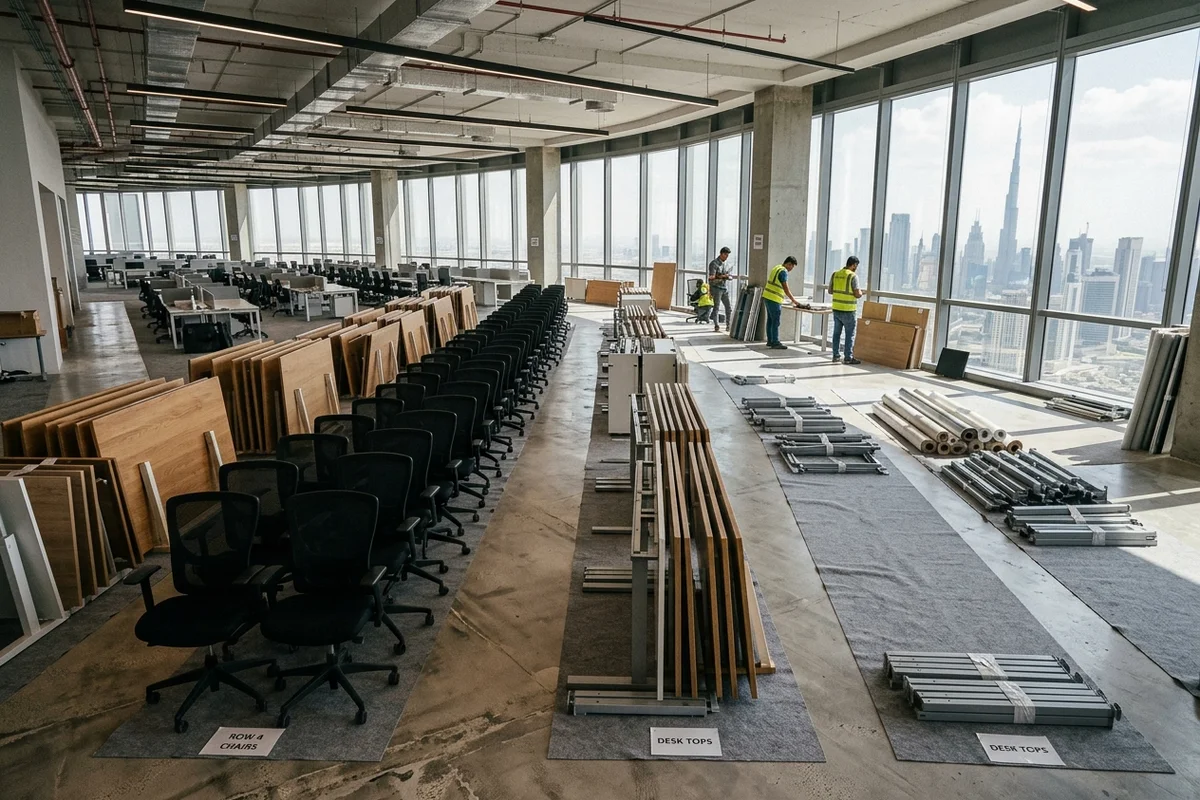
While enterprise floor clearances involve phased multi-week operations and hundreds of identical workstations, clearing a boutique office presents a distinct set of operational challenges:
- Lean internal coordination: Small businesses rarely have administrative buffer. The managing director, operations lead, or executive assistant typically oversees the physical sort-out while handling customer enquiries and client deliverables.
- Shared building infrastructure: In mixed-use and multi-tenant commercial towers, dozens of boutique offices share one or two service elevators. Security teams impose strict two-hour or four-hour loading bay windows to avoid congestion.
- Immediate turnaround requirements: Small companies cannot afford overlapping rent on two commercial leases. Clearance must usually take place within a single morning or afternoon shift to facilitate prompt key return.
- Deposit vulnerability: Commercial security deposits often represent ten to twenty percent of annual lease value. Failing landlord inspection due to leftover junk or superficial damage directly threatens working capital.
Understanding these constraints allows small business owners to approach workplace clearance methodically rather than treating it as an afterthought on moving day.
Navigating shared building logistics and service lifts
In major Dubai commercial developments, building management security protocols apply equally whether you occupy half a floor or a single 600-square-foot partitioned office:
- Move-out permit and security NOC: Building management will not permit external clearance vehicles or trolleys into loading bays without an approved tenant move-out permit and security contractor NOC. Submitting trade licenses, tenancy contracts, and contractor worker IDs at least forty-eight hours in advance prevents costly access delays.
- Dedicated service lift reservations: Never assume the freight elevator is available on demand. In high-density office towers, courier deliveries, cleaning contractors, and fit-out crews compete for elevator access. Reserving a confirmed morning or afternoon window guarantees uninterrupted trolley runs.
- Corridor and elevator protection: Most property managers mandate heavy-duty floor runners along common corridors and padded wall drapes inside service lift cars before any furniture leaves your suite. Professional commercial junk removal teams supply and install these protective barriers as standard practice.
Coordinating building access paperwork early ensures your clearance crew can begin loading immediately upon arrival rather than waiting at the security boom barrier.
Auditing what goes: furniture, IT, and leased hardware
Before dismantling a single desk, small teams should categorize every physical asset into three distinct operational streams:
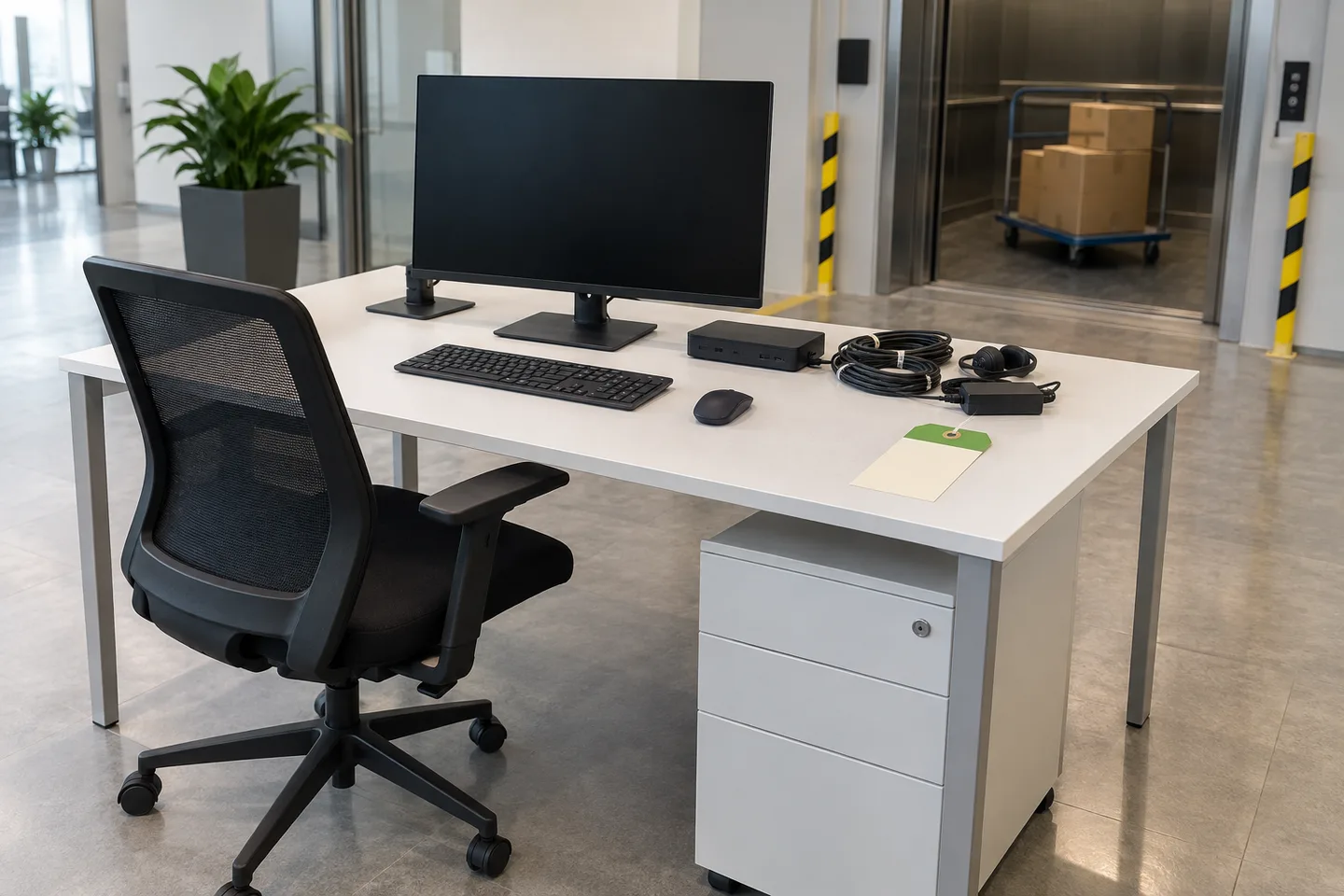
- Company-owned furnishings: Modular desks, ergonomic task chairs, visitor seating, and metal storage pedestals intended for disposal, donation, or recycling.
- Leased office equipment: High-volume multifunction photocopiers, rented water coolers, and leased espresso dispensers. These units must be isolated and returned to authorized leasing vendors rather than handed to general removal teams.
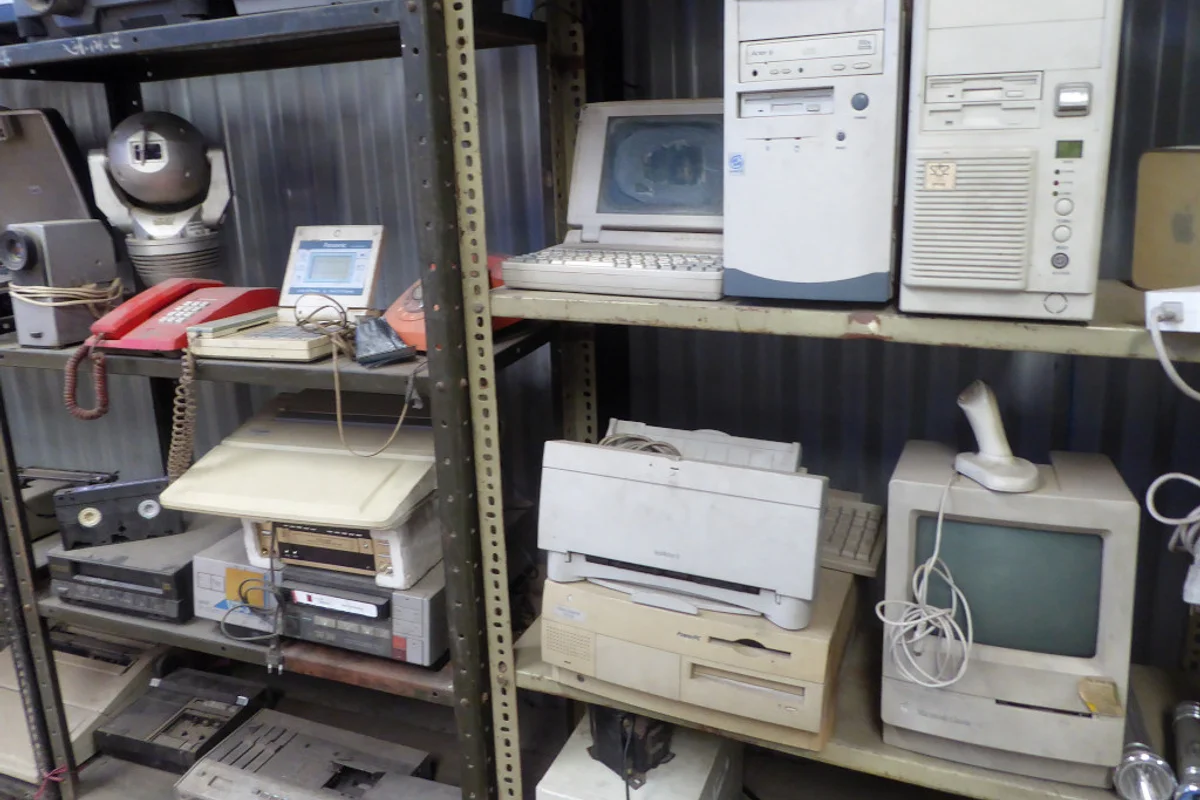
- IT hardware and data assets: Desktop towers, laptops, monitors, external backup hard drives, and network routers. Corporate data must be wiped and devices decommissioned by your technical team before collection for certified e-waste disposal.
Keeping clearance costs under control on a lean budget
Small businesses need transparent, predictable pricing without enterprise overheads. Managing clear-out expenses effectively involves several practical measures:
- Volume-based vehicle sizing: Professional clearance services in Dubai price commercial jobs primarily by truck volume and labor requirements. Providing clear photos and an itemised list allows operators to dispatch the exact vehicle size needed—such as a single closed van rather than a multi-tonne truck.
- Pre-clearing personal clutter: Having staff pack personal belongings, archive boxes, and loose stationery before collection day drastically reduces labor time and keeps the clearance crew focused strictly on heavy lifting.
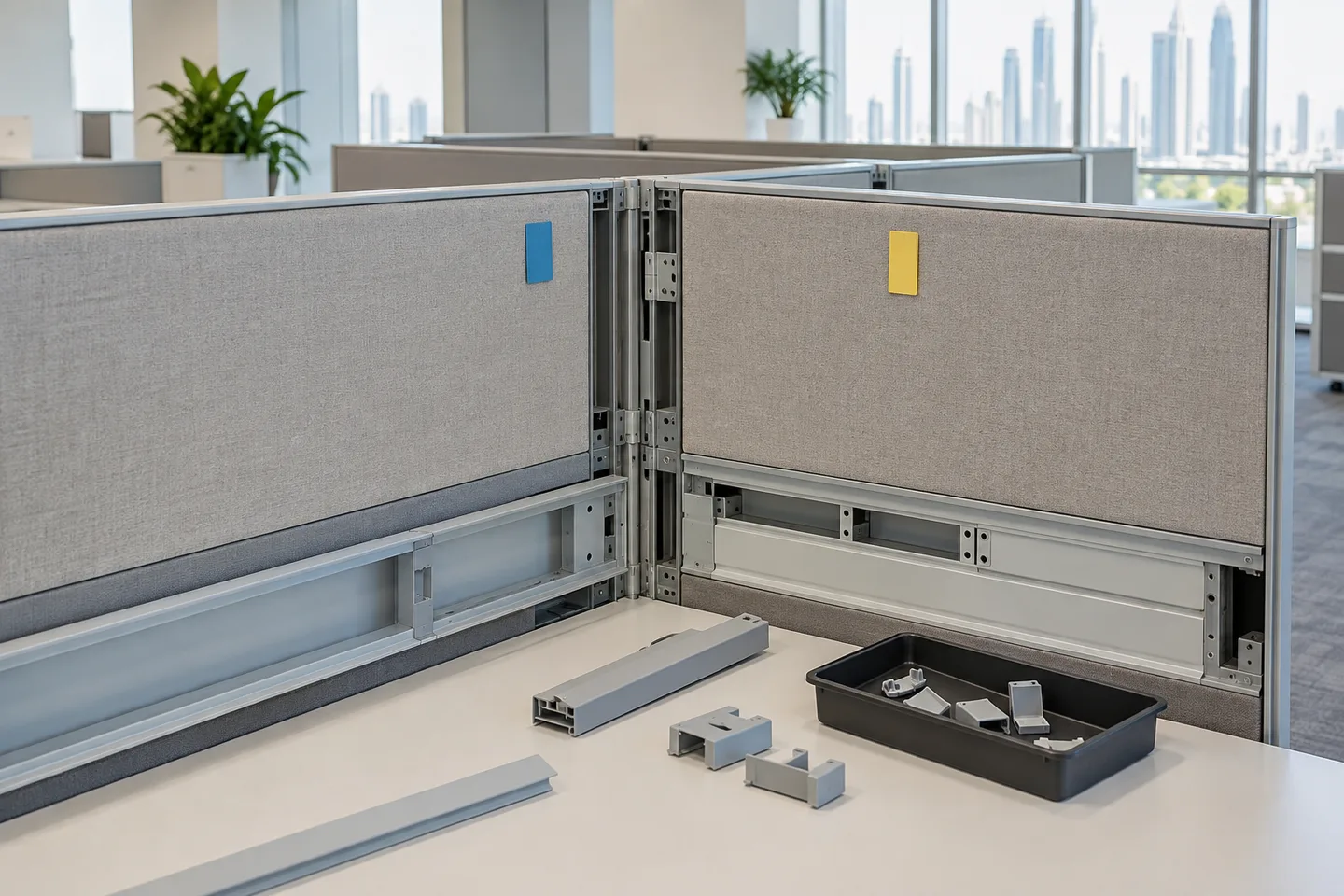
- Pre-dismantling modular desking: Unbolting privacy screens, modesty panels, and cable trays ahead of arrival accelerates extraction and reduces billable on-site hours.
- Scheduling out-of-hours shifts: For buildings situated on congested arterial routes or towers with heavy daytime lift traffic, booking an out-of-hours office clearance in the early evening or weekend prevents lift delays and parking friction.
Investing an hour of internal preparation can save considerable expenditure on clearance day.
Preparing for key return and security deposit release
The physical departure of furniture is only the penultimate step; passing the landlord's move-out inspection is the ultimate objective:
- Broom-clean standard: Sweep all carpeted or tiled flooring once heavy workstations and storage cabinets have been extracted to remove accumulated dust, loose cables, and packing debris.
- Removing tenant fixings: Take down company branding vinyls from entrance doors, unclip tenant-installed whiteboard brackets, and remove wall-mounted coat hooks without damaging drywall partitions.
- Cabling and outlet safety: Ensure data patch leads and redundant extension cords are unplugged from floor boxes and perimeter trunking, leaving electrical outlets intact and capped safely.
- Joint pre-exit walkthrough: Walk the cleared premises with your clearance supervisor before the truck departs, confirming no stray items remain in server cupboards, private executive offices, or kitchen break areas.
With the space emptied cleanly and building guidelines respected, small business tenants can hand back keys with confidence and secure prompt deposit release.