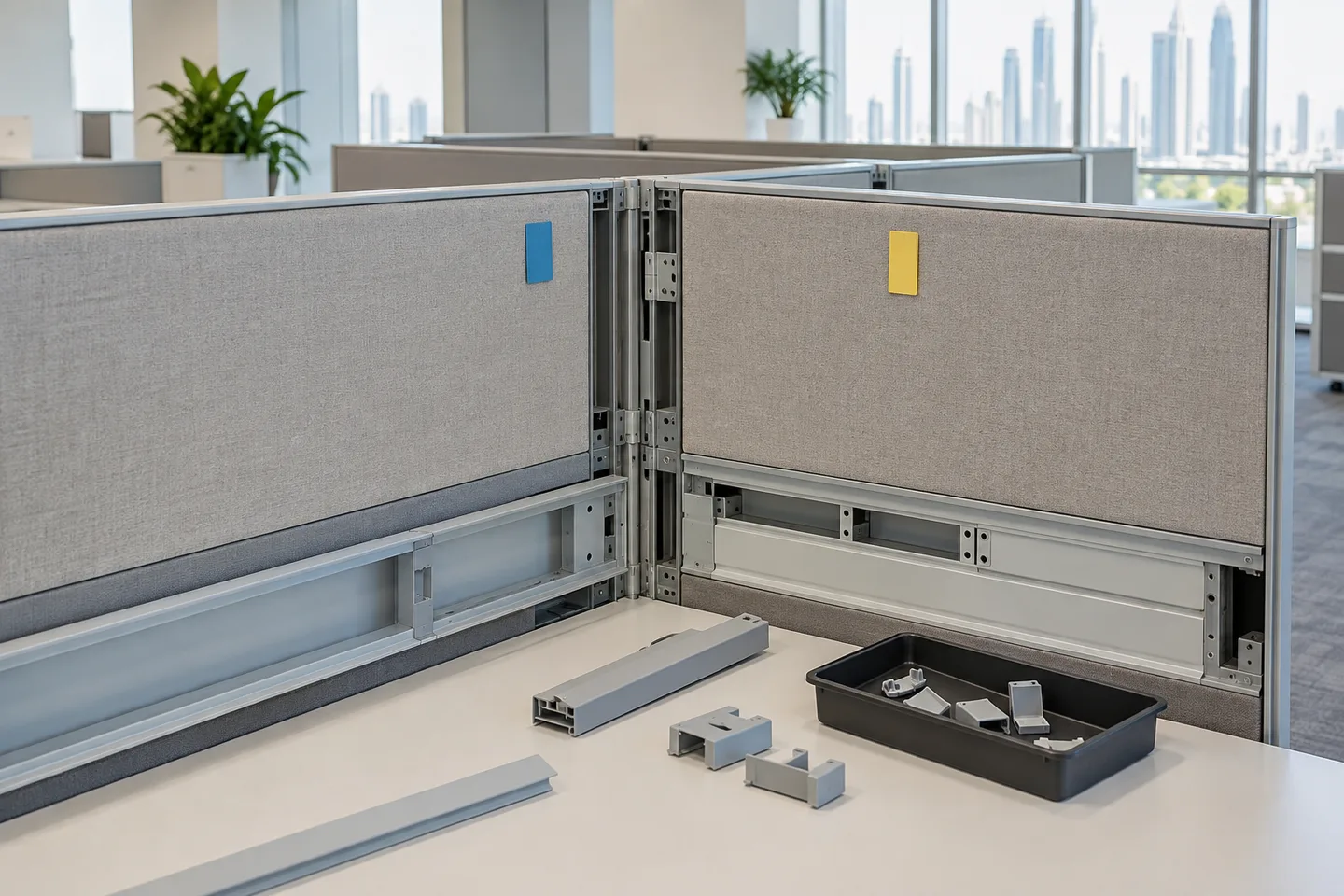
Moving out of commercial workspace in Dubai involves far more than simply carrying desks out to a truck. Facilities management teams and commercial tower security enforce rigid clearance protocols to protect common property, maintain fire safety, and prevent tenant disruption. Whether you are clearing a single floor in Downtown Dubai or vacating a suite in JLT, meeting your building's move-out clearance requirements ensures a penalty-free exit. This guide outlines the essential building permits, loading regulations, and how our professional furniture removal crew helps satisfy property handover rules.
What building approvals are required before moving out of an office?
Commercial towers in Dubai require formal contractor work permits and move-out gate passes before any furniture or equipment can leave the premises. Building management will not allow clearance crews on site without verified contractor documentation, typically submitted 48 to 72 hours in advance.
- Contractor trade licence: A valid Dubai commercial trade licence showing approved activity for waste management or furniture removal.
- Third-party liability insurance: Proof of active contractor insurance to cover accidental damage to lobby finishes, elevators, or glass doors.
- Crew security clearance: Emirates ID copies and visa details for all technicians and loaders entering the building.
- Move-out permit (NOC): A written No Objection Certificate from building facilities management confirming the tenant has cleared service charges and is authorised to vacate.
Submitting these records early prevents trucks from being turned away at security barriers on move-out day.
Booking loading bays and service elevators
Commercial office towers maintain strict separation between passenger transit and heavy cargo. Planning your move-out logistics around building infrastructure is essential:
- Dedicated loading dock slots: Most high-rise buildings require pre-booking a specific 2- to 4-hour window in the underground loading dock. Vehicles exceeding clearance height limits must use designated ground-level delivery areas.
- Service lift reservations: Passenger elevators cannot be used to transport commercial desks, filing cabinets, or appliances. Dedicated freight elevators must be reserved exclusively for the clearance team.
- Corridor and lift protection: Facilities management often requires contractors to install protective floor sheeting (corrugated plastic or heavy carpet runners) across public hallways and hang protective canvas drapes inside lift cabs.
- Emergency access compliance: Move-out staging must never block fire egress routes, sprinkler heads, or emergency exit stairwells, even temporarily.
Distinguishing clearance from fit-out reinstatement
A common point of confusion during commercial lease handovers is the difference between loose junk clearance and contractor reinstatement:
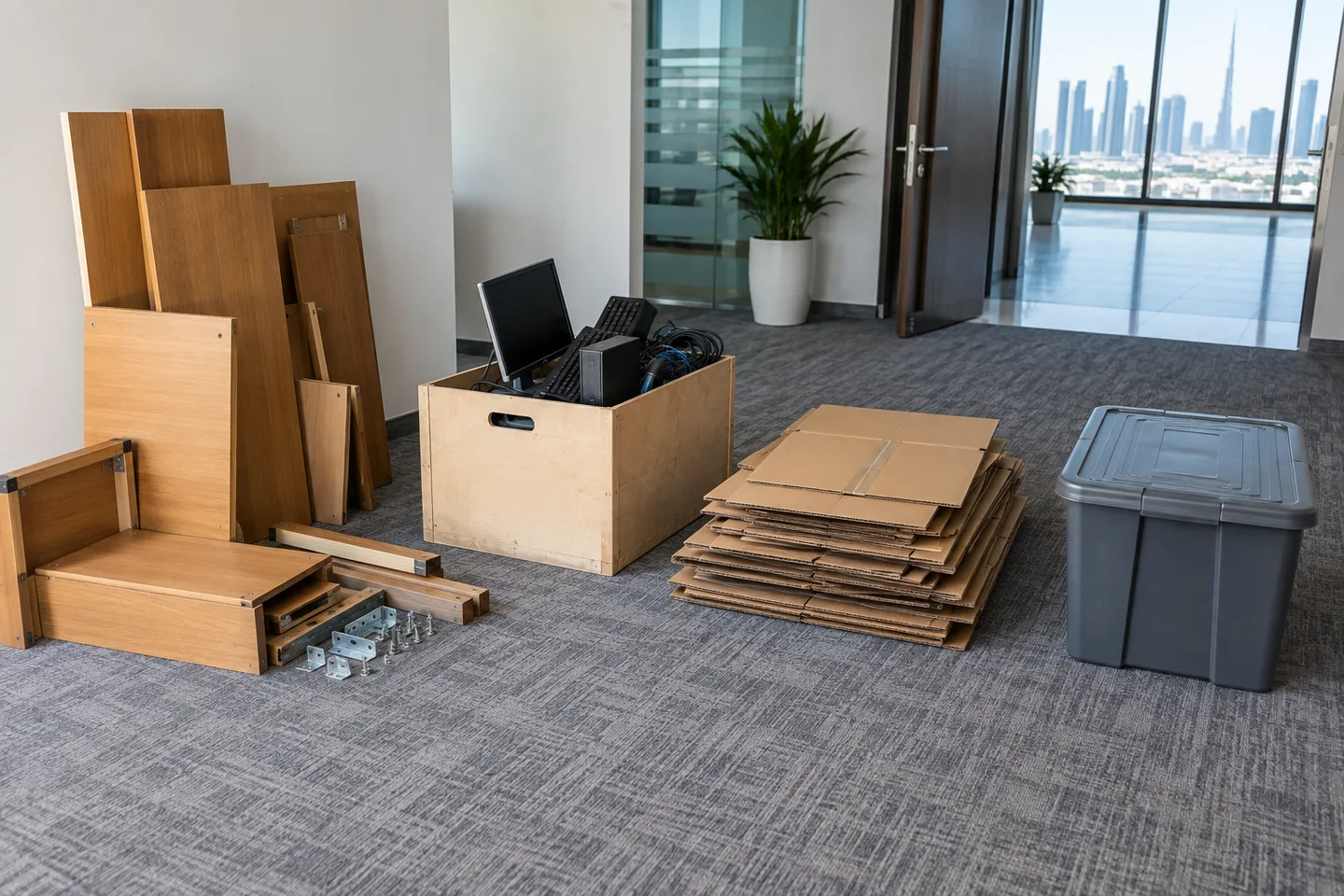
- Junk removal and clearance scope: This covers removing freestanding desks, task chairs, loose cabinets, electronics, pantry appliances, and unattached partition screens.
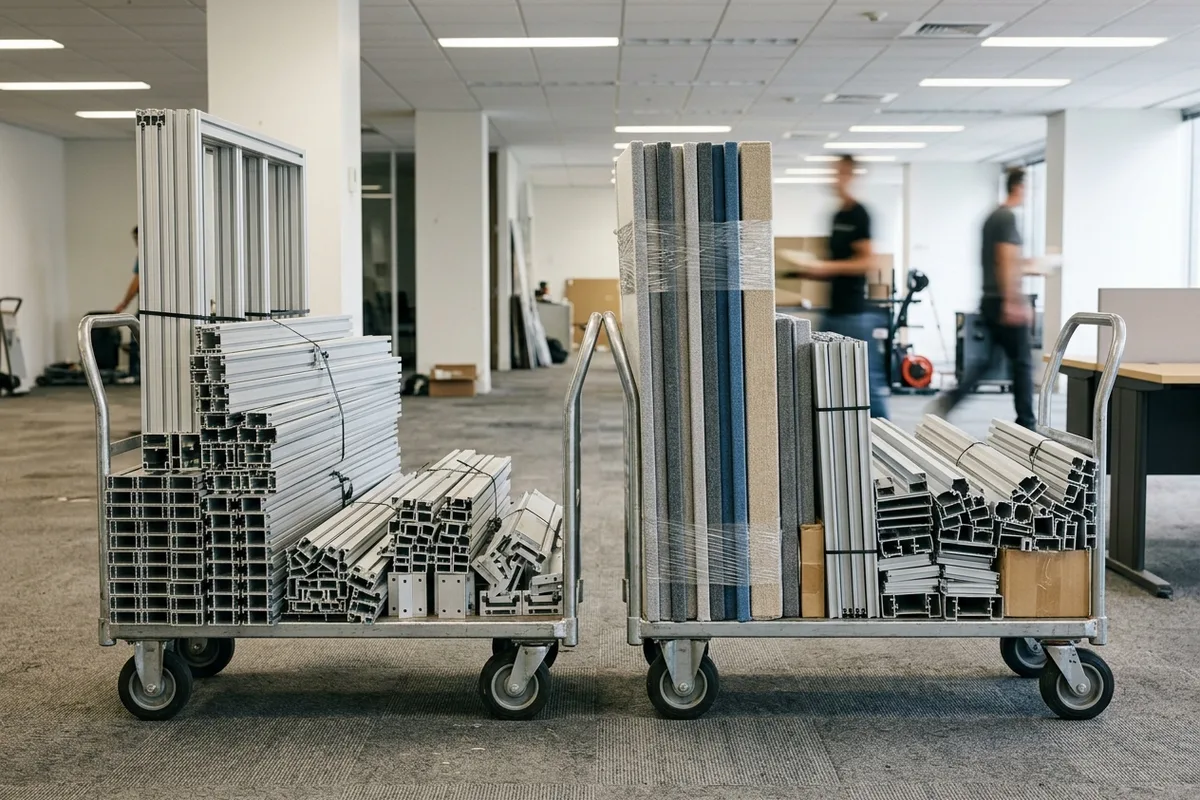
- Fit-out demolition and reinstatement scope: Returning a commercial unit to its original 'shell and core' or Category A condition involves stripping fixed drywalls, ceiling tiles, raised floor trunking, and MEP modifications. This work must be completed by a licensed fit-out contractor.
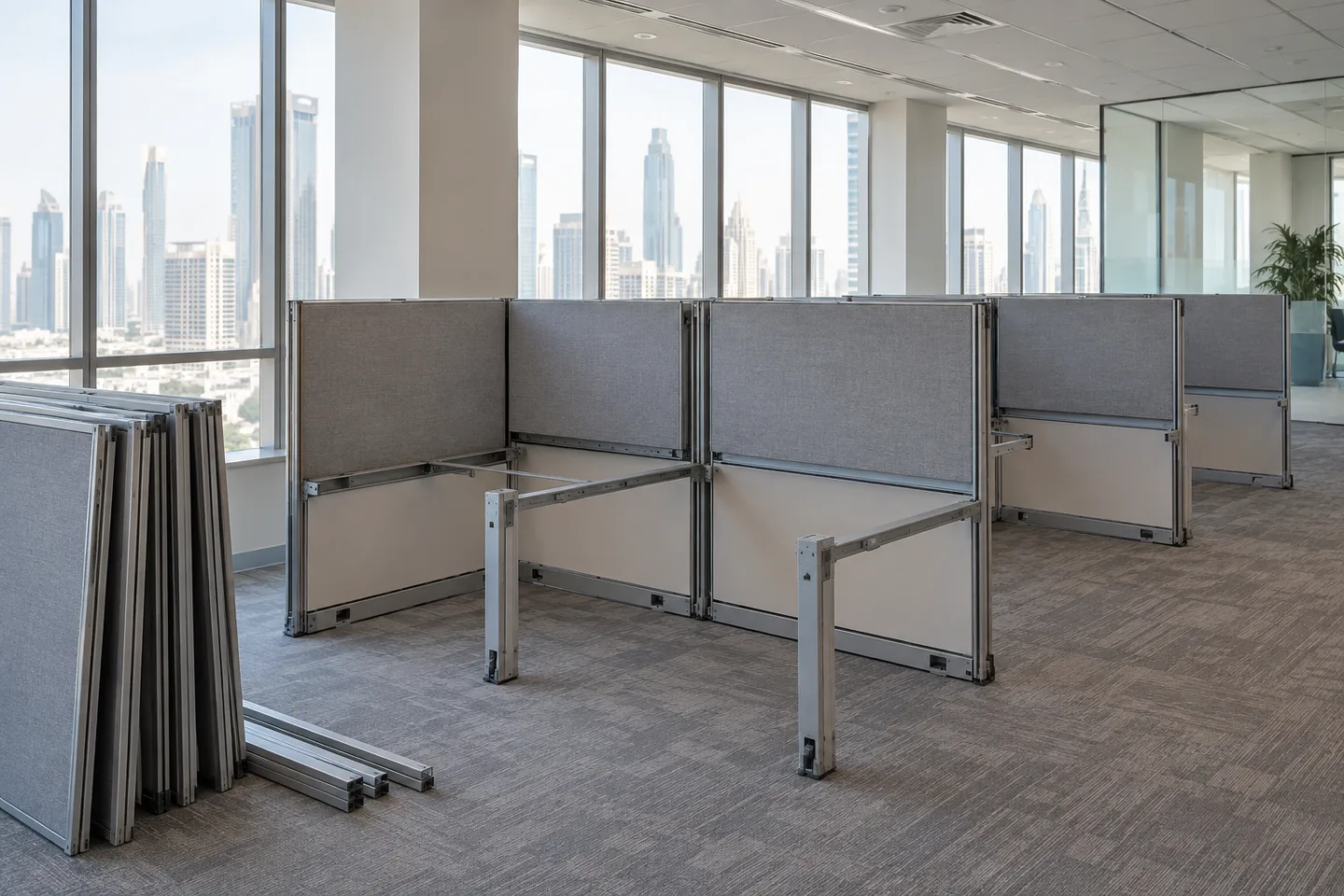
When modular partitions or desk systems are part of your clearance, our guide to cubicle removal in Dubai explains how demountable panels are disassembled safely without damaging underlying base building structures.
Managing electronic waste and cable isolation
- Power disconnection: Unplug all monitor power supplies, desktop cables, and under-desk power bars from floor track boxes before furniture dismantling begins.
- Data hardware security: Ensure IT teams have extracted storage drives and wiped servers before releasing equipment to our e-waste disposal in Dubai team.
- Redundant cabling: Cut loose or tied data cables lying across pathways to eliminate trip hazards, but leave structural risers untouched for building engineers.
For projects transitioning following a completed fit-out or renovation, review our practical advice on office fit out clearance.
Operating windows and out-of-hours clearance
To minimise noise and elevator congestion, commercial buildings enforce strict working hour restrictions:
- Noisy work limitations: Power tools, drills, and heavy dismantling can usually only take place during off-peak windows, such as weekday evenings after 6:00 PM or on Saturdays.
- Silent transit windows: Rolling wrapped chairs and boxed materials through corridors may be permitted during daytime hours, provided passenger corridors remain clear.
- Coordinating evening collections: If your building permits night-time clearances, verify our out of hours office clearance protocols to maintain a quiet, secure handover.
Checklist for your office clearance booking
- Submit clearance contractor trade licence and insurance documents to building security.
- Confirm written move-out approval and gate passes from facilities management.
- Book designated loading dock and freight elevator time slots.
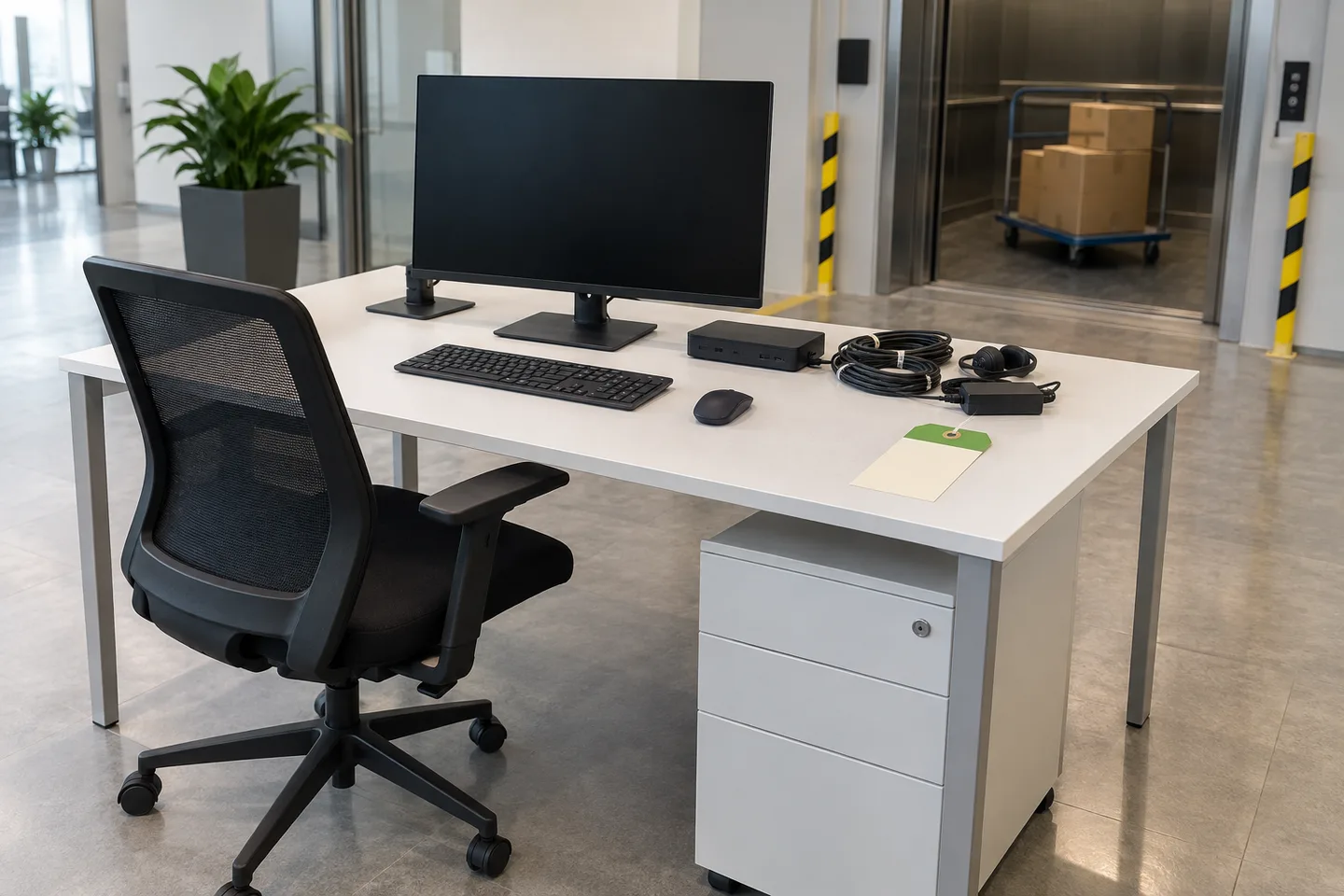
- Label all outgoing furniture, surplus items, and e-waste clearly.
- Separate tenant-owned loose furniture from landlord-owned base-build fixtures.
- Retain official waste disposal manifests for building security deposit sign-off.
Adhering to these building requirements ensures your office move-out proceeds without access delays, property disputes, or withheld security deposits.