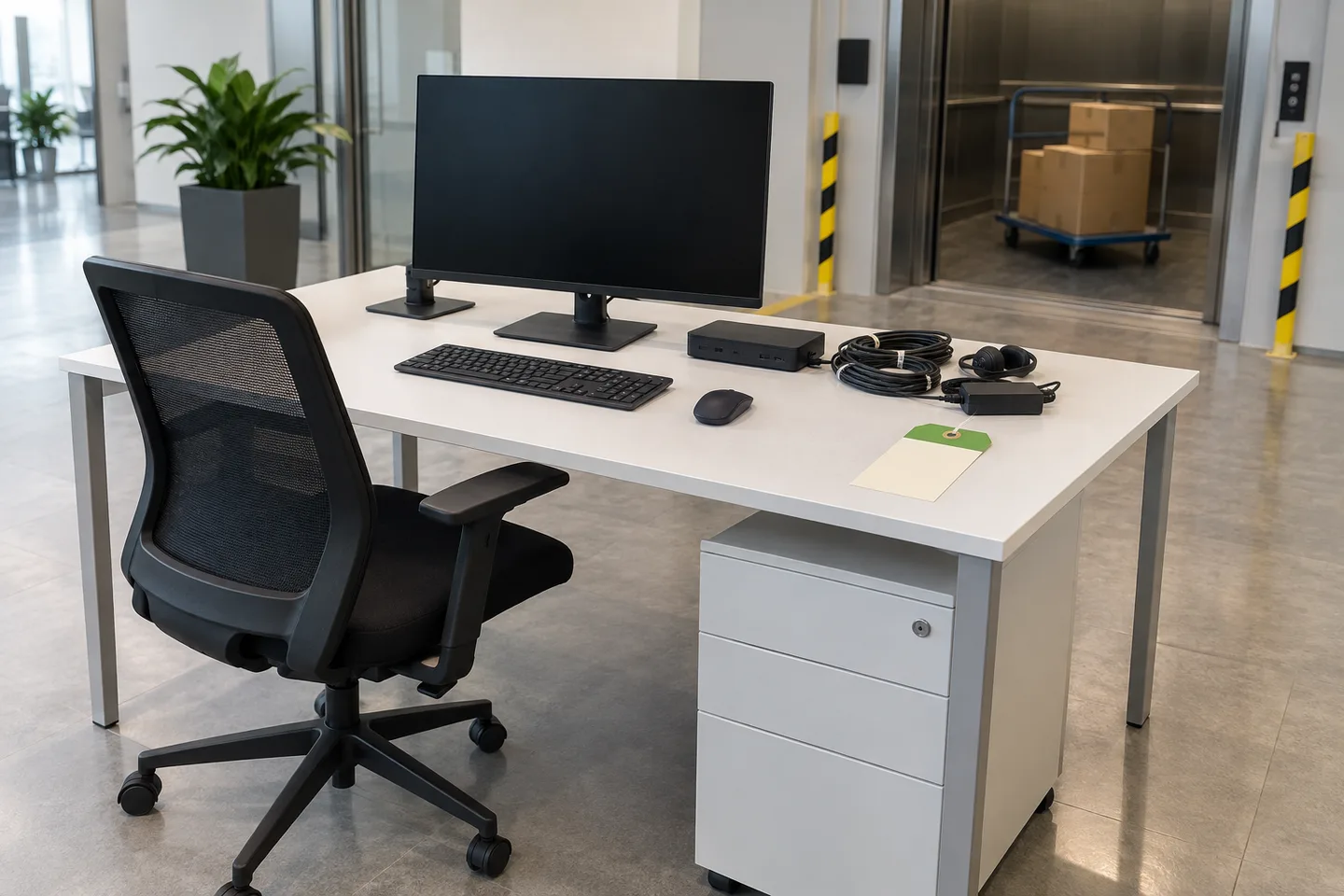
While both services involve loading trucks and clearing unwanted items, clearing a corporate workspace in Business Bay involves entirely different procedures than clearing a villa in Arabian Ranches. Household jobs focus on personal belongings and domestic furniture, whereas commercial clear-outs demand corporate sign-offs, security gate passes, and audit trails. Understanding where furniture removal in Dubai fits into each setting ensures a smooth collection without unexpected building penalties.
What is the difference between commercial and residential junk removal?
The primary difference lies in operational logistics, access governance, and legal authority. In residential clearances, an individual tenant or homeowner authorises what leaves and collection crews load items via private driveways or domestic service elevators. In commercial clearances, multi-stakeholder corporate approval is mandatory, security clearances must be registered with building facilities managers, and removal work must comply with strict commercial building loading dock regulations.
When planning a commercial job, our dedicated guide to commercial junk removal in Dubai covers mixed-premises planning and bulk waste handling in detail.
Authorisation, ownership, and sign-off protocols
- Residential authorisation: The individual resident, property owner, or estate executor decides what stays and what goes. Verbal confirmation or a simple signed inventory on the day is standard practice.
- Corporate governance: Removing office assets requires clear operational authority. Facilities leads, office managers, or procurement heads must approve asset lists against fixed-asset registers.
- Tenant versus landlord property: Commercial leases often include landlord-owned fixtures such as floor boxes, demountable glass partitions, and ceiling panels that must not be cleared.
- Leased equipment boundaries: Offices frequently hold leased multi-function copiers, coffee machines, or drinking water systems that must be returned to vendor leasing companies rather than loaded into disposal trucks.
For complete office shutdowns, conducting a structured walkthrough as outlined in our guide to office clearance prevents leased machines and retained company assets from leaving accidentally.
Building access, permits, and loading logistics
- Security gate passes and contractor NOCs: Commercial high-rises require contractors to submit trade licences, crew Emirates IDs, and third-party liability insurance certificates before permits are granted.
- Loading dock slot reservations: Commercial buildings prohibit loading at main lobby entrances. Clearance vehicles must reserve designated time slots in underground service bays.
- Freight elevator access: Commercial towers allocate specific freight lifts that must be booked well in advance, often requiring protective wall padding before bulky desks are loaded.
- Domestic villa and apartment access: Residential clearances usually require standard community entry passes or community security gate confirmation, allowing crews direct access to villa driveways or apartment service corridors.

Working hours and scheduling constraints
- Commercial quiet hours: Most office towers in financial districts like DIFC restrict bulky item transit during regular 9:00 AM to 6:00 PM business hours to avoid sharing elevators with corporate workers.
- Evening and weekend shifts: Business collections frequently take place during scheduled evening windows or over weekends. Our guide to out of hours office clearance details how to plan these quiet sessions safely.
- Residential operating hours: Domestic villa communities and residential apartment towers generally permit removal activities between 8:00 AM and 6:00 PM on weekdays and Saturdays, prohibiting noisy work on Sundays.
Material streams, data security, and asset tracking
Residential jobs mostly produce domestic furniture, mattresses, broken kitchen appliances, and garden clutter. Commercial clear-outs involve distinct corporate material streams:
- Uniform workstation systems: Large quantities of identical bench desks, modular screens, and task chairs requiring systematic dismantling and hardware consolidation.
- Confidential paper archives: Financial records, HR paperwork, and client files that cannot simply be recycled with domestic mixed waste and require secure shredding or corporate disposal.
- IT hardware and e-waste: Desktop towers, laptops, docking stations, and server racks that require structured chain of custody and data destruction verification.
- Compliance documentation: Corporate accounting and ESG teams often require formal disposal notes and waste transfer receipts to write off assets and verify diverted landfill volumes.
For companies managing an office move, coordinating between retaining active workstations and clearing surplus furniture is covered in our office relocation junk removal guide.
How to prepare for your removal booking
- For residential collections: Sort rooms into keep and discard piles, clear pathways to the front door, and check with community management if a mover permit is needed.
- For commercial collections: Obtain written corporate approval for all outgoing asset tags, submit contractor paperwork to building management for gate passes, reserve the loading bay, and tag all items clearly.
Whether you are clearing a single family room or an entire corporate floor, matching the service to your property type ensures a fast, compliant, and cost-effective clearance.