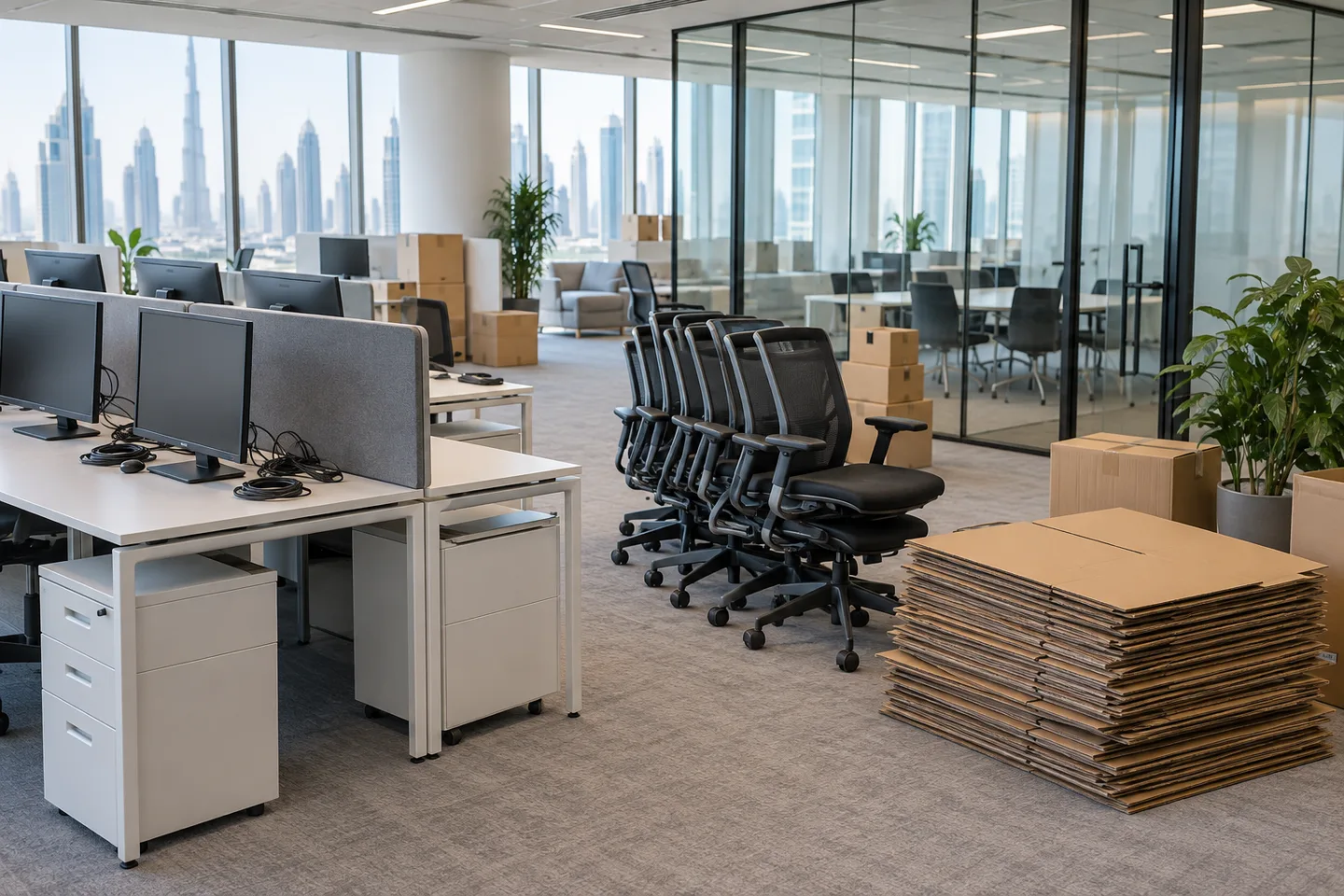
Commercial junk removal in Dubai starts by defining the business load, the authorised decision-maker and the collection window. An office, shop or service premises can contain reusable furniture, confidential equipment, packaging and items needing separate handling in the same room. Arrange the relevant furniture removal service and other specialist streams against a written scope rather than treating everything on the premises as one undifferentiated pile.
Commercial junk removal needs a clear load boundary
The commercial load is the set of items the business has actually authorised to leave. It is not every loose object visible after a trading day or office shift. Stock, leased equipment, employee belongings and records can sit beside genuine waste, so the first task is to separate ownership and instructions before collection begins.
- Remove: named furniture, packaging, obsolete fixtures or equipment approved for collection.
- Retain: stock, current equipment, records and anything still needed for operations.
- Return: rented, leased or supplier-owned assets that have their own handover route.
- Hold: unidentified items or anything awaiting approval from finance, facilities, IT or another owner.
Use an inventory that identifies groups in language staff can recognise, such as twelve visitor chairs from reception or the packaging in the rear store. A description such as clear all junk from the floor is too broad when the floor remains occupied. Photographs help with volume, but they do not replace the ownership decision.
Name one authorised contact for collection day
One authorised contact should resolve questions and confirm the final load. That person does not need to make every internal decision alone, but the crew should not receive conflicting instructions from a receptionist, department manager and landlord representative at the same time.
Record any area where a second approval is still required. If IT owns the server-room contents or a landlord owns reception furniture, keep those items outside the collection scope until the responsible party confirms. A colour marker or physical zone can show the instruction on site, provided everyone has been told what it means.
Separate the main commercial contents before pickup
Commercial contents should be grouped by the decision they need, not merely by which room they came from. Freestanding furniture, electrical equipment, clean packaging and items needing a separate assessment should remain identifiable. That gives the operator a realistic basis for vehicle space, handling and onward routing.
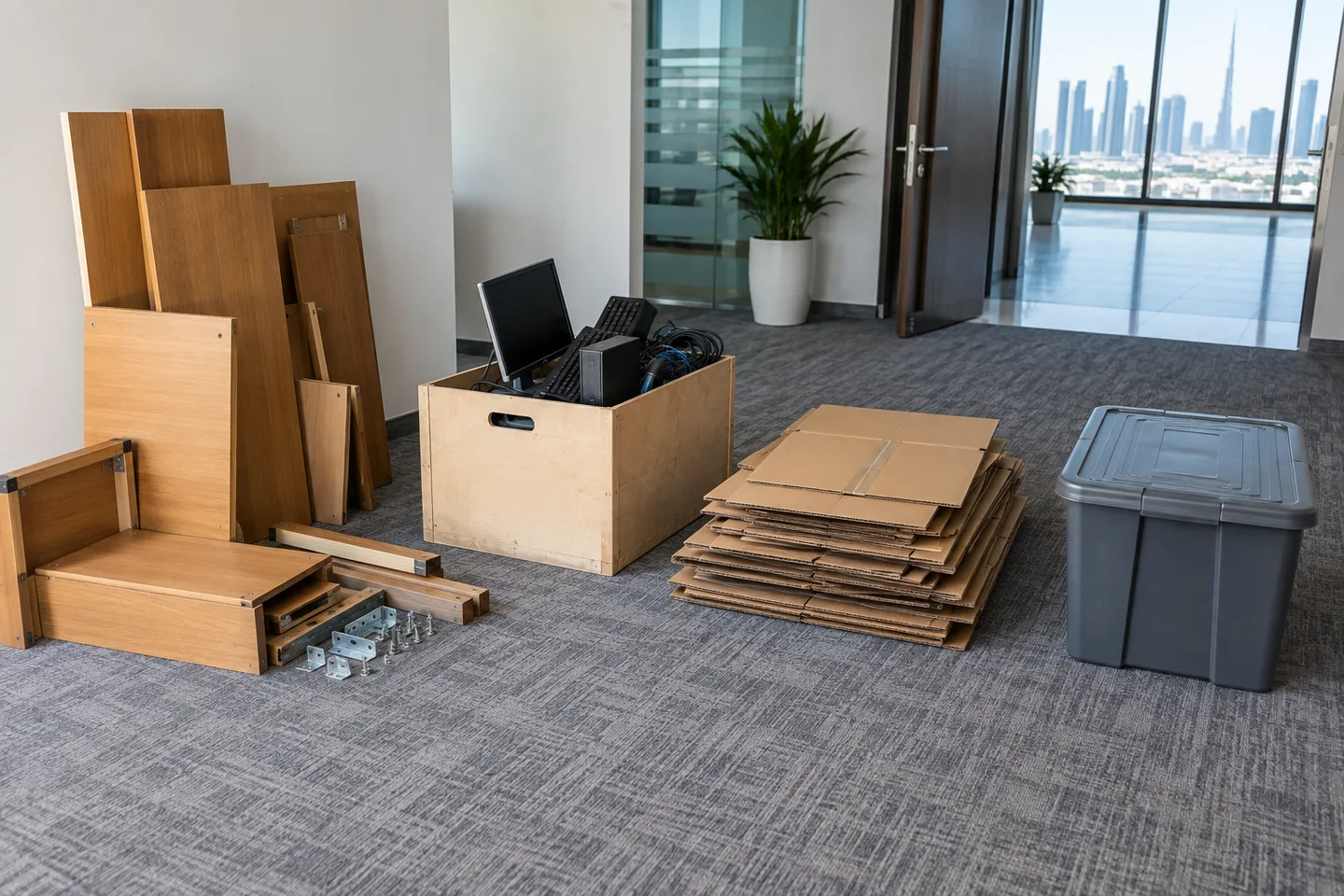
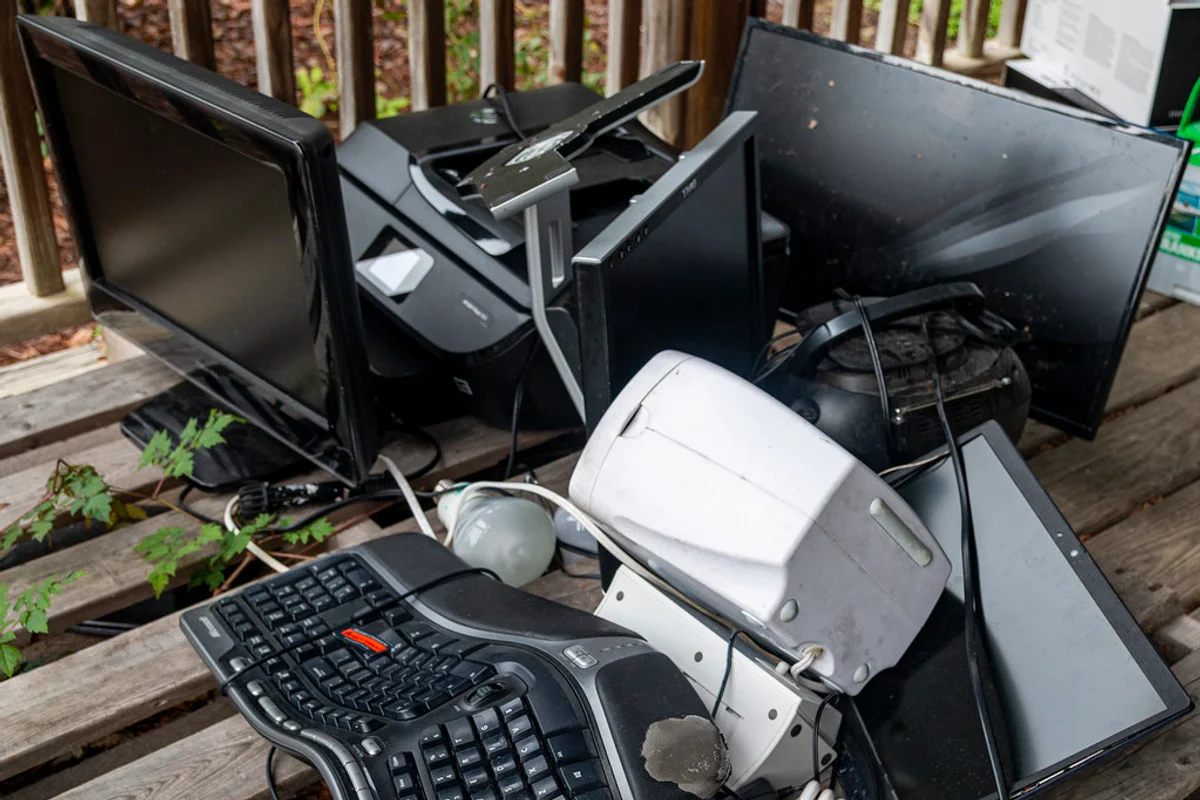
Keep data-bearing electronics out of the ordinary mixed group. A monitor, keyboard and cable may be simple electrical items, while a computer, storage device or network appliance can contain business information. The e-waste disposal service covers the physical collection route; the business must still decide its data and record requirements before release.
Do not hide unknown liquids, batteries or connected equipment inside general cartons. Describe them separately and confirm whether the operator accepts them. A sealed container is not automatically safe or eligible merely because its contents are out of view.
Fit collection around premises access and business hours
The usable collection window is the period when both the premises and the vehicle route are available. In a tower in Business Bay, staff access through the main lobby may not establish permission to use the loading bay or goods lift. Confirm the service entrance, security registration, lift booking and person who will admit the crew.
Trading hours matter even when the building is open. A shop cannot surrender its entrance to a furniture load while customers are using it, and an office may need a quiet route while staff remain at work. Define whether the collection happens inside operating hours, after a department closes or after the whole premises stops trading.
Keep fire exits, shared corridors and neighbouring units clear throughout. Do not move the entire load into a common passage before the booked window. Stage items inside the authorised premises unless the building has approved another location.
Quote the job from items, route and control requirements
A useful commercial quote names the approximate item count, bulky pieces, separate streams, floor, carry route and access window. It should also identify work outside ordinary collection, such as dismantling a large freestanding unit, maintaining an asset list or waiting while departments release areas in stages.
Photograph representative groups and every access exception. Ten identical chairs need one clear group photograph and a count; a heavy safe, connected appliance or oversized counter needs its own view and dimensions. Mention late additions before the vehicle is committed, because a small-looking dense or awkward group can change the handling plan.
Close the collection with a business handover
The authorised contact should walk every included area after loading and record agreed exceptions. Check that retained stock, leased assets and held items remain in place, then confirm what was collected by category. A cleared corner is not enough if another approved group remains in a meeting room or store.
Commercial junk removal works when the business controls the scope before the crew controls the load. Separate ownership, handling and timing decisions early, give one person authority at the handover and keep unresolved assets out of the instruction until their route is known.