Every office has a kitchen or pantry, and when the office moves, refurbishes or closes, that small room creates more preparation work than its size suggests. There is a shared fridge to empty, machines tied into the water supply, and cupboards full of mugs and supplies nobody owns. Appliance removal in Dubai handles the fridge and appliances once they are ready. This guide covers what to do before collection day, and what should stay behind for the landlord.
What does an office pantry clearance cover?
An office pantry clearance covers the loose appliances, furniture and supplies in a staff kitchen. It does not cover the fitted kitchen itself. Cabinets, worktops, sinks and built-in appliances are usually part of the premises, and they stay unless the fit-out contractor removes them.
- Refrigeration: shared fridges, under-counter fridges and drinks chillers.
- Small appliances: microwaves, kettles, toasters, sandwich presses and freestanding coffee machines.
- Plumbed machines: dishwashers, boiling and chilled water taps, plumbed coffee machines and drinking water coolers.
- Furniture: pantry tables, bar stools, chairs and freestanding shelving.
- Supplies: crockery, cutlery, mugs, glassware and unopened tea, coffee and cleaning stock.
A commercial kitchen in a restaurant or staff canteen is a different job, with gas, extraction and heavy cooking equipment, covered in the guide to restaurant equipment removal. This guide is for the ordinary office pantry.
Empty and defrost the shared fridge first
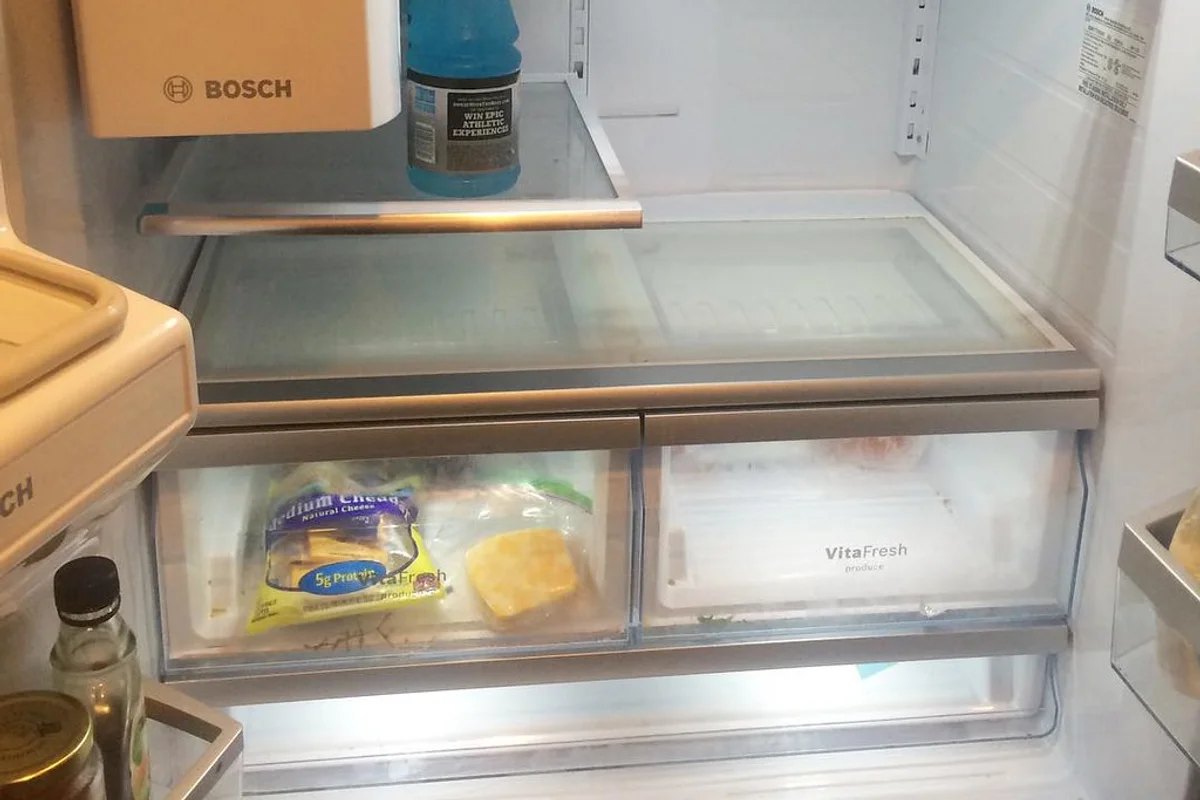
The shared fridge is the item most likely to delay a pantry clearance. Give staff a clear deadline to take their own food and containers, then have someone empty whatever is left, switch the fridge off and leave the doors open to defrost and dry.
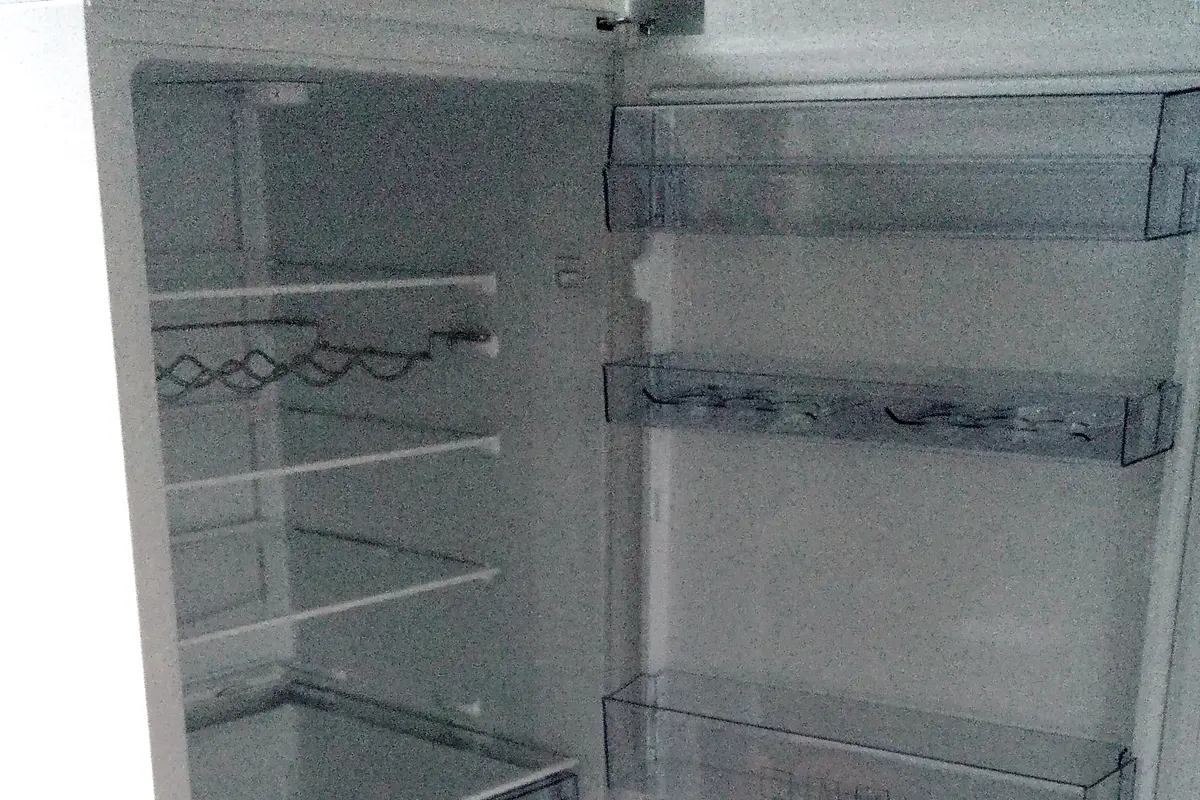
- Announce the deadline for staff to remove their food, lunch boxes and bottles.
- Empty the fridge completely, including the freezer compartment and door racks.
- Switch it off at the wall, prop the doors open and put a towel underneath to catch meltwater.
- Wipe the inside once it has defrosted, and tape loose shelves in place for the move.
Fridges contain refrigerant, so they should travel upright where possible and go to a facility that can recover it rather than into general waste. The guide on how to dispose of a fridge explains the route a fridge takes after collection.
Plumbed machines need disconnecting before collection
Any machine connected to the water supply or a drain should be disconnected by the building's maintenance team or a plumber before the crew arrives. The supply valve needs closing and the pipe capping, otherwise a leak can damage the floor below once the machine is lifted away.
- Dishwashers: isolate the water, disconnect the inlet and drain hoses, and leave the door open to dry.
- Boiling and chilled water taps: the tank under the sink is plumbed and wired in, so it is a job for a plumber or the supplier.
- Plumbed coffee machines: check first whether the machine is leased, because many office machines are supplied under a service contract.
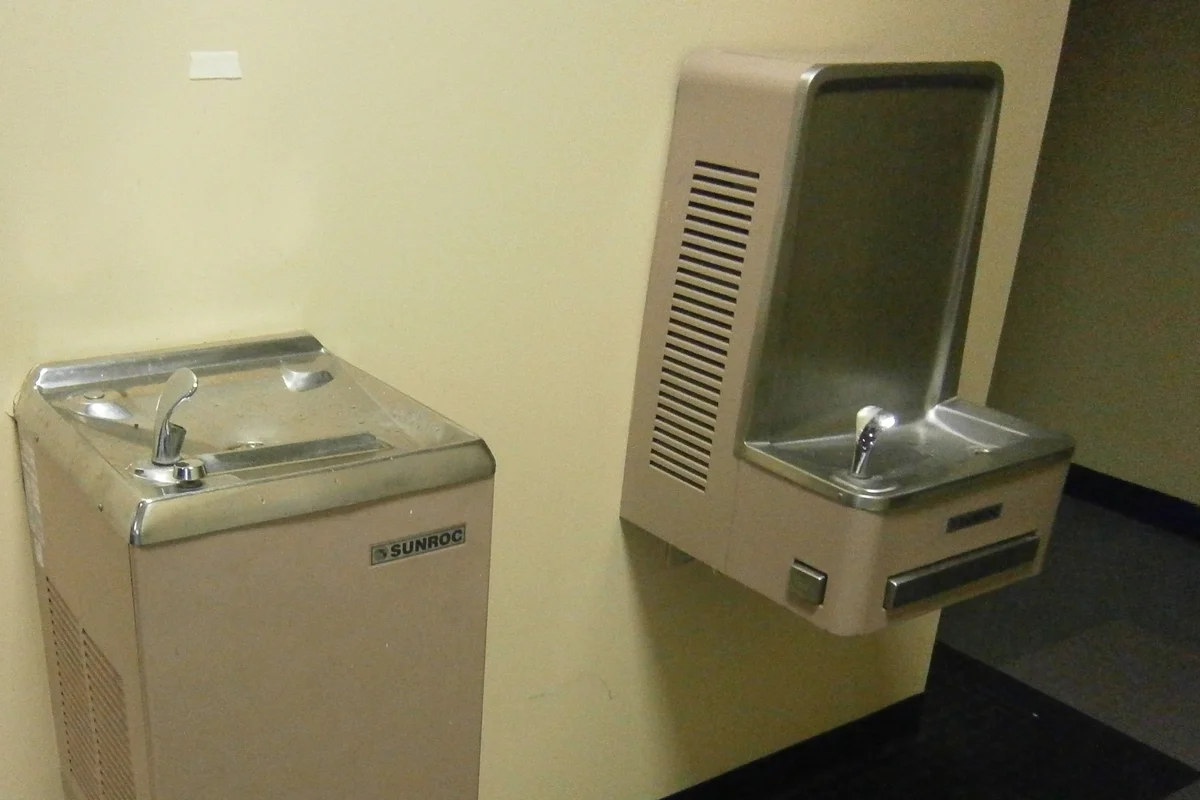
- Drinking water coolers: plumbed-in coolers need the supply isolated; bottle dispensers do not, but are often supplier-owned.
Leased coffee machines and water dispensers go back to the supplier, not into a disposal load. The guide to office equipment disposal covers checking supplier ownership for shared machines across the office.
Supplies, crockery and small appliances
Unopened tea, coffee, snacks and cleaning products are worth offering to staff, the building's cleaning team or a charity before the clearance. Open food should be thrown away by the office, not left in cupboards for the crew. Mugs, plates and cutlery in good condition can go to donation if they are boxed and labelled.
Kettles, microwaves and toasters are small electrical items. Unplug them, empty crumb trays and water reservoirs, and box them together so they travel as one group to e-waste disposal rather than loose among furniture.
Access and timing
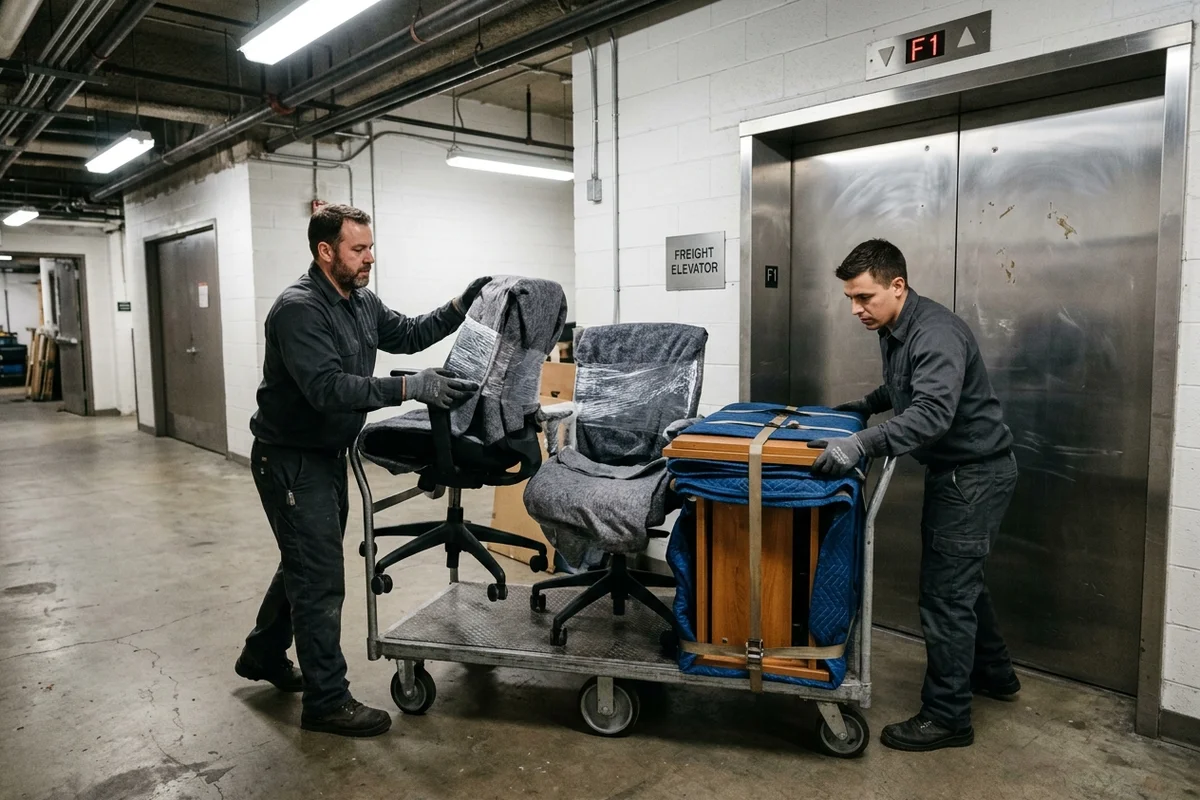
A pantry is usually the last room cleared, because staff use it until the final day. In a tower in Business Bay or DIFC, book the goods lift for the same session as the rest of the office furniture, so the fridge and appliances leave in the same collection rather than a second trip.
What to send for a pantry clearance quote
- Photos of the pantry, with fitted items that are staying clearly marked.
- The number and size of fridges, and the list of appliances leaving.
- Which plumbed machines will be disconnected beforehand, and by whom.
- Which machines are leased and going back to a supplier.
- Whether the pantry is part of a larger office clearance.
An office pantry clearance is quick once the preparation is done: fridges empty and dry, plumbed machines disconnected, leased equipment returned and supplies given away. Leave the fitted kitchen as it is, and the room is ready for handover.