Kitchen clearance can mean emptying cupboards, or it can mean removing the cupboards themselves. For a household kitchen clearance in Dubai, define that boundary first: this guide covers unwanted loose contents and equipment while the fitted cabinets, worktop and connected services remain. The main task is finding, separating and packing what is inside a room that can look almost empty with every door shut.
Write down what “empty the kitchen” includes
Describe the job as contents-only if that is what you need. Pots, plates, small freestanding racks and countertop gadgets belong on an item list; cabinet doors, sinks, worktops and integrated equipment should not be swept into the same instruction. A clear boundary helps the collector price the right job and prevents a request for clearance being mistaken for removal of the fitted kitchen.
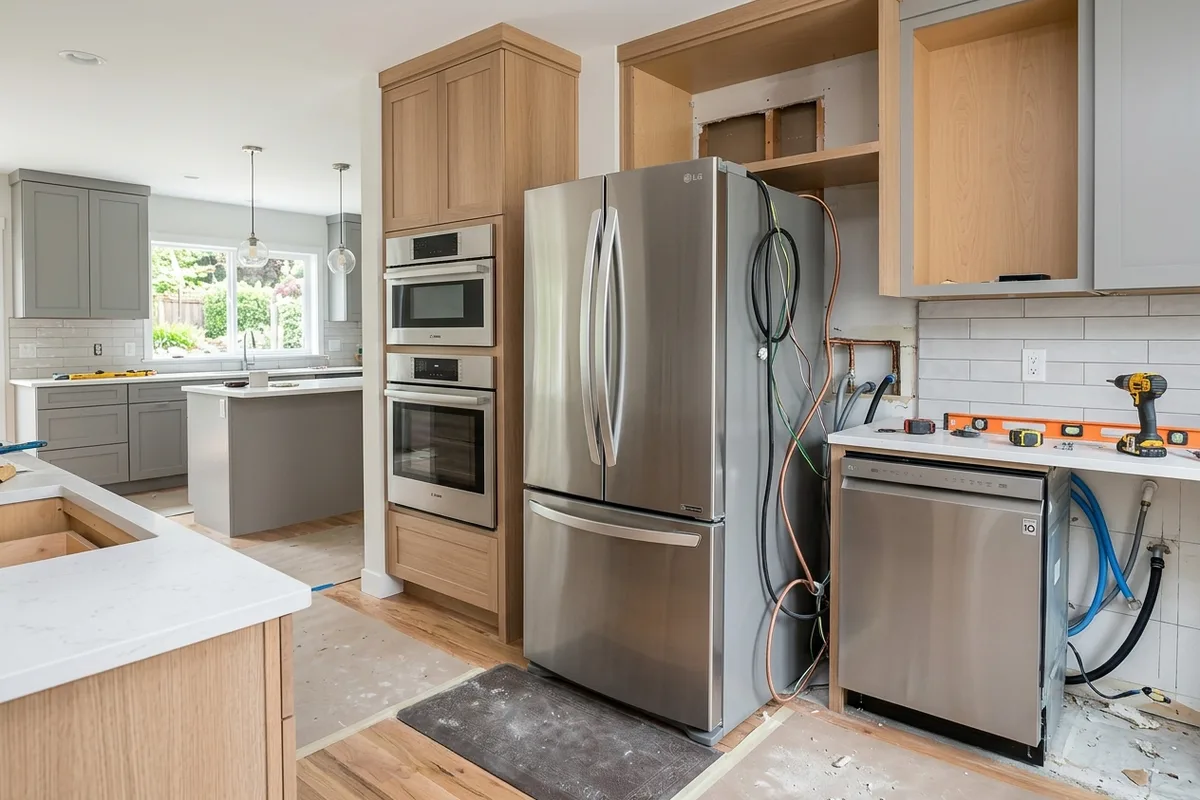
If the purpose is a remodel requiring connected equipment to leave, use the separate kitchen renovation appliance guide for that project’s scope. Arrange suitable professional preparation for connected units. This contents guide does not cover disconnection, cabinet removal or building debris.
Record retained accessories too: a microwave plate, oven rack or filter part can look like loose kitchenware while belonging to equipment that stays. Put those pieces with their appliance or in a clearly identified retained group before packing. An empty cupboard is not the goal if getting it empty leaves the fitted kitchen incomplete.
Check the storage before counting the load
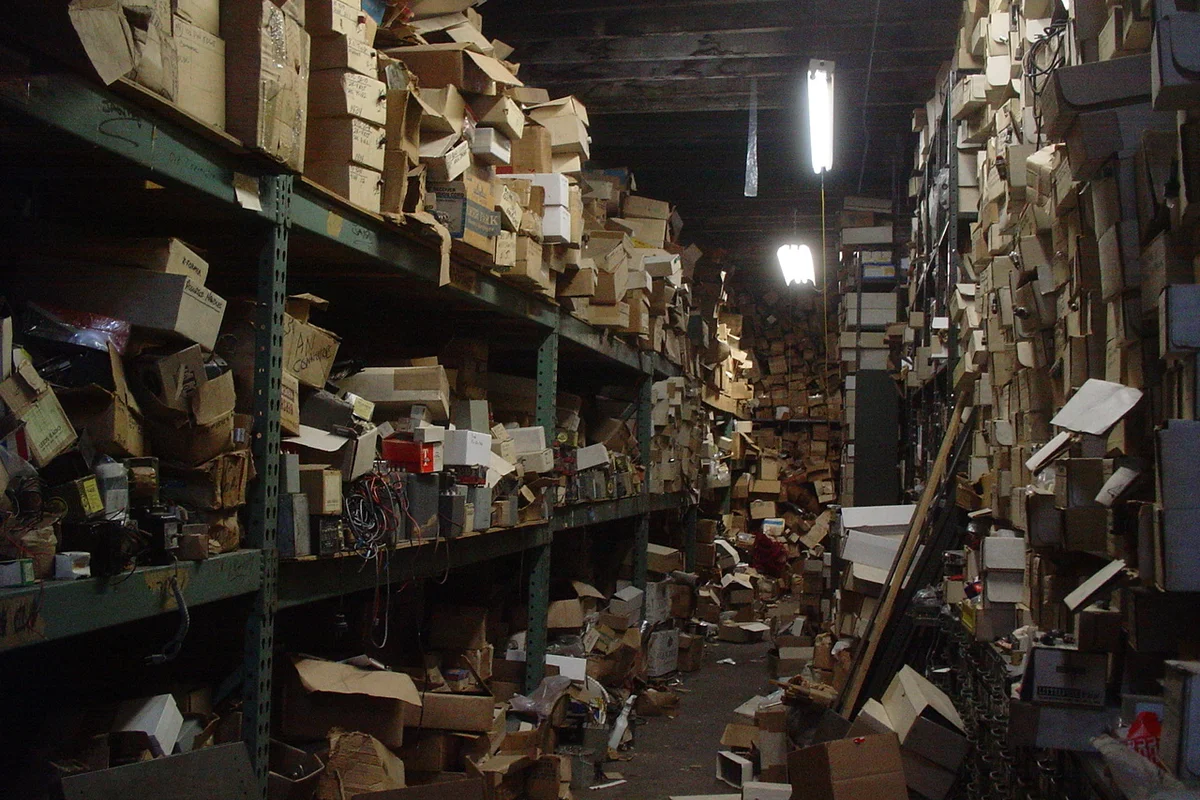
Assess cupboards and drawers individually, rather than quoting from the worktop alone. Kitchen contents are often dense and nested: a row of bowls can conceal several smaller bowls, and one roasting tray may sit above several heavy pans. Show what is leaving with doors and drawers open, while keeping personal documents out of the shared photographs.
- Check deep corner cupboards and the space behind infrequently used serving dishes.
- Separate duplicate pans, lids and containers from the sets you intend to keep.
- Look inside loose storage baskets and freestanding trolleys rather than counting only the furniture.
- Identify countertop appliances and their matching trays, bowls or detachable parts.
- Record unopened or inaccessible storage as unchecked instead of assuming it is empty.
Empty one manageable section at a time. Spreading every cupboard’s contents across the floor removes the working space needed to sort and pack the next section. Use a clear table or counter and finish that group before opening another, keeping the exit route free.
Keep a small working set if you still live there
An occupied kitchen needs a retained set that covers the days before and after collection. Choose the dishes, utensils and equipment you will continue using, and put them in one cupboard outside the removal scope. A room can lose a large amount of surplus without losing the ability to make a meal.
Keep that set small enough to recognise but complete enough to use. Include the lids and detachable parts that go with retained items, not just the main objects. The wider partial house clearance guide covers keeping the rest of an occupied home working; in the kitchen, the practical boundary is between the next meal and the collection load.
Pack by weight and fragility, not carton size
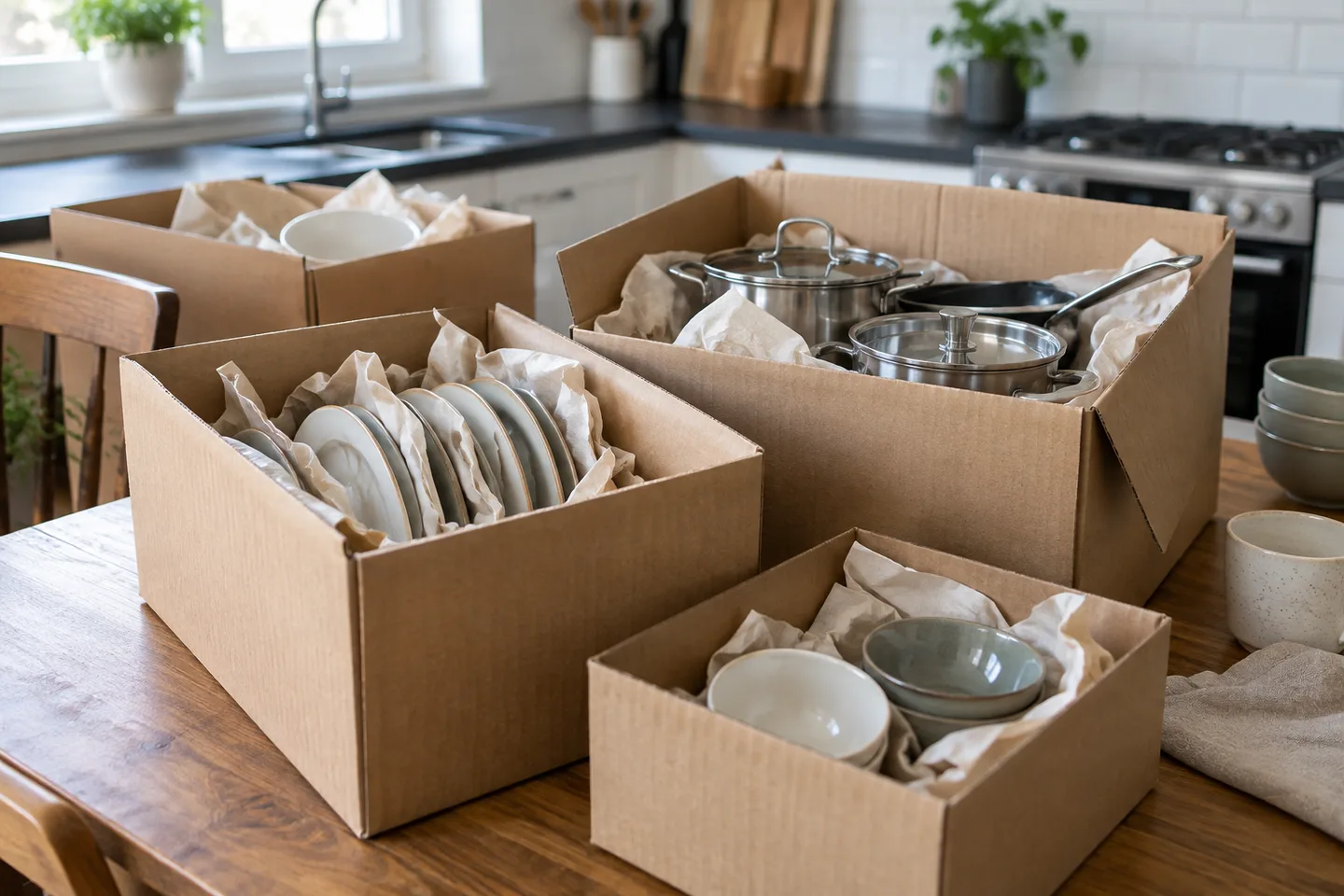
Use several manageable cartons for dense kitchenware instead of one large box filled with plates and pans. The outer box size gives little indication of the weight inside. Tell the collector whether packing is already done or is part of the requested service, and flag especially heavy or fragile groups before anyone lifts them.
Cushion intact crockery and keep it separate from heavy pots that could damage it during handling. Do not hide sharp or broken items among ordinary dishes. Identify those items to the collector and agree suitable packaging and acceptance before putting them into a general load; an unmarked bag should never be the crew’s first warning.
Keep reusable items together with their working parts, such as a food processor with its bowl and lid. Do not describe a device as working unless its condition is known. Separating complete items from damaged ones makes the handover clearer, but collection alone does not guarantee a particular reuse or recycling destination.
Keep food and liquids out of the kitchenware load
Food, liquids and household chemicals need their own arrangements rather than being hidden inside a cupboard-clearance carton. Identify them separately and ask what the collector accepts. Avoid mixing unknown containers into a bulky household load simply because everything came from the same room.
Deal with ordinary food waste through the property’s appropriate waste arrangements close to the clear-out, so filled bags are not waiting beside reusable dishes. Leave unfamiliar products in their original containers for identification and obtain suitable disposal guidance where needed. This article does not prescribe a disposal method for chemicals, cylinders or other specialist items.
List small electrical appliances as equipment rather than burying them under crockery. State whether each is included and whether its condition is known. If a large fridge or cooker is also leaving, make that a separate line in the scope with its preparation confirmed; a loose-contents collection does not automatically include it.
Show the packed load and the route out
Once the sorting is clear, send the collector both the remaining loose items and the packed groups. Say how many cupboards still need attention, rather than sending a photograph of the first few completed boxes as if it were the full job. Explain whether small storage furniture is leaving too and whether the room must remain usable during the visit.
For an Al Barsha apartment, confirm the building’s collection route and any lift arrangements for the actual load. A contents-only job can still involve many carries, even without a sofa or bed. Keep cartons inside the agreed private working space until collection rather than assuming the shared corridor is available for storage.
Finish with a cupboard and drawer check against the retained group, then record any agreed item not collected. Wiping shelves and arranging the remaining kitchenware are separate finishing tasks unless included in the brief. A well-scoped kitchen clearance removes the surplus while leaving the fitted room and the equipment you need accounted for.