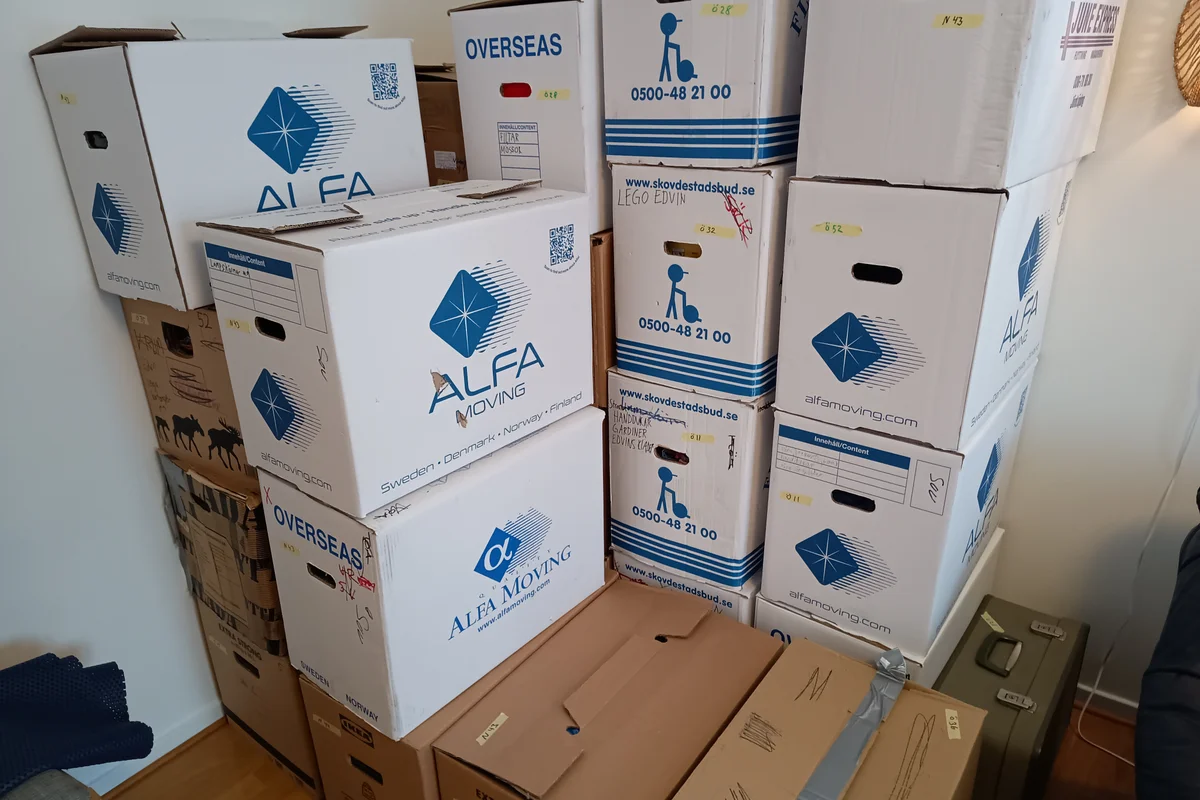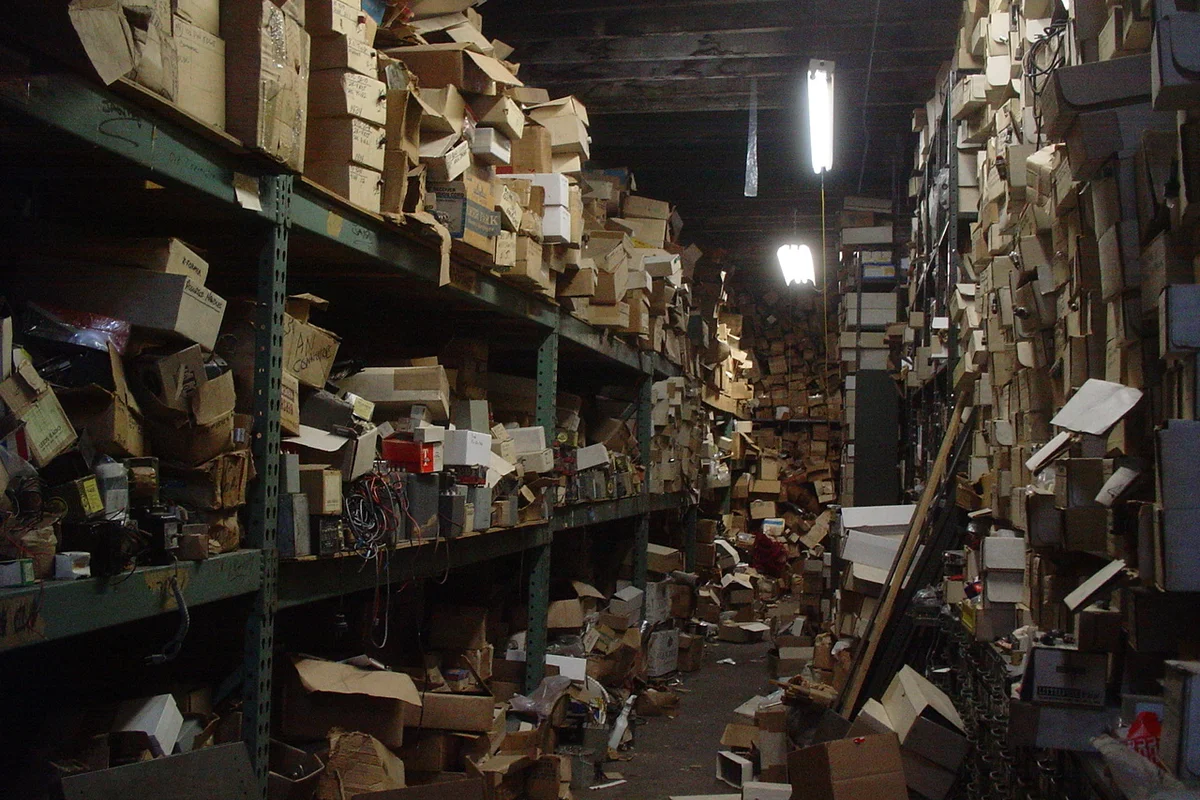
Property clearance is frequently perceived as an all-or-nothing endeavor associated with moving out, tenancy termination, or estate liquidation. However, for many established Dubai households, long-term tenancy or homeownership inevitably leads to pockets of extreme spatial congestion while the family continues living comfortably in the primary rooms. Dedicated storage areas, auxiliary bedrooms, garages, and balconies gradually become choked with obsolete electronics, broken exercise equipment, empty suitcases, outgrown children's toys, and leftover renovation supplies. In these scenarios, moving out is completely unnecessary. A partial house clearance selectively targets congested domestic zones, extracting unwanted items while preserving the tranquility and routine of the active household.
Understanding the operational nuances of an occupied, zoned clearance allows homeowners and tenants to reclaim valuable square footage across their property without turning their home into an unmanageable construction zone.
Common Accumulation Hotspots in Dubai Residences
Residential properties across Dubai feature distinctive architectural layouts that lend themselves to specific accumulation patterns. Identifying these hotspots helps homeowners define the precise scope of a partial clearance.
- Under-stair storerooms and utility cupboards: In townhouse and villa communities such as Arabian Ranches, The Springs, and Damac Hills, under-stair storage spaces commonly become deep, dark repositories for empty appliance cartons, seasonal holiday decor, broken vacuum cleaners, and discarded sports equipment.
- Unoccupied maid rooms and laundry annexes: In households where domestic staff do not reside on site, the maid's room almost invariably transforms into a catch-all dumping ground for spare mattresses, broken drying racks, unwanted luggage, and duplicate household goods.
- Villa double garages and external carports: Built to shelter two vehicles from Dubai's harsh sun, villa garages frequently accumulate disused bicycles, flat-packed gym machines, camping equipment, garden tools, and stacked plastic storage totes, eventually forcing family cars onto the driveway or street.
- Glazed balconies and open terraces: High-rise apartment balconies in Dubai Marina or JLT frequently collect weathered outdoor chairs, rusted clothes airers, dusty planters, and cardboard delivery boxes that cannot be kept indoors due to lack of space.
- Guest bedroom wardrobes and box rooms: Spare bedrooms designated for visiting relatives often end up housing redundant bedding, obsolete desktop computers, outdated electronics, and suitcases filled with outgrown clothing.
Preserving Household Continuity During Occupied Clearances
The fundamental operational challenge of a partial clearance—as opposed to an empty property cleanout—is that the home remains fully occupied. Family members may be working remotely, children may be studying, and domestic staff are managing daily chores. Professional clearance teams employ strict containment and protection protocols to minimize disruption.
- Zone isolation and dust containment: Clearance personnel keep the doors of the target room closed whenever possible during dismantling and packing. When working in storerooms with accumulated desert dust, workers use portable air purifiers or damp dust sheets to prevent dust clouds from drifting into adjacent living areas.
- Floor runner and threshold protection: High-traffic pathways between the clearance room and the main entrance are shielded with heavy-duty neoprene floor runners, corrugated plastic sheets, or padded drop cloths. This protects polished marble, delicate parquet, or grouted porcelain tile from dirt and heavy trolley wheels.
- Wall corner and doorframe guards: Transporting bulky items down narrow corridors risks chipping wall corners and scratching wooden doorframes. Professional crews wrap corners in temporary foam protectors and use padded blankets on furniture pieces before carrying them through doorways.
- Noise and power tool management: When furniture must be deconstructed for removal, teams utilize cordless impact drivers fitted with magnetic bit holders to disassemble fasteners quietly and quickly, avoiding sledgehammers or noisy power saws.
- Pet and child safety protocols: With exterior doors held open during loading and heavy items in motion, clearance supervisors maintain a clear perimeter to prevent pets or young children from wandering into transit pathways.
The Staging and Tagging System: Preventing Accidental Removals
In an active home containing both treasured family possessions and items destined for scrap, the risk of a crew member accidentally carrying away an item you intended to keep is a serious concern. Establishing a foolproof tagging system eliminates any chance of human error.
- Positive identification tagging: Adopt the rule that crews touch ONLY items that carry a bright, physical sticker (such as neon orange or pink adhesive labels). Any box, furniture piece, or appliance lacking a sticker is strictly off-limits.
- Centralized staging buffer: Whenever room geometry allows, stack all designated clearance items in the center of the room, completely separated from walls, built-in wardrobes, or items you wish to retain.
- Pre-work supervisor walkthrough: Before a single dolly is wheeled into the property, the homeowner and the clearance team lead conduct a joint walkthrough of the room. Every tagged item is verified against the initial booking description, and any ambiguities are resolved immediately.
- Drawer and pocket inspection: Homeowners must conduct a personal search of all desk drawers, wardrobe shelves, and storage box pockets prior to the crew's arrival. Important documents (passports, Emirates IDs, title deeds, birth certificates), spare vehicle keys, and jewelry must be secured in a locked room.
Tenant Versus Landlord Demarcation in Rented Properties
Many Dubai tenants undertake partial clearances to eliminate clutter left behind by previous occupants or to remove bulky furniture they personally introduced, while taking care not to disturb landlord-owned assets.
- Fixed architectural fittings: Built-in wardrobes, custom pantry shelving, kitchen cabinets, ceiling lighting fixtures, and bathroom mirrors are landlord property. Clear instructions must be given to ensure crews do not deconstruct fixed joinery.
- Landlord-supplied white goods: If your rental agreement includes a refrigerator, cooker, or washing machine provided by the owner, these appliances must be clearly marked to prevent accidental removal, even if they are temporarily broken and awaiting maintenance.
- Clearing previous tenant left-behinds: If your storeroom or garage was handed over with accumulated rubbish from previous tenants, photograph the items and obtain written confirmation from your landlord or leasing agent prior to booking the clearance. This prevents future disputes regarding who authorized the disposal.
Restricted and Hazardous Materials in Home Storerooms
Domestic storerooms, laundry cupboards, and villa garages frequently house substances and materials that require specialized depollution protocols under Dubai Municipality environmental guidelines. These items cannot simply be tossed into standard commercial skips.
- Paints, varnishes, and chemical thinners: Leftover tins of wall paint, gloss enamels, and turpentine from prior home redecorating contain volatile organic compounds (VOCs). They must be handled by certified chemical waste processors.
- Automotive fluids and lead-acid batteries: Discarded car batteries, engine oil jugs, and brake fluid bottles must be routed to specialized hazardous recovery centers to prevent environmental soil contamination.
- Lithium-ion batteries and obsolete electronics: Power tools, old laptop batteries, and wireless vacuum battery packs pose extreme thermal runaway fire hazards if crushed in general waste trucks. Clearance crews must isolate e-waste in fire-resistant containers.
- Pressurized aerosol cans and gas cylinders: Barbecue gas bottles, expanding foam cans, and heavy-duty insect sprays require depressurization and safe recycling at dedicated facilities.
Balcony Clearances and Sandstorm Accumulation
Dubai's climate imposes specific wear patterns on residential balconies. Exposed to frequent sandstorms, high humidity, and intense ultraviolet radiation, exterior balconies quickly accumulate deteriorated materials that require systematic removal.
- UV-degraded synthetic wicker and plastic: Resin and synthetic wicker furniture breaks down under prolonged solar exposure, becoming brittle and shedding sharp plastic shards across balcony tiles.
- Rusted metal drying racks: Airborne coastal salinity causes ungalvanized metal clothes airers to corrode rapidly, leaving reddish rust stains that bond permanently to exterior floor tiles if left unaddressed.
- Dead plant planters and compacted soil: Large ceramic and concrete planters with dried roots become extremely heavy and pose lifting risks. Clearance teams carry specialized dollies to roll heavy pots through balcony thresholds without chipping tiles.
- Building facade regulations: Dubai building management committees prohibit hanging washing or storing unsightly clutter on balconies visible from the street. Regular balcony clearouts keep units compliant with community aesthetic guidelines.
Communal Elevator and Corridor Protocols in Occupied Towers
Conducting a partial clearance in an occupied apartment building introduces social and logistical considerations that do not apply to detached villas. Neighbor relations and building security compliance depend on disciplined transit management.
- Dedicated service lift allocations: Even when removing only a dozen boxes and a broken sofa, commercial clearance crews must never use passenger elevators. Book the building service lift for a short one- to two-hour window through your building concierge.
- Corridor carpet and wall protection: Communal hallway carpets are prone to staining if workers carry dusty storeroom bins or wet outdoor pots. Professional teams roll out temporary carpet shields along the shared corridor from your apartment door directly to the service lift entrance.
- Zero corridor staging: In high-density towers, safety regulations prohibit staging items in shared hallways. Every item removed from the room must be loaded directly onto rolling dollies and transferred straight into the service elevator without resting in public corridors.
- Immediate elevator lobby check: After the final load is transferred to the basement loading bay, workers inspect the service lift cab and residential floor lobby, clearing any dropped packing material or dust.
Community Access and Neighbor Etiquette in Dubai
Conducting a clearance in an occupied residential building or gated villa community requires adherence to community guidelines and mutual consideration for neighbors.
- Vehicle access passes: In gated communities like The Meadows, Arabian Ranches, or Dubai Hills, submit a visitor or contractor vehicle entry pass via the community app at least 24 hours prior to clearance day.
- Loading bay and visitor parking rules: Commercial clearance trucks cannot block resident parking slots or occupy visitor bays for long stretches. Coordinate with building security to park in designated loading docks or service bays.
- Considerate operational hours: To avoid disturbing neighbors who may be resting or working remotely, schedule partial clearances between 9:00 AM and 2:00 PM on weekdays. Avoid weekend mornings and public holidays.
Post-Clearance Sanitization and Space Reclamation
Once the physical clutter has been extracted from the target room, restoring the area to active, hygienic domestic use requires a targeted sanitization process.
- Deep vacuuming of hidden corners: Storerooms and garages accumulate thick layers of fine desert sand and insect particulate behind stored boxes. Use HEPA-filtered vacuum systems to clean baseboards and corners thoroughly.
- Pest prevention inspection: Clear spaces provide an unobstructed view of skirting boards and floor edges. Inspect for signs of pests, silverfish, or moisture intrusion before reinstalling shelving or storage units.
- Modular shelving installation: Reclaiming a cleared space is best consolidated by installing raised, open-wire steel shelving units. Keeping items elevated off the floor protects against accidental plumbing leaks and allows air circulation.