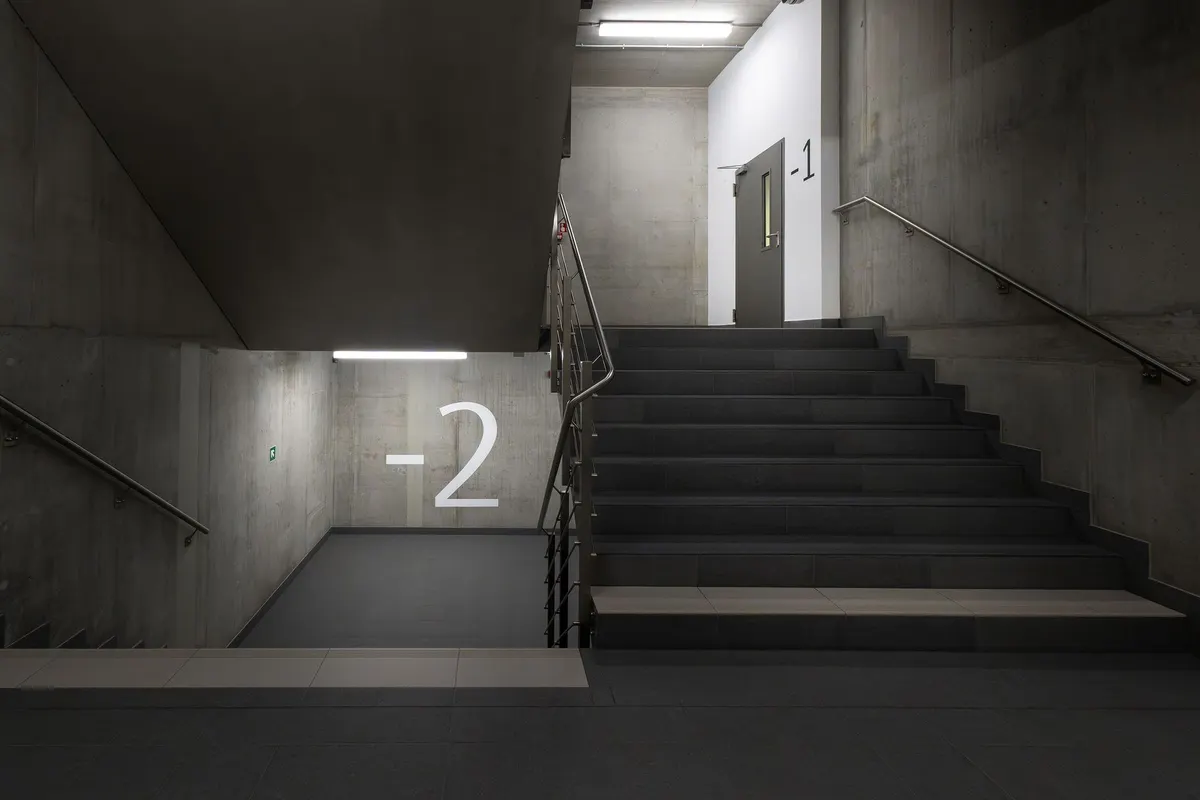
A basement clear-out is decided by one thing more than any other: everything in the room has to travel upwards to leave it. There is no driveway to open onto and no window to pass anything through. This guide covers what a basement clearance in Dubai actually involves — which spaces the word covers here, what the route out does to the length of the job, and how to get the level emptied in a single visit.
What a basement usually means in Dubai
Most homes in Dubai are built without a basement, so the word covers a narrower set of spaces here than it does in Europe or North America. Three of them come up repeatedly.
- A lower-ground level in a larger villa, built as a storeroom, a gym, a plant room or staff accommodation.
- A storage room allocated to an apartment, sitting on one of the building's basement parking levels rather than inside the flat.
- A below-ground service level in a smaller residential building, shared between units and holding whatever nobody wanted upstairs.
The practical difference between them is who controls the door. A villa lower ground is yours to open; a store on a parking level sits inside space the building manages, so the crew has to be let in and told where the vehicle can stand.
Everything has to come up
This is the fact that shapes the whole job. A basement has no vehicle access to its door, so every item is carried or wheeled up at least one flight before it reaches anything with wheels. The route matters more than the volume.
- Many villa lower grounds are reached by one internal staircase, usually with a turn at the landing that sets the largest thing able to come up in one piece.
- Where a lift serves the level at all, it tends to stop at the parking floor rather than at the store, leaving a stretch of car park to cross.
- Car park entrances are commonly fitted with a height barrier, which decides the size of vehicle that gets underneath — a smaller van in, or a longer carry out to street level.
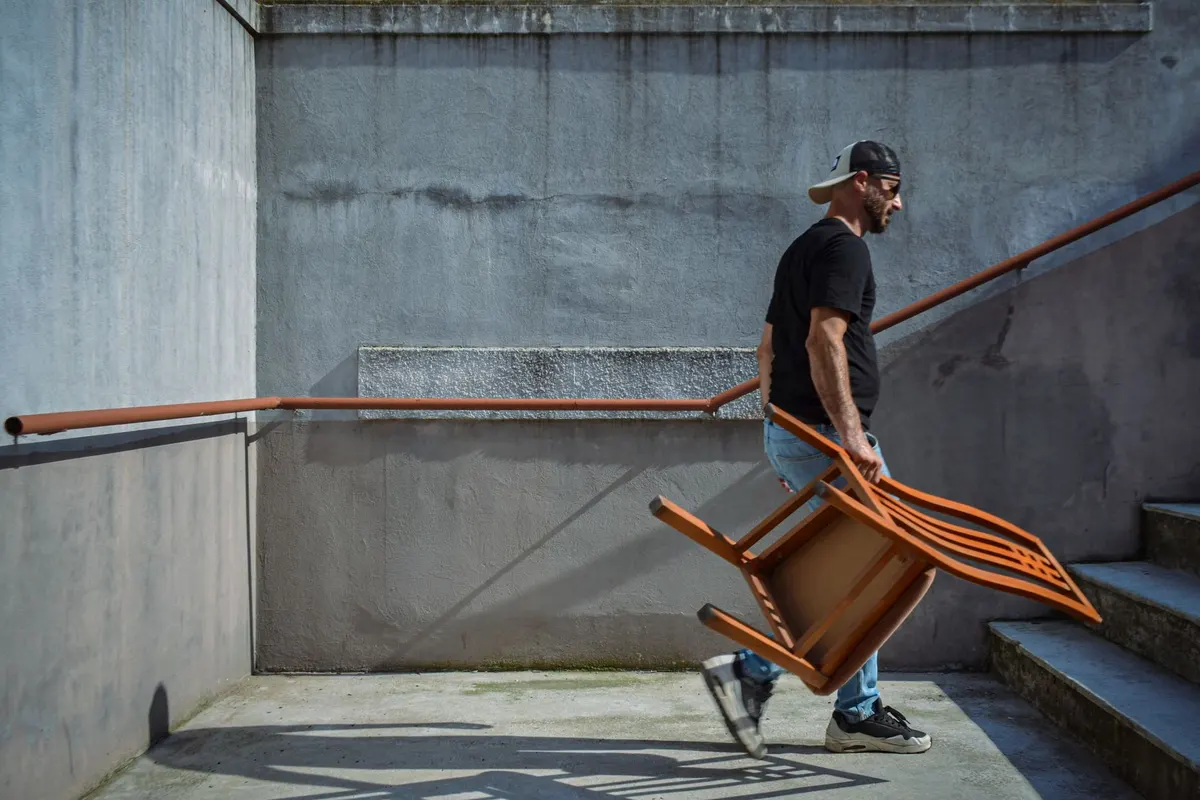
- Weight is lifted against gravity rather than lowered with it, so a wardrobe or a treadmill needs more hands going up than it did coming down.
The last point is the one worth planning around. The question to answer before booking is not how much is down there. It is how many turns, steps and doorways sit between the far corner of the room and the back of the vehicle.
No daylight, and very little moving air
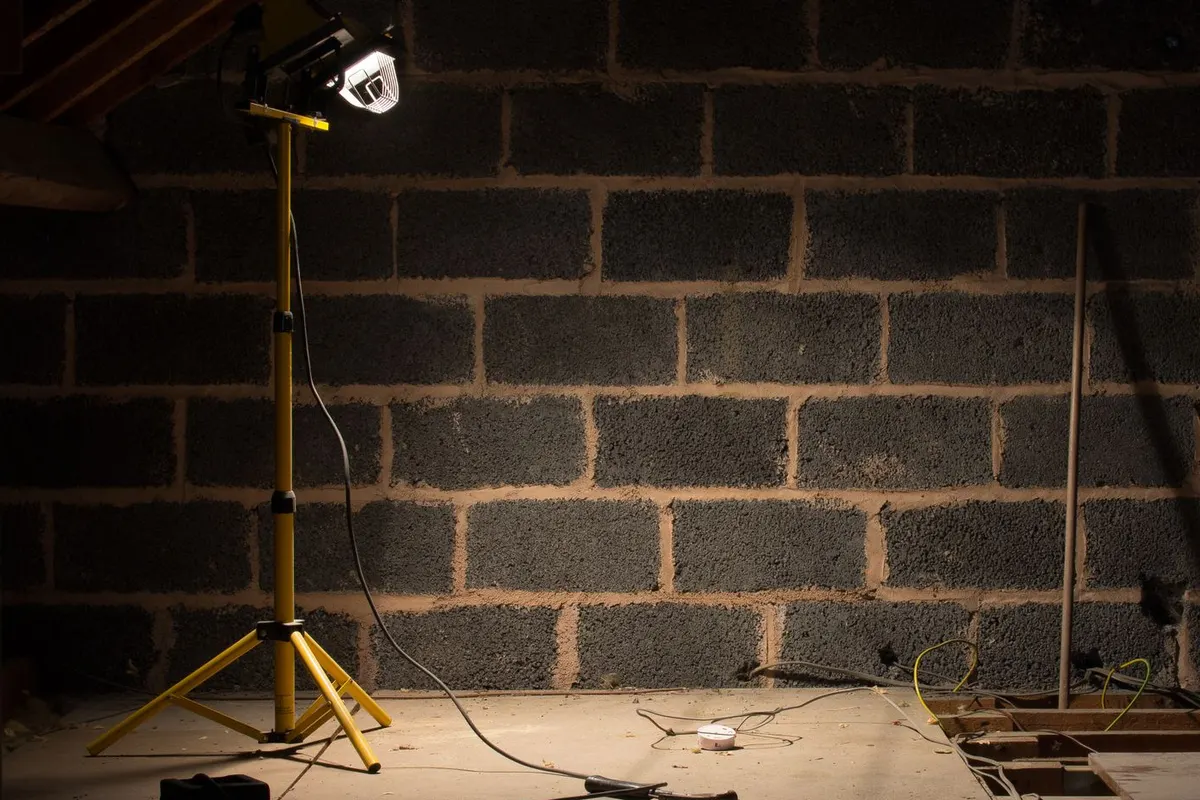
A below-ground room has no natural light and, in most cases, no real ventilation. It is usually cooler than the rest of the property, which is part of why things end up there, but the air sits still and holds moisture. That combination is what quietly ruins stored belongings.
The consequences show up before the job starts. One ceiling fitting is rarely enough to judge the condition of anything, so photographs taken for a quote come out dark and unhelpful unless you use a flash. Phone signal is often poor below ground too, so agree arrival details before anyone goes down rather than expecting to coordinate from inside.
- Bring a portable lamp or work light instead of relying on the fitting that is there.
- Prop the door at the top of the stairs open to get some air moving through.
- Photograph everything with a flash when you request the quote, not on the morning of the collection.
- Expect cardboard to have gone soft. A sealed box that has stood on a below-ground floor for a year often will not survive being picked up by its base.
What tends to be down there
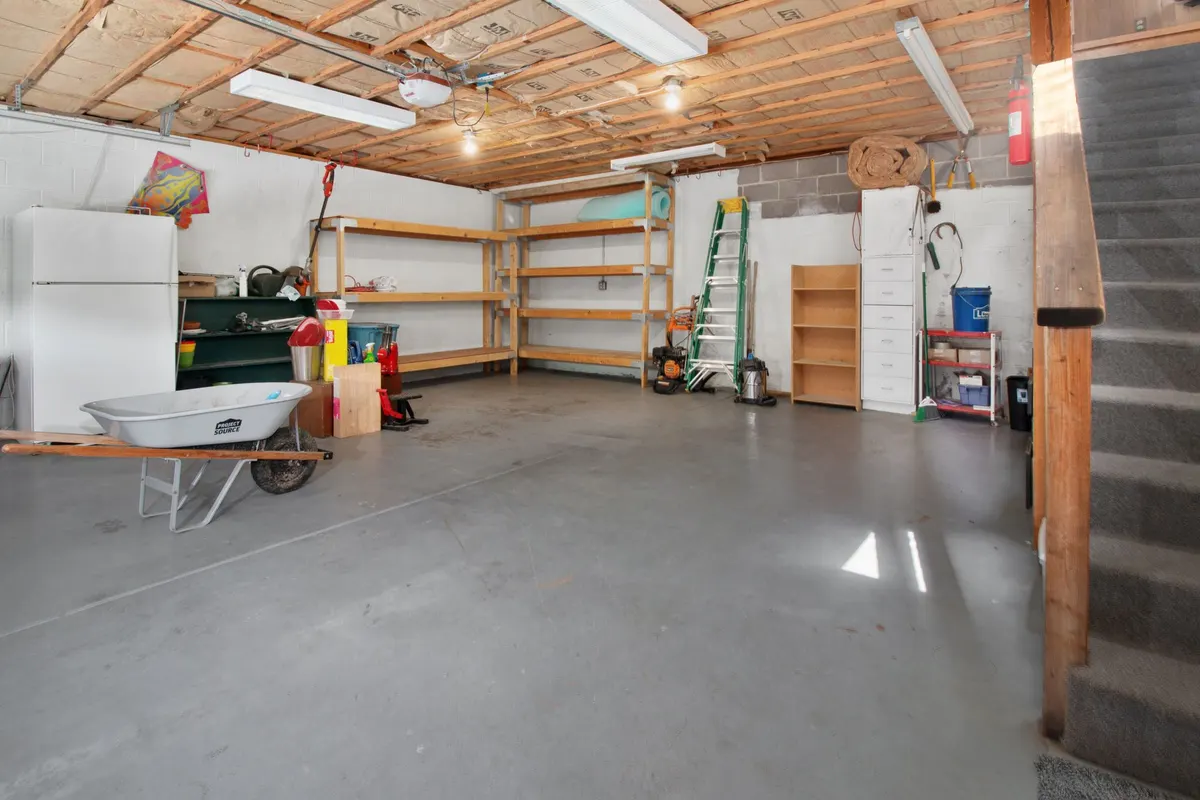
Basement contents follow the logic of the space — heavy, bulky and out of mind.
- Furniture from a previous home, too good to throw away and too big for the rooms upstairs.
- Exercise equipment: a treadmill, a weight bench, an exercise bike nobody has sat on in two years.
- Suitcases, travel cots and the original boxes for appliances, kept in case of a move.
- Files, folders and old paperwork, which need a decision of their own before anything is loaded.
- Spare white goods, and often the air-conditioning unit that was replaced rather than removed.
- Paint, tiles and offcuts left behind by whoever carried out the last fit-out.
Two of those are worth flagging at booking rather than on the day: leftover paint and solvents, and anything holding refrigerant or a battery. They follow their own disposal routes instead of riding in a mixed household load, and that is far easier to arrange in advance than in a stairwell.
How a basement clearance actually runs
Order matters more here than in a room at ground level, because a stairway can only be used in one direction at a time.
- Go down once on your own with a lamp and decide what is staying, then move it to one side of the room.
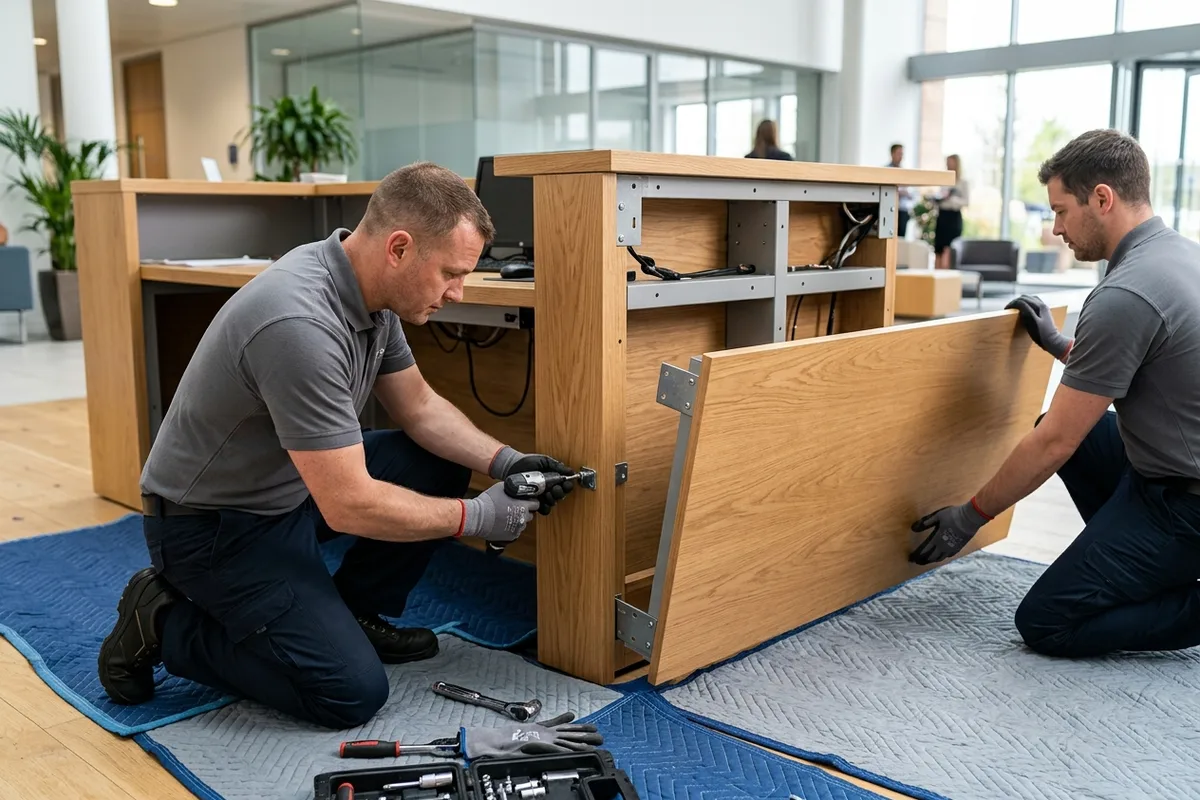
- Measure the tightest point on the route out — stair width, the turn at the landing, the doorway at the top. That measurement decides what has to be dismantled, not the item itself.
- Clear the stairway before anything else, so nothing is being stepped over while people are carrying.
- Work in relays: from the room to the foot of the stairs, up to ground level, then straight onto the vehicle.
- Load as you go rather than building a pile outside. A stack of furniture standing in a shared car park is in somebody's way within minutes.
- Sweep the room at the end, while it is empty and you can still see the floor.
What drives the cost of a basement clear-out
The same three things as any collection: how much space the load takes on the vehicle, what the items are, and how hard they are to reach. In a basement the third carries more weight than it does anywhere else in a property.
A modest room below ground can take longer than a much larger space at street level, because every piece goes up a flight before it goes anywhere at all — and that is time and hands rather than volume. So describe the route as carefully as the contents when you ask for a price: how many flights, whether a lift reaches the level, and where a vehicle is allowed to stand. A quote given without those details tends to change on the day.
Getting it done in one visit
One visit is realistic for most basements, and preparation decides it. Sort on an earlier trip so nothing is being debated at the foot of the stairs, take apart whatever the landing turn will not accept, and start early enough that the carrying is finished before everyone is tired — going up is the part of the job that slows down first. A level that took five years to fill comes out in a morning when the route is clear before the crew arrives.