Clearing a storage unit differs from clearing a room at home in one respect that shapes everything else: the space belongs to a facility with its own hours, its own access rules and other tenants using the same corridor and the same lift. The contents are usually the easy part. This guide covers how a rented unit gets emptied in Dubai — what the facility will want to know beforehand, what tends to be inside after a year or two, and how to hand the unit back so the rental genuinely ends.
When a storage unit is worth clearing
The moment to act on is when the monthly rent starts to outweigh what the contents are worth to you. It arrives quietly, because the payment is automatic and the unit is out of sight.
- A move where the overflow went into storage temporarily and stayed there.
- Leaving the UAE, where the unit has to be emptied before the rental can be closed.
- Downsizing from a villa to an apartment, where storage was the plan and the plan did not hold.
- A unit taken over from a relative or a departing flatmate, with contents nobody can identify.
- A small business unit holding old stock, files and display fittings that no longer earn their space.
In all of them the honest calculation is the same one: what would you pay today to own the contents, and how many months of rent have already gone past that figure?
The facility sets the rules, not you
This is the part that catches people out, because a storage unit feels like your own space and behaves like someone else's. Before a collection crew can work, the facility usually needs to know they are coming.
- Access hours — many facilities close well before the evening, and a clear-out that starts late gets cut short mid-job.
- Visitor registration for the crew, sometimes with identification held at reception.
- A goods lift or loading bay shared with every other tenant, which may need its own slot.
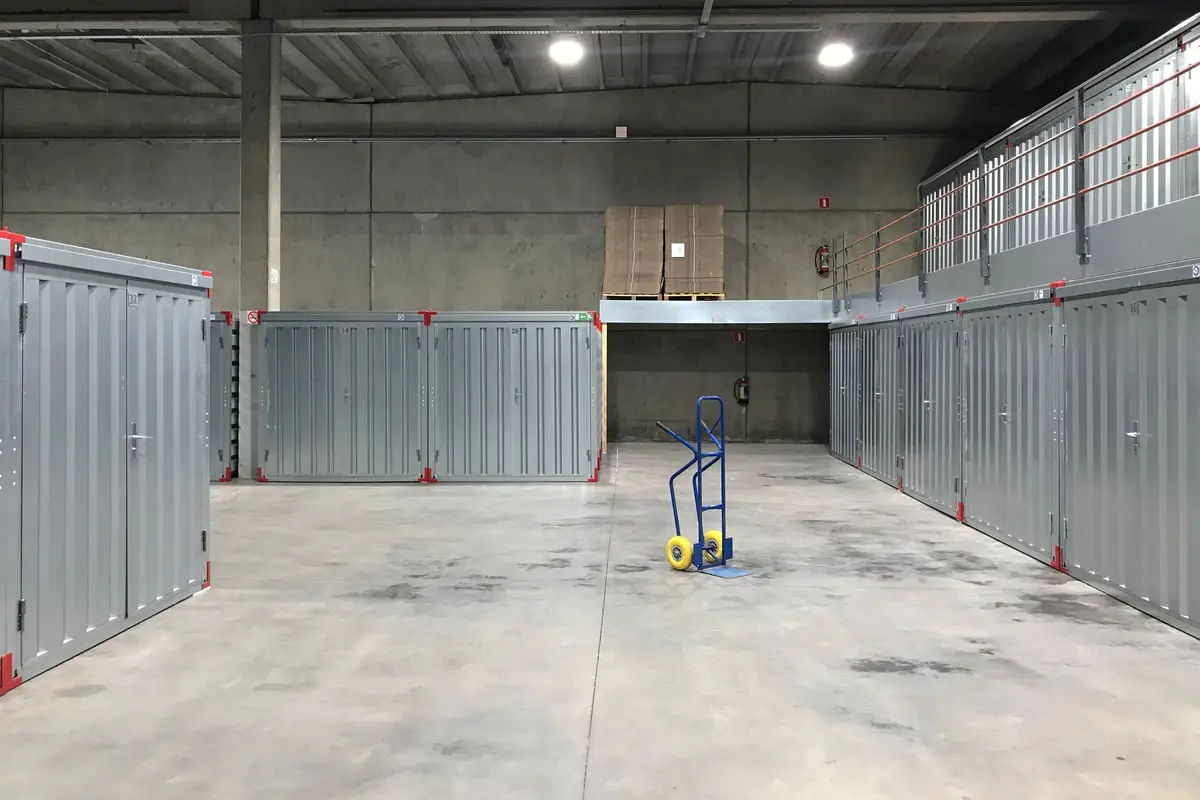
- Trolleys that belong to the facility and are shared, so there can be a wait at a busy hour.
- A rule against leaving anything in the corridor, even briefly while you sort.
- Vehicle access that stops at a bay rather than at your unit door, so everything is carried or wheeled the last stretch.
Call the facility before you book the collection rather than after. Two questions matter most: how late the crew can still be working, and where the vehicle is allowed to stand.
What is usually inside after a year or two
Storage contents follow a pattern, because a unit tends to receive whatever was too hard to decide about at the time.
- Boxes packed during a move and never opened since, often unlabelled.
- Furniture from a larger home — a dining set, a spare bed, a wardrobe that did not fit the next flat.
- Appliances kept as spares: a second fridge, a washing machine, a television replaced two years ago.
- Seasonal and sports equipment, from bikes and camping gear to suitcases and decorations.
- Documents and files, which need a decision of their own before anything is loaded.
- Mattresses, rugs and cushions, which often survive storage less well than their owners expect.
Open a few of the sealed boxes before the collection day. Two years of not needing something is strong evidence, but paperwork, chargers and small valuables have a habit of being packed in the same carton as things you would happily lose.

Sorting on site is harder than sorting at home
At home you can empty a room into a hallway and decide at your own pace. In a storage facility you cannot. The corridor is shared, the unit is full to the door, and there is nowhere to put a pile you are still thinking about.
The practical answer is to decide in advance. Go once on your own, open the boxes, photograph or mark what is staying, and physically move it to one side of the unit. When the crew arrives, everything on the other side goes, and nobody is standing in a corridor holding a carton waiting for an answer.
Handing the unit back properly
A unit is not closed simply because it is empty. Ending the rental cleanly takes a few extra steps, and each one is easy to skip on a day that already felt finished.
- Check the notice period in your rental agreement before you book the collection — many run to a full month.
- Empty the unit completely, including anything stored on top of the racking or behind the door.
- Sweep it out; facilities generally expect the unit back in the condition it was handed over.
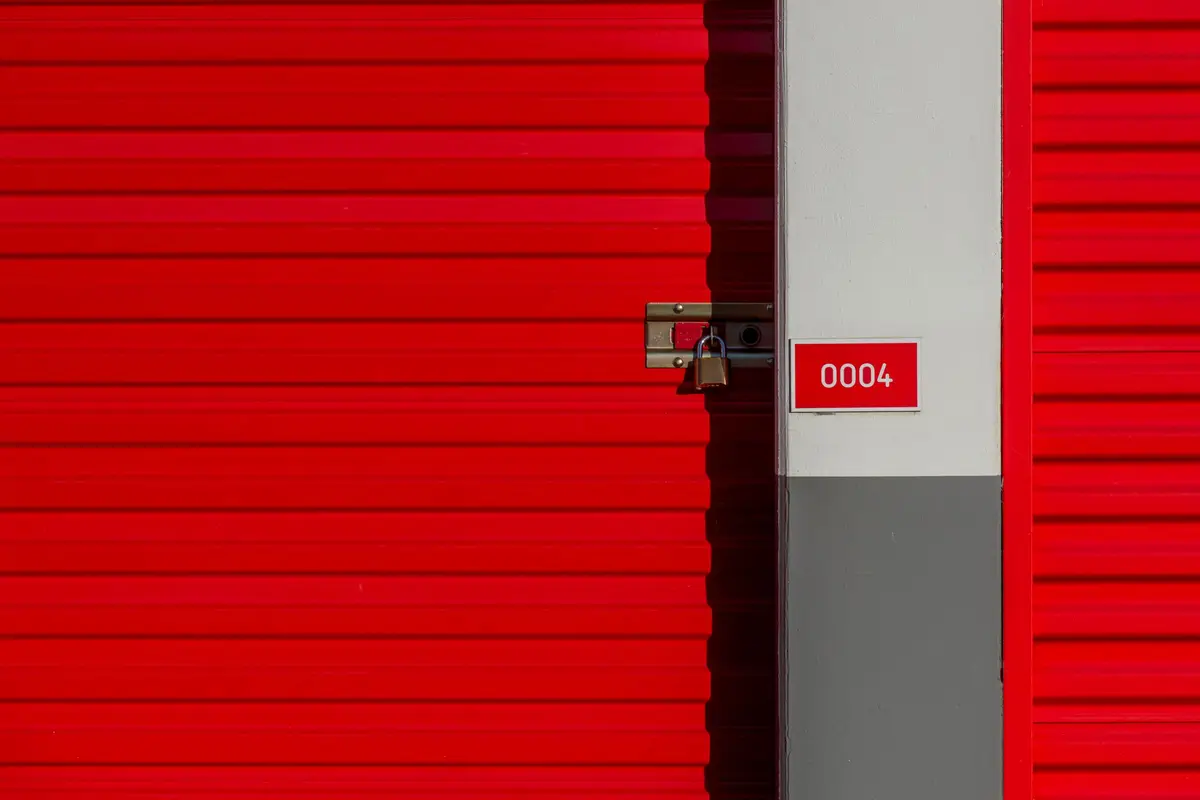
- Remove your own padlock and take it with you.
- Tell reception the unit is vacated, and get that acknowledged in writing.
- Cancel any standing payment yourself instead of assuming it stops on its own.
Resist the urge to leave usable items outside the unit for another tenant to take. It feels generous and lands as the facility's problem, and it is the quickest way to be charged for a clearance you thought you had already done.
What drives the cost of a storage clear-out
Three things, as with any collection: how much space the load takes on the vehicle, what the items are, and how far they travel between the unit door and the truck. The third is where a storage unit differs from a home.
A ground-floor unit near a loading bay clears quickly. An upper-floor unit at the end of a corridor, served by one shared goods lift, can take twice as long for exactly the same volume — and time is most of what a quote is made of. Say where the unit sits when you ask for a price, not just how big it is.
Clearing it in one visit
One visit is realistic for most units, and the difference between one and two is preparation rather than volume. Confirm the facility's hours and its crew registration, do your sorting on an earlier trip, keep the items you are keeping physically separated, and start early enough that a queue for the shared lift does not end the session. A unit that took three years to fill can be emptied, swept and handed back in a morning.