A garage clear-out is its own job, and a much easier one than clearing a room inside the house. Everything comes out onto a driveway, a vehicle can usually park a few metres from the pile, and nobody has to book a service lift or negotiate a corridor. The reason garages in Dubai stay full anyway has less to do with difficulty and more to do with heat. This guide covers what actually accumulates in one, what has to be routed separately, and how to get the whole space cleared in a single session rather than across six weekends.
Why a garage is the easiest space in the house to clear
Access is the thing that makes most clear-outs in Dubai slow, and a garage removes nearly all of it. There is no lift to reserve, no building management approval, no timing window imposed by anyone else, and no long carry from the door to the vehicle.
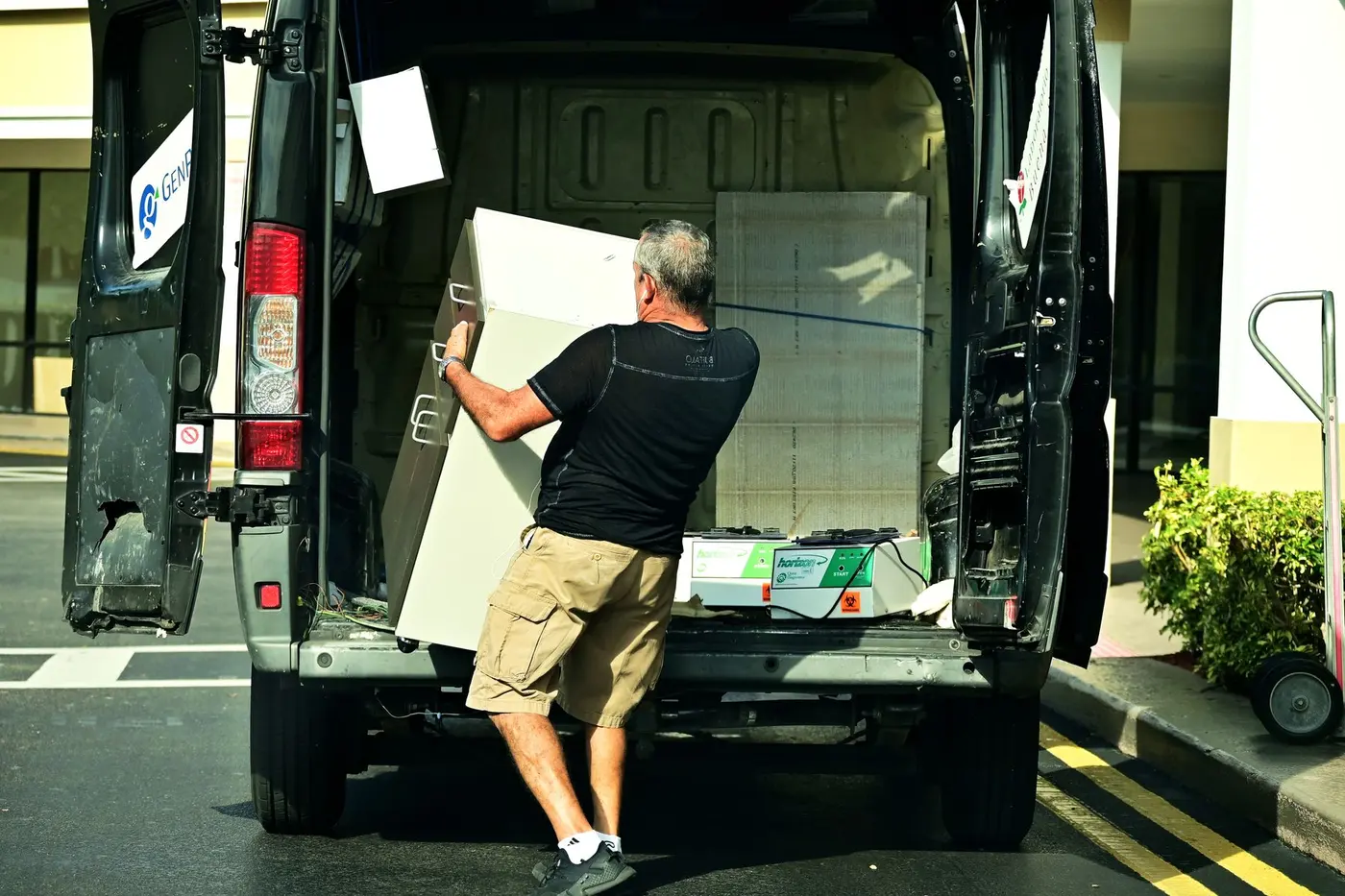
- A truck can reverse onto the driveway and load directly, with no carry through the house.
- Items go straight from the floor onto the vehicle, so nothing has to be wrapped to protect a hallway.
- Awkward shapes — a ladder, a bike frame, a folded sun lounger — stop being a problem once there are no doorways involved.
- In a gated community the only advance step is usually registering the vehicle at the gate.
That is worth knowing when you compare it with clearing a spare bedroom in a tower, where the same volume takes noticeably longer for reasons that have nothing to do with the items themselves.
What actually comes out of a Dubai garage
Garage contents here follow a fairly consistent pattern, because a garage ends up absorbing whatever has no home indoors.
- Tyres, roof boxes, car mats and the odd spare part left behind after a vehicle was sold.
- Paint, primer, thinner and engine oil left over from a fit-out or a service.
- Sports and outdoor gear — bikes, paddleboards, beach chairs, a barbecue that stopped lighting.
- Boxes that were never unpacked from a move two or three tenancies ago.
- Garden furniture that faded, cracked or rusted and was moved inside rather than dealt with.
- A spare fridge or freezer, and often a replaced air-conditioning unit stored 'temporarily'.
- Offcuts, tiles and packaging left by contractors after a renovation.

The heat is why the job never gets finished
Most garages in Dubai are uncooled, and for a good part of the year that makes the space genuinely unpleasant to work in by mid-morning. Two things follow from that, and both are worth planning around.
The first is that stored items degrade faster than people expect. Adhesives fail, foam and cushioning crumble, cardboard boxes soften, paint separates in the tin, and electronics stored for a season often don't come back on. A lot of what a garage clear-out removes was already beyond saving well before anyone opened the door to check.
The second is that the job gets postponed into stages and then abandoned halfway. Start early in the morning, plan one session rather than a series of weekends, and book the collection for the same day you sort — a driveway full of sorted piles is a strong reason to finish, and an unhelpful thing to leave standing overnight.
What can't go in a general load
A garage produces more of this category than any other space in a home, which is why it's worth separating before the crew arrives rather than while they wait.
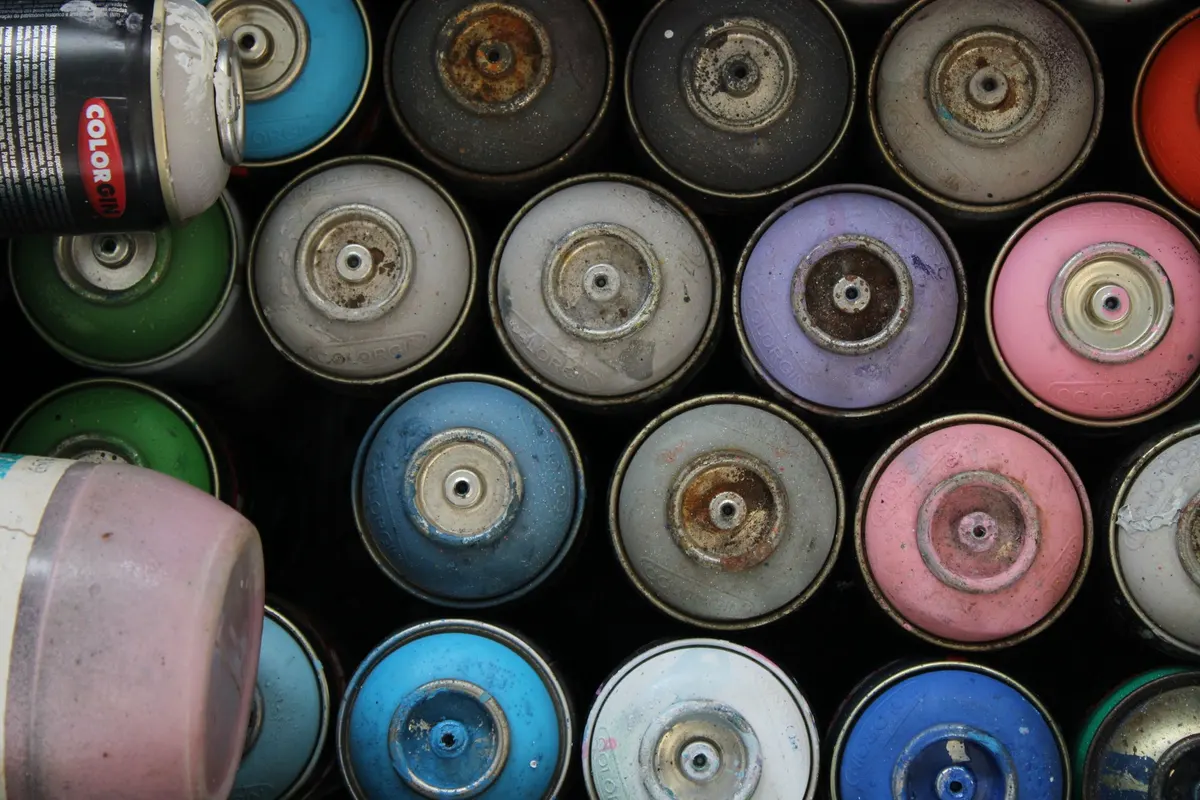
- Paint, thinners, adhesives and solvents, opened or sealed.
- Engine oil, brake fluid, coolant and the containers they came in.
- Car batteries, and power tools with batteries still fitted.
- Gas canisters, including barbecue cylinders and pressurised aerosols.
- Tyres, which are handled through their own route rather than tipped with household bulk.
- Fridges, freezers and air-conditioning units, because of the refrigerant they contain.
None of this stops the collection. It just needs flagging when you ask for the quote, so the right arrangements exist before a crew is standing on your driveway with half the load already on the truck.
How to clear a garage in one session
The method that works is emptying first and deciding second, because judging what to keep is far quicker when everything is visible.
- Empty the whole garage onto the driveway before you sort anything — half-sorting inside is what turns this into a three-weekend job.
- Make three zones: keeping, going, and needs separate disposal.
- Decide fast on the middle zone. If you haven't looked for it in two years and it isn't seasonal, it's going.
- Put the chemicals, tyres and any refrigerant appliance in their own zone, well away from the general pile.
- Photograph the sorted piles and send them for a quote, so the vehicle that turns up is the right size.
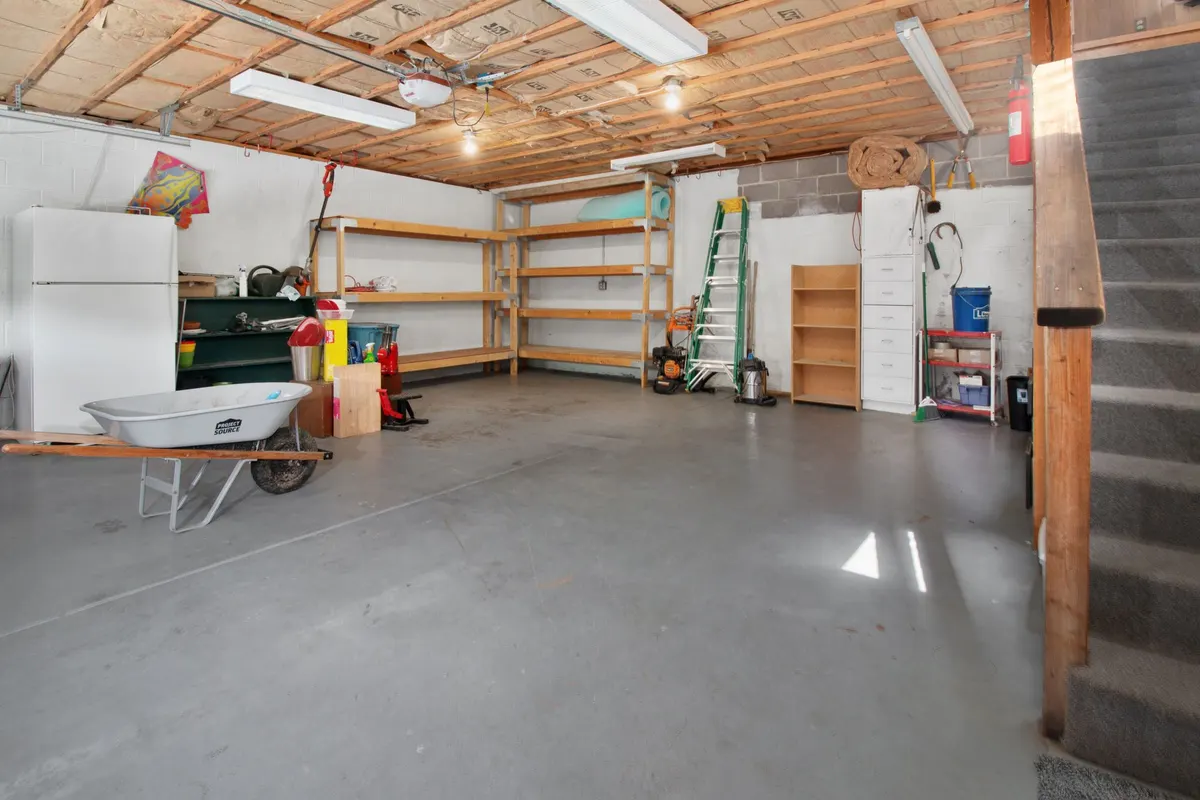
- Load the keeping pile back onto shelves rather than the floor, so the space stays clear afterwards.
How a garage collection is quoted
The same three things drive it as any other clear-out: how much space the load takes on the vehicle, what type of items are in it, and how hard they are to reach. A garage generally scores well on the third, and the driveway access usually works in your favour compared with the same volume coming out of an apartment.
What can push it the other way is content rather than quantity. A garage load carrying tyres, chemicals and an old air-conditioning unit involves more than one disposal route, and that is worth being upfront about when you send photos. A quote based on 'a garage' is a guess; a quote based on four photos of sorted piles is a number you can rely on.
Keeping it clear afterwards
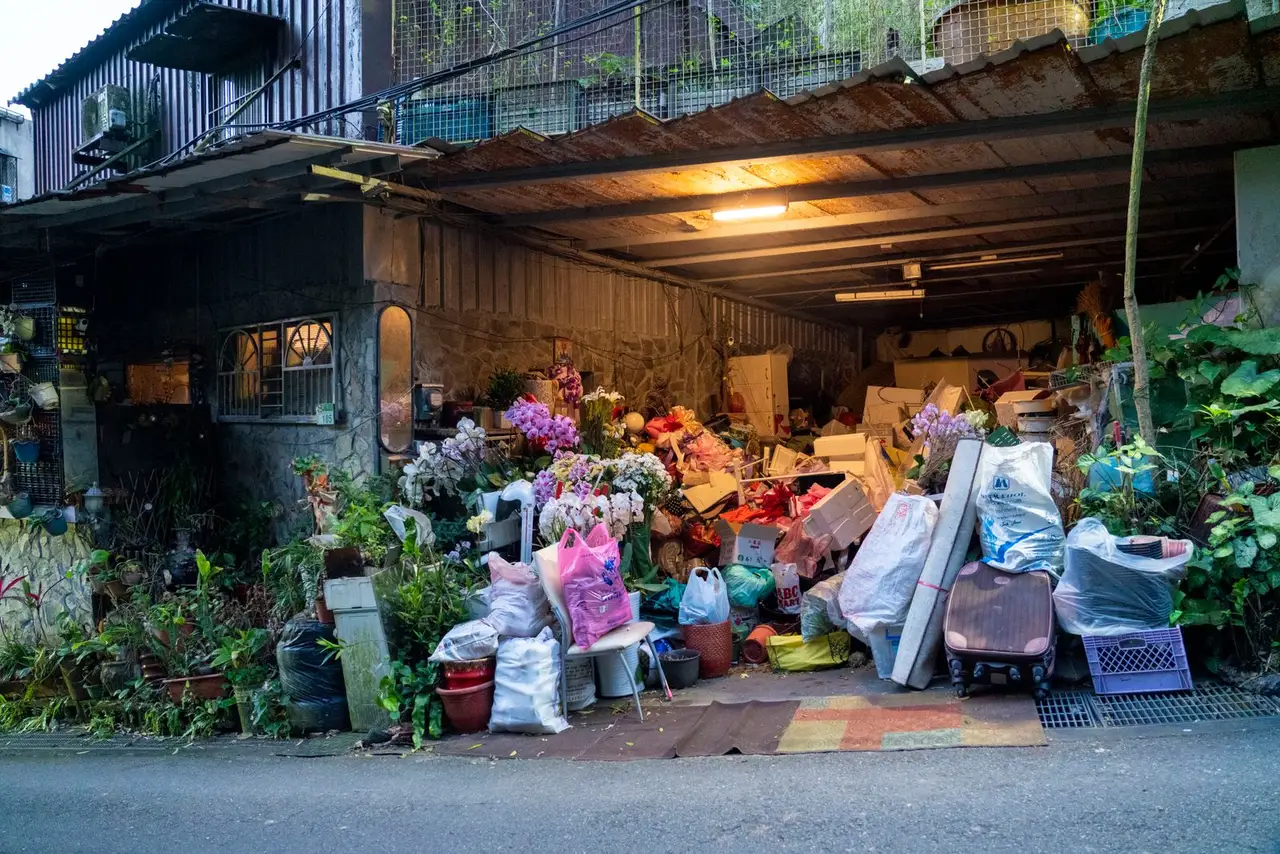
Garages refill because they are the only space in the house with no rules. Wall shelving and a floor kept deliberately empty does most of the work, and one habit does the rest: when a tyre, a paint tin or a broken appliance goes into the garage, decide there and then whether it is being used again or waiting for a collection. The pile that took a full session to clear was built entirely out of postponed decisions.
The short answer
A garage clear-out is a driveway job, which makes it faster and simpler than clearing anything inside the house. Empty it completely before deciding what stays, separate the tyres, chemicals and cooling appliances into their own pile, start early enough to beat the heat, and have the collection booked for the same day you sort. Done that way it is one session, not a project.