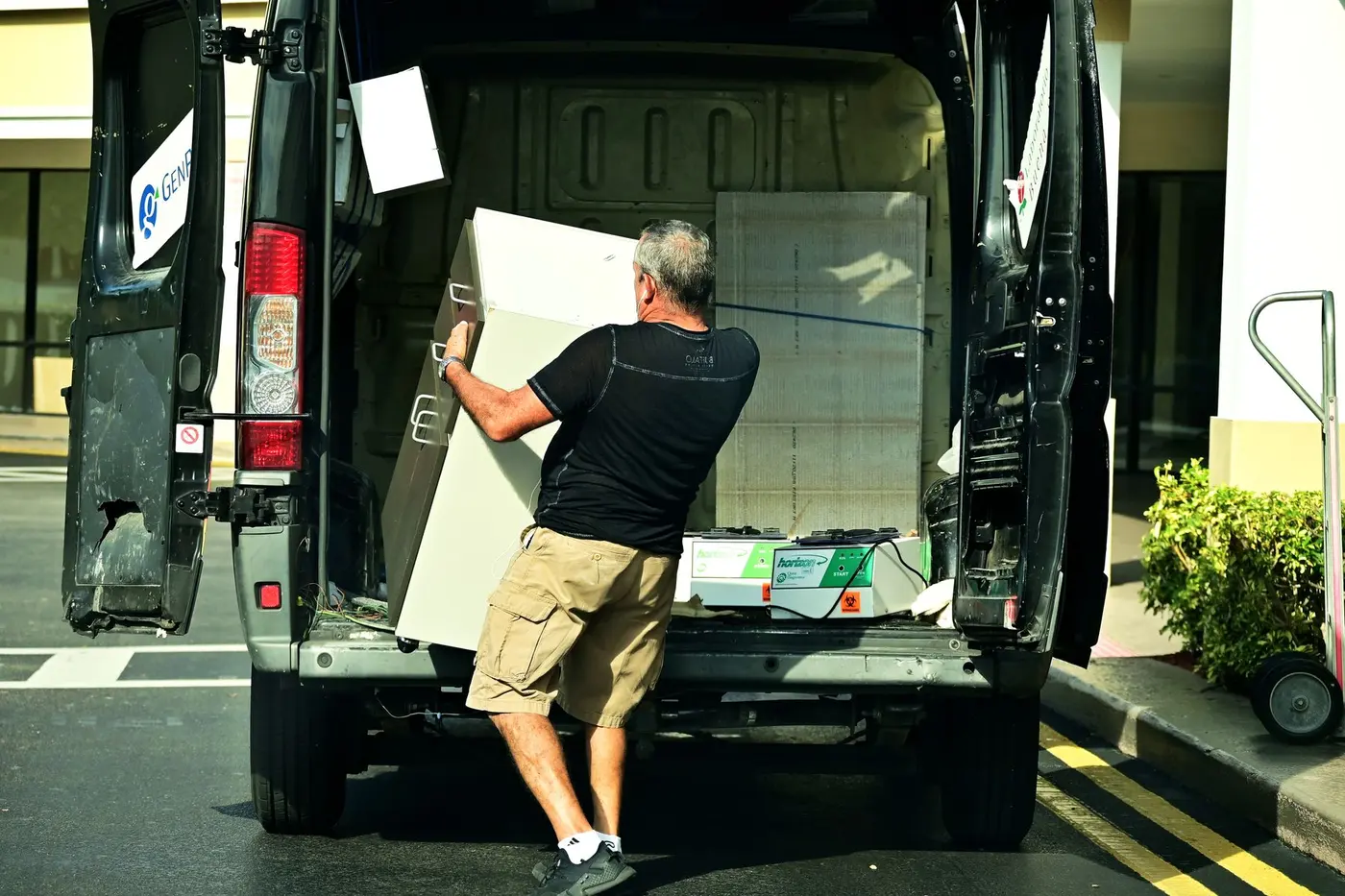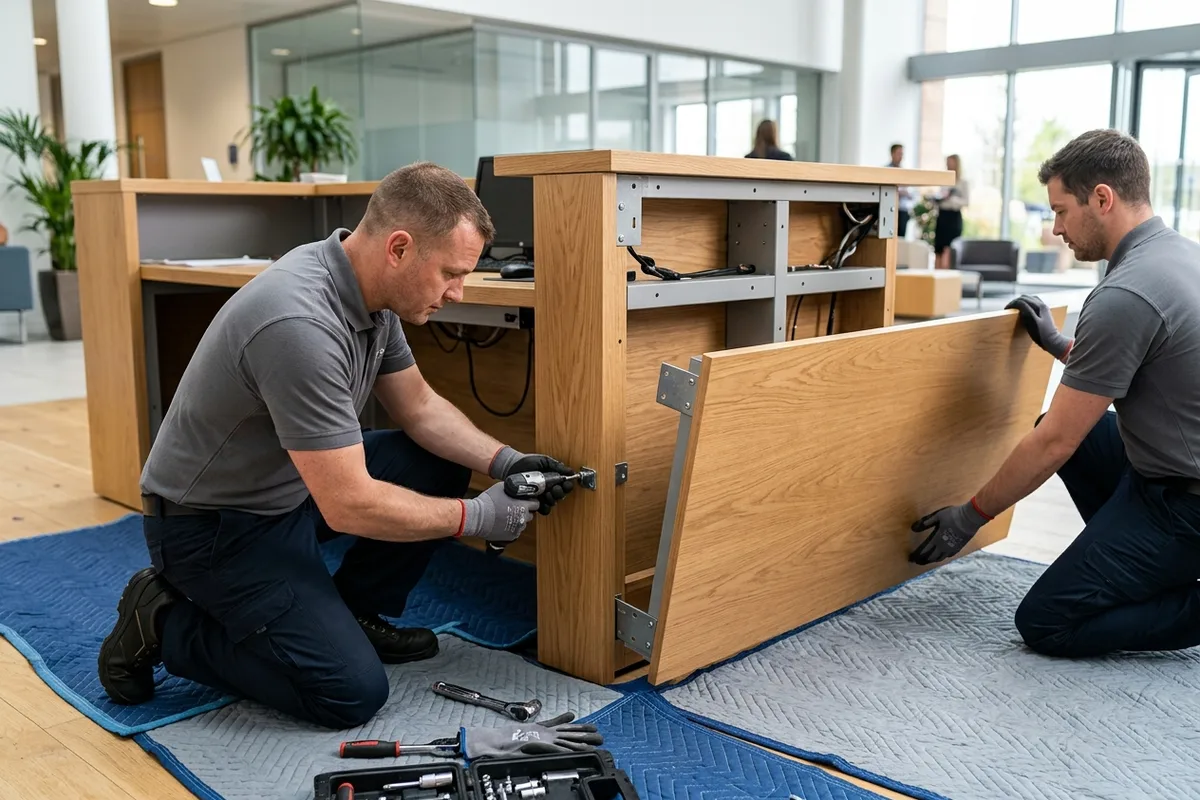
One old wardrobe. A mattress nobody sleeps on. A fridge that has been standing in the hallway since the new one arrived. A single item is an ordinary booking for a junk removal company in Dubai, not a favour you have to talk someone into — but it runs differently from a room or a whole-flat clear-out, and the difference is about handling and access rather than volume. This guide covers what a one-item collection looks like in practice, what genuinely changes the quote, and what to sort out before you book.
Is one item worth booking a collection for?
For anything bulky, yes — it is usually the only practical route. Bin rooms and building waste points in Dubai are designed for bagged household rubbish, not for a sofa or a wardrobe, and leaving a large item beside them creates a problem for the building rather than solving one for you.
- The item is too heavy or too awkward to carry down safely on your own.
- It won't fit in a car, and hiring a van for an hour costs more than the collection does.
- Your building has made it clear that bulky items can't be left in the bin room, the corridor or the car park.
- A replacement is being delivered and the old piece has to be gone before it arrives.
- You're working to a fixed date — a handover, an inspection, or the end of a lease.
There is an honest exception. If the item still works and looks reasonable, selling it or giving it away is often the better answer, and plenty of buyers and charities will collect it themselves. A paid collection earns its keep when the piece is broken, dated, or simply not going to find a taker in the time you have.
What counts as one item
A single item means one piece to quote, not necessarily one piece to carry. The distinction matters because crew size and time are what a small job is priced on.
- A three-seat sofa is one item, but almost always a two-person carry and a two-person turn on a stairwell.
- A wardrobe is one item until it has to be dismantled to leave the room, at which point it carries a time cost too.
- A bed is normally counted as two, because the frame and the mattress are handled and disposed of separately.
- A fridge, washing machine or air-conditioning unit counts as one item, but follows its own disposal route rather than a general load.
- A dining table with six chairs is not a single item, however it looks standing in the room.

How a one-item collection actually runs
The sequence is short, and almost all of it happens before anyone arrives.
- You send a photo of the item along with your floor, your building type and whether there is lift access.
- You get a price and a time window back, based on what the crew will have to do rather than on how much space the item takes.
- The crew confirms the item on arrival and checks the route out before lifting anything.
- The piece is carried out, loaded, and any packaging or debris it leaves behind goes with it.
- You settle up once the item is on the vehicle and you've seen the space clear.
A straightforward one-item job is usually finished inside the hour, and much of that hour is the drive rather than the lift. What stretches it is a stairwell, a long carry, or a building that wants paperwork before anything moves.
Access decides a single-item job more than size does
The most common surprise on a one-item booking is that a tower applies the same access rules to one wardrobe as it does to forty. Reserving a service lift for a single piece of furniture feels excessive, and building management usually requires it anyway.
- In a tower, ask management whether a lift reservation or an approval note is needed even for one item, and how much notice they want.
- On stairs, a straight run is fine; a tight landing turn is what decides whether the item leaves whole or in pieces.
- Measure the narrowest point of the route out, not the item — a doorway, a lift opening or a corner is what the piece has to clear.
- In a villa, loading straight from the driveway usually removes the approval step altogether.

What changes the price of a one-item job
Volume barely registers when there is only one piece, so the quote follows handling instead. Five things move it:
- Weight, and whether the item genuinely needs two people to move it.
- Floor level, and whether a working lift is available for the item's size.
- Whether it has to be dismantled to get out of the room.
- Whether it needs a separate disposal route, as a fridge, an air-conditioning unit or a mattress does.
- Carry distance from the door to wherever the vehicle can legally stop.
Very small jobs commonly carry a minimum charge rather than being priced by volume, since a vehicle and a crew still have to be sent across the city for them. Ask what that floor is at the point of booking so the figure isn't a surprise at the door.
Adding items, or sharing a collection with a neighbour
One item rarely stays one item. Once a crew is in the flat, the balcony chair and the broken drawer unit tend to join the pile, and that is fine — but say so at the quote stage rather than on the day. A crew sent in a small vehicle for a wardrobe may not have room for three more pieces, and re-quoting on the doorstep helps nobody.
Sharing works well in towers. If a neighbour on your floor is also getting rid of something, one booking covering both items is usually better value per item than two separate visits, and the building only has to approve access once. Agree between yourselves who is paying and what is included before the crew arrives — the operator quotes the job, not the split.
What to check before you book
- Measure the item and the narrowest point on the way out.
- Photograph it where it stands, so the crew sees the room and the doorway, not just the piece.
- Empty every drawer and cupboard — a loaded wardrobe is a different lift from an empty one.
- Check whether your building wants notice, a lift booking or a gate registration.
- Ask what happens to the item afterwards if reuse or recycling matters to you.
- Confirm the total, including any minimum charge, before a vehicle is dispatched.
The short answer
A single item is a real booking, priced on how hard it is to move rather than how much of a truck it fills. Measure the doorway, empty the drawers, check whether your building wants a lift reserved, and mention anything else you might throw in while the crew is there. Get those four right and a one-piece collection is one of the simplest jobs in the house.