Booking junk removal in Dubai is a short sequence: describe what needs to go, agree a price for it, clear the access with whoever controls the building, and confirm a time slot. Bookings that fall apart nearly always fall apart because those steps happened in the wrong order — usually because the building was asked last, on the morning of the collection. This guide runs through the sequence as it actually happens, what each step needs from you, and where the delays come from.
The booking sequence, from first message to loaded truck
Every collection follows the same six steps, whichever company you use. Your own involvement adds up to a few minutes, spread across a day or two.
- Send a description of the job with photos, taken from far enough back to show the volume rather than individual pieces.
- Receive a quote and check what it covers: the labour, the carry, the disposal, and whether anything on your list is handled separately.
- Tell the company your building type and floor, so the right vehicle and crew size are assigned.
- Get access cleared — a service lift reservation in a tower, or a vehicle registration at the gate in a villa community.
- Confirm a date and an arrival window, and hold that confirmation in writing.
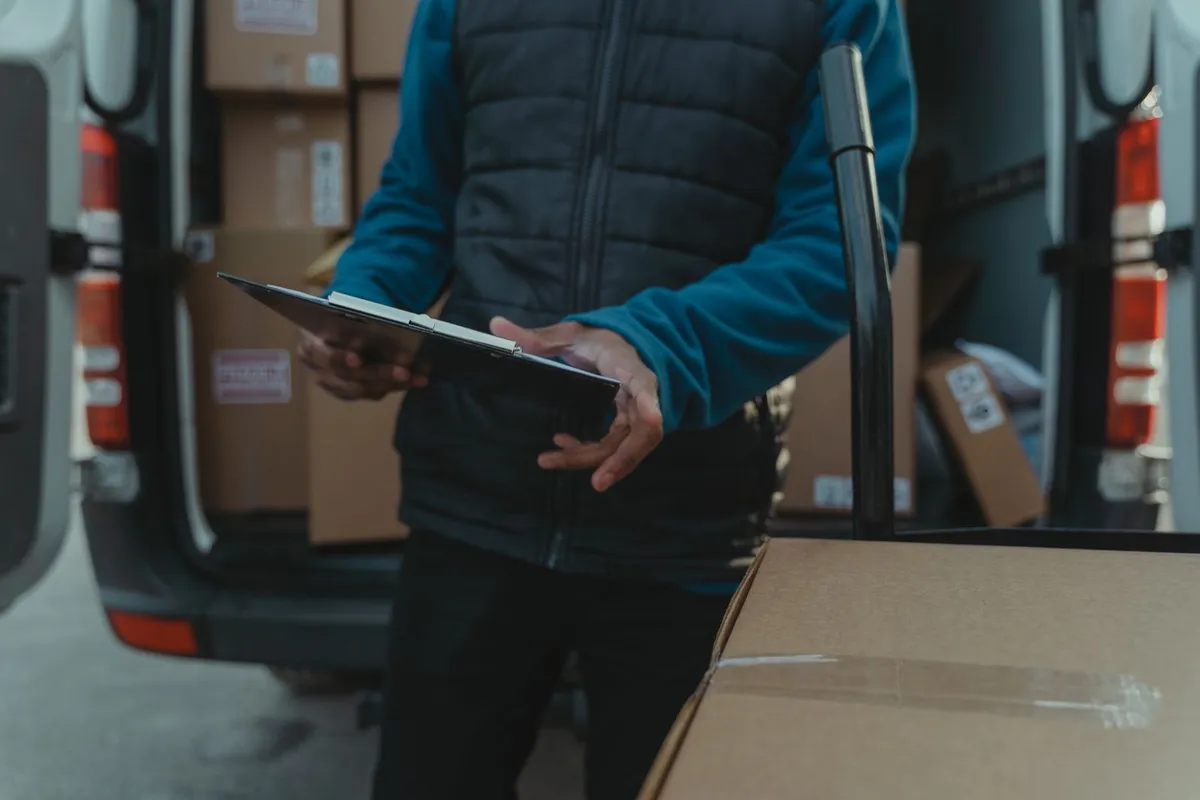
- Stay reachable on the day, because the crew will call from the gate or the loading bay rather than your door.
Steps one and two are quick and largely in your control. Step four is the one that decides whether the booking holds, and it is the step most people leave until last.
What to have ready before the first message
A quote comes back faster, and closer to the final number, when your first message already answers the questions the company would otherwise have to ask.
- Photos of everything that is going, wide enough to show how much there is.
- The floor you are on, and whether the building has a service lift.
- Anything unusually heavy or awkward — a sofa bed, a marble table top, a wardrobe that will not come apart.
- Anything that needs its own handling, such as a fridge, an air-conditioning unit, paint tins or car tyres.
- Your preferred day, and whether a handover or check-out inspection fixes the deadline.
- Whether the items are already in one place or spread across several rooms.
That last point changes the crew size more often than the volume does. Twenty items stacked by the door is a different job from twenty items spread across five rooms on two floors.

Which channel to book through
WhatsApp is the fastest route in this market, because it carries photos and leaves a written record in the same thread. A phone call works better when the job is complicated enough to need a conversation — an inherited flat, a mixed load, an access problem that is hard to photograph. A web form sits between the two: fine for a straightforward job, slower when it triggers a call-back to ask what a photo would have answered.
Whichever you start with, finish in writing. A collection agreed entirely by voice is the one most likely to be remembered differently by each side.
Where building access fits into the sequence
Access is a booking step, not a formality on the day. In most Dubai towers a collection needs the service lift reserved and the company's details passed to building management in advance, and that office keeps its own hours — which are not the same as yours or the crew's.
Start it as soon as you have a provisional date, before you confirm anything. If management asks for paperwork from the company, a trade licence copy and an insurance certificate are the usual requests, and both sides need time: the company to send them, you to hear back. In a villa community the equivalent step is registering the vehicle at the gate, which is quicker but still needs doing before a truck is sitting at the barrier.
The rule of thumb is simple. Whoever controls the door should know before the crew is on the road.
What a confirmed booking actually looks like
A booking is confirmed when both sides hold the same five details. If any of them is still vague, the booking is a conversation rather than an appointment.
- The date, with an arrival window rather than a single exact minute.
- The address, the floor, and which entrance the crew should use.
- What is being taken, described specifically enough that nothing is a surprise.
- The price, and what would change it.
- How payment is made, and to whom.
Booking on someone else's behalf
Plenty of collections are arranged by someone who will not be in the property — a landlord clearing after a tenant, a family member handling a relative's move, a resident who has already left the country. That works, on two conditions.
The first is that somebody with access has to be there, or the keys have to sit with someone who is: a concierge, a housekeeper, a neighbour, an agent. The second is that whoever is on site needs to know what stays. A person letting a crew in without instructions cannot answer the one question that matters when the crew reaches an item nobody mentioned.
Send the same photos you would send if you were there, and put the on-site contact's number in the booking message instead of your own. The crew will call the number they were given, and it should be the number that can open a door.
What happens on the day
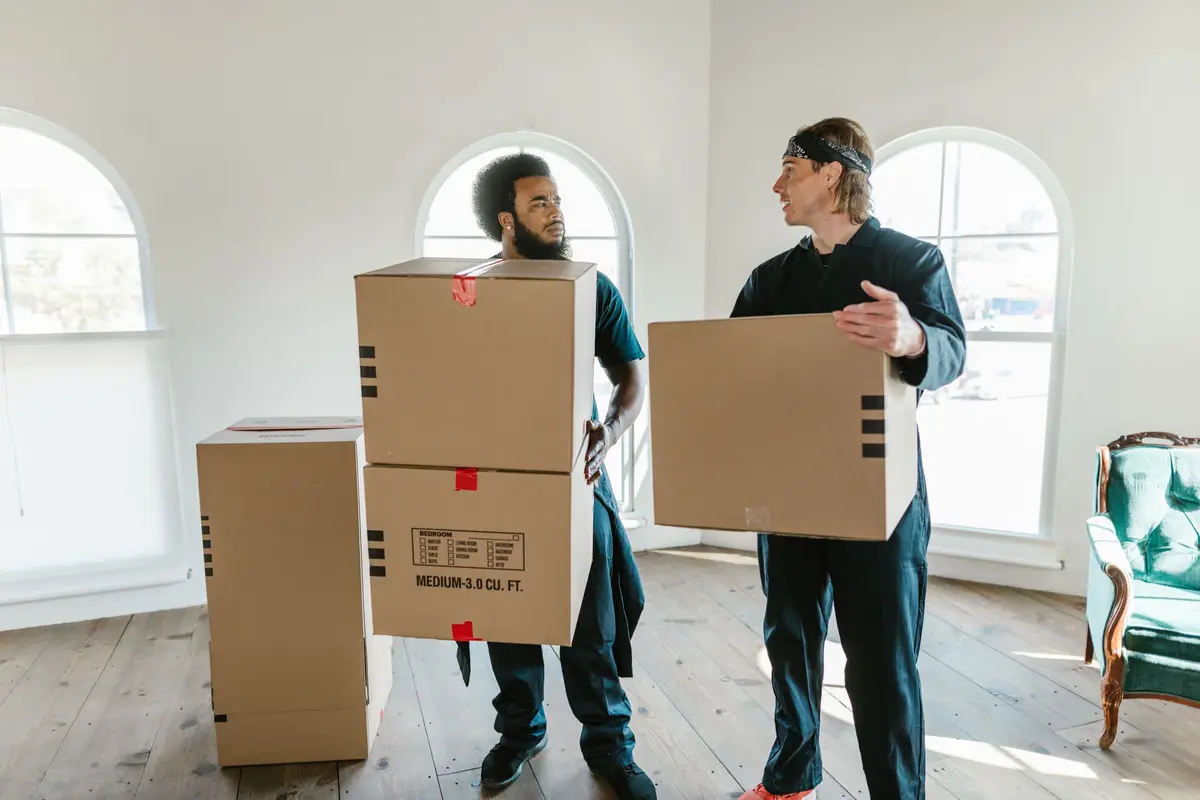
The crew calls on arrival, walks the job with you, checks that the pile matches what was quoted, protects the route if it runs through a lift lobby or a shared corridor, and then loads. On a normal residential job the loading itself is the shortest part of the visit.
Your part is short too. Point at what is going, say clearly what is staying, and stay contactable until the truck leaves. A cabinet that was meant to stay and left on the truck is the mistake that is hardest to undo.
Why bookings slip, and how to stop yours
Nearly every delayed collection traces back to a short list of causes, and all of them are avoidable at the booking stage rather than on the day.
- The service lift was never reserved, so the crew waits in the lobby or leaves.
- The job was described from memory instead of photos, and the vehicle sent is too small.
- Nobody answered when the crew called from the gate.
- Items needing separate disposal only came to light once loading had started.
- Building approval came through, but for a different day than the one booked.
Booking it without the back-and-forth
The sequence works when you front-load it. Photograph the job before you write anything, mention the floor and the lift in the first message, start building approval the moment you have a provisional date, and keep the confirmation in writing. Handled that way, a collection is a short visit you barely have to manage. Handled backwards, the same job turns into a week of rescheduling around a lift you could have booked on day one.