Preparing for a junk removal pickup means deciding what's actually going, gathering it in one place, and marking anything staying behind — done in the day or two before the crew arrives, not the morning of. Booking the job and preparing for it are two different steps: the booking sorts out price, access and timing; preparation is what makes the visit itself quick instead of a room-by-room negotiation. This guide covers that preparation phase.
Deciding what's actually going
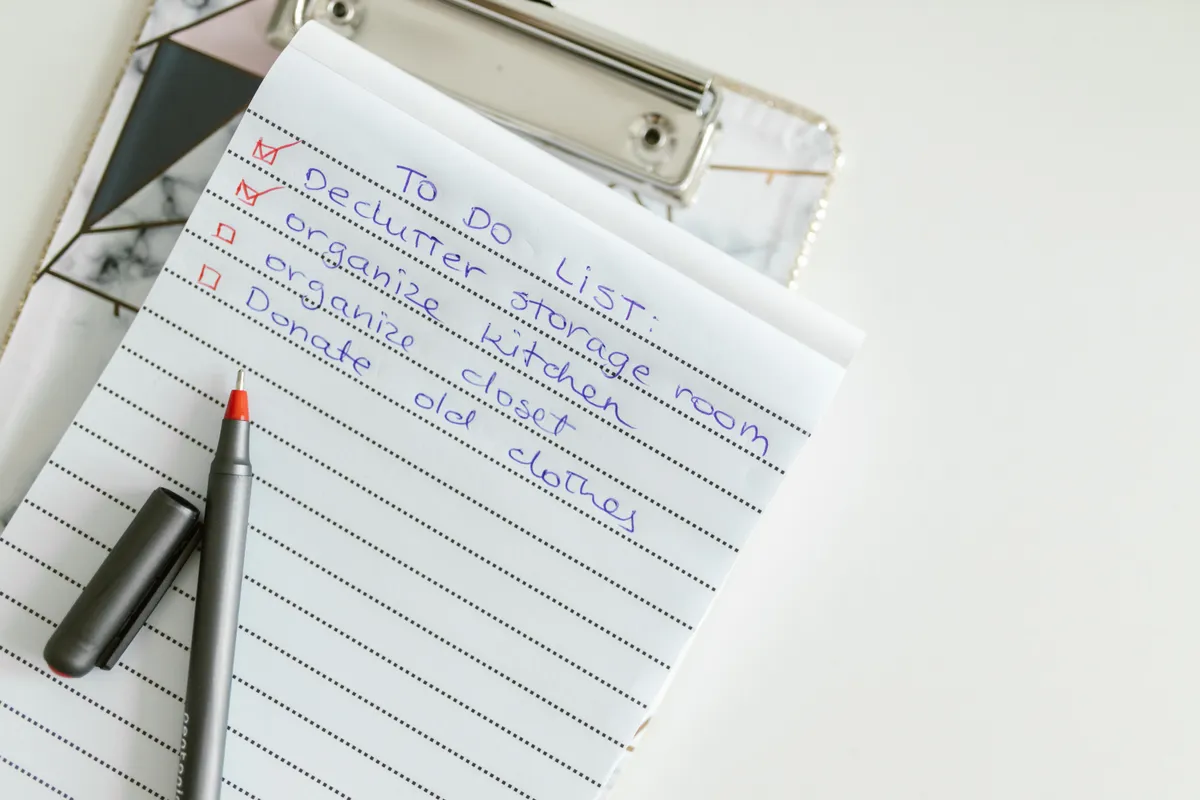
Walk the space with a genuinely open question for each item: is this going, staying, or still undecided? The third answer is fine, but it needs its own pile rather than sitting mixed in with everything else. A crew working from a clear 'going' pile moves in minutes; one working from a room where nothing has been sorted has to ask about almost everything it touches.
Do this before you send photos for a quote, not after. A quote based on a genuinely sorted pile is close to the final price; one based on 'most of this room, probably' tends to move once the crew actually sees it.
Gathering everything in one place
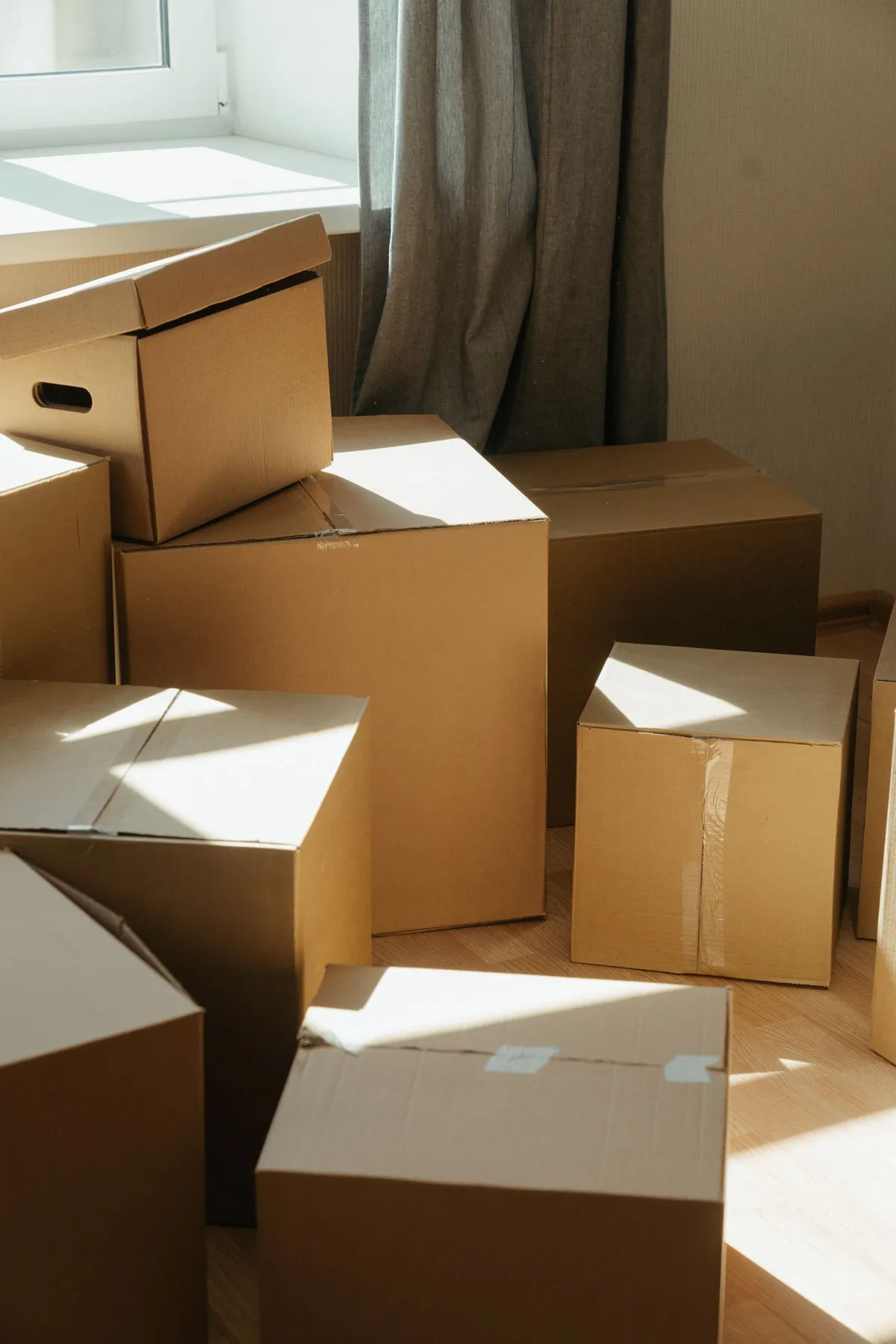
Once you know what's going, bring it together — one room, one corner, or stacked by the door, rather than left spread across the home. This is the single change that saves the most time on the day, because a crew that can see the whole job at a glance loads it in one steady pass instead of working room to room.

Group similar items together
Furniture in one area, boxed items in another, anything electrical or hazardous set apart from both. This isn't just tidiness — it's what lets a crew flag the small number of items that need separate handling, such as old paint, batteries or a gas canister, without holding up everything else while they check.
Marking what stays, clearly
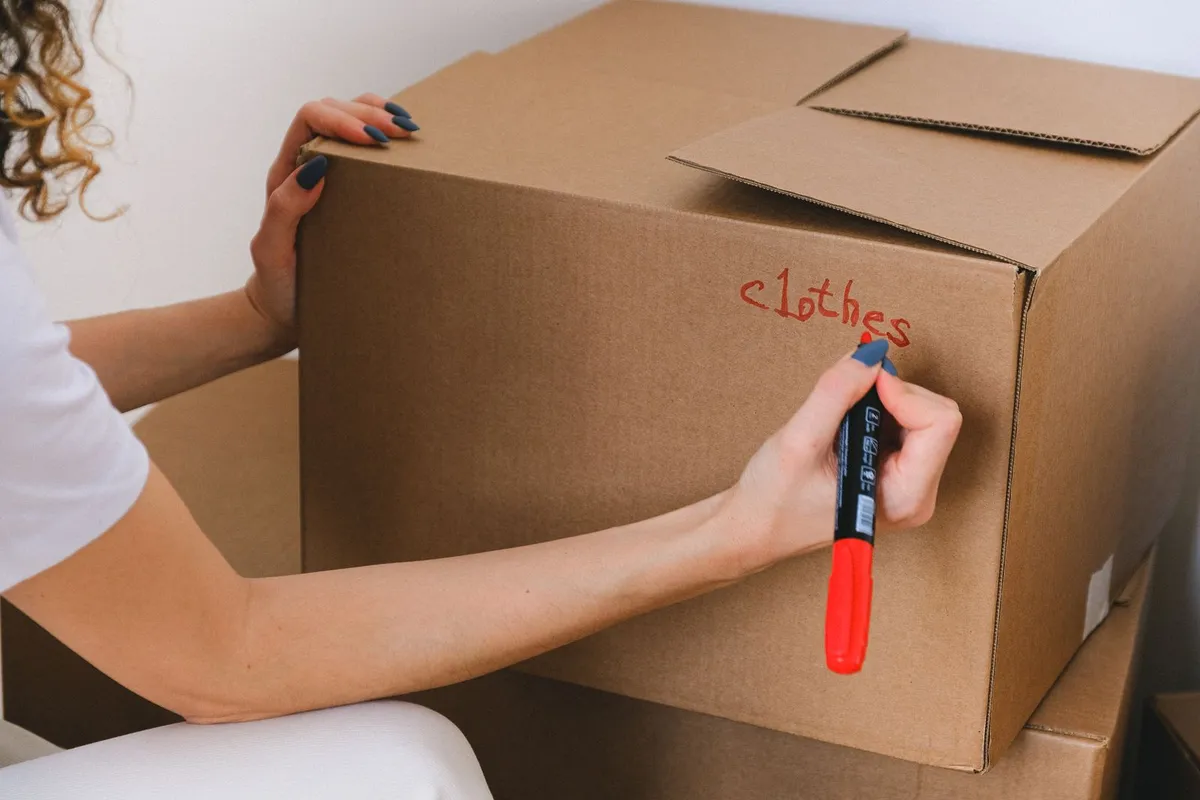
The mistake that's hardest to undo is the piece that was meant to stay and left on the truck anyway. Keep anything staying out of the collection zone entirely — a different room if possible — rather than trusting a verbal note to survive a busy loading pass. If something has to remain in the same space, a visible label or a sticky note beats a mental note every time.
Setting aside anything that needs special handling
A gas canister, a few old batteries, leftover paint or a fridge still holding refrigerant are all collected as standard — they simply travel through their own route rather than the general load. Put them in their own spot, away from everything else, and mention them when you book so the crew already knows to expect them. What genuinely falls outside a booking altogether, such as bulk hazardous material or construction rubble, is a shorter and different list worth knowing before you assume everything can go in one trip.
Protecting the path the crew will use
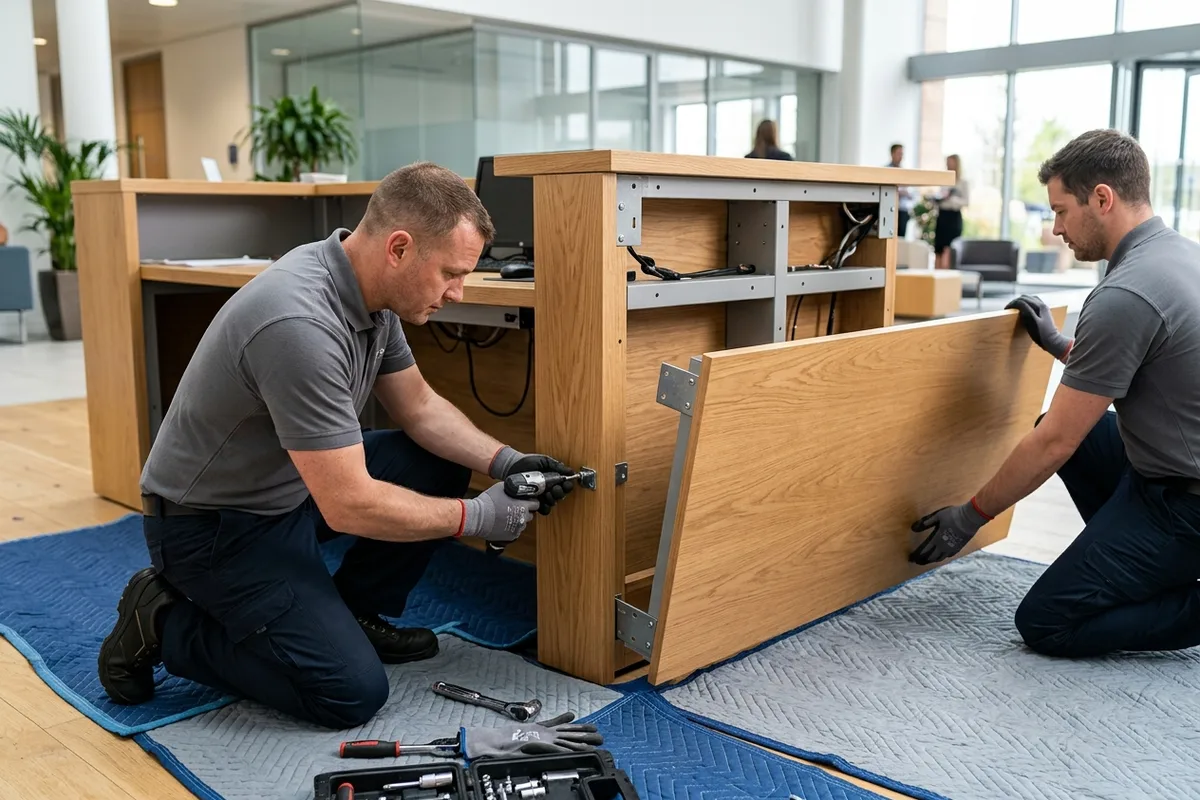
A quick look at the route from the items to the door is worth the two minutes it takes — a narrow turn, a glass table in the way, a rug that could slip on a shared corridor floor. Move anything fragile out of the direct path, and mention a tight stairwell or an awkward turn when you book so the crew arrives already prepared for it. The detailed version of protecting floors and walls during a heavier move is its own subject; the point here is simply to clear the path before anyone starts carrying.
Timing it so it's ready, not rushed
Sorting and staging the evening before works better than trying to do it in the hour before the crew arrives. It also gives you time to notice something you'd forgotten was hazardous, or a piece you've actually changed your mind about, while there's still room to adjust the booking rather than deciding on the spot with a crew waiting.
Preparation done this way turns the pickup itself into the shortest part of the process — a walk-through to confirm what's agreed, then a steady load, rather than a room-by-room negotiation about what was actually meant to go.