A short list of items sits outside a normal junk removal booking in Dubai: bulk hazardous or industrial chemicals, asbestos-containing material, medical or biohazard waste, weapons and explosives, illegal or stolen goods, and large-scale construction or demolition rubble. Almost everything else — including the paint tins, gas canisters and batteries most people worry about — is still collected, just routed differently once it leaves your home. Knowing which category something falls into is what makes a booking go smoothly instead of stalling at the door.
Most 'special handling' items are still collected
It's worth separating two things that get lumped together. A used gas canister, a few tins of old paint, a box of dead batteries or a fridge that still holds refrigerant are not refused — they're taken, then processed through their own route rather than tipped in with the sofa. What follows in this guide is the shorter, genuinely different list: items a general household booking won't include at all, however they're described at the time of booking.
Gas canisters and batteries in household quantities
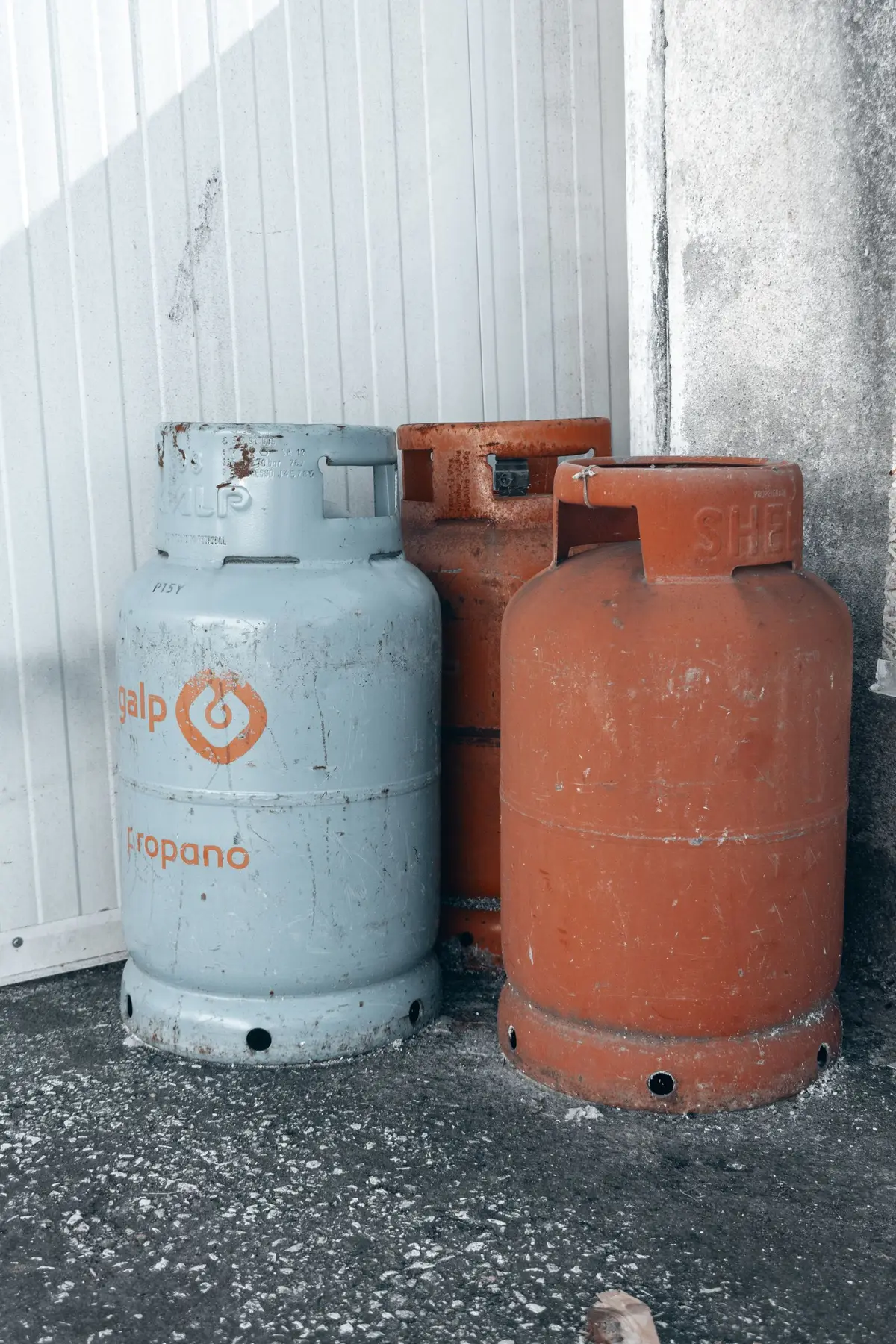
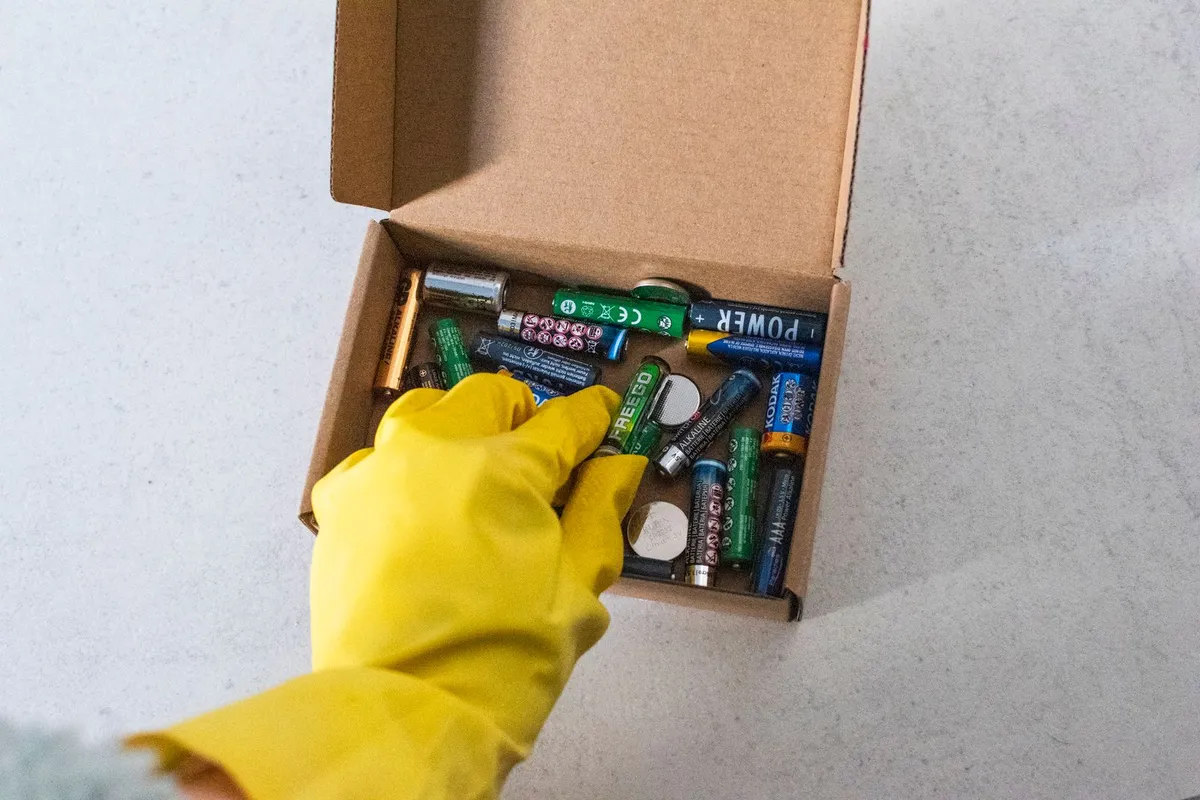
A barbecue gas cylinder, a couple of old power tool batteries, or a drawer of dead AAs from a household clear-out are collected as standard. They're set aside from the general load and handled through a separate stream because of what they contain, not because anyone is turning them away. Mention them when you book so the crew arrives already expecting to keep them apart.
The same applies to batteries. A handful from remotes, torches or children's toys goes in a bag of its own rather than loose in a box, and a crew that knows they're coming can plan for them without any extra fuss on the day.
What's genuinely outside a general booking
These are different in kind, not just in degree. Each one needs processing or authorisation that a household junk removal booking isn't set up to provide, so it sits outside the job rather than inside it on a separate route.
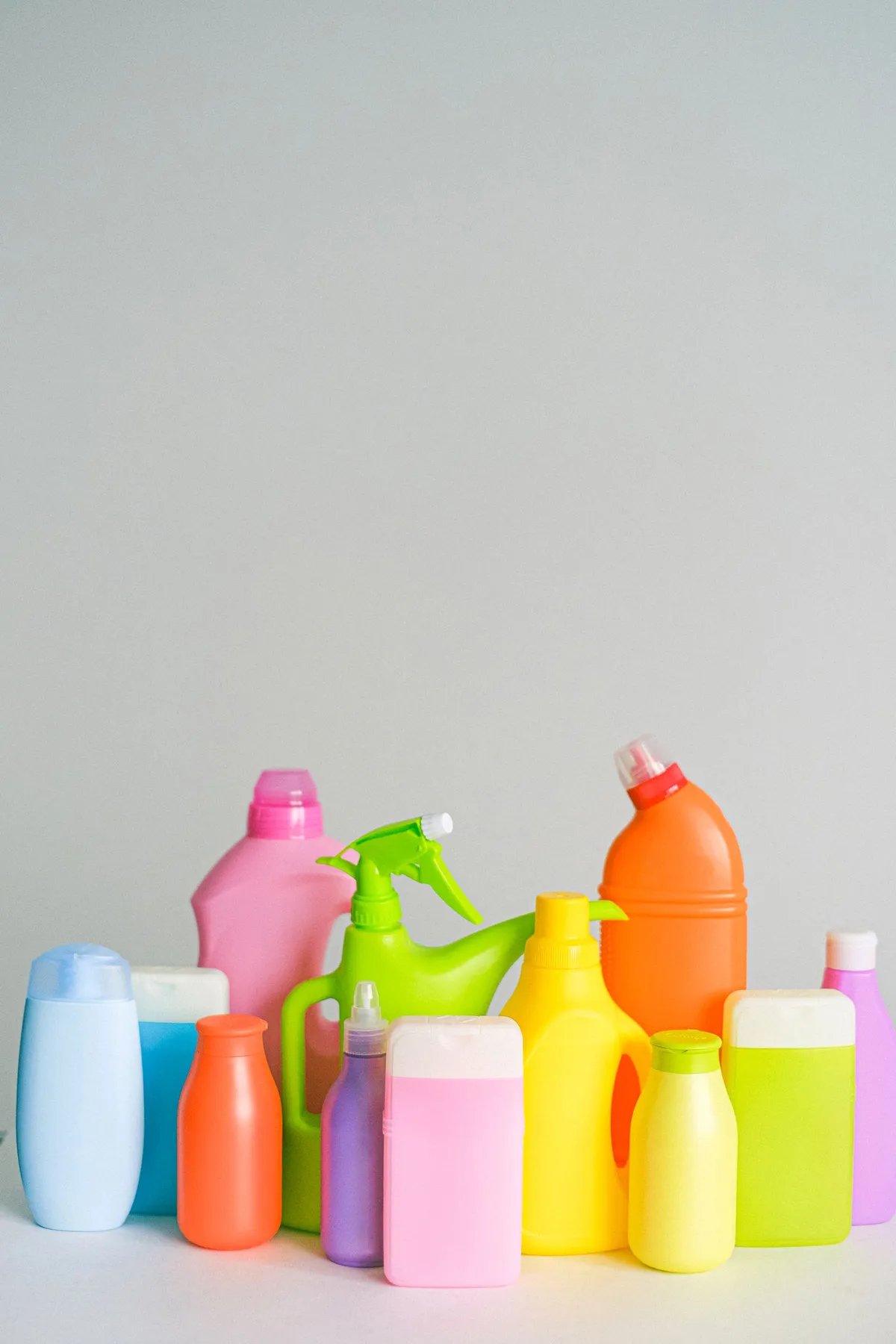
- Hazardous or industrial-scale chemicals — quantities well beyond what a household would normally store, such as bulk solvents or commercial cleaning stock.
- Asbestos-containing material, including old ceiling tiles, insulation or pipe lagging.
- Medical, clinical or biohazard waste, including sharps and anything contaminated.
- Weapons, ammunition and explosives of any kind.
- Illegal or stolen goods.
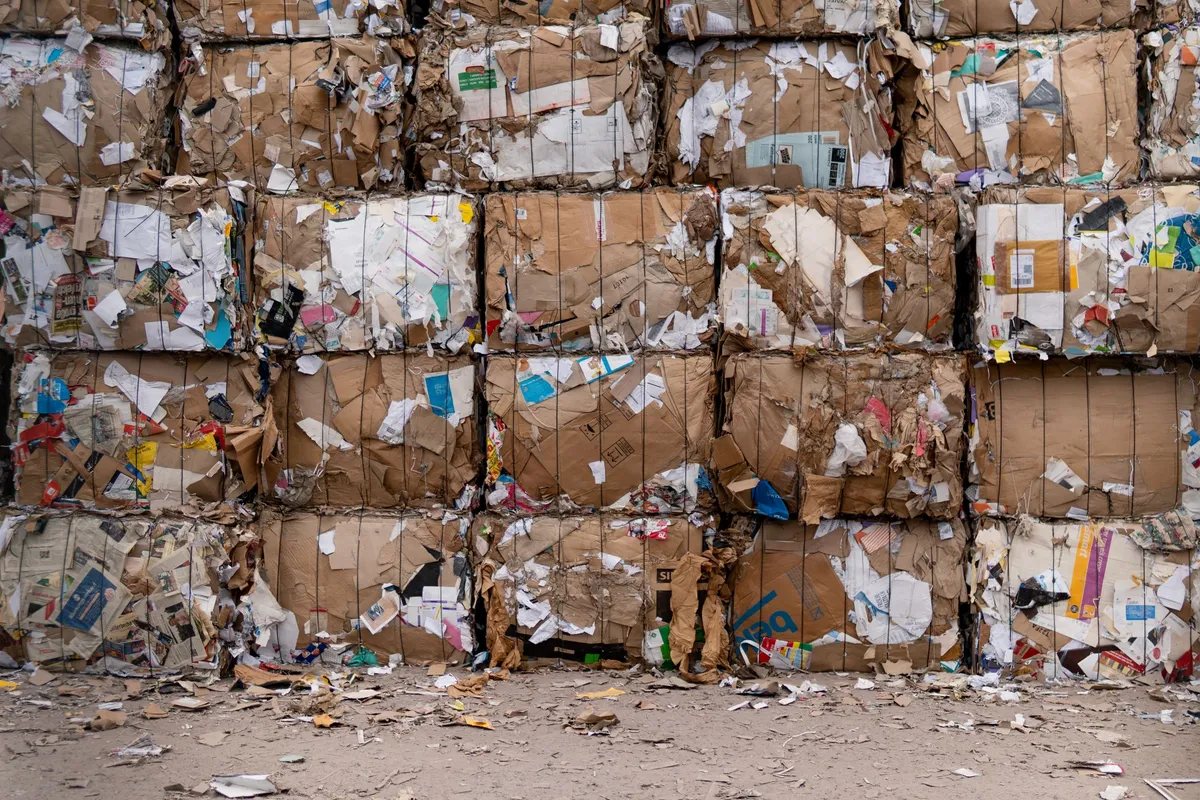
- Large-scale construction or demolition rubble — a full renovation's worth of debris, not the leftover paint tins from a small touch-up.
- Wet waste and sewage in bulk.
- Dead animals.
Why these specific things sit outside the job
Each item on that list needs something a general junk removal crew isn't equipped or authorised to provide: specialist protective handling, a licensed disposal facility, or in some cases a different authority altogether. That's a genuine boundary rather than a matter of preference, and it holds regardless of how the item is described when you book.
Where these items actually go instead
The honest answer varies by category rather than having one universal fix. Renovation and demolition debris is normally arranged through whoever is doing the building work, since it's generated and managed as part of that job rather than a household clear-out. Medical waste has its own collection arrangements through pharmacies and clinics. Hazardous material in genuinely large quantities needs a specialist waste contractor rather than a general residential service. If you're not sure which route applies, ask the company directly — they'll usually be able to point you toward who does handle it, even if it isn't them.
What to do when you're not sure which list something is on
Describe it rather than guessing. 'A bit of old paint' and 'forty litres of commercial solvent' sound similar in a text message but sit on opposite sides of this line. Photos help, and so does an honest estimate of quantity — a company that works in Dubai regularly has seen enough genuine edge cases to tell you quickly whether something is a routine flag or a job outside their scope.
The practical rule holds either way: raise it before the crew is on site, not once they're standing in front of it. A booking that already knows what it's dealing with runs to plan. One that discovers a genuine exclusion mid-load loses time working out what happens next, for an item that was never going anywhere that day regardless.