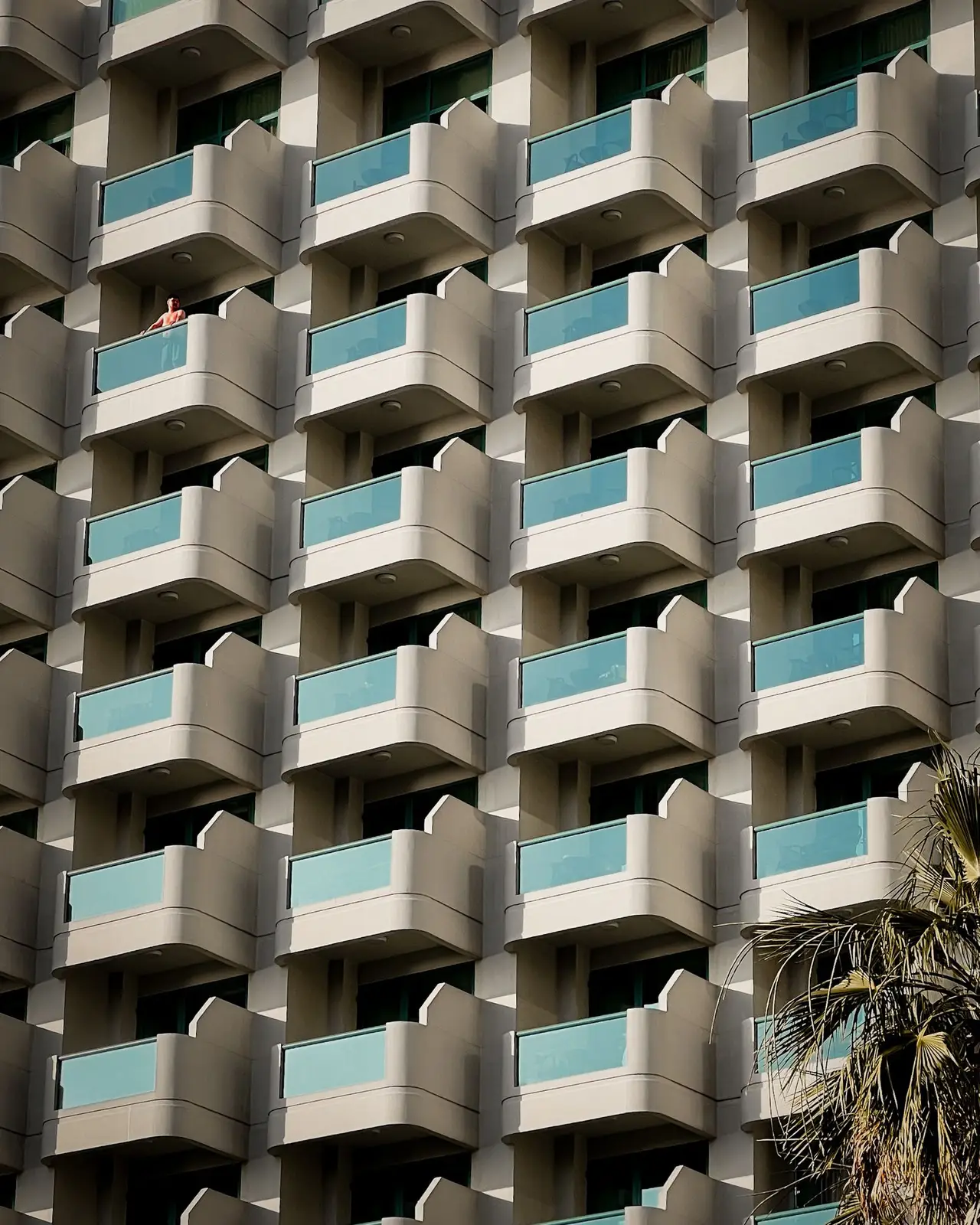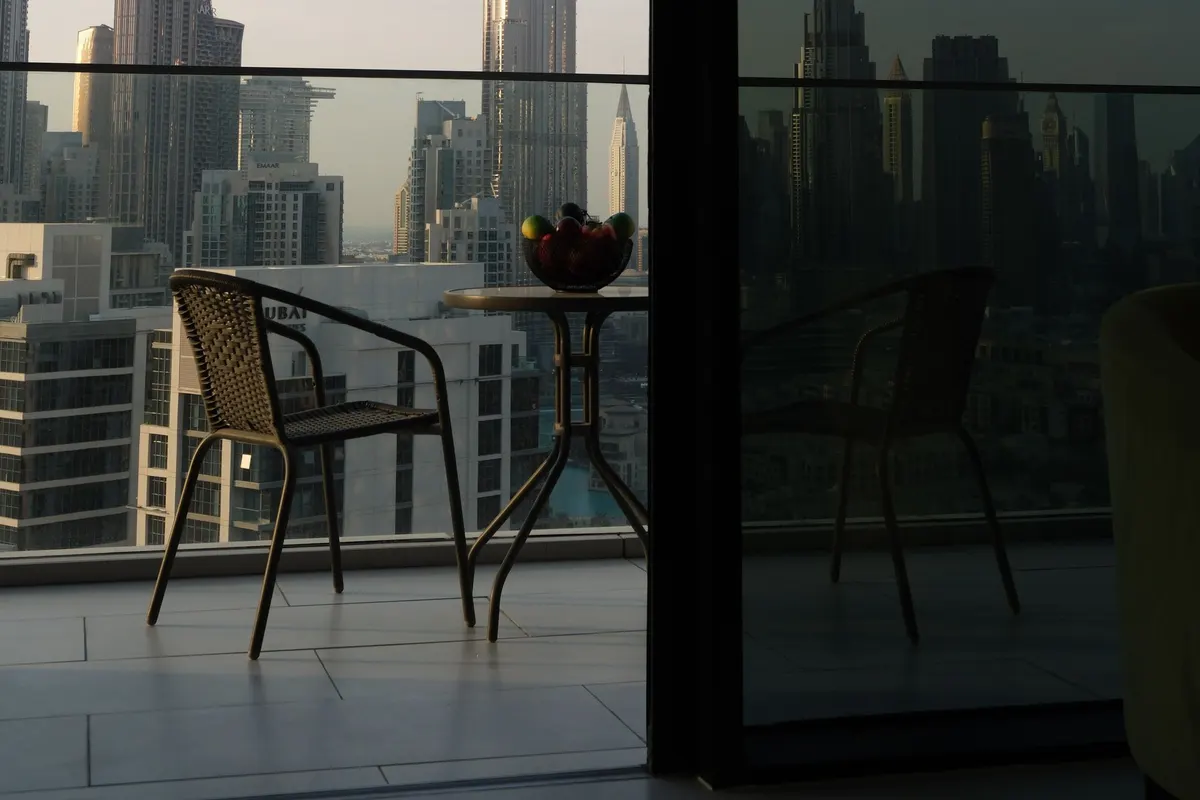
A balcony is the only part of an apartment that is both indoors and outdoors, and it is the part that fills up without anyone deciding to fill it. Whatever has no home inside ends up out there, and the sun and the dust get to work on it. This guide covers how a balcony clear-out in Dubai runs — what usually comes off one, why so little of it is worth keeping, and the rule that decides how all of it leaves the building.
What ends up on a Dubai balcony
Balconies collect a fairly predictable set of things, because they are the overflow space for a flat that has run out of cupboards.
- Outdoor furniture — plastic chairs, a folding table, a rattan set bought during a first cool season here.
- A clothes drying rack, usually the item that has been out there longest.
- Plant pots, opened bags of soil and plants that did not survive a July.
- Bicycles, scooters and sports gear kept out of the hallway.
- Suitcases, storage boxes and anything that did not fit in the flat's one store cupboard.
- A barbecue and its gas cylinder, untouched since the last cool month.
- Cushions, mats and artificial grass that has curled up at the edges.
Why most of it is past saving
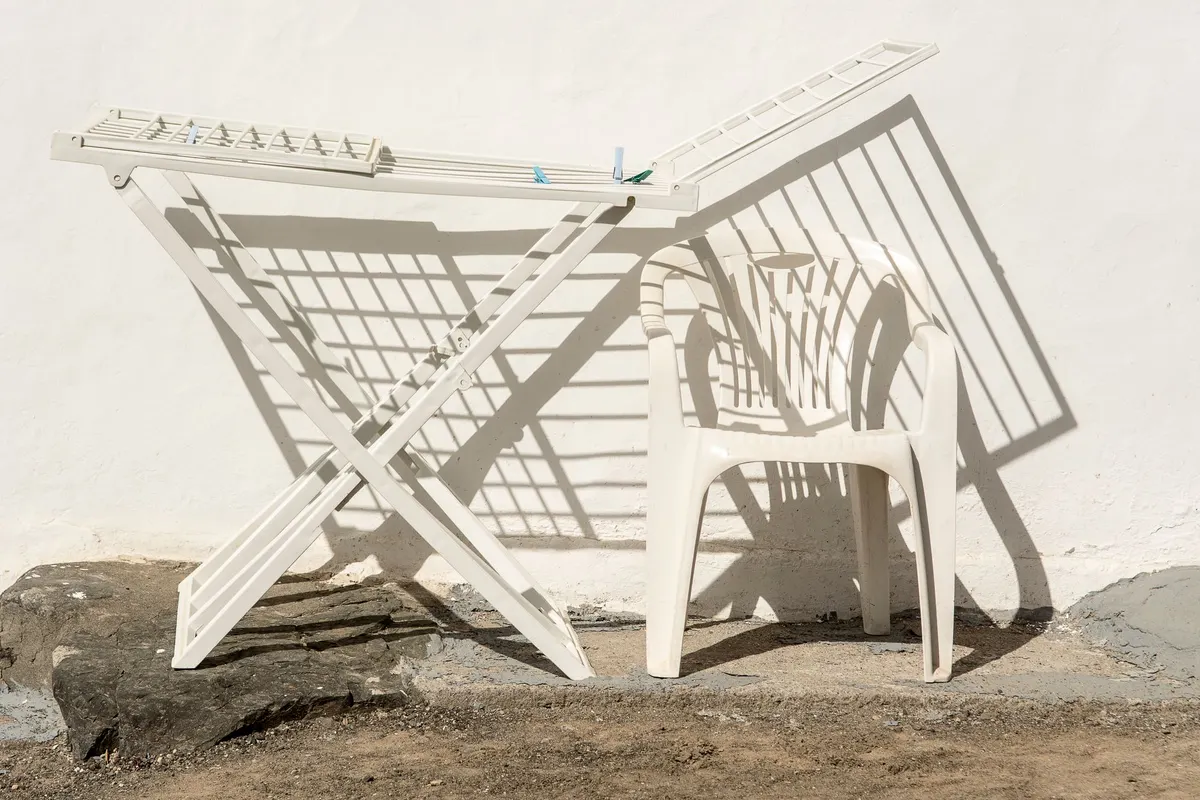
A few summers on a balcony here does more damage than years of use indoors. Direct sun, heat and the fine dust that settles on every surface work on materials in ways that stay invisible until something is picked up and flexes in the wrong place.
- Plastic goes chalky, loses its colour and cracks at the joints and leg welds, often while it is being carried.
- Cushions and fabric fade, stiffen and hold dust deep in the foam.
- Rattan and cane dry out and split, and the weave lifts away from the frame.
- Timber greys and its screws work loose as the wood shrinks.
- Metal frames rust at the fixings first, particularly nearer the coast where the air carries salt.
- Soil compacts in its pots into a solid block that is far heavier than it looks.
This is why selling balcony furniture usually goes nowhere. A buyer sees the same chalky plastic and rusted bolt heads you do, and photographs taken in strong sun flatter it more than the collection does. If something genuinely still works — a bicycle, a barbecue, an unopened parasol — sell or pass that on, and have the rest collected.
Everything leaves through your living room
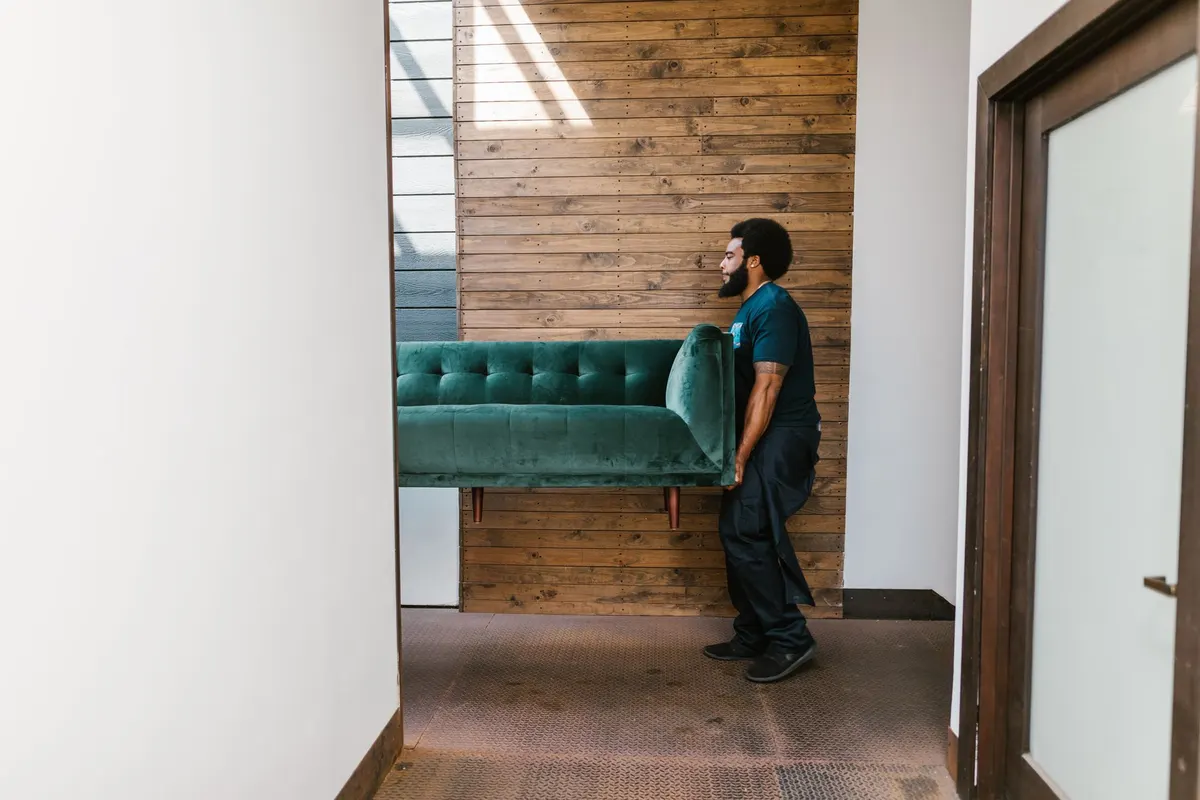
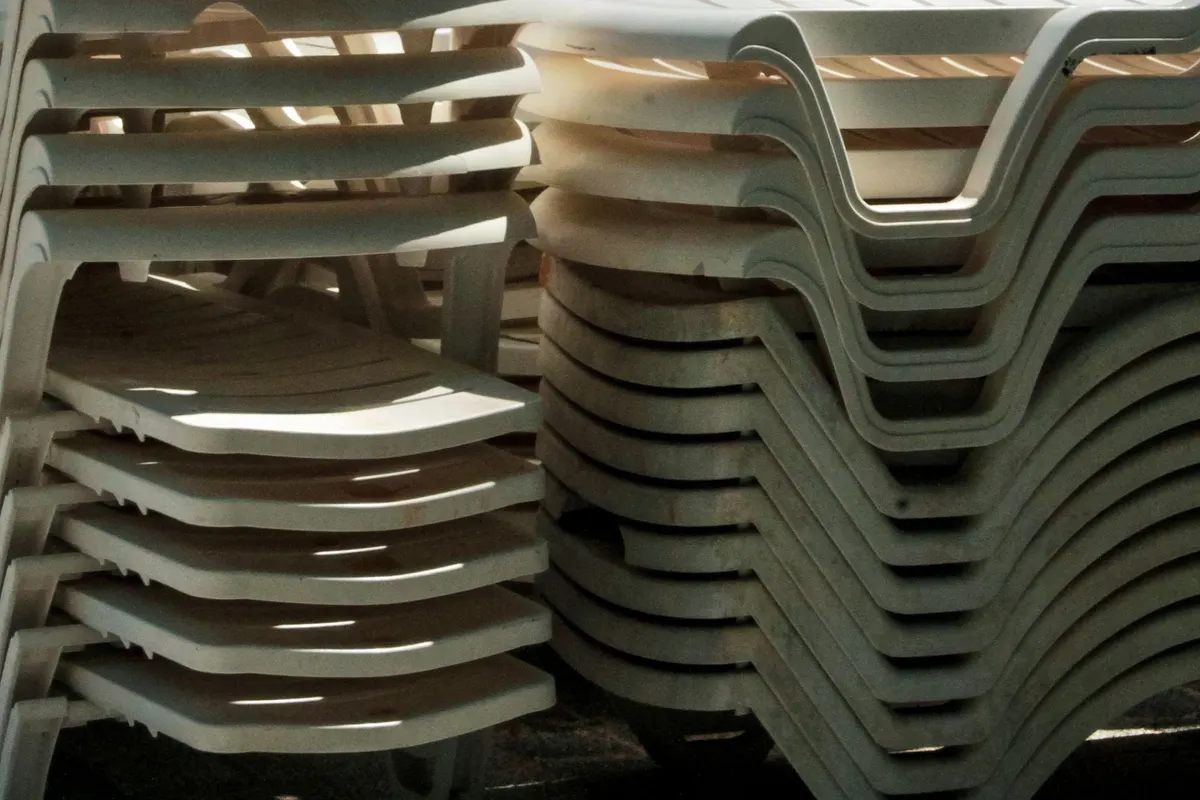
A balcony has exactly one exit, and it is the door you use. Every item comes back through the flat, across the floor, out of the front door and into the lift. That single fact shapes how the collection is done.
Nothing goes over the railing. Lowering or dropping anything from a balcony is dangerous at any height, buildings do not permit it, and no legitimate crew will offer it. It is worth stating plainly, because it is the first idea most people have when they look at a wardrobe-sized item and a narrow door.
- Everything out there is coated in dust, so it is bagged, wrapped or wiped before it crosses an indoor floor.
- Balcony doors are often narrower than the front door, and the threshold rail underneath adds a lift on the way through.
- Anything assembled outside — a large sofa set, a fixed planter, a big barbecue — may not come back through in one piece, and gets taken apart where it stands.
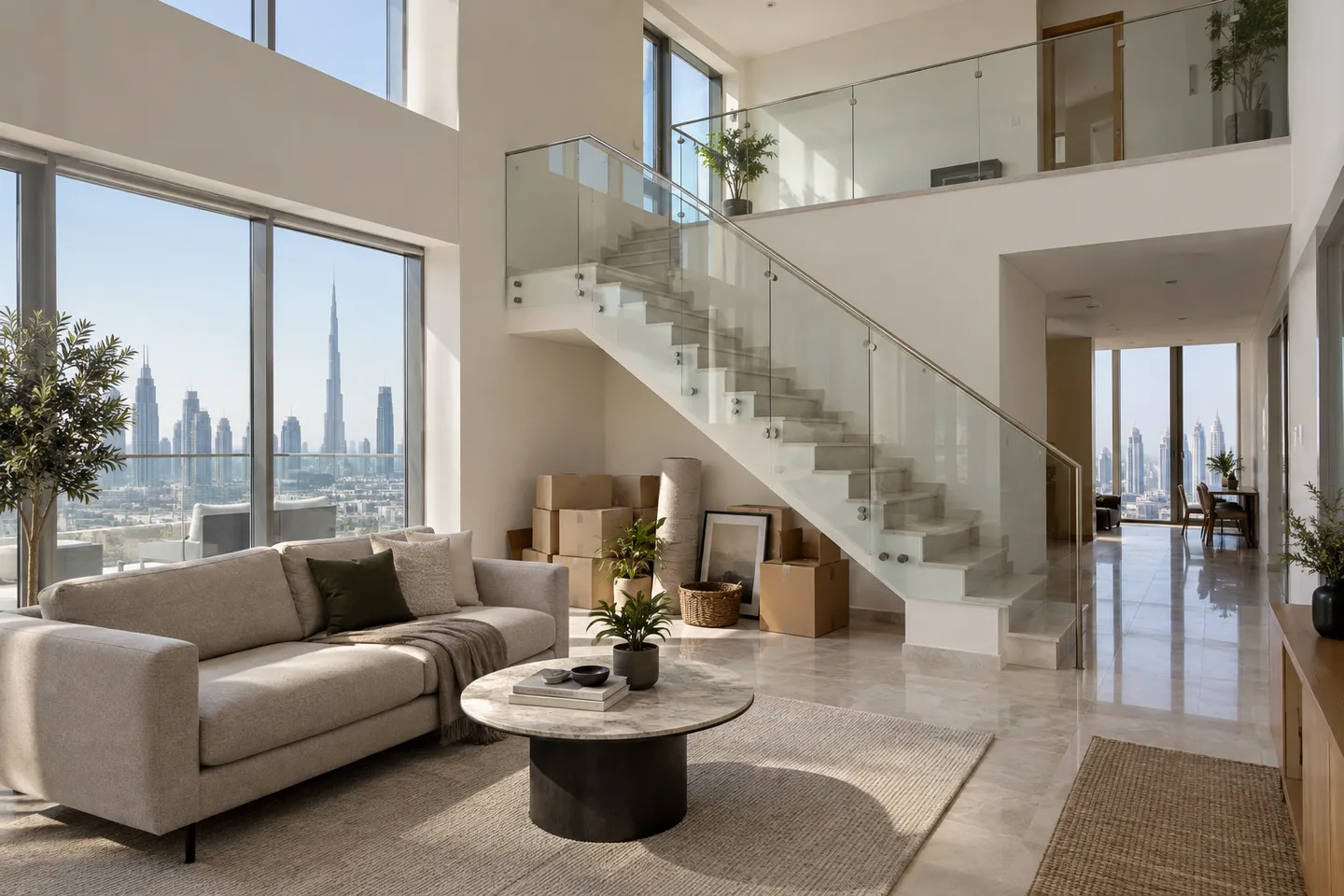
- In a tower the route ends at a service lift, which the building may want reserved in advance. Confirm that when you book rather than on the morning.
The few things that need their own arrangement
A small number of balcony items do not travel in a general household load: a barbecue gas cylinder, an air-conditioning condenser if an old one was replaced and left in place, and anything with a battery still fitted. None of it stops the collection. Mention them when you describe the job and they are planned for, which is easier than sorting it out in a hallway.
If building management has asked you to clear it
Many buildings restrict what residents may keep on a balcony, particularly anything visible from outside or light enough to move in strong wind. A written request to clear one is a common reason people book a collection, and the useful first step is finding out exactly what has been objected to.
Wind is usually the real reason behind the request. High up, an empty plant pot, a folding chair or a loose stack of cushions is a genuine hazard on a gusty afternoon, and the rules tend to be firmer the taller the tower. Ask which items have to go and by when — the answer is the difference between a single bulky-item pickup and a full balcony clear-out.
What shapes the price
The usual three factors apply: how much space the load takes on the vehicle, what the items are, and how far they travel to reach it. Two things are specific to balconies.
The first is weight without volume. Pots full of compacted soil occupy very little space and are heavy, so the number of pots is worth stating when you ask for a price. The second is the route out: a high floor served by one service lift adds time to a job that might take fifteen minutes on the balcony itself. Any figure quoted before those two things are known is a guess rather than a price.
Clearing it in one go
- Decide what is staying and move it to one end of the balcony, so nothing needs discussing on the day.
- Tip the soil from any pots you are keeping into bags; pots that are going can travel as they are.
- Check the balcony door width against the largest item and take apart anything that will not pass.
- Bag the small, loose things — cushions, mats, tools — so they cross the floor in one trip rather than twenty.
- Confirm with the building whether the service lift needs reserving for the collection.
- Wash the tiles once it is empty. Dust that has sat under a chair for two years lifts as a paste rather than a sweep.
A balcony is usually a small job with an awkward middle. The contents rarely amount to much — a chair set, a rack, a few pots and a bicycle — but all of it is dusty, some of it is heavier than it looks, and every piece has to cross the living room floor on its way out. Sort it beforehand, dismantle what the door will not take, and it is done before the room needs cleaning.