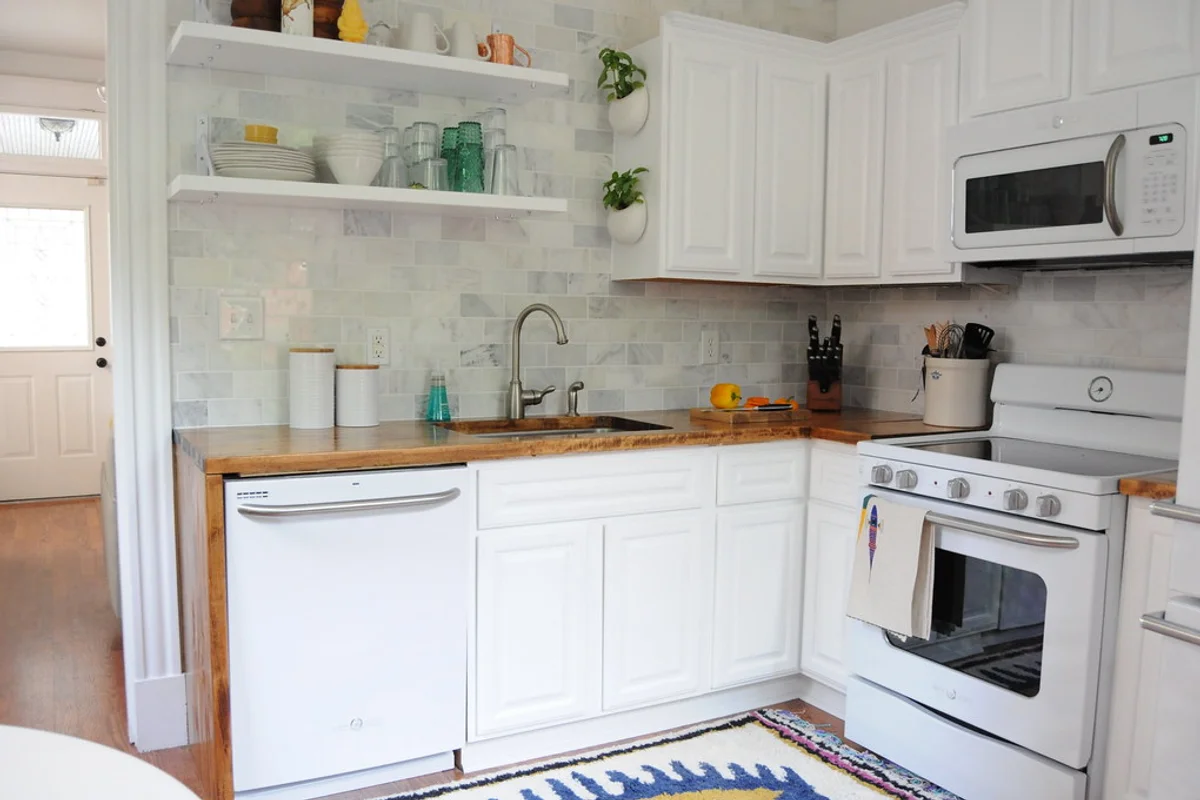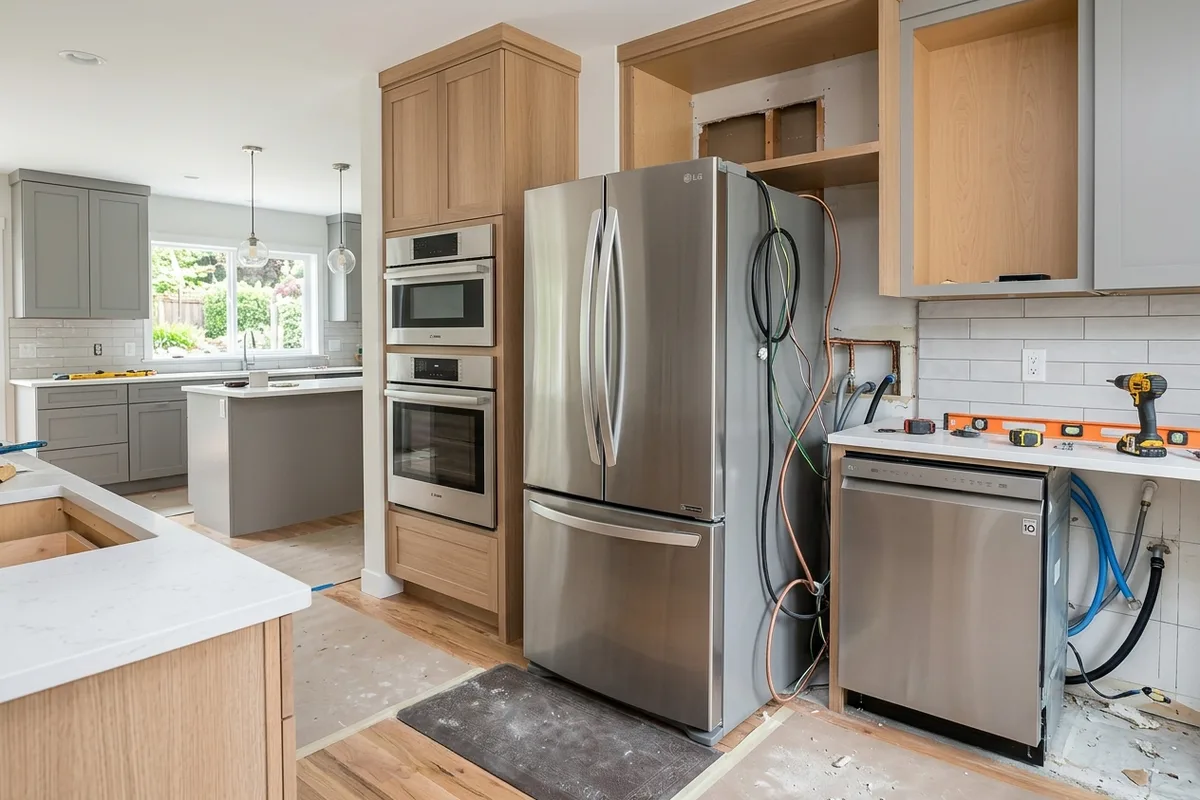
Embarking on a comprehensive kitchen remodel, apartment fit-out, or villa upgrade in Dubai requires clearing all existing kitchen appliances before demolition crews and cabinetry carpenters begin their work. A complete kitchen strip-out typically involves dealing with six to eight major appliances simultaneously: American-style refrigerator, built-in wall oven, gas or induction hob, extractor chimney hood, integrated dishwasher, built-in microwave, and under-counter washing machine. Managing appliance removal for a kitchen renovation requires rigorous utility isolation, a structured extraction sequence, worktop protection, and scheduled single-trip bulk hauling.
Utility isolation: the crucial prerequisite
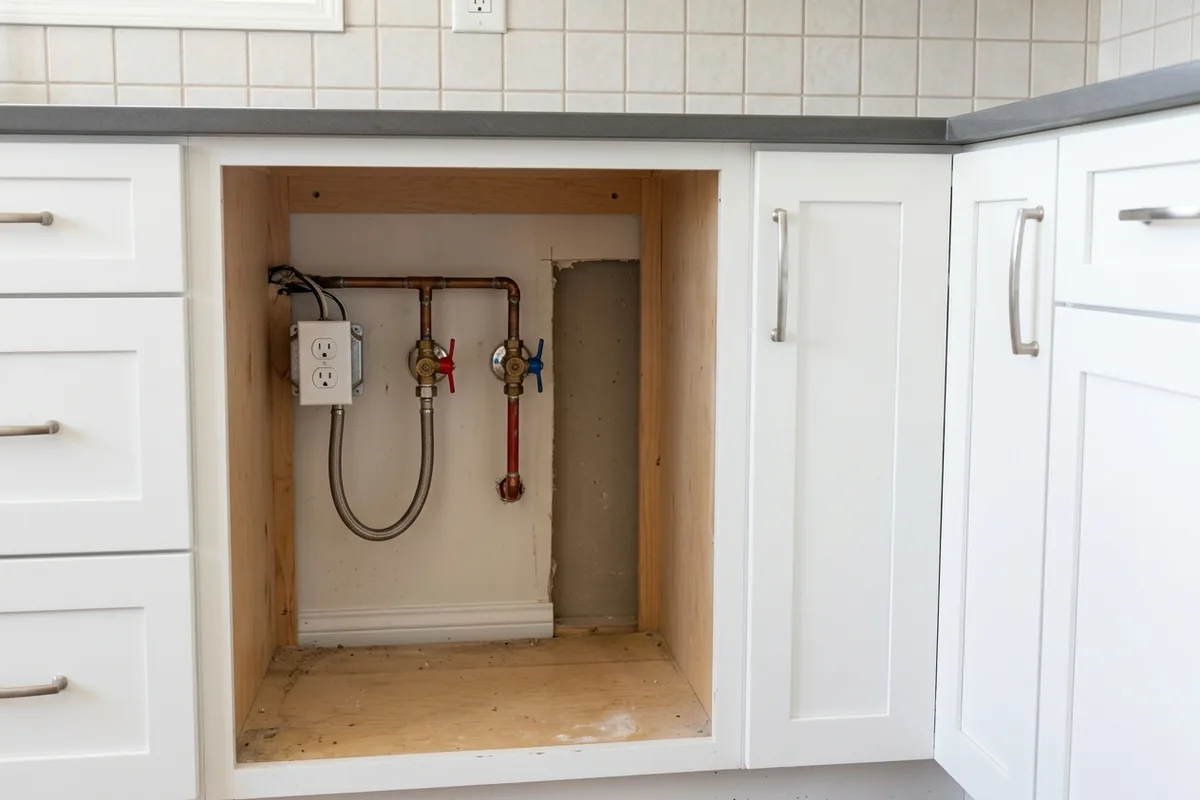
Before pulling heavy appliances out of fitted cabinetry cavities, all utility supply feeds must be safely isolated. In Dubai residential properties, this involves three distinct service systems:
- Electrical isolation: Switching off dedicated high-amperage circuit breakers (specifically the 32A and 45A circuits dedicated to cookers, ovens, and hobs) as well as the 20A radial socket breakers on the main distribution board (DB).
- Plumbing shutoff and line drainage: Closing dedicated quarter-turn angle stop valves beneath the kitchen sink feeding the dishwasher and washing machine, capping water outlets, and turning off the cold-water feed line for refrigerators with plumbed water and ice dispensers.
- Gas supply capping: Shutting the manual gas isolation valve on the central gas pipe or safely closing the regulator on the LPG cylinder before unthreading the flexible cooker hose connection.
The ideal appliance extraction sequence
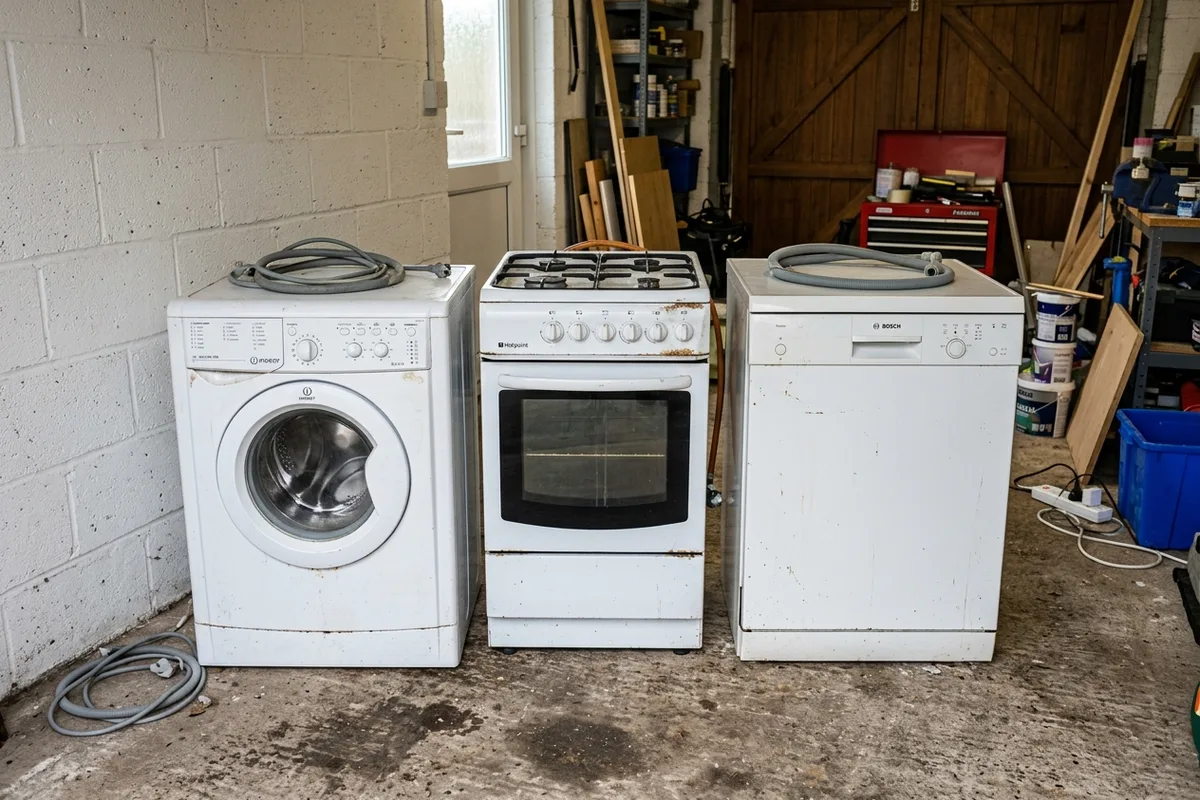
Extracting appliances in a random or haphazard sequence creates immediate bottlenecks and increases the risk of accidental damage to retained walls, tile splashbacks, or flooring. The recommended multi-unit rip-out order follows a logical inside-out flow:
- Stage 1 — Countertop gadgets and accessories: Clear away countertop microwaves, kettles, toasters, and loose kitchenware into packing cartons to open up working surfaces.
- Stage 2 — Freestanding units: Disconnect and roll out freestanding refrigerators, freezers, and freestanding cooking ranges to create wide, open clearance corridors.
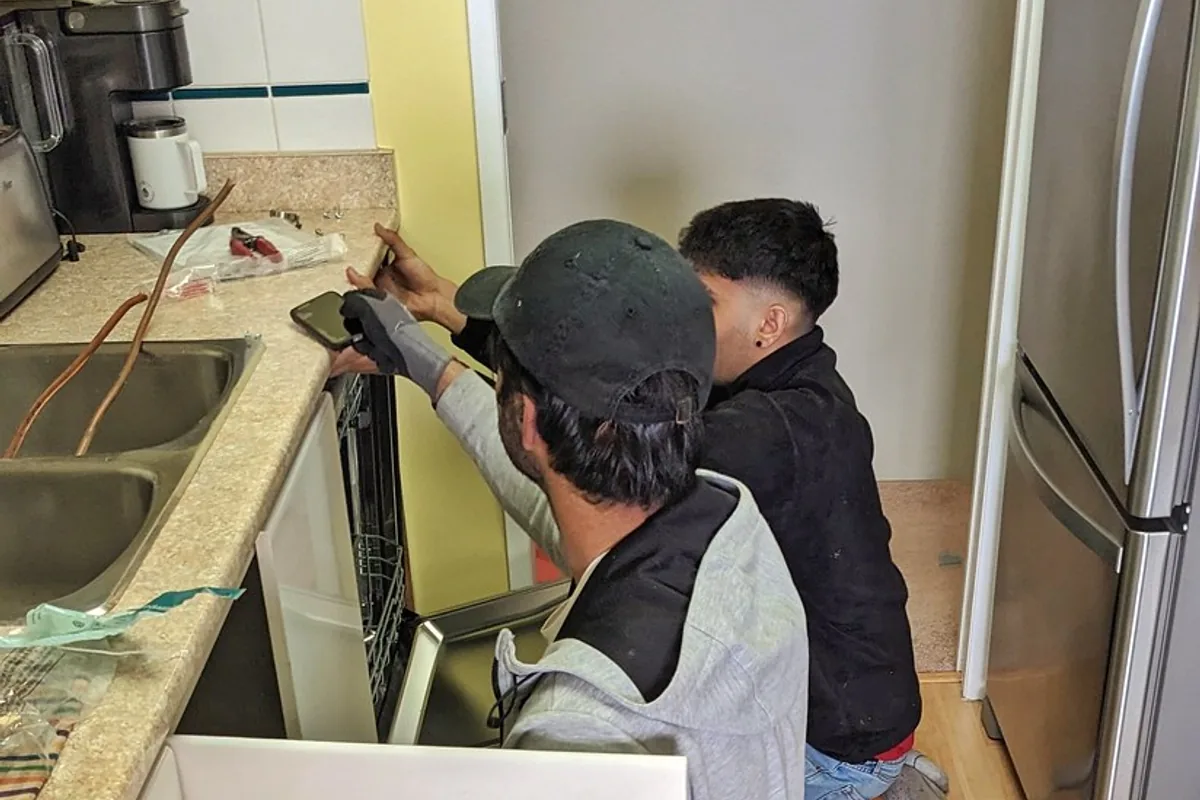
- Stage 3 — Under-counter integrated units: Lower adjustable leveling legs, remove perimeter worktop mounting brackets, disconnect inlet and waste hoses, and slide out dishwashers and front-load washing machines.
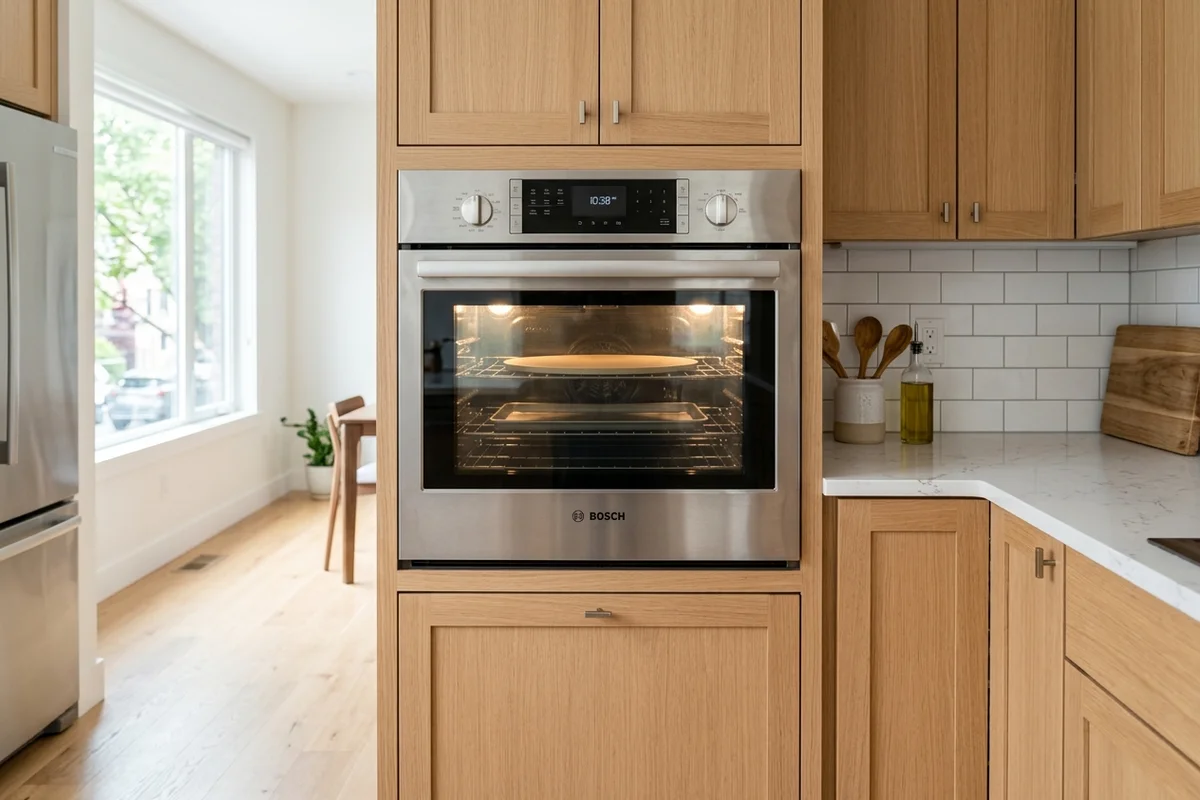
- Stage 4 — Built-in wall ovens and microwaves: Remove interior wire racks and glass trays, unscrew carcass face frame fixings, and slide heavy oven cavities smoothly onto supportive lifting dollies.
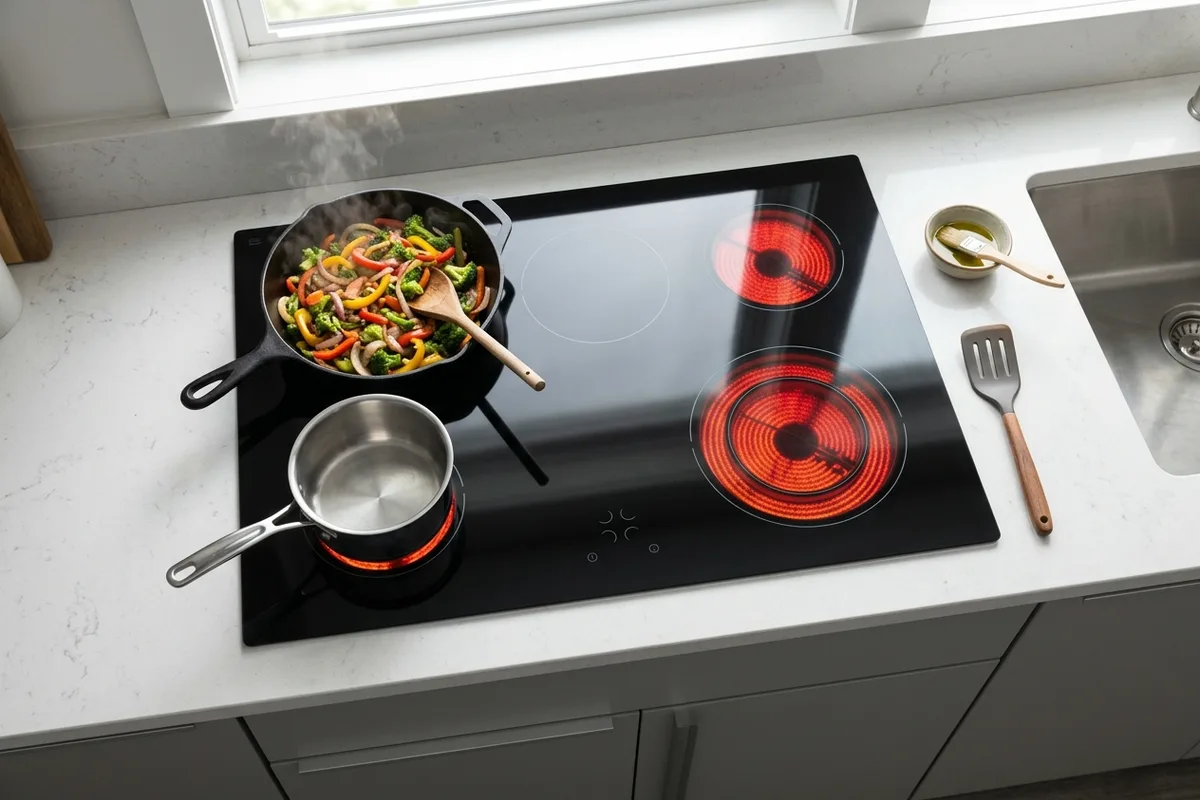
- Stage 5 — Overhead extractor hoods and hobs: Unclip built-in cooktops from countertop cutouts, disconnect flexible aluminium ducting, and unbolt wall-mounted extractor hoods from masonry walls.
Protecting worktops and finished surfaces
Even during a major kitchen remodel, certain elements—such as premium granite or quartz worktops, designer backsplashes, or adjoining dining area porcelain floor tiles—are often retained in the new design. Heavy appliances sliding out of tight cabinet openings can easily chip worktop edges or gouge floor tiles if unguided.
Professional removal crews place corrugated plastic sheets (Correx) or heavy felt floor runners along the transit path. Appliance lifting straps and non-marking rubber dollies keep heavy steel chassis elevated above finished floor surfaces.
Why single-trip bulk clearance prevents contractor delays
Allowing disconnected appliances to clutter the kitchen during active cabinetry demolition creates significant safety hazards and slows contractor progress. Staging all removed units in a garage, utility room, or hallway for a single synchronized collection clears the workspace immediately.
Furthermore, coordinating a single comprehensive removal visit helps property owners meet tight building management fit-out permit windows (NOC deadlines) and eliminates multiple elevator booking fees in residential towers.
Sustainable processing for renovation appliances
Renovation clearouts yield high-value recyclable materials. Old ovens, cooktops, and dishwashers contain substantial quantities of structural steel, copper wiring, and cast aluminium. Routing these units to certified UAE recycling facilities ensures non-hazardous material separation and responsible refrigerant evacuation for cooling equipment.