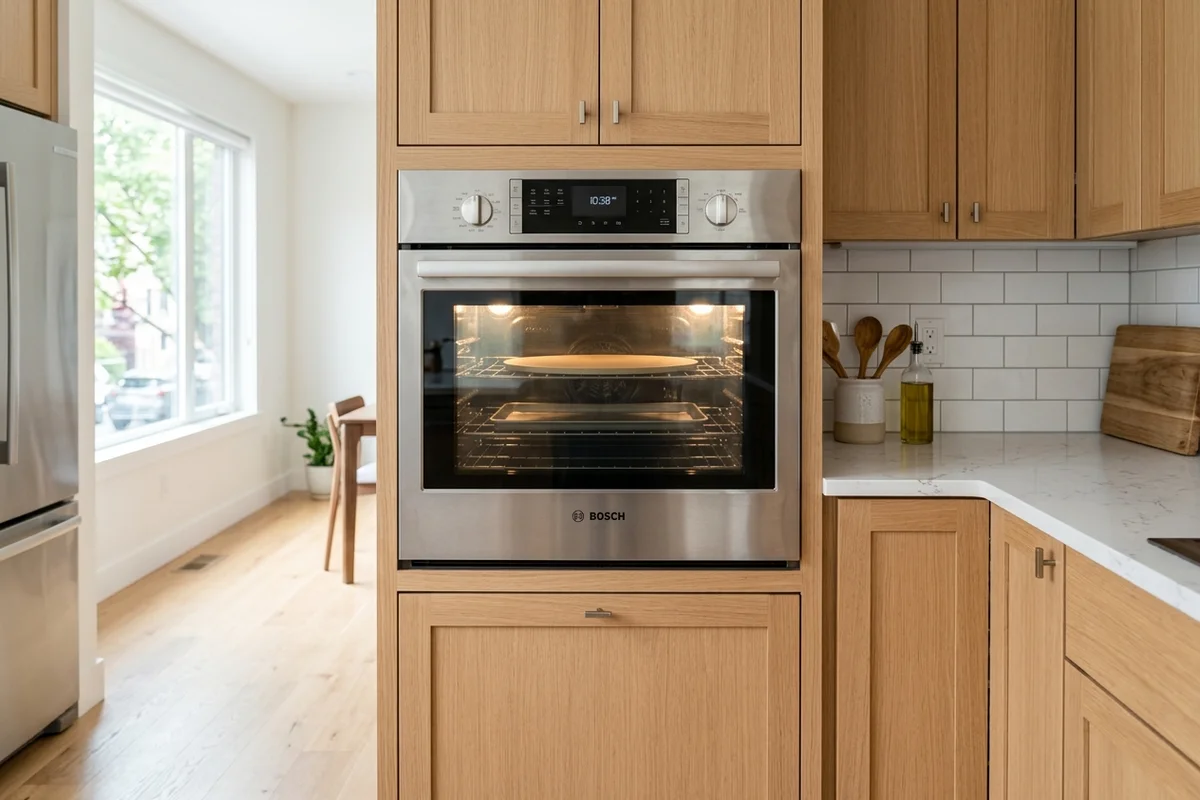
Getting rid of an old kitchen oven in Dubai looks simple until you try to pull it forward. Unlike a refrigerator or a washing machine, an oven is rarely just standing plugged into a standard wall socket. It is either built into a cabinetry tower or under a worktop, or it is a heavy freestanding cooker connected to a dedicated high-amperage electrical supply or a bottled gas line. Moving an oven safely requires isolating the supply, freeing the housing, and protecting surrounding surfaces before the heavy lifting begins.
The two ways an oven sits in a Dubai kitchen
Most homes in Dubai feature one of two oven arrangements. Recognizing which installation type you have determines how much preparation is involved before collection day.
Built-in wall ovens and under-counter units
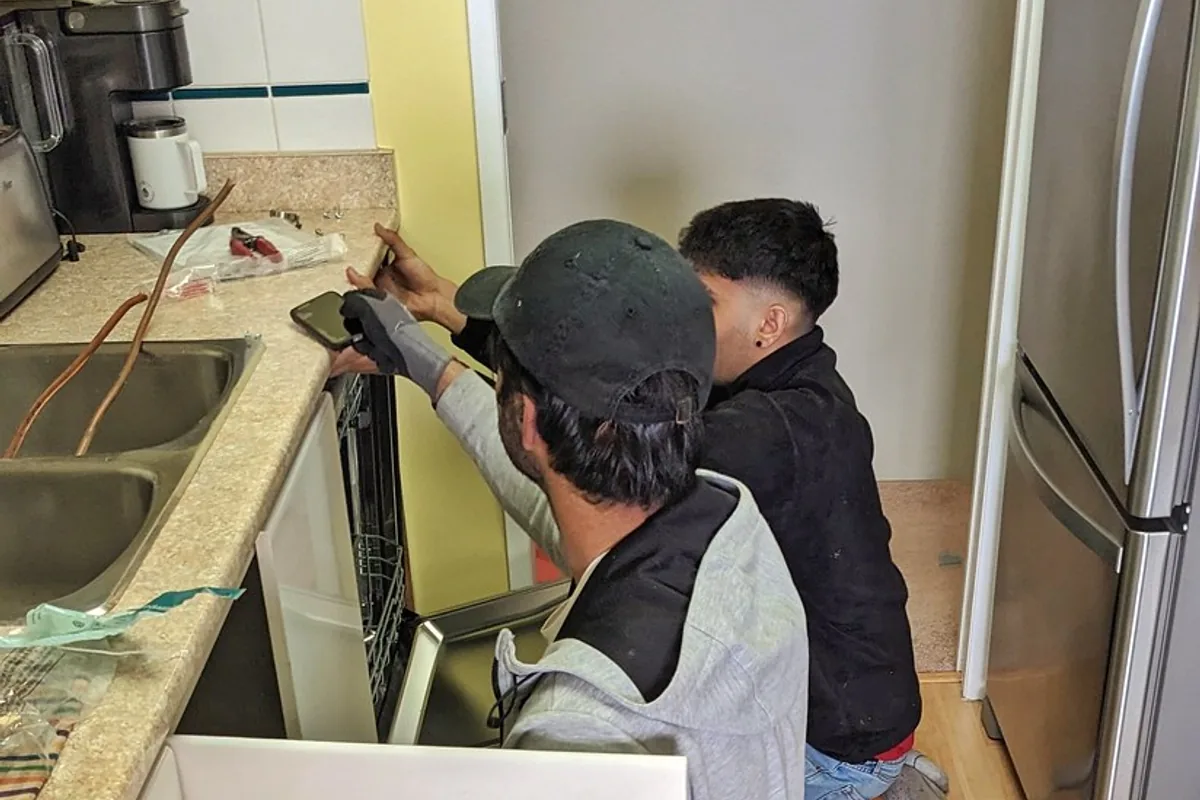
Built-in electric ovens slide into a standard 60cm or 90cm cabinetry housing. They are secured by two or four small fixing screws driven through the front metal trim directly into the cabinet carcass. Once those screws are undone, the unit slides forward on internal runners or rests directly along the shelf base.
Because a built-in oven has no exposed sides or feet, it must be supported immediately as it clears the cabinet opening. An eye-level wall oven requires two people to support its weight the moment it leaves the shelf, preventing it from tipping forward or dropping onto kitchen worktops.
Freestanding cookers and full ranges
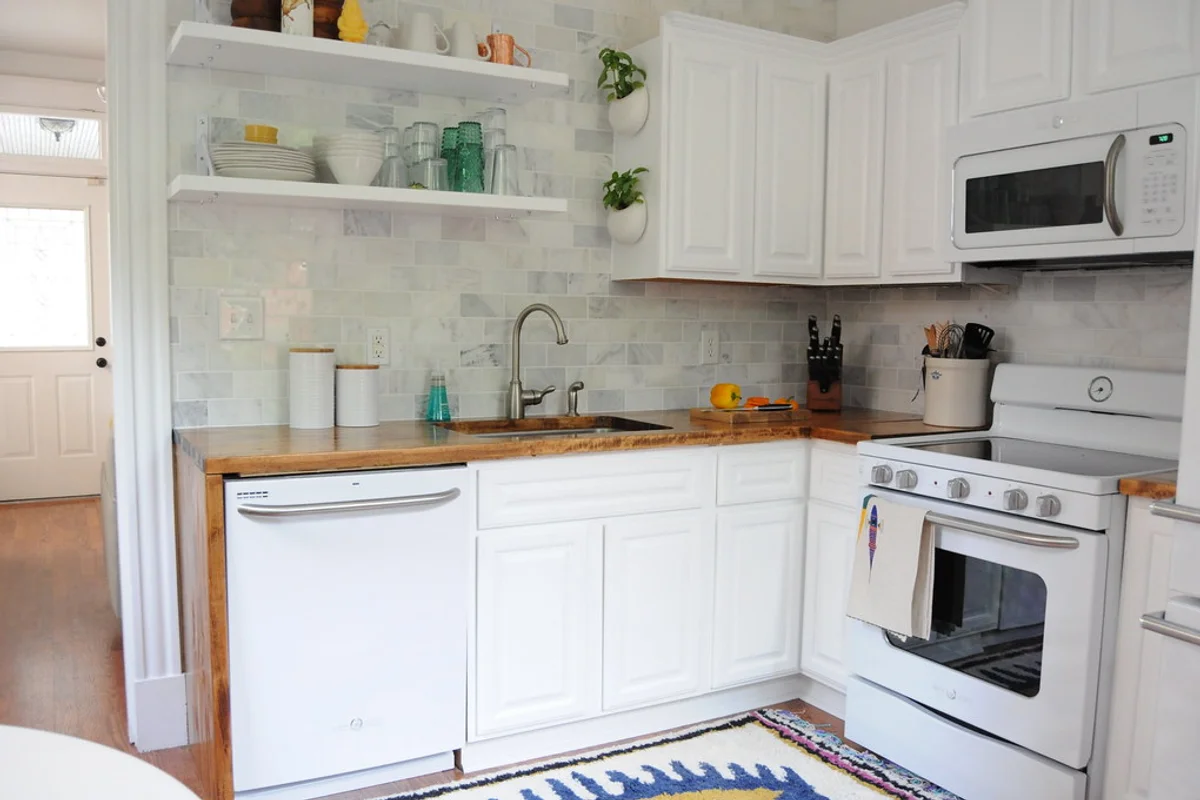
A freestanding cooker combines the oven cavity and cooktop into a single standalone chassis resting on the floor between counter units. These units are significantly heavier than built-in ovens because of their cast iron pan supports, steel chassis, and integrated hob assemblies.
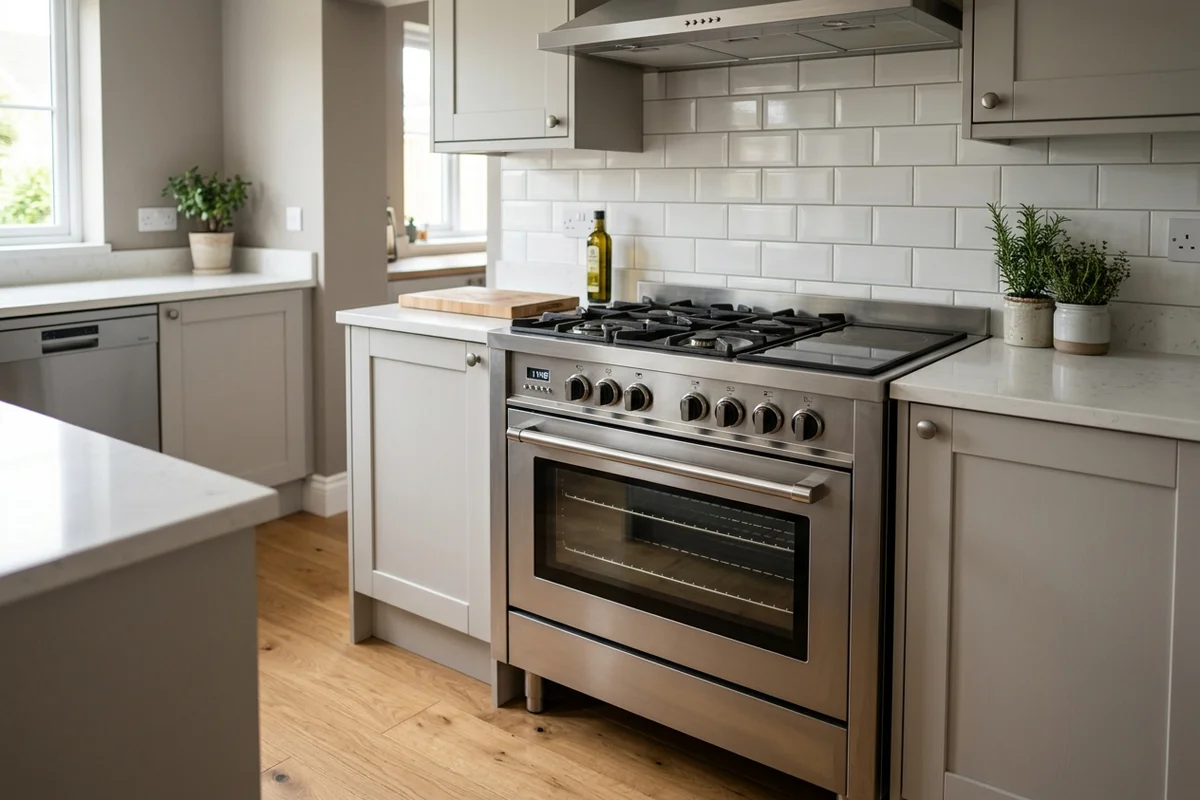
Freestanding units often feature adjustable levelling feet tucked beneath the front plinth. When sliding a freestanding cooker out from between kitchen base units, the main risk is dragging metal feet across floor tiles or catching the side edges against adjacent laminate cabinet doors.
Electrical circuits and gas supply disconnections
Disconnecting an oven is not always as simple as pulling a three-pin plug from a wall outlet. Ovens draw substantial power and are wired according to specific electrical standards.
Many electric ovens in Dubai are hardwired directly into a dedicated cooker connection unit (CCU) or a high-amperage 32A/45A double-pole isolator switch on the kitchen wall. Before touching any wiring behind the unit, the cooker circuit breaker in the main distribution board must be switched off. If you are unsure how the unit is wired, having a qualified electrician isolate and disconnect the flex cable ensures the terminals are made safe.
For gas cookers fed by LPG cylinders (common in many villa communities), the cylinder valve must be closed completely and the regulator detached before moving the cooker. Fixed piped gas connections in apartment buildings should be isolated at the safety shut-off cock by building facilities or an approved gas technician.
Protecting kitchen cabinetry and flooring
Kitchen repairs in Dubai are costly, and kitchen cabinetry edges are vulnerable to metal-on-wood scrapes when pulling out an oven. Taking five minutes of preparation prevents expensive damage:
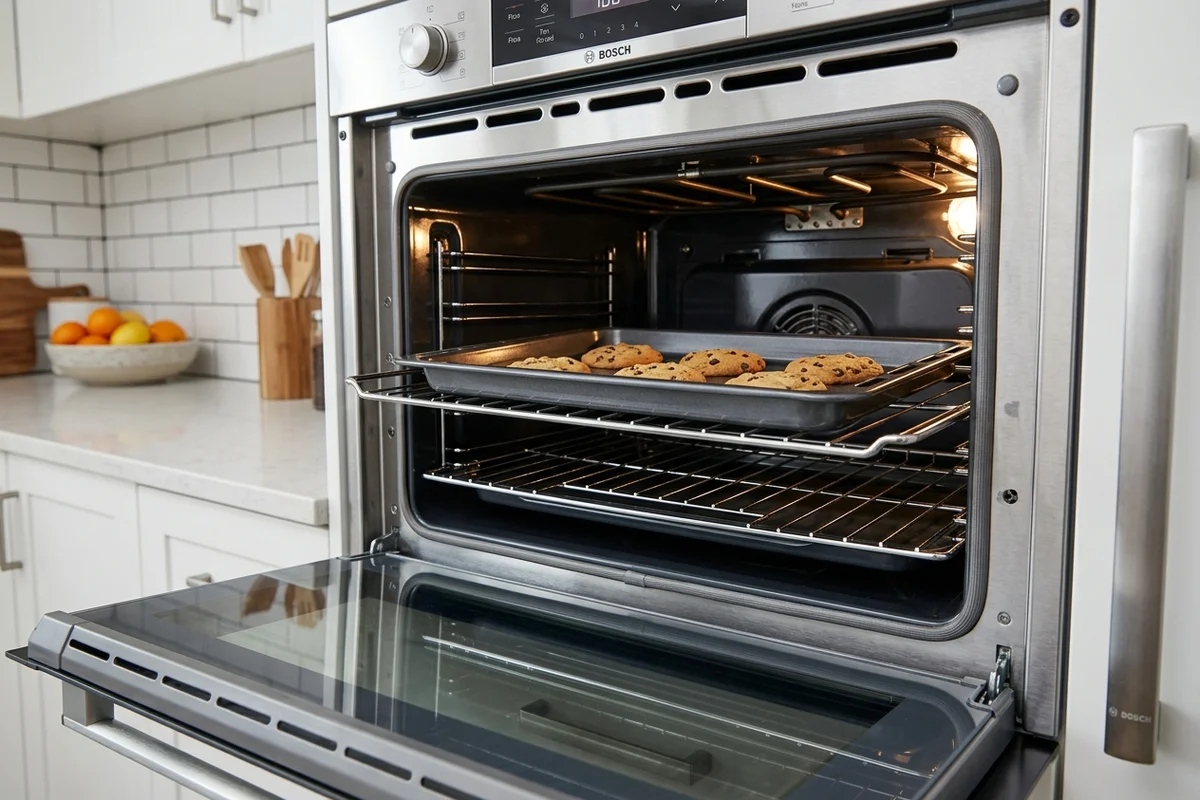
- Remove internal wire racks, baking trays, and rotisserie rods first to reduce weight and stop loose items sliding around.
- Tape the oven door firmly shut with painters tape or low-tack cloth tape to prevent the glass door dropping open mid-lift.
- Lay cardboard, moving blankets, or thick plastic floor runners directly in front of the cooker to protect porcelain or marble floor tiles.
- Check behind the unit as you slide it forward to ensure the electrical flex or gas hose is not snagged or under tension.
What to do before the collection crew arrives
A professional junk removal crew will lift, carry, and load the old oven from your kitchen into their vehicle, but they handle physical haulage rather than electrical or gas work.
Ensure the appliance is disconnected from its power source and gas supply, completely empty of food and cookware, and free to be lifted from its recess. If the oven is located in an apartment building, check whether your building management requires a gate pass or service elevator booking for bulky item removal.
Where an old oven goes after collection
Domestic ovens are constructed primarily from valuable and recyclable materials. The exterior body and internal cavity consist of heavy-gauge sheet steel and enamelled steel, while heating elements, wiring harnesses, and control selector switches contain recyclable copper and aluminium.
When collected responsibly, decommissioned ovens are transferred to certified scrap metal and e-waste processing facilities where the glass door panels, mineral wool thermal insulation, and metal scrap are separated into distinct recycling streams. If an oven is still functional, passing it on or listing it during a renovation keeps working equipment out of waste streams altogether.
Whether replacing an outdated cooker or clearing out appliances during a full kitchen renovation, treating disconnection, cabinetry protection, and collection as distinct steps makes oven removal completely stress-free.