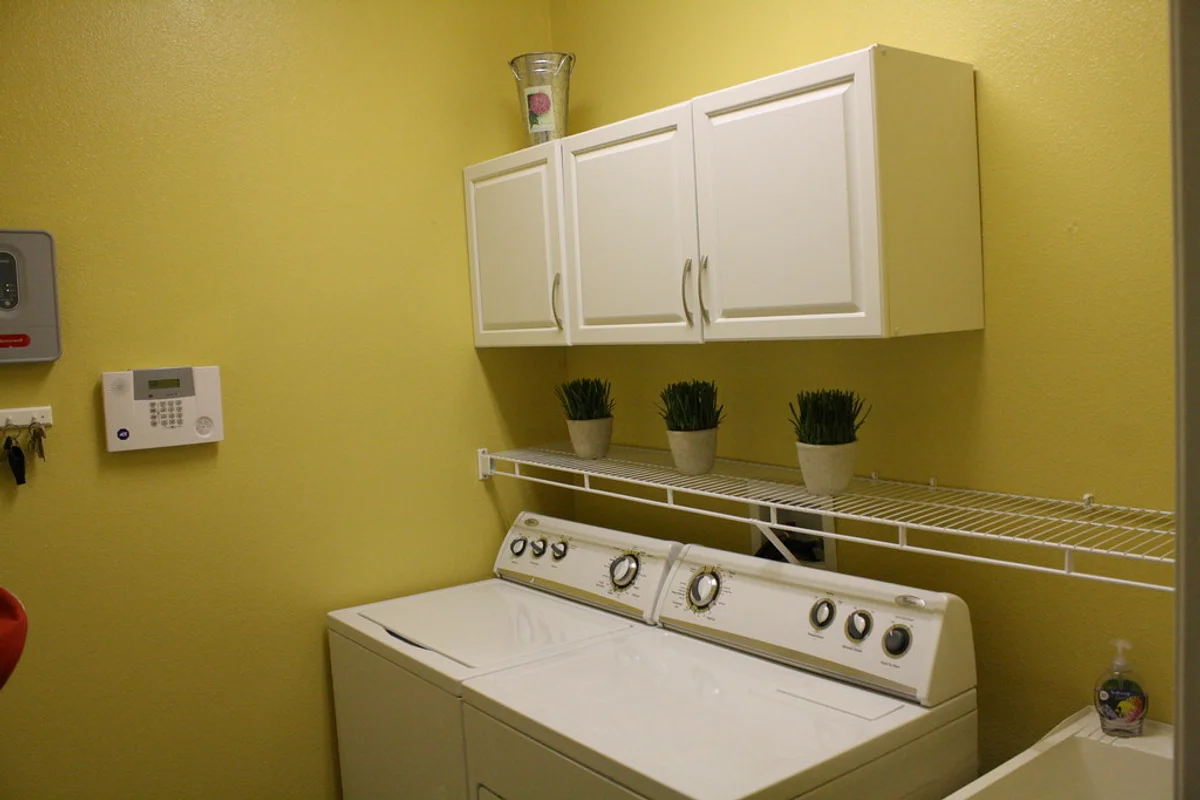
A washing machine looks like an ordinary metal cube until you try to slide it out from under a kitchen counter or carry it across an apartment. Behind the white enamelled casing sits up to thirty kilograms of solid concrete ballast, high-tension suspension springs, and several litres of stale water trapped inside the pump sump and drain hoses. That combination makes washing machine removal in Dubai a job with two distinct halves: careful mechanical preparation inside the home, and heavy-carry haulage down through the building.
Why washing machines are heavier than they look
A modern domestic washing machine typically weighs between 65 and 85 kilograms, despite occupying a compact 60-centimetre footprint. Most of that weight is not the motor or the steel cabinet, but dense concrete counterweights bolted directly to the outer tub. These blocks prevent the appliance from walking across the floor during a 1,400-RPM spin cycle, but they also concentrate intense point loads on small levelling feet. Where the steel, copper and plastic go once the machine is collected is explained in washing machine disposal after collection.
- Front-loading washers carry the bulk of their ballast low and forward, making them prone to tipping forwards when tilted.
- Top-loading machines are lighter in concrete weight but taller, with a higher centre of gravity that shifts unexpectedly during a carry.
- Integrated or built-in machines sit recessed beneath countertops, where levelling feet often bite into soft tile joints or laminate flooring.
- Stacked washer-dryer configurations require removing the upper dryer unit completely before the washing machine can be shifted.
The four-step disconnection process before collection
Removal crews handle physical haulage and vehicle loading, but water and electrical disconnections should be completed before the collection team arrives to prevent accidental leaks or electrical faults.
- Turn off the cold and hot water isolation valves located either behind the machine or beneath the adjacent kitchen sink.
- Unplug the main power lead from the wall socket, coil the cable neatly, and tape the plug to the machine's rear panel so it cannot drag underfoot.
- Unscrew the threaded water inlet hose from the wall valve, holding a small bowl underneath to catch the initial line pressure.
- Carefully unhook the corrugated grey waste drain hose from the wall standpipe or sink trap spigot, keeping the open end raised to avoid backflow.
Draining residual water to protect apartment floors
Even when a washing cycle finishes normally, the internal drain pump, sump hose, and filter housing retain two to five litres of water. Tipping the machine backwards during a carry immediately sends this dirty water rushing out of the drain hose and base vents across your floorboards, corridor carpets, and the shared service lift.
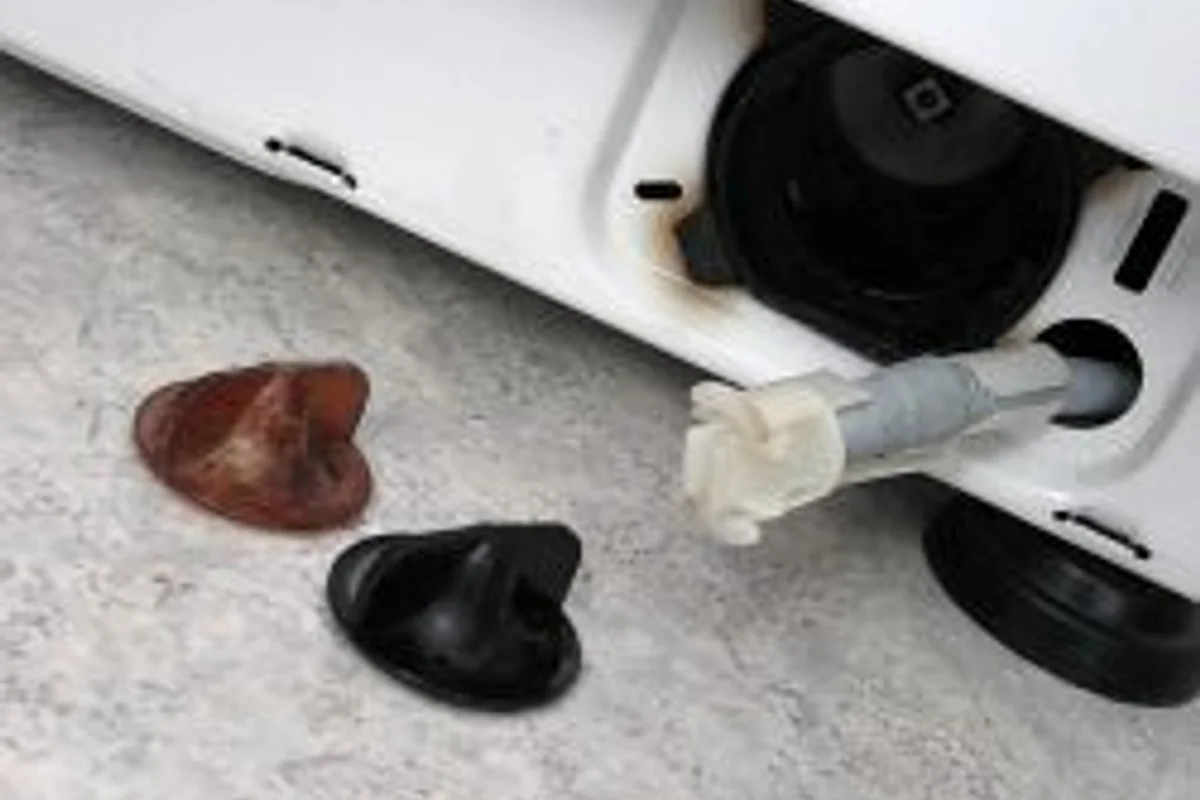
Every front-loading washing machine has a small rectangular service flap at the bottom right or left of its front panel. Behind this flap sits a twist-out debris filter and, on most models, a small pull-out rubber drain tube with a stopper. Lay an old towel and a low baking tray flat against the floor, pull the small drain tube, and empty the water into the tray before unscrewing the main filter cap.
Getting the unit out of tight kitchen and utility spaces
In many Dubai apartments across Downtown, Dubai Marina, and Jumeirah Village Circle, washing machines are fitted inside narrow utility cupboards or behind kitchen plinth boards. Extracting a 75-kilogram machine from a tight enclosure requires steady, level pulling rather than aggressive jerking.
- Remove the bottom kitchen plinth or kickboard completely to ensure the machine's feet do not catch on the wooden trim.
- Wiggle the machine gently side to side while pulling forward from the base frame rather than grabbing the door handle.
- Place a sheet of heavy cardboard or a protective slider mat under the front feet as soon as they clear the cabinet recess.
- Keep the machine upright throughout the room exit to prevent remaining water from spilling onto internal electronic control boards.
Building permissions and service lift logistics in Dubai
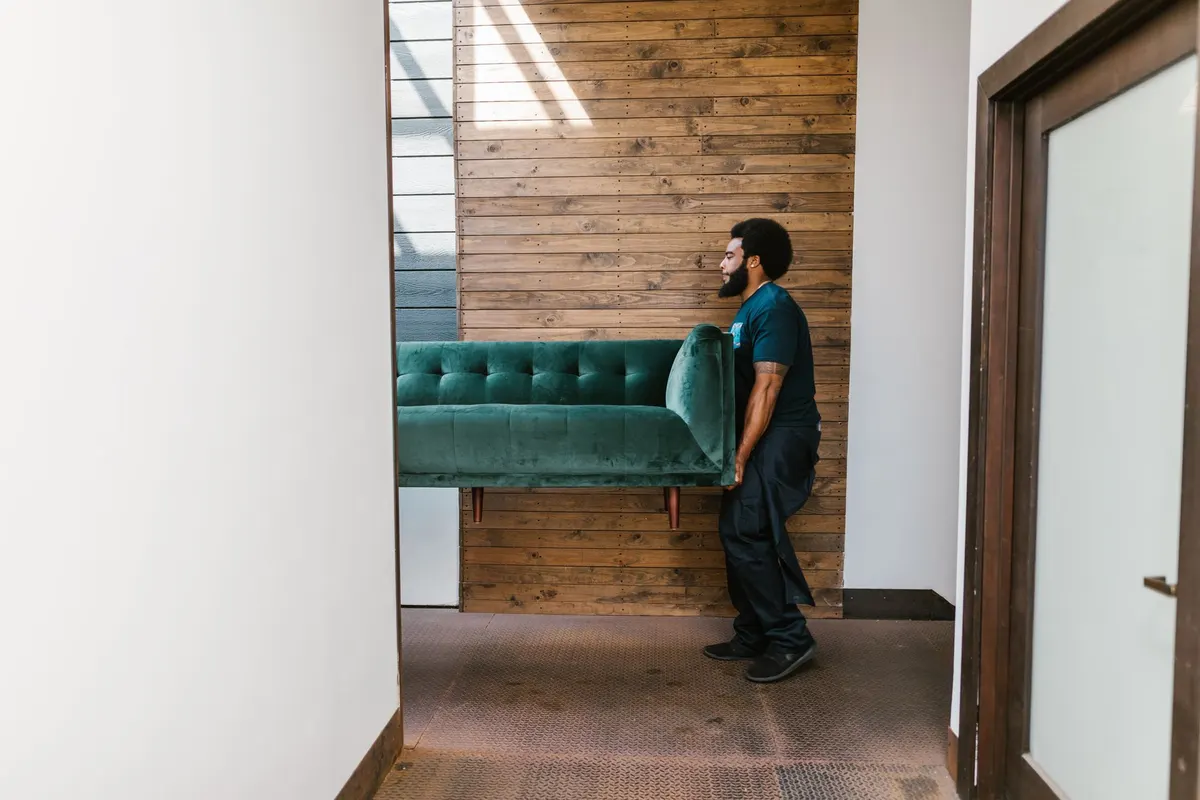
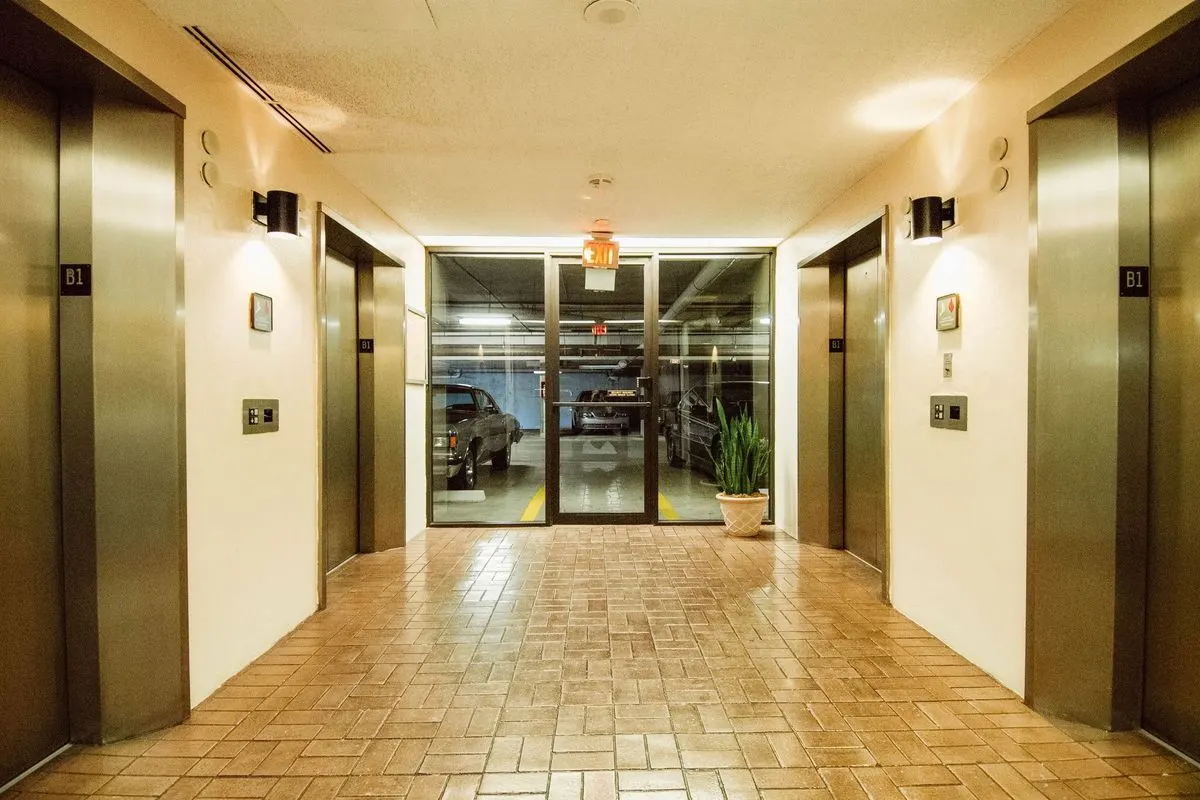
Moving major domestic appliances out of a residential tower requires coordinating with building security and property management. Unlike a bag of loose rubbish, an 80-kilogram appliance must travel via the dedicated service elevator, not passenger lifts, to prevent mechanical damage and protect communal finishes.
- Check your building's move-out and contractor policy to see if a formal gate pass or entry permit is required.
- Reserve the service elevator for your collection slot to ensure the crew does not get held up in lobby corridors.
- Confirm that the collection crew brings heavy-duty appliance sack barrows with non-marking rubber tyres.
- Verify that the path from the utility cupboard through the front doorway is cleared of shoe racks and loose floor rugs.
Where old washing machines go after collection
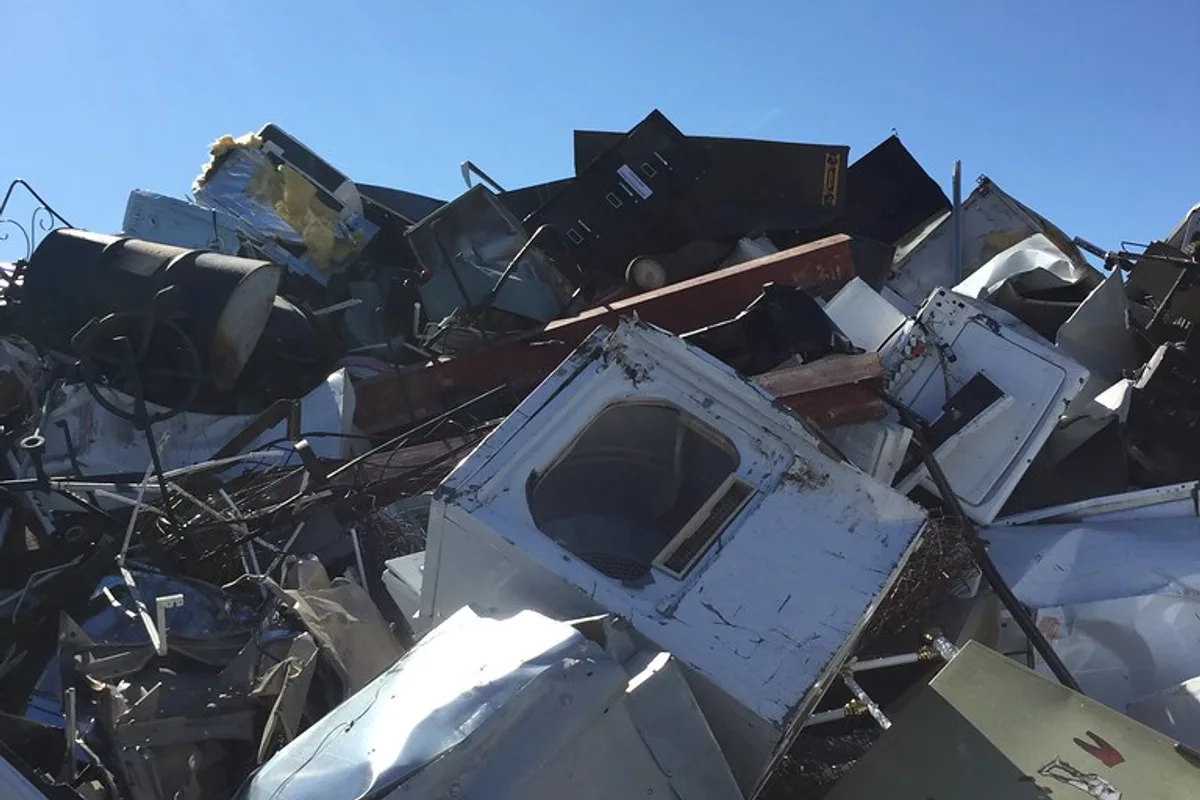
Washing machines are among the most recyclable large household appliances. After pickup, machines that have reached the end of their operational life are routed to licensed UAE recycling facilities. The heavy steel outer casing, stainless steel drum, copper motor windings, and internal wiring harnesses are mechanically separated from the plastic housing and concrete ballast for secondary material recovery.
Preparing a washing machine for collection takes less than fifteen minutes when done systematically: isolate the valves, drain the pump filter, and clear the exit path. With the water emptied and the route prepared, a professional two-person crew can load and remove the appliance cleanly in a single swift visit.