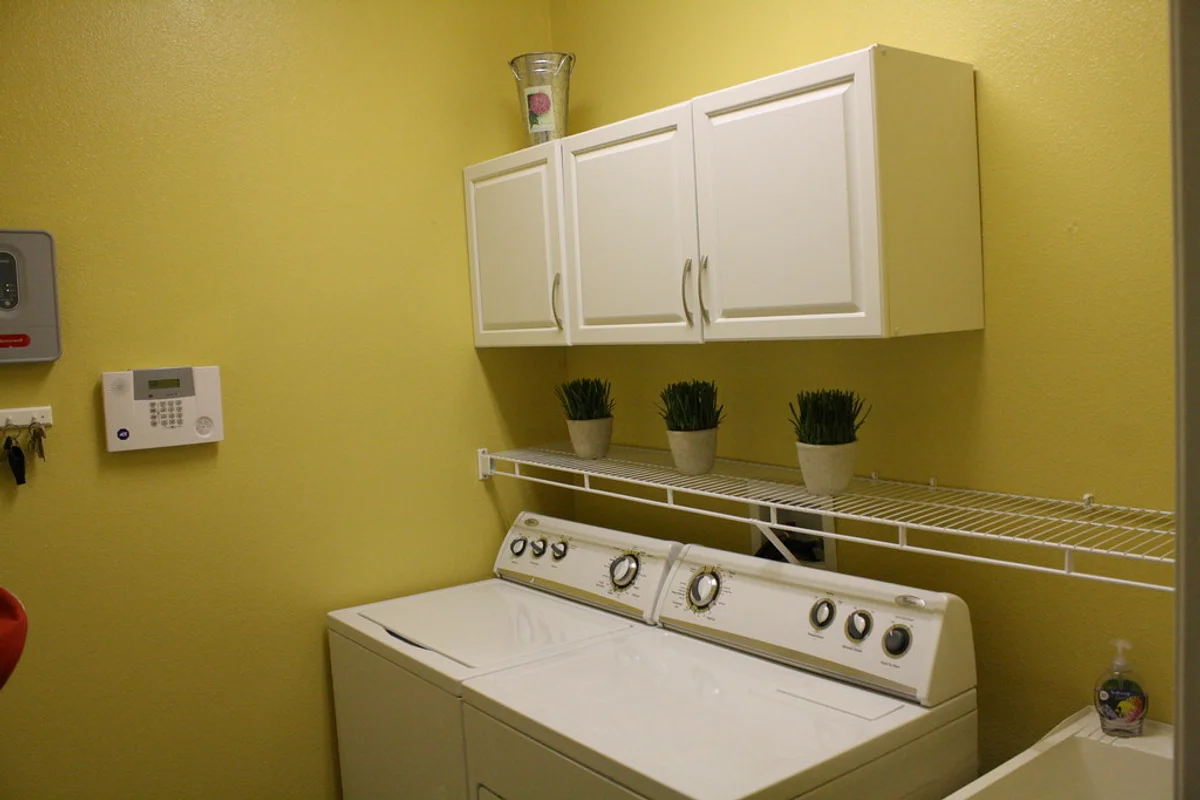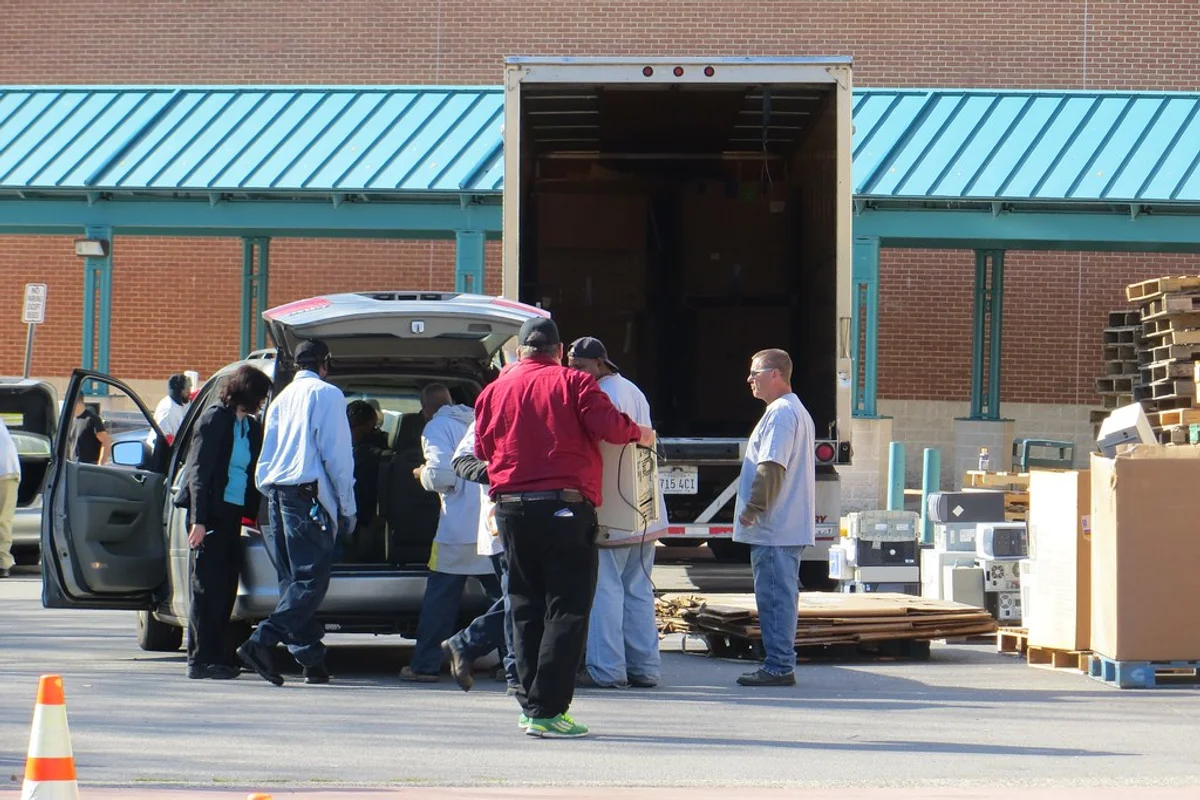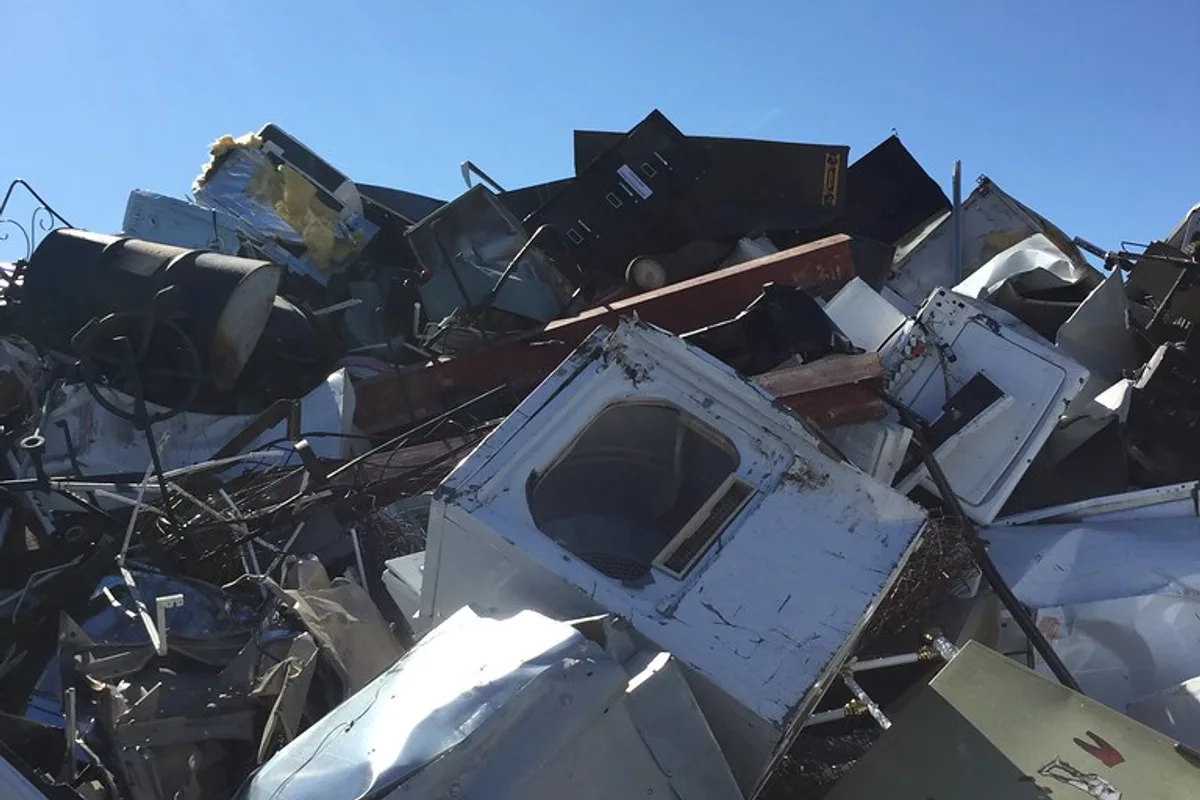
A washing machine that isn't worth repairing raises a question that's separate from how it gets out of the flat: what does disposal actually mean once it's gone? Getting a heavy appliance out of a kitchen or utility room is its own practical job. What happens to it afterwards is a genuinely different subject, and it's worth understanding before writing the machine off as just another thing to haul away.
What actually happens once a washing machine is collected
Disposal doesn't mean landfill. A washing machine that's genuinely beyond repair is broken down into distinct material streams at a recycling facility, because its parts carry very different value and take very different routes once separated. A whole intact machine isn't worth much to anyone — the same machine split into steel, copper, and plastic is worth recovering properly. The disconnection, drainage and carry are covered separately in washing machine removal in Dubai.
The four materials that come out of a decommissioned washing machine
Before a washing machine reaches a scrap yard, it separates into four broad material groups, each processed and sold differently.
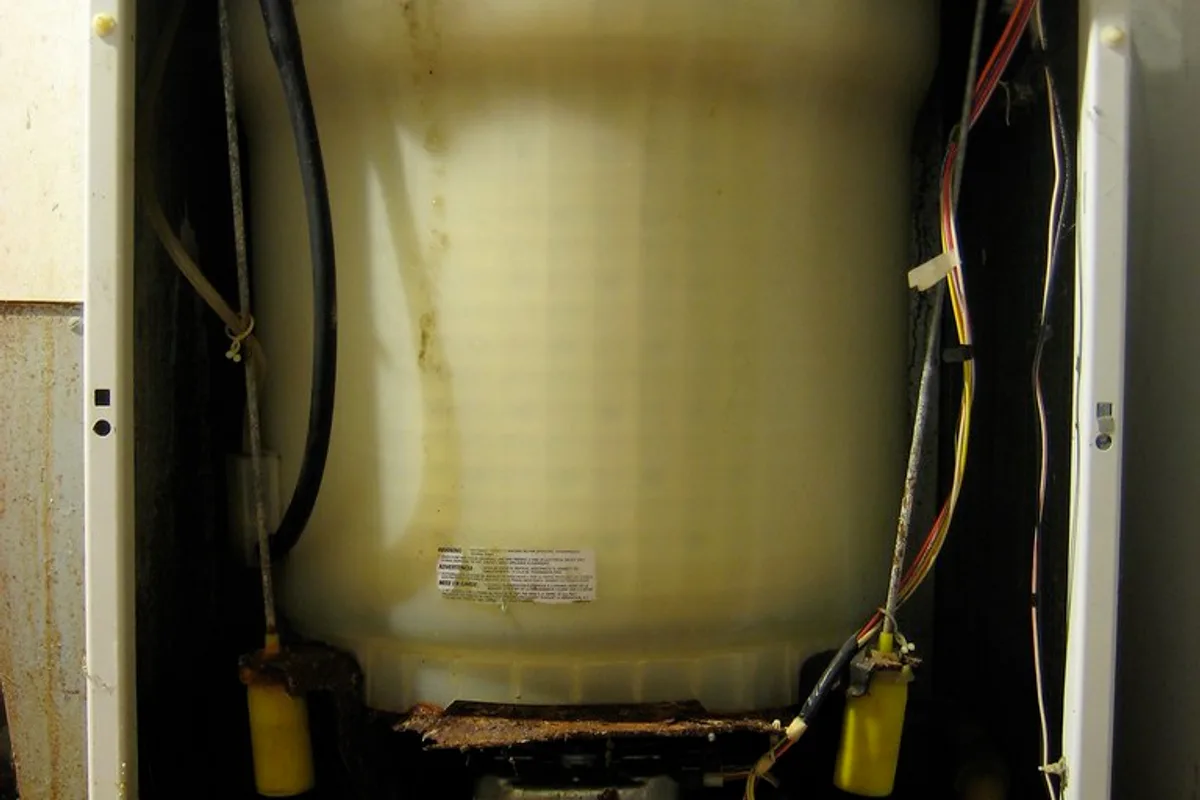
- Steel casing and drum: the outer cabinet and inner drum make up most of the machine's weight and are pulled out magnetically at a scrap facility, then sold as ferrous scrap for smelting.
- Copper motor windings: the electric motor contains coiled copper wire, the single most valuable material by weight in the whole appliance, stripped out and sold separately from the steel.
- Plastic tub and panels: the inner wash tub, detergent drawer, and control panel housing are usually reinforced plastic — low scrap value, but recoverable through separate plastics processing.
- Rubber door seal and glass door: front-loading machines add a rubber gasket and a tempered glass door, both handled as their own waste streams because they contaminate steel and plastic recycling if left mixed in.
Why the steel casing is the easiest part to recover
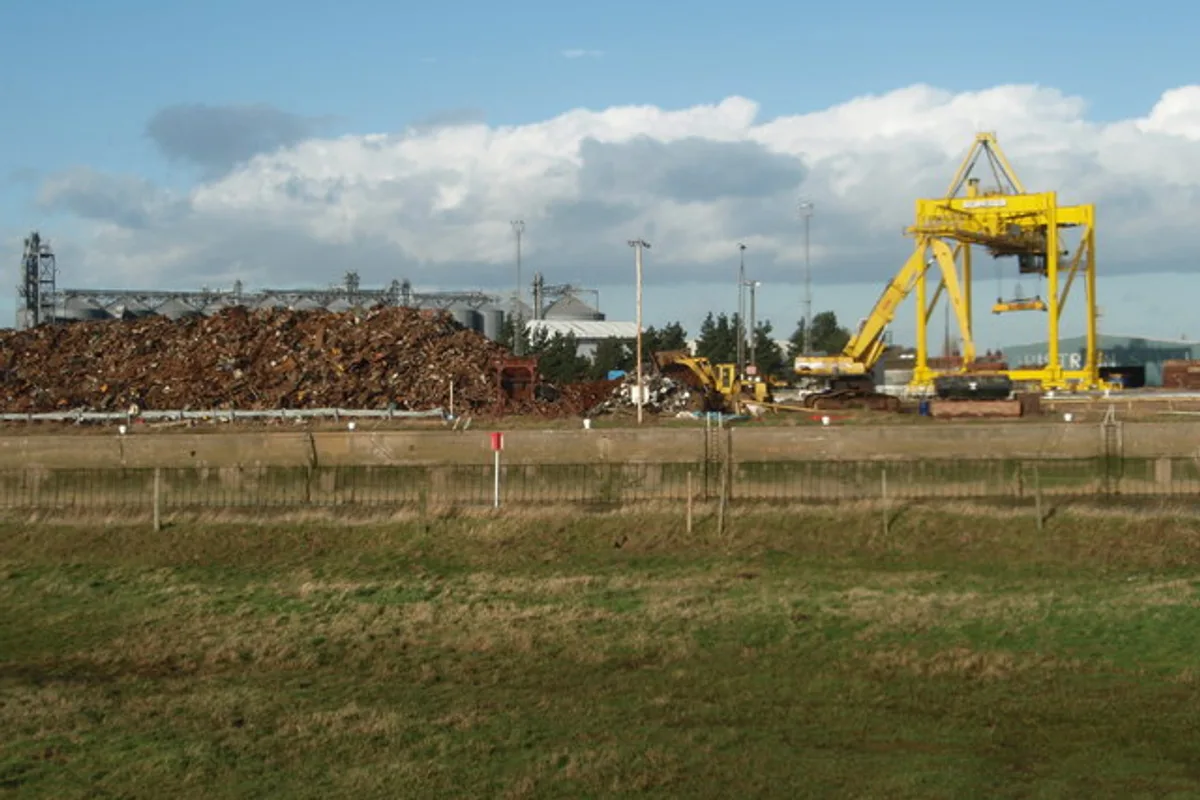
Steel is magnetic, plentiful, and easy to separate from everything else at a scrap facility, which is why it's the first material pulled out of any mixed appliance load. A single washing machine doesn't carry much value on its own, but scrap yards process appliances by the truckload, and steel recovered this way re-enters the supply chain as construction rebar or new sheet steel rather than sitting in a landfill indefinitely.
Where the copper motor windings end up
Copper is worth many times more than steel by weight, so the motor is pulled out and its windings are stripped or shredded separately rather than left attached to the drum. This is the one part of a washing machine a scrap buyer looks at closely — the frame and casing are treated as bulk tonnage, but the copper is weighed and priced on its own.
Before disposal: is the machine still worth selling or donating?
A washing machine that's only a few years old and still runs is worth listing on local classifieds or offering to a community group before it goes anywhere near a scrap route — plenty of residents look specifically for a cheap secondhand machine for a maid's room, staff accommodation, or a rental unit between tenants. Disposal is the right call once a machine has a genuine fault that isn't worth the repair bill, not simply because it's been replaced by a newer model.
When a washing machine is genuinely beyond saving
A drum bearing failure, a cracked outer tub, or a water-damaged control board usually costs more to fix than a replacement machine, and at that point resale isn't realistic — donating a machine that leaks or won't spin just passes the same problem on to someone else. This is the point where material recovery, not resale, is the honest option, and it's also where the four-material breakdown above actually gets applied.
Arranging collection once the decision is made
Getting a washing machine out of a kitchen or utility room — disconnecting hoses, draining trapped water, and navigating it through doorways and service lifts — is a distinct practical job of its own. Once it's collected, routing it to a facility that actually separates these materials, rather than sending it whole to general waste, is what makes the difference between disposal and genuine recovery. Of everything in an average home, a washing machine is one of the more straightforwardly recyclable items — only the plastics and the rubber seal are genuinely hard to recover, and even those have a place to go.