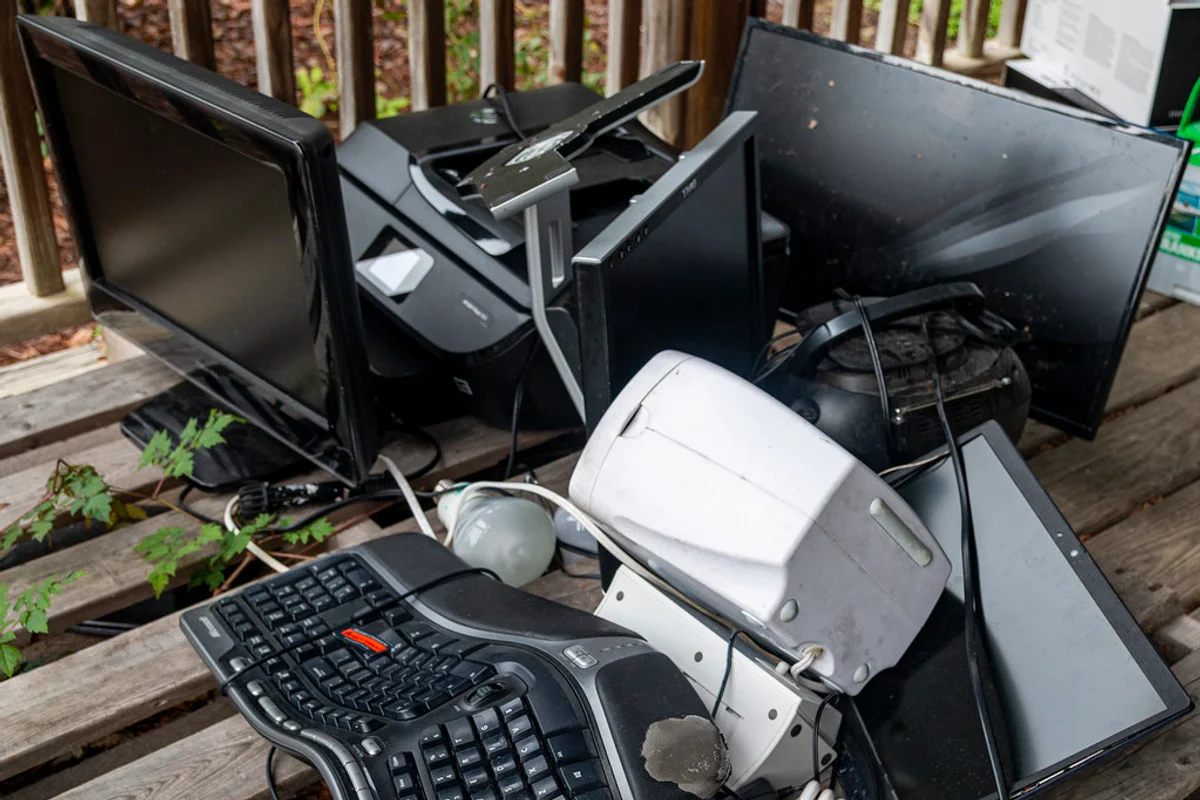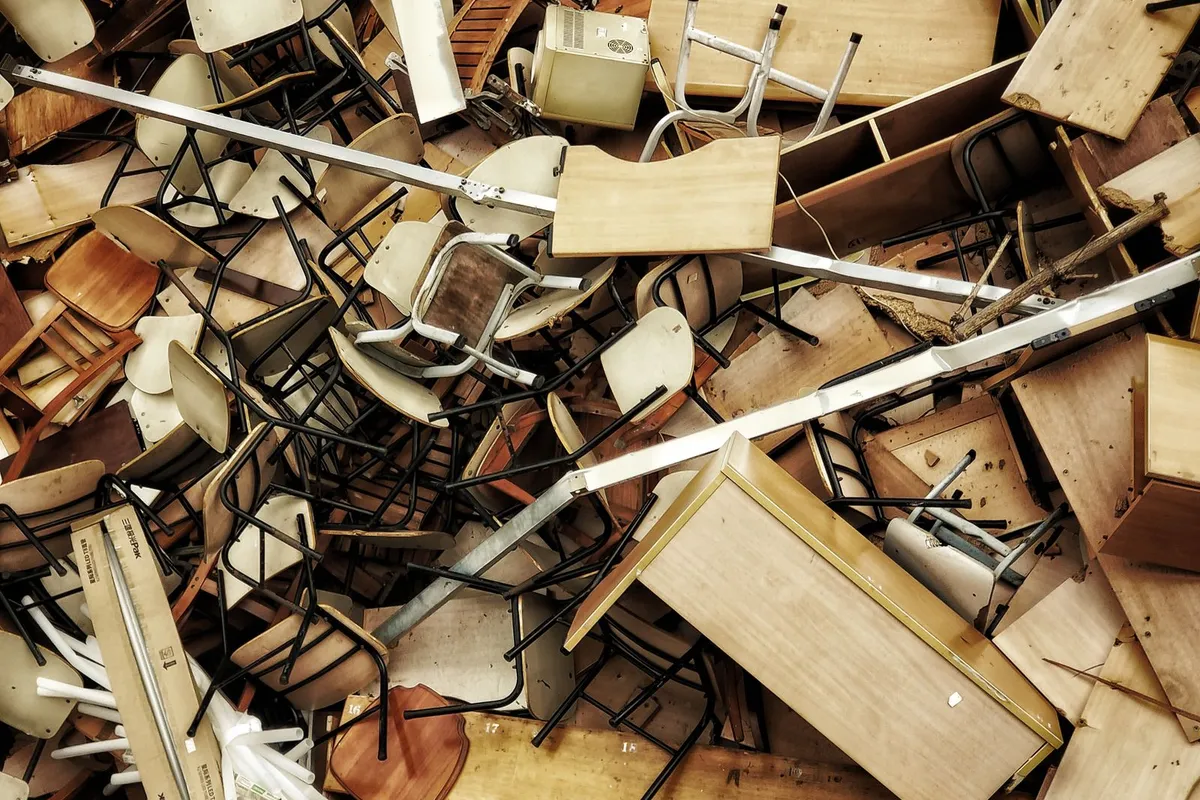
Every year thousands of redundant computers, flat-screen displays, kitchen gadgets, and networking devices reach the end of their usable life across Dubai's residential communities and commercial towers. Unlike organic rubbish or inert demolition rubble, electronic equipment represents a complex matrix of scarce recoverable resources alongside hazardous chemical compounds that cannot be safely buried in municipal landfill sites.
The four major material streams recovered from electronics
When retired electronics enter certified recycling facilities in the UAE, the primary objective is separating multi-material assemblies into pure, single-fraction industrial commodities ready for smelting and re-manufacturing. To book the collection that feeds this process, see e-waste pickup in Dubai; for the drop-off points, where to recycle electronics in Dubai.
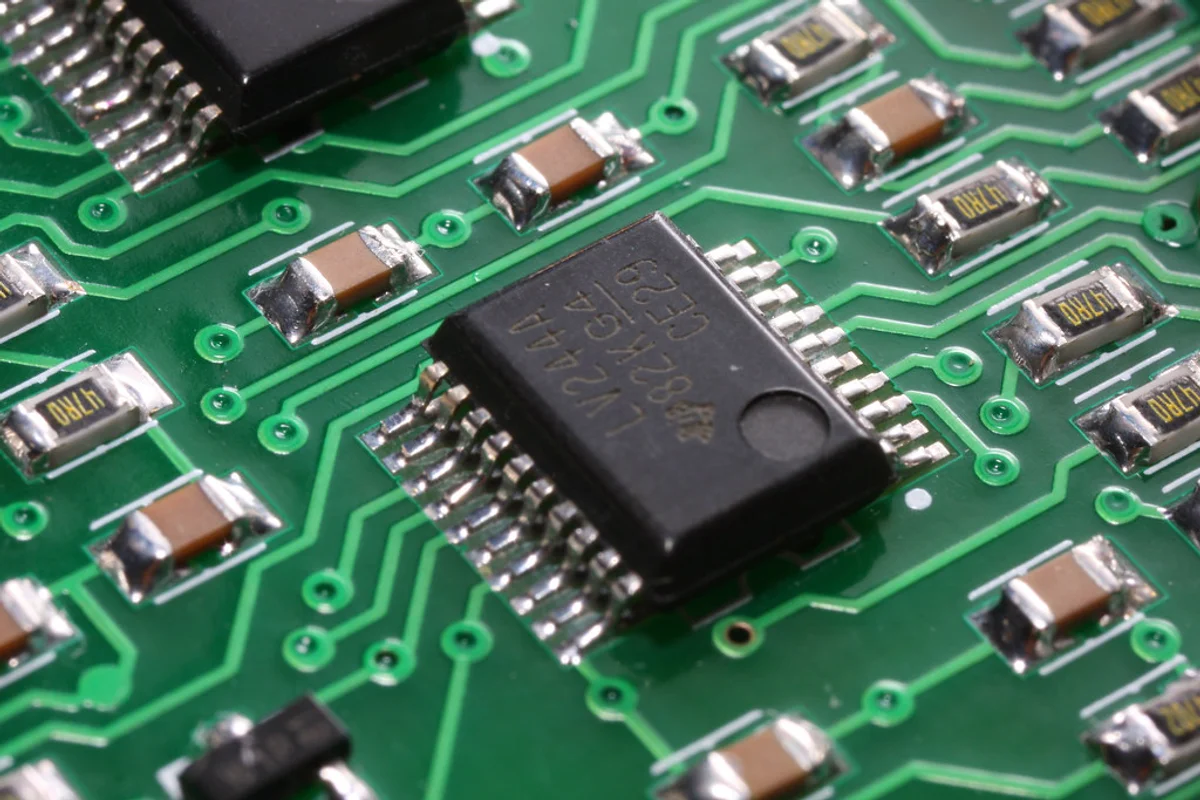
- Precious and non-ferrous metals: Printed circuit boards and chip connectors contain recoverable concentrations of gold, silver, palladium, and pure copper that exceed the density of natural mineral ores.
- Ferrous structural metals: Heavy computer chassis, server rack rails, transformer cores, and appliance backplates yield clean mild steel that melts directly in regional electric arc furnaces.
- Engineering thermoplastics: External casings and monitor bezels are shredded and density-sorted into clean Acrylonitrile Butadiene Styrene (ABS) and Polycarbonate (PC) polymer pellets.
- Specialty technical glass: Optical scanner beds, photocopier platens, and flat-panel display layers are processed separately to isolate leaded formulations from standard container glass.
Hazardous substances and environmental containment
The environmental necessity of dedicated electronics recycling stems from the hazardous elements embedded in older microelectronics and power components. Discarding electronics into general dumpsters exposes these substances to desert heat and physical crushing, risking soil and groundwater contamination.
- Lead and cadmium: Commonly found in older soldering alloys, printed circuit boards, and cathode ray tube glass formulations.
- Mercury switches and backlights: Present in older Cold Cathode Fluorescent Lamp (CCFL) backlit monitors and industrial control sensors.
- Brominated flame retardants (BFRs): Chemical additives in plastic housings that require controlled thermal separation to prevent toxic gas emissions.
- Lithium-ion battery chemistries: Volatile cobalt and nickel-rich energy cells that represent severe thermal runaway fire risks when punctured by general waste compactors.
How certified facilities process electronic waste step by step
Certified e-waste recovery operates through an engineered sequence of manual pre-sorting followed by automated mechanical shredding, air classification, and optical sorting.
- Manual depollution: Technicians manually detach hazardous components including lithium batteries, mercury lamps, oil-filled capacitors, and ink cartridges.
- Primary shredding: Cleaned chassis and circuit boards pass through slow-speed rotary shear shredders that reduce equipment into uniform two-inch fragments.
- Magnetic and eddy-current separation: Powerful overhead magnets pull out ferrous steel, while high-frequency eddy-current separators propel aluminium and copper into dedicated collection bins.
- Optical and density air classification: Vibrating air tables and optical sensors separate lightweight shredded plastics from dense precious metal fragments.
Corporate IT asset disposition vs household electronics recycling
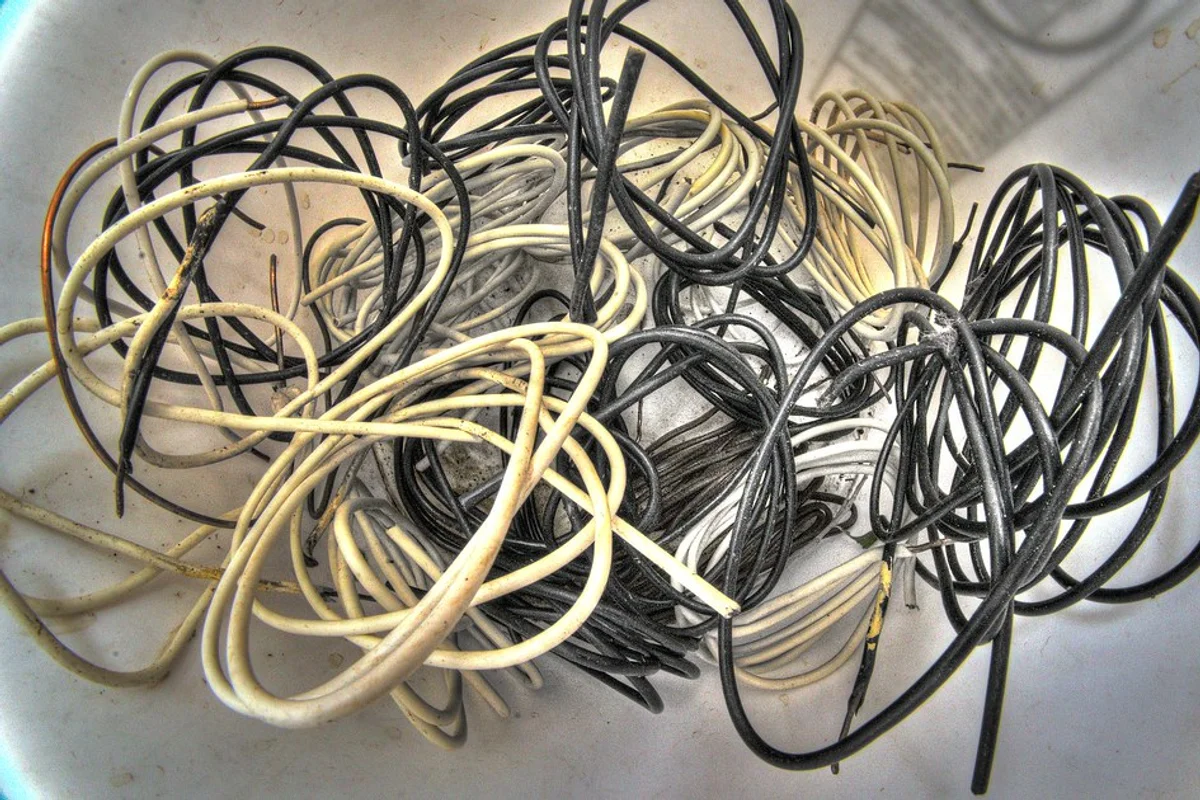
While residential recycling focuses on convenient collection of old household gadgets, laptops, and cables, corporate IT asset disposition (ITAD) involves strict chain-of-custody tracking, asset tagging, and certified data sanitization.
- Asset registration: Commercial collections often include logging device serial numbers, model types, and departmental ownership before removal.
- Storage sanitization: Businesses can opt for physical hard drive degaussing or mechanical drive shredding to ensure corporate data compliance.
- Consolidated logistics: Office clearouts in commercial hubs like DIFC, Downtown, and Business Bay utilize freight elevator bookings and coordinated weekend loading schedules.
Booking a verified electronics collection in Dubai
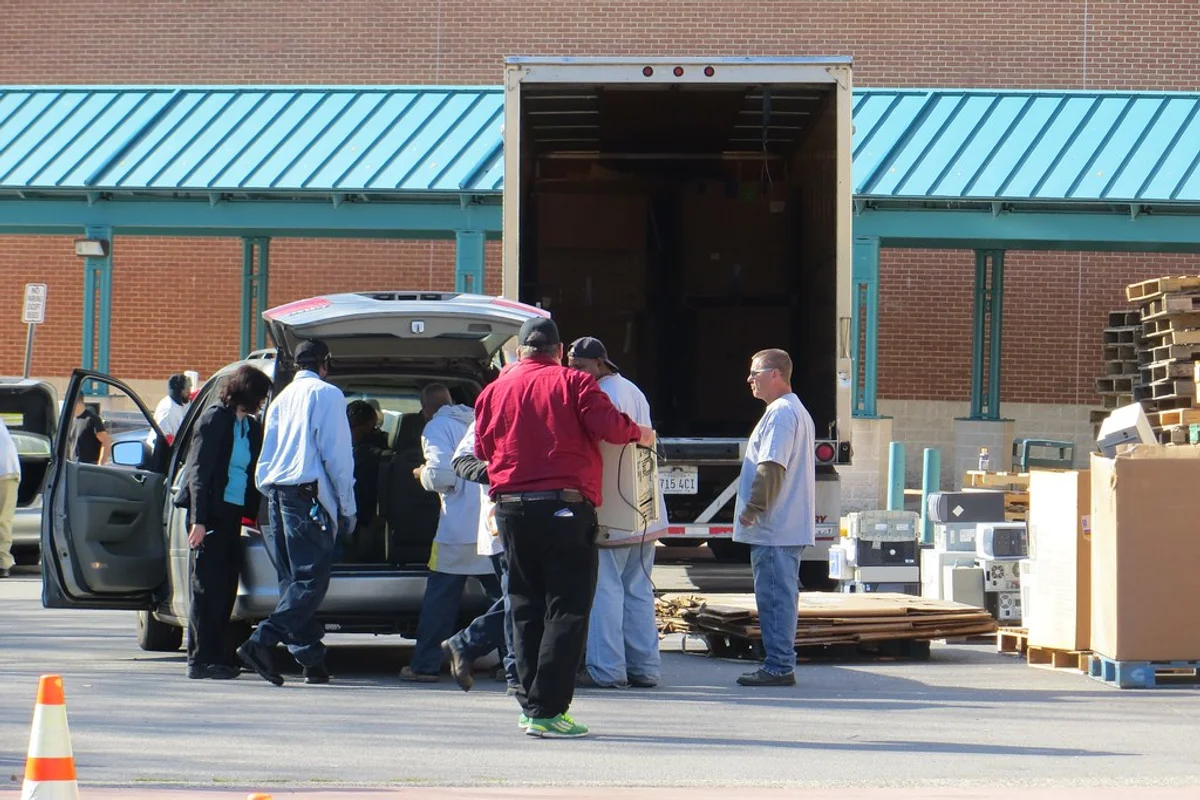
Arranging a dedicated collection ensures your obsolete electronics bypass domestic landfills entirely. Small collections of laptops, tablets, and cables can easily be bundled alongside general household junk, furniture, or major appliances during a single collection visit. A licensed collection crew handles the physical loading, vehicle transport, and transfer directly into verified UAE recycling streams.