Getting rid of an old television — upgrading to a bigger or newer set, or retiring one that no longer works — looks like a simple carry-out job. In practice, what changes the job most is how the set is mounted and how large the panel is, not how old the television happens to be.
What makes a TV harder to move than most furniture
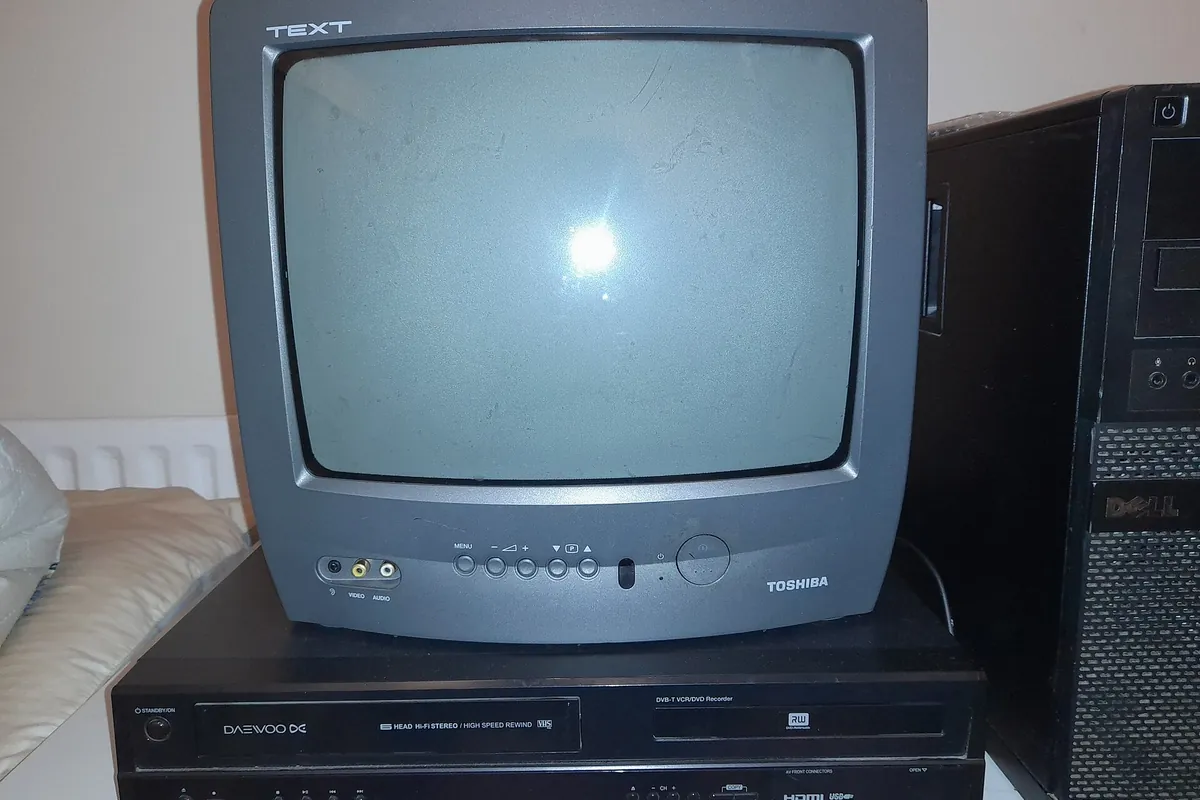
A sofa or a wardrobe can take a scrape or a knock without being ruined. A TV screen can't — a single point of pressure on the panel is often enough to crack it, so a television is carried and handled differently from almost everything else in a home clearance, wall-mounted or not. If the set is an older CRT or plasma, the disposal route changes — see old television disposal in Dubai.
Wall-mounted vs stand-mounted: two different jobs
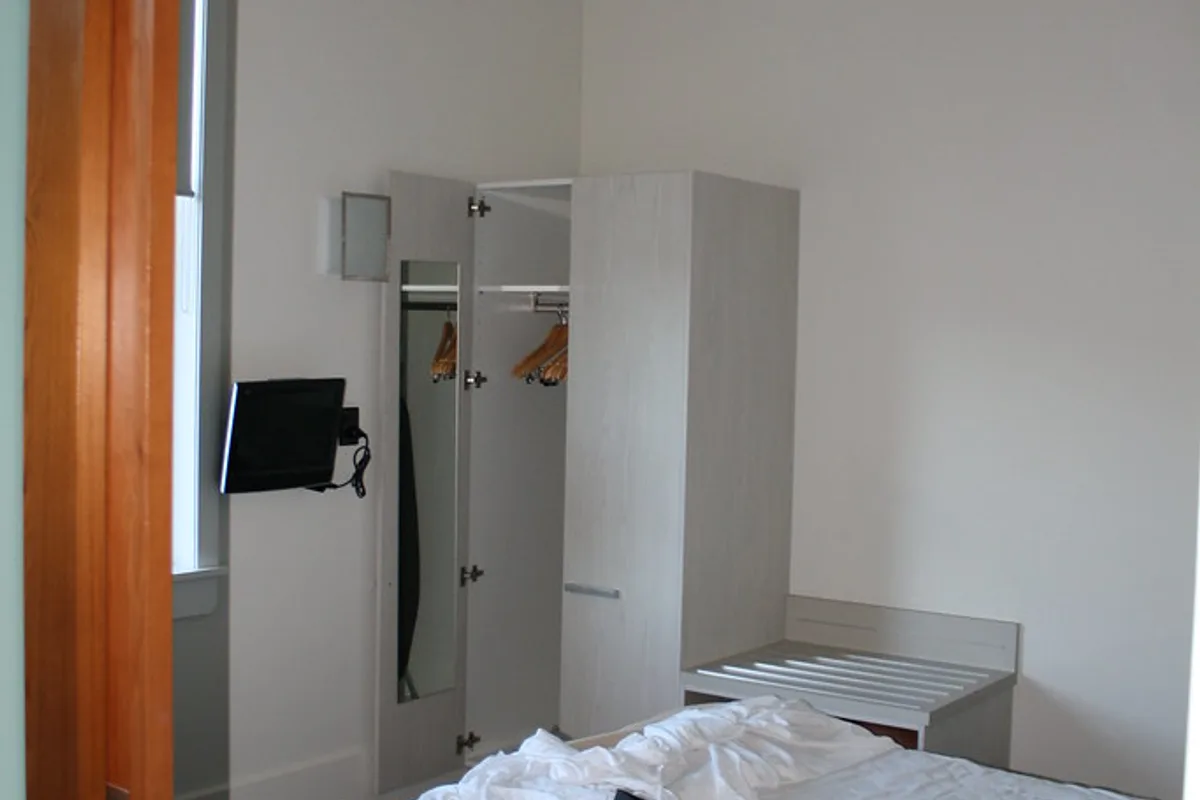
The single biggest difference in a TV removal job is whether the set is fixed to a wall bracket or simply sitting on a console.
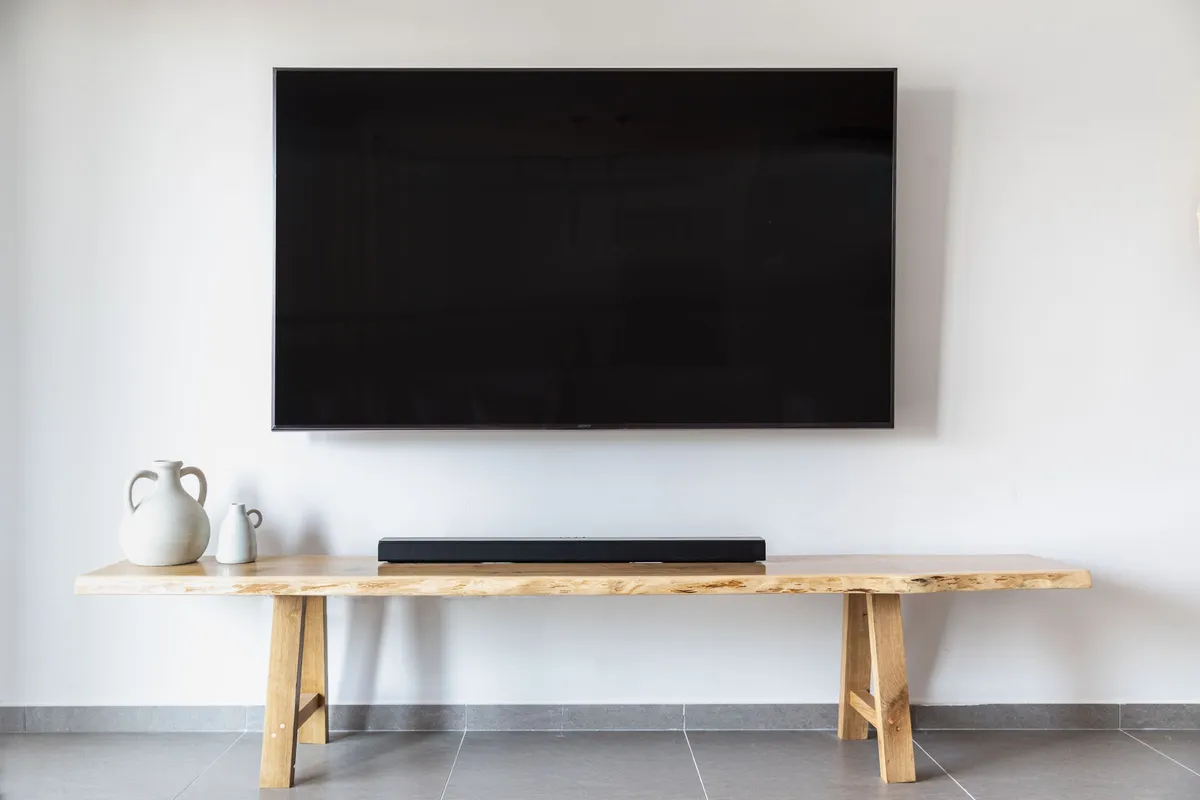
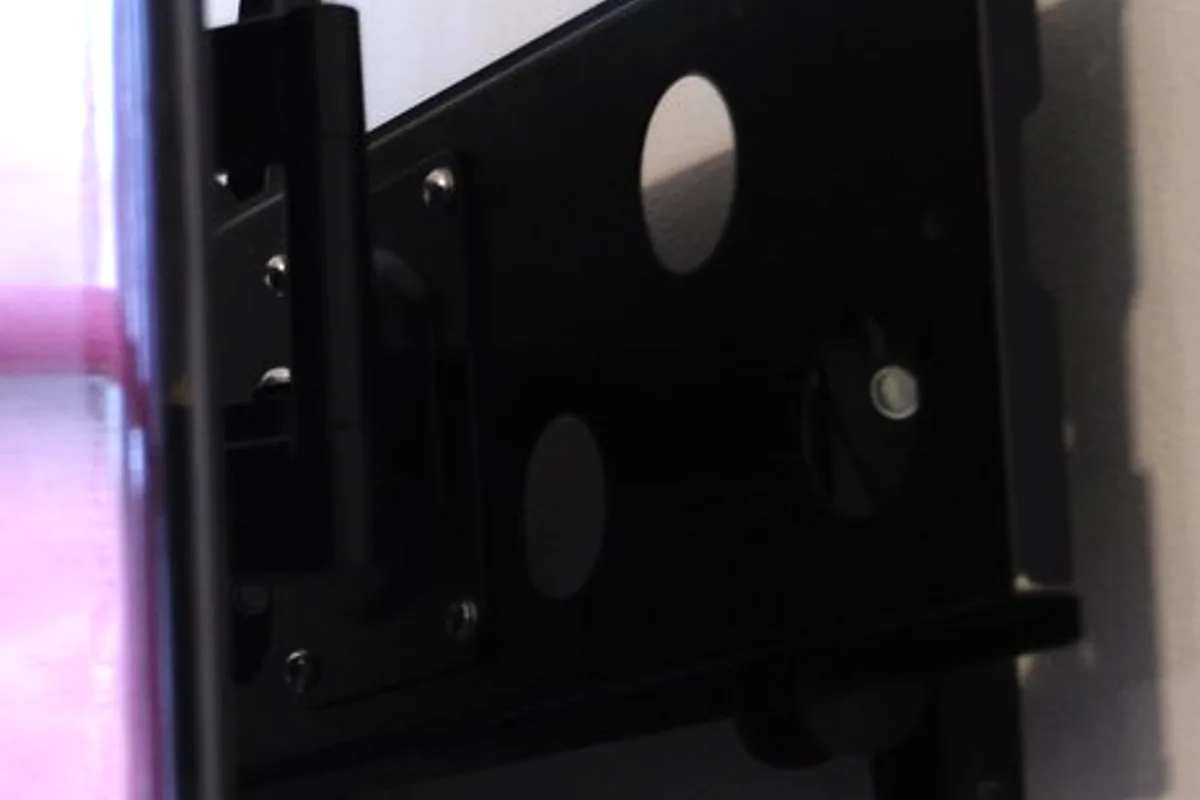
A wall-mounted television
A fixed bracket just tilts the TV up and off two hooks; a full-motion arm usually has a locking pin or bolt that needs releasing first. The bracket itself almost always stays fixed to the wall unless it's specifically asked to come down too, since removing it means patching and repainting afterwards. It's worth checking what the bracket is actually anchored into before assuming it simply unscrews — that's a separate job from lifting the screen off it.
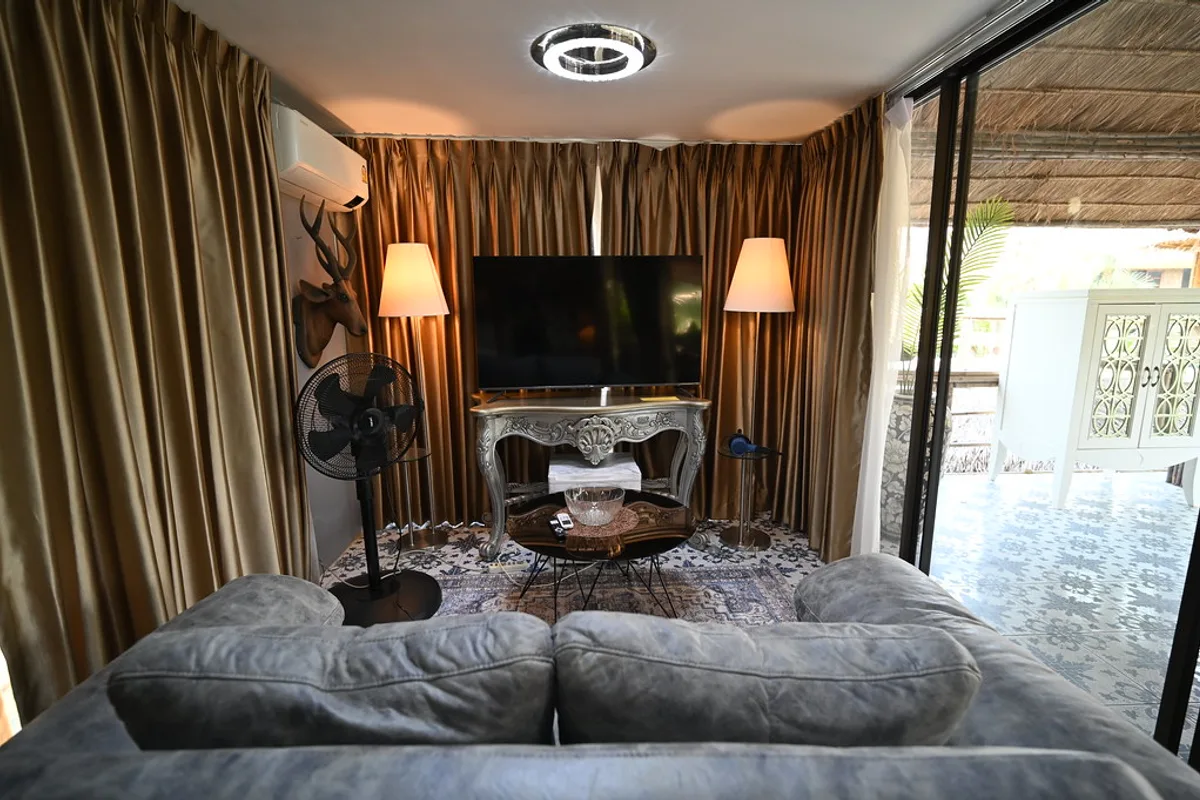
A TV on a stand or console
Simpler in one sense — there's no bracket to deal with — but a large panel on a narrow-footed stand is top-heavy and can tip if it's lifted from one side, so it still needs two hands supporting the frame edges rather than the screen face. Unplugging the power lead and any HDMI or soundbar cabling first stops a taut cable from pulling the whole unit off the edge mid-lift.
Screen size and weight: what actually changes on the day
Counter-intuitively, a bigger modern screen isn't necessarily a heavier one — current LED and OLED panels are thin and light for their size compared with the older LCD and plasma sets they replaced. What size really changes is how many hands are needed and how wide a doorway or lift has to be, not raw weight. Many crews treat anything above roughly 55 inches as a two-person job by default, simply because one person can't keep a panel that wide stable while walking backward through a doorway.
Protecting the screen for transport
The safest way to move a flat-screen TV is in its original box with the moulded foam inserts, if it's still around — most households don't keep it. Failing that, a thick blanket or a dedicated TV transport bag wrapped around the panel, corners padded first, does much the same job. The set travels upright, the same orientation it's designed to stand in, never flat on its back with anything resting on the screen.
Why a TV is electrical waste, not furniture
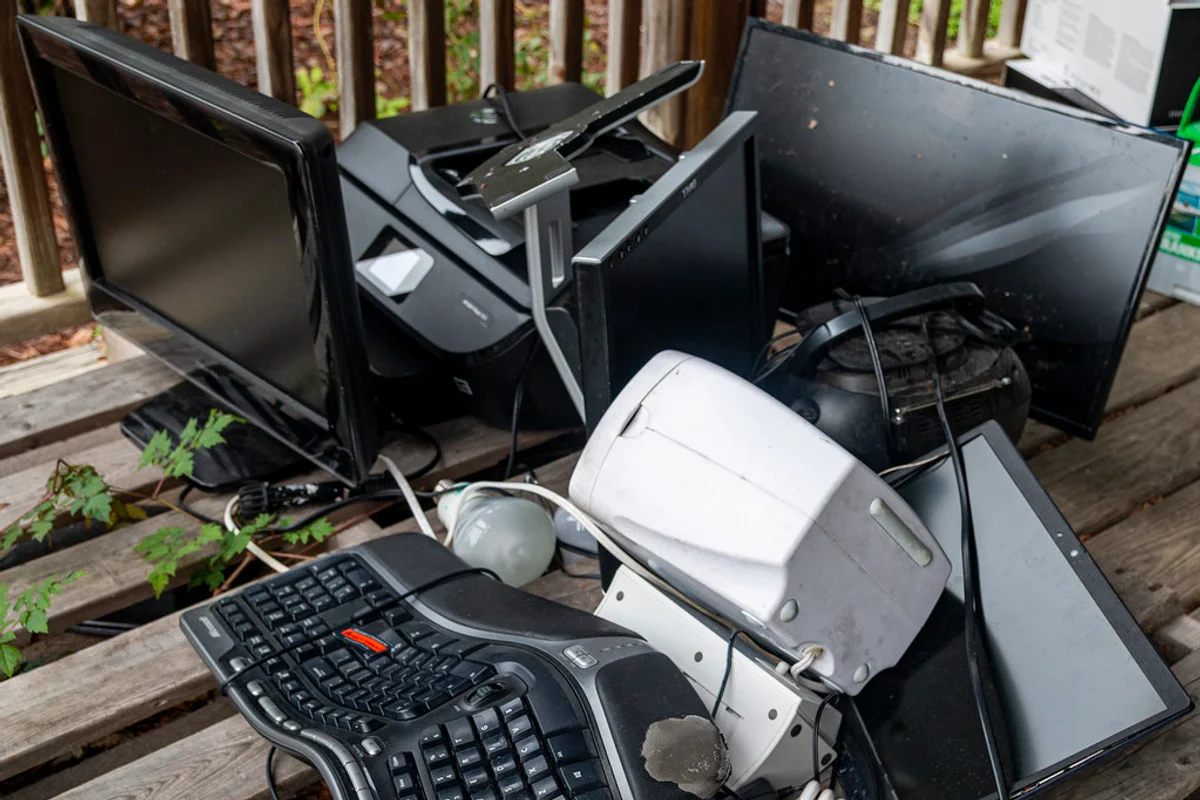
The stand or media unit underneath a television is ordinary furniture. The screen itself is electrical waste and is kept on a separate route from the moment it's loaded, even when both leave the home in the same visit. Very old tube-style CRT sets are a different case again — heavier, glass-based, and their disposal is a subject of its own that this article doesn't cover.
Booking a TV alongside other items
A single television rarely justifies its own collection visit and is usually added to a broader clearance, a furniture collection, or a batch of other old electronics. Bundling it in this way is normal and doesn't need special arrangement beyond mentioning the screen size and whether it's still on the wall when booking.