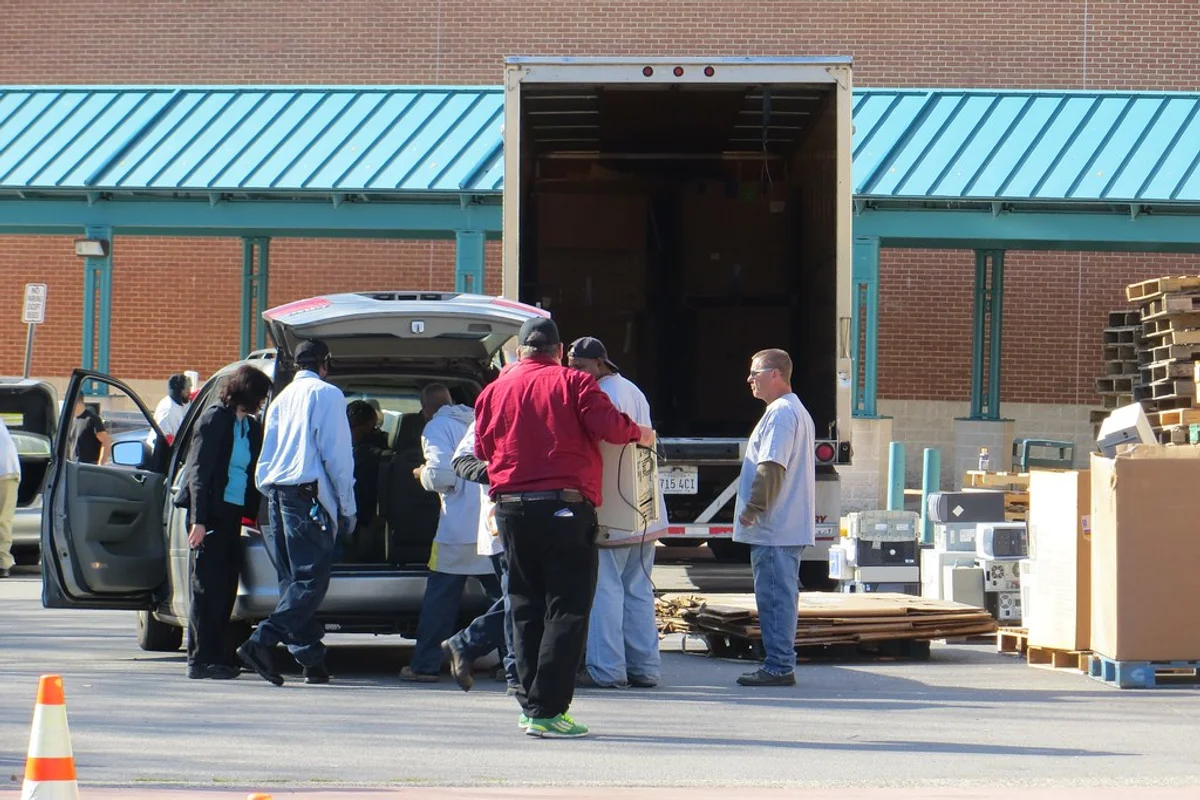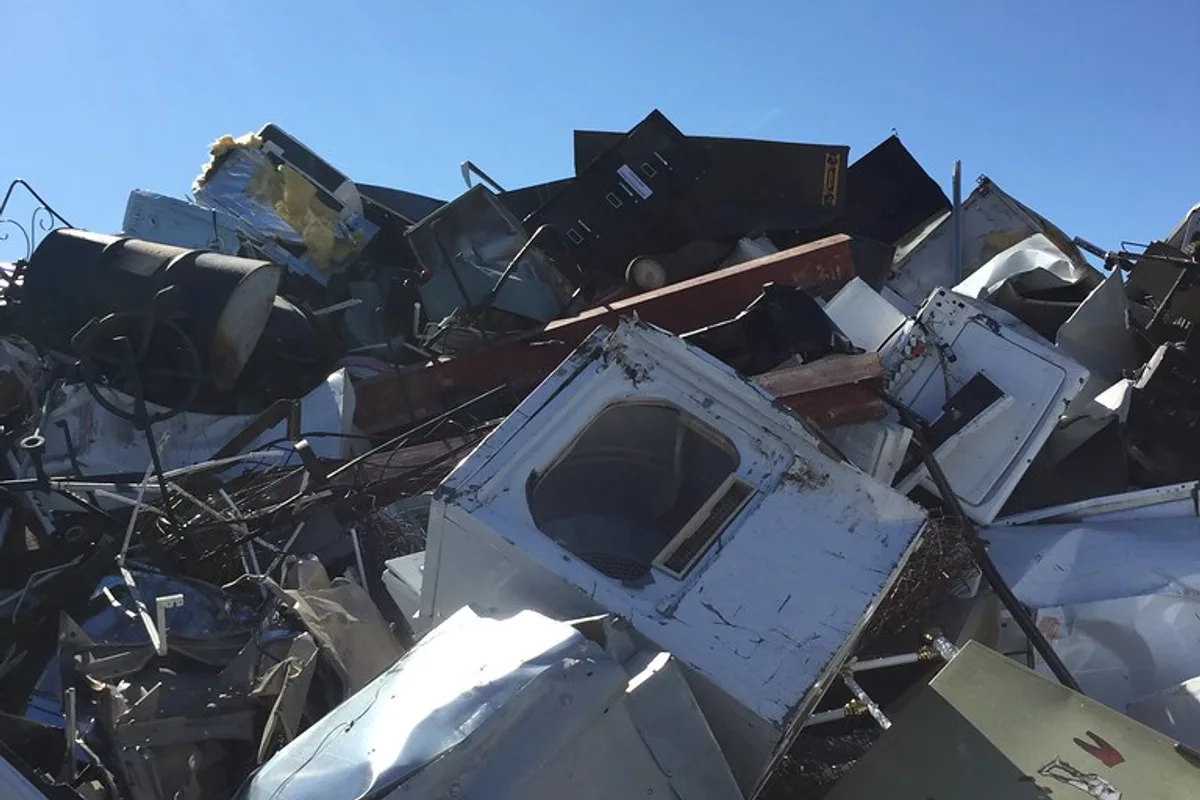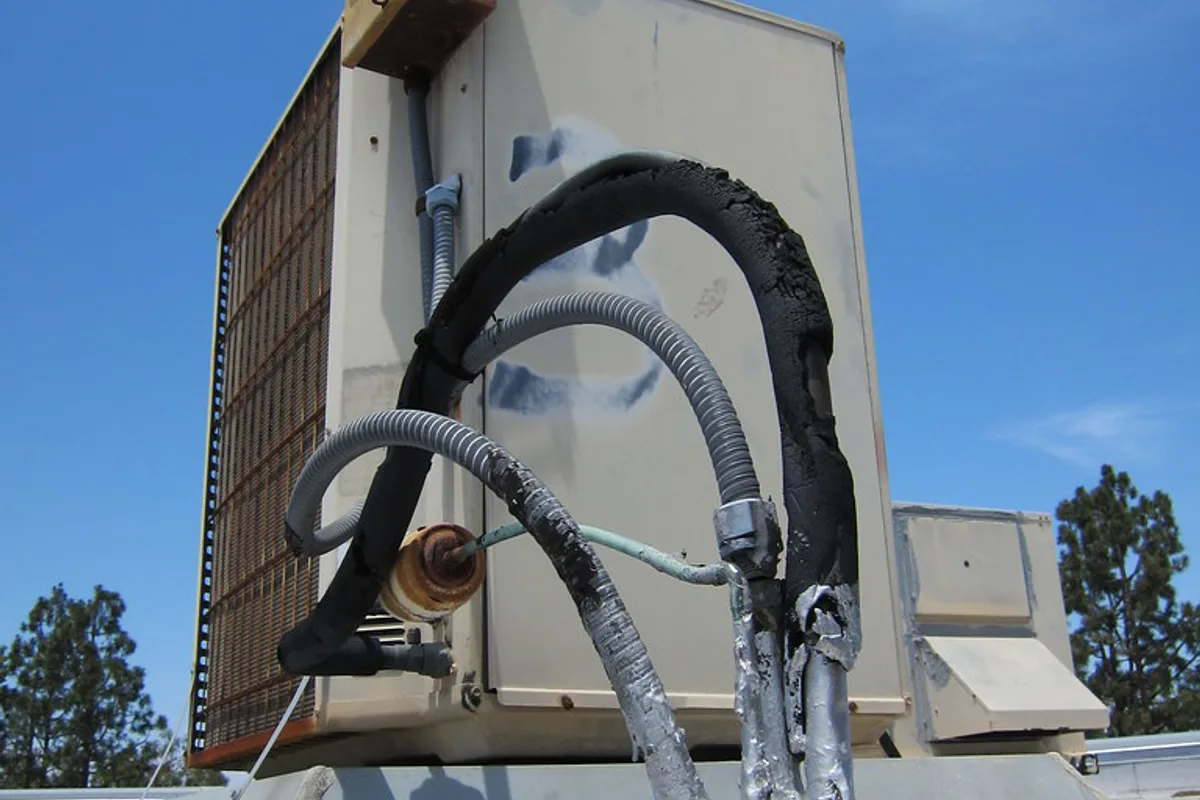
A split AC system that's been replaced or given up on leaves two units behind — the indoor evaporator and the outdoor condenser — and disposal only really begins once both are down and the refrigerant circuit connecting them has been dealt with safely. That single detail is what separates an air conditioner from almost every other appliance in the house.
Why disposal only really starts once the refrigerant is out
A split AC unit can't go straight to a scrap yard the way a washing machine can, because the copper lines connecting the indoor and outdoor units stay pressurised with refrigerant gas until a qualified technician recovers it. Scrap buyers won't take a sealed unit for exactly this reason — cutting into a live line releases refrigerant into the air instead of reclaiming it, which defeats the point of recycling the rest of the unit responsibly. For the removal sequence before disposal, including the refrigerant recovery, see air conditioner removal in Dubai.
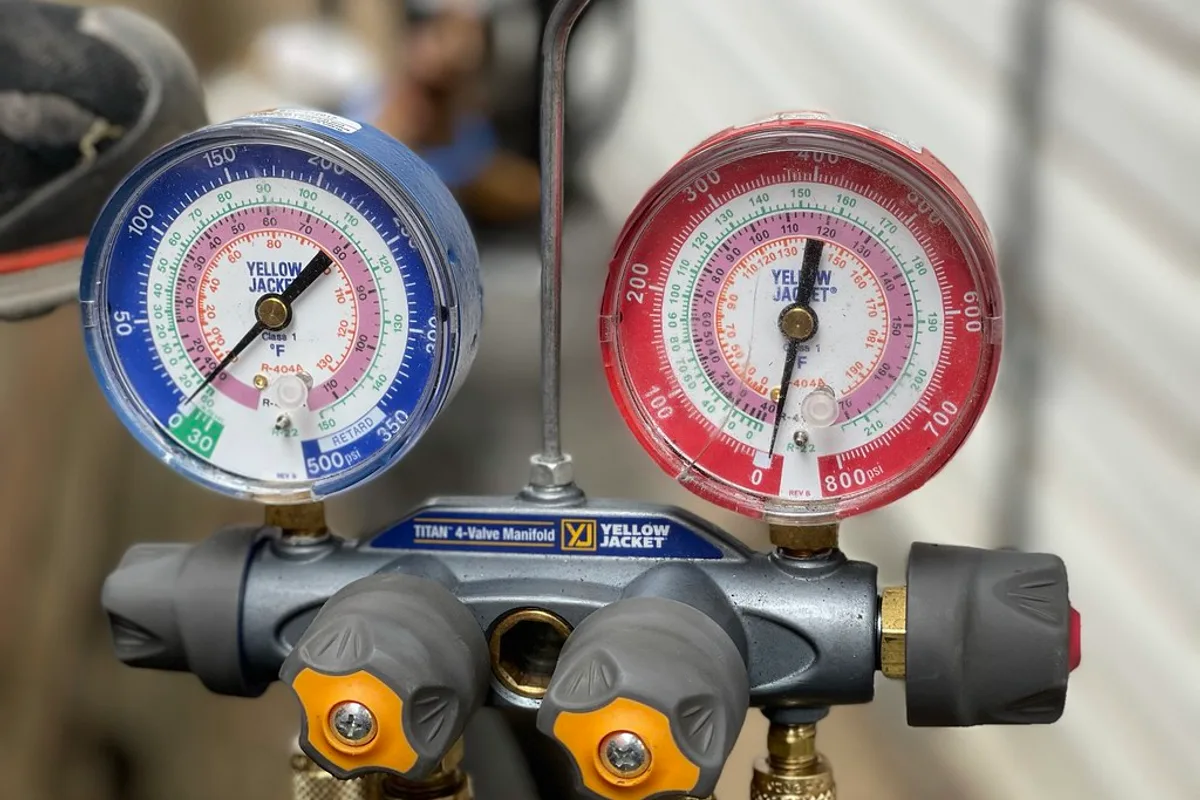
The materials that come off a decommissioned split AC unit
Once the refrigerant circuit is safely emptied, what's left breaks down into a small number of genuinely valuable material streams.
- Copper coil and tubing: the refrigerant lines and the indoor coil are pure copper, the highest-value material in the unit once the gas has been recovered from them.
- Aluminium fins: the fine fins wrapped around the coil are aluminium — lightweight, but recovered in high volume from the outdoor condenser's heat exchanger.
- Compressor casing: a sealed, heavy cast housing and the single densest part of the unit, recycled as its own scrap grade once confirmed empty of refrigerant and oil.
- Plastic housing and grilles: the outer casing panels and fan blades are lower-value plastic, recovered separately from the metal fractions.
Why the copper coil and aluminium fins are kept separate
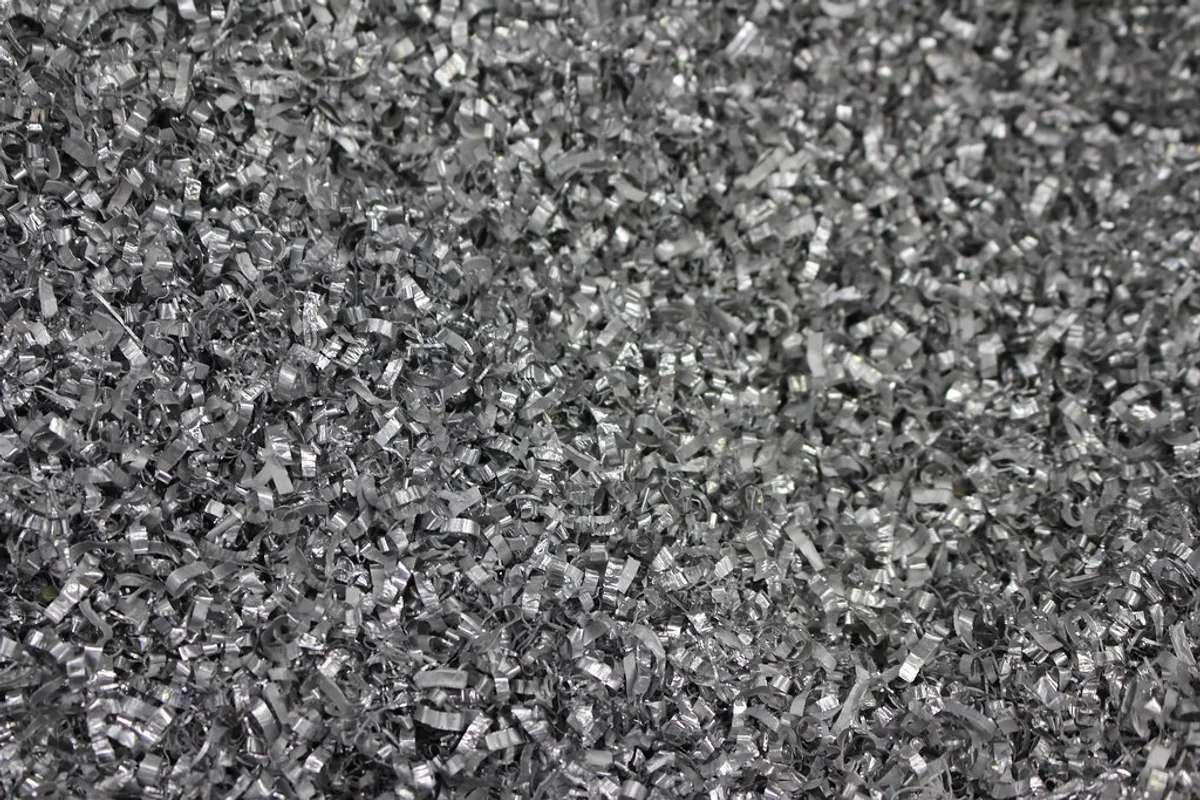
Copper and aluminium are priced completely differently as scrap, and mixing them lowers the value of both, so a coil assembly is typically stripped apart rather than sold as one lump. The fins peel or shred away from the copper tubing they're bonded to, and each metal is baled and sold on its own rather than as a combined "coil scrap" category.
The compressor: the heaviest single part of the unit
The compressor is a sealed steel or cast-iron shell housing the motor and pump that moves refrigerant around the system, and it accounts for a disproportionate share of an outdoor unit's total weight. It isn't opened up on site — the sealed unit is handled as a single dense scrap item once a technician has confirmed it's been safely decommissioned.
Does a working AC unit ever get refurbished instead of scrapped?
A unit replaced because a building is upgrading its system — rather than because the compressor has failed or the coil is leaking — is sometimes still mechanically sound, and there's a genuine secondary market for units like this in warehouses, staff accommodation, or older buildings where a full system replacement isn't practical. A unit condemned for a refrigerant leak, a seized compressor, or corrosion through the coil doesn't have that option and goes straight to material recovery.
What this means for arranging collection
Because of the refrigerant step, split AC disposal isn't something to handle without a qualified technician involved at some point, even though the actual scrapping happens afterward at a completely different facility. The physical side of getting the indoor and outdoor units down safely — brackets, balcony or roof access, and building elevator logistics — is a distinct job of its own; disposal is what happens once that part is finished and the unit is confirmed empty.