Air conditioners are essential infrastructure in Dubai, but replacing or discarding an old unit is not as simple as unplugging a toaster. An air conditioning system combines high-voltage electrical connections, heavy outdoor compressor machinery, and pressurized fluorinated refrigerant gas that requires certified handling before any component leaves the wall. Air conditioner removal in Dubai is therefore a two-part job: certified decommissioning first, then the physical collection.
Understanding the three AC formats in Dubai homes
The removal process depends heavily on the specific type of air conditioner installed in your property, as each format presents different physical and mechanical challenges. Who owns the unit and the order to dispose of it in is covered in how to dispose of an old AC unit in Dubai; the recycling of a split system's copper and aluminium in split AC unit disposal; and the masonry-opening job in window AC removal.
- Split-system units: Composed of an indoor wall-mounted evaporator unit connected by insulated copper refrigerant pipes to an outdoor compressor on a balcony, bracket, or roof.
- Window AC units: Self-contained box units mounted through an external wall aperture, common in older low-rise residences across Deira, Bur Dubai, and Karama.
- Portable air conditioners: Freestanding wheeled units with a flexible exhaust hose vented through a window or sliding door frame.
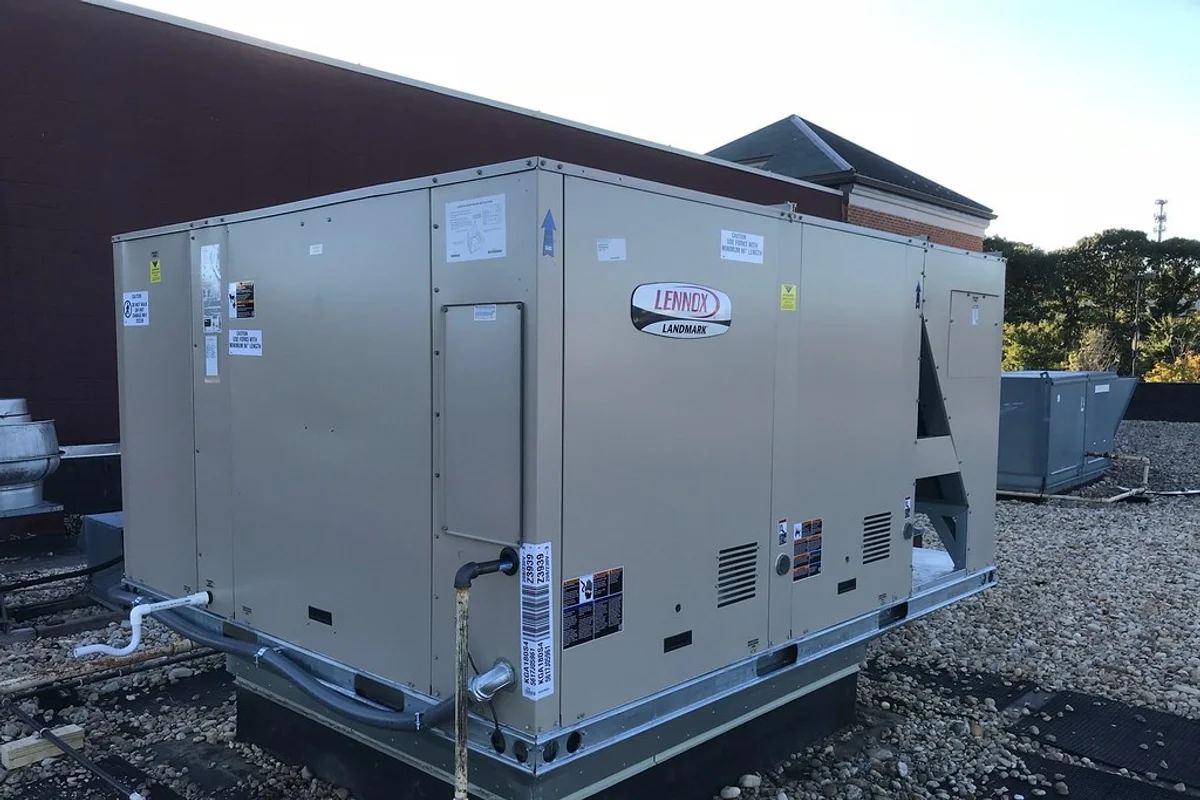
- Ducted package units: Central rooftop or ceiling-concealed commercial systems serving whole villas or commercial office suites.
The refrigerant isolation and electrical safety boundary
Before any split-system AC unit is unbolted or carried away, the refrigerant lines must be properly decommissioned by a qualified HVAC technician. The pressurized gas inside the copper pipes (typically R410A, R32, or older R22) cannot simply be cut with pliers or vented into the atmosphere. Releasing refrigerant is environmentally hazardous, prohibited under environmental protection rules, and creates intense freezing hazards.
- Pump-down procedure: A technician runs the compressor to draw all refrigerant from the indoor coil and copper lines back into the outdoor condensing unit before closing the service valves.
- Recovery machine extraction: For faulty or seized compressors, refrigerant is safely vacuumed into certified recovery cylinders.
- Electrical isolation: Dedicated double-pole wall isolator switches and circuit breakers must be switched off and verified dead before disconnecting line wires.
Tackling outdoor compressor brackets, balconies, and roofs
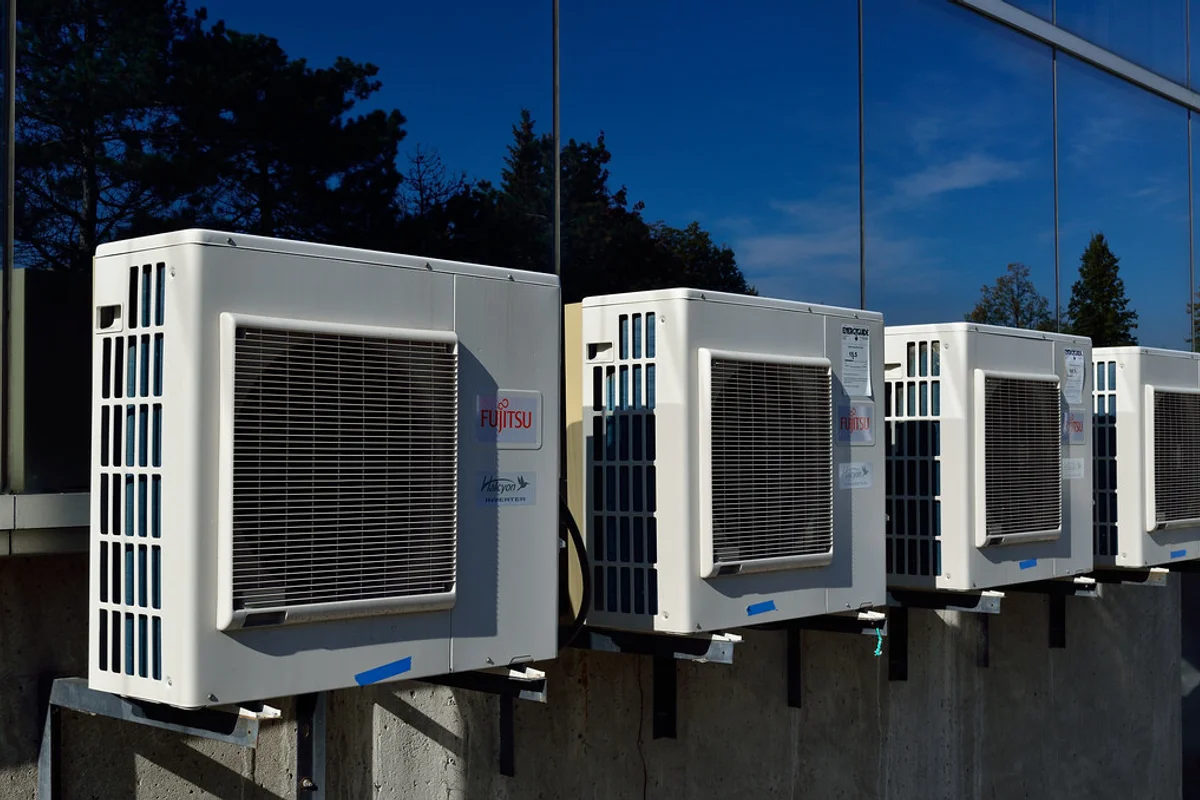
The outdoor condensing unit is the heaviest component of a split system, weighing between 30 and 70 kilograms depending on its cooling capacity (typically 1.5 to 3 tons). It contains the sealed compressor motor, heavy copper tubing, aluminium condenser fins, and steel chassis.
- Balcony placements: The easiest residential location to access, allowing the unit to be rolled on a dolly directly through the apartment.
- High-wall cantilever brackets: Outdoor units bolted to external villa walls or tower ledges require two-person lifting rigs and secure footing to unbolt safely.
- Rooftop installations: Units mounted on villa flat roofs or building plant decks must be navigated down external access staircases or service lifts.
- Anti-vibration pads and brackets: Removing rusted anchor bolts and rubber vibration dampers without damaging the underlying concrete or waterproof membrane.
Removing the indoor evaporator and wall mounting plate
The indoor air handler is relatively light (typically 10 to 18 kilograms) but awkward to unclip. It sits hooked over a galvanized steel backplate secured to the plasterboard or block wall. Once the flare nuts on the copper lines and the condensate drain hose are loosened, the unit lifts upward and forward to disengage.
- Protecting interior walls from residual drain tray water that may spill when the indoor unit is tilted.
- Feeding disconnected copper pipes and communication cables cleanly through the wall sleeve hole.
- Unscrewing the wall mounting plate and sealing the wall penetration to prevent dust and warm outdoor air from entering.
Building approvals and collection logistics in Dubai
In Dubai residential communities and high-rise developments, removal teams must coordinate access with building security. Outdoor units can be oily and heavy, so moving them through communal hallways requires protective sheeting, heavy-duty sack barrows, and prior booking of the building's goods elevator.
- Obtain standard contractor entry permits or move-out gate passes where required by your community management.
- Ensure compressor units are kept upright during transit to prevent compressor lubricating oil from leaking across lobby tiles.
- Book collection windows that align with building working hours, typically avoiding early morning or late night noise restrictions.
Where old air conditioning components go
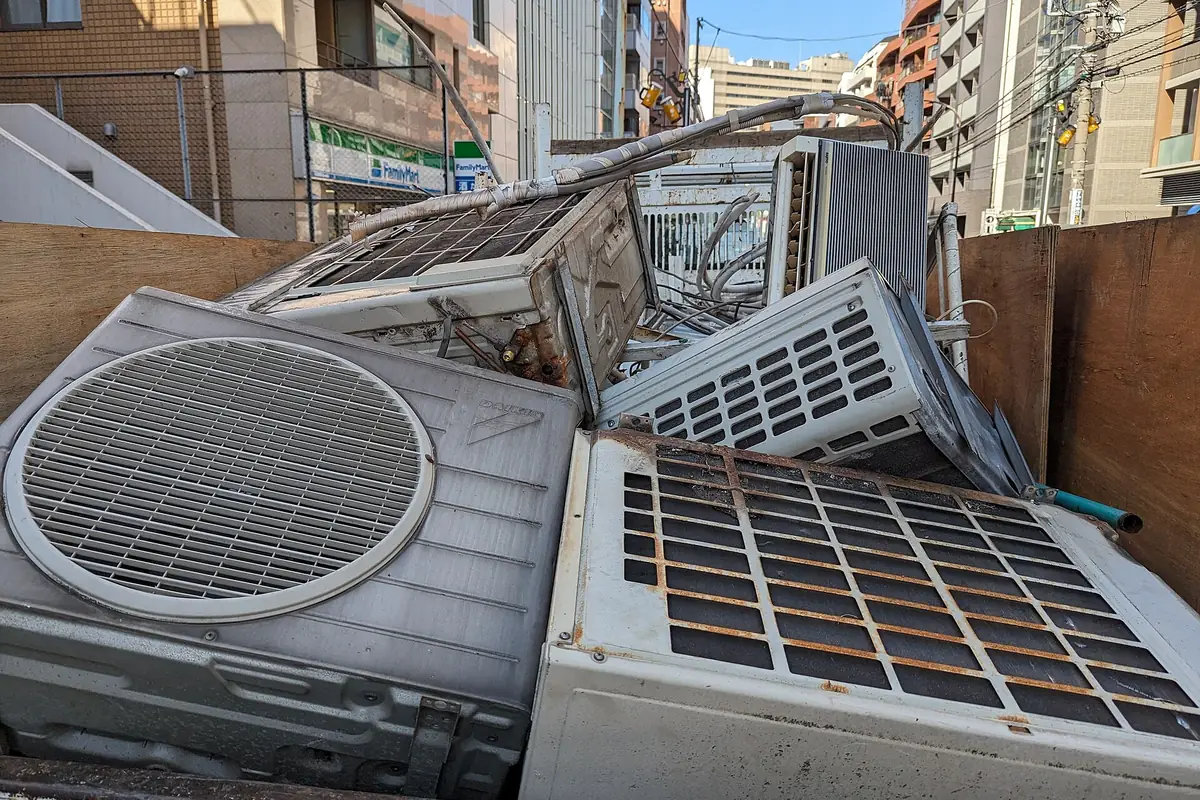
Air conditioners are rich in recyclable non-ferrous metals. At licensed Dubai material recovery yards, decommissioned units are dismantled into clean scrap streams: copper motor coils and tubing, aluminium radiator fins, and heavy structural steel. Lubricating oils and recovered refrigerants are processed through specialized environmental facilities, keeping hazardous fluorochemicals out of landfills.
Decommissioning and removing an air conditioner in Dubai is a structured process that protects your property, prevents gas leaks, and ensures compliant recycling. With the electrical circuits isolated, the refrigerant recovered by an HVAC technician, and building access confirmed, a licensed collection team can haul away both indoor and outdoor units in a single, well-managed visit.