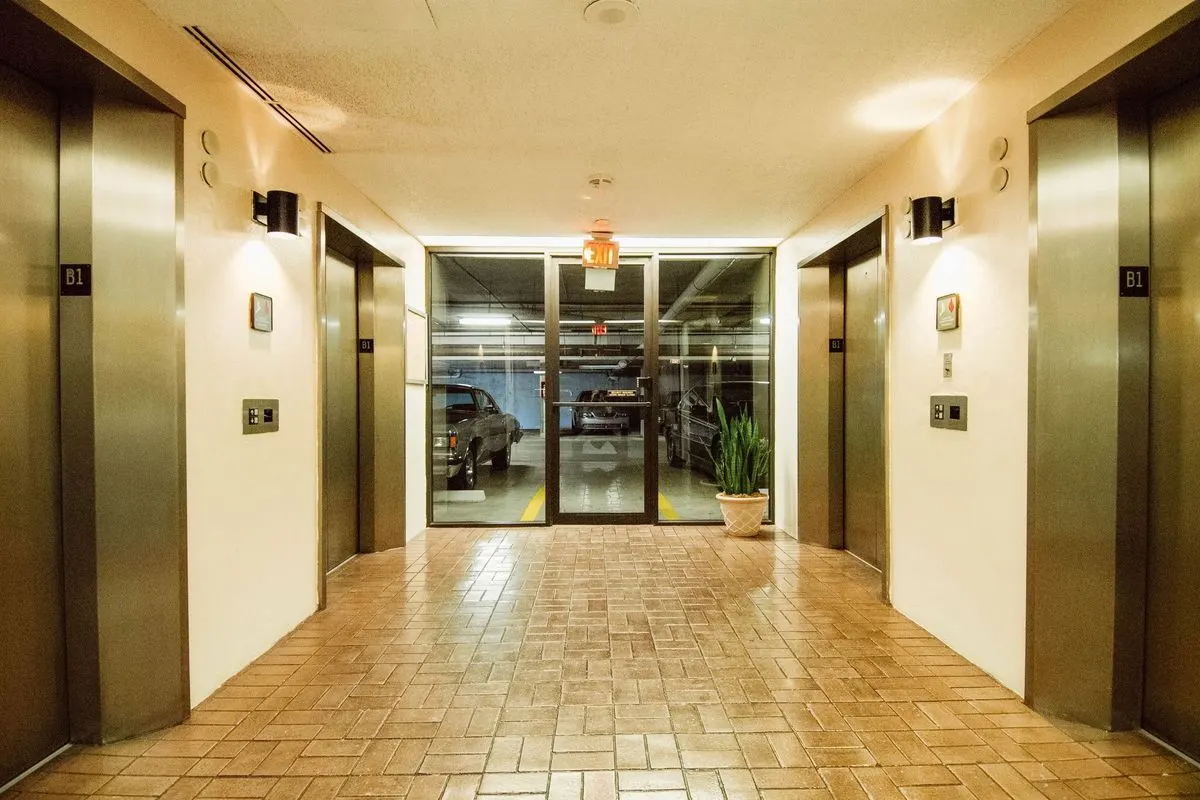
Building permission for furniture removal in Dubai is usually two approvals rather than one, and mixing them up is the single commonest reason a collection slips a day. One approval covers the people: who is allowed through the door, and on what evidence. The other covers the lift: a booked slot on a specific date, in a specific window. They come from the same management office and they behave completely differently, so it is worth knowing which one you have.
Two approvals, not one
The first approval is permission for a contractor to work in the building. Management is deciding whether an outside crew may enter, and it is assessing the company rather than the furniture. The second is a reservation of the service lift, which is a diary entry rather than a judgement — the lift is either free in that window or it is not.
The distinction matters because the two fail differently. A contractor approval fails on paperwork, and you fix it by sending a missing document. A lift reservation fails on timing, and you fix it by moving the collection. Being told the collection is approved often means only one of them has happened, which is worth clarifying in the same message rather than discovering on the morning.
Not every building runs both. Older low-rise blocks and small buildings frequently have neither a formal approval nor a bookable lift, and a phone call to the watchman is genuinely the whole process. The two-approval pattern is a feature of managed towers, which is where most of this city's apartments are.
What building management is actually approving
Management is not approving your right to get rid of your own furniture. It is approving three practical things: that a specific company may enter on a specific date, that shared parts of the building — lift car, lobby floor, corridor walls — are protected while that happens, and that somebody is answerable if they are not.
The name on the document varies. Some buildings call it a move-out permission, some a work permit, some a no-objection letter or an NOC. All of these are the building's own paperwork, issued by the management company for its own purposes. None of them is a government instrument, and a building asking for one is not applying a municipal rule to you — it is applying its own house rules, which is why the requirements differ from one tower to the next.
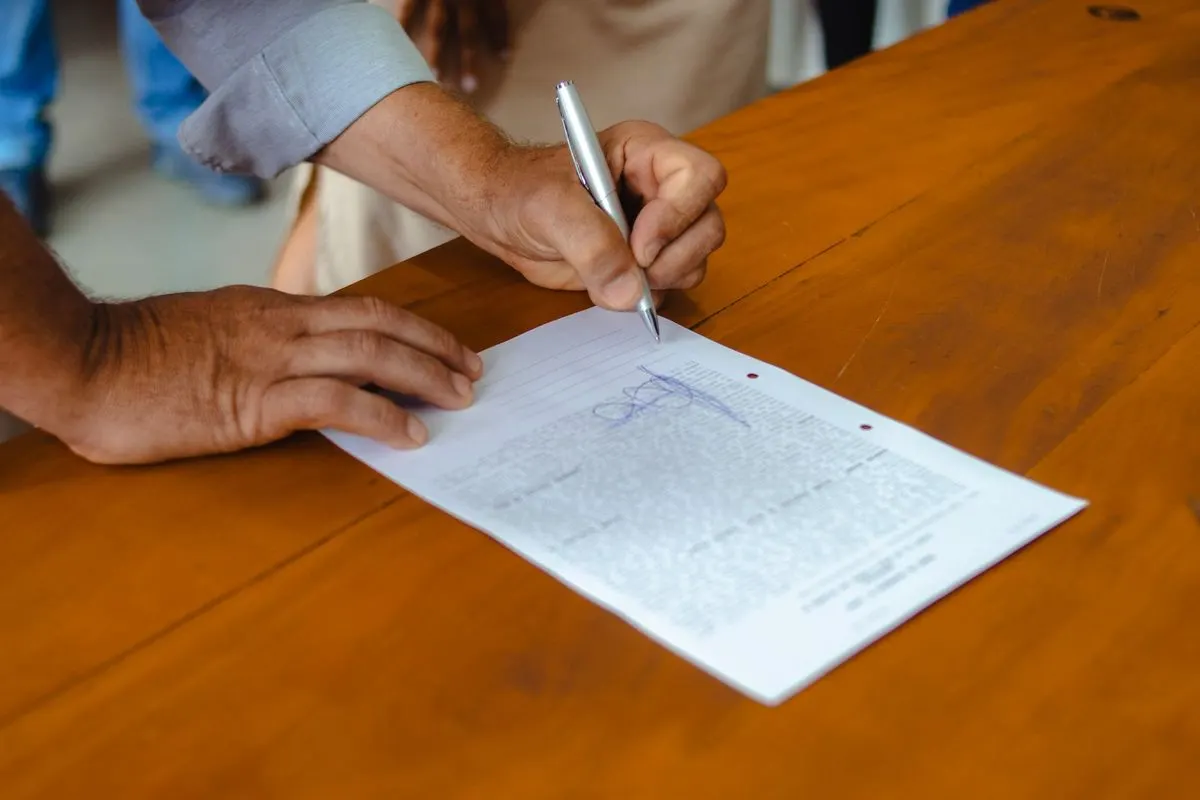
Which documents come from you, and which from the company
Most delays happen because both sides assume the other is sending something. The split is fairly consistent across buildings, and knowing it lets you chase the right party.
- From you: confirmation that you are the tenant or owner of the unit, your unit number, and the date and rough time you want. Some buildings want this in writing from the registered occupant rather than from a family member or a helper.
- From you: a short description of what is leaving. "A three-seat sofa, a wardrobe and a mattress" is enough. Management is gauging how long the lift will be occupied, not auditing your possessions.
- From the company: a copy of its trade licence, and in many buildings an insurance certificate. These are documents the company already holds and can send in minutes if asked at booking.
- From the company: the names and identification of the crew who will actually attend, where the building keeps a visitor register at the gate or the security desk.
Ask for both sides of that list when you book the collection rather than after management asks for it. A company that clears Dubai apartments regularly will have the paperwork ready; being asked for it is routine rather than unusual.
How long it takes, and why office hours decide
The paperwork itself is quick — often the same day, sometimes an hour. What stretches it is that management offices keep shorter hours than removal crews do. A collection can be arranged for an evening or a Friday; the office that approves it usually cannot.
That mismatch is the practical constraint. If you decide on a Thursday evening that the furniture should go on Friday, the crew's availability is not the problem — the approval is, because there is nobody in the office to issue it. Treat the management office's working week as the real calendar and everything else fits around it.
Two days of notice covers the large majority of buildings comfortably. Give more if you are near the end of a tenancy, near the end of a school year, or in a tower where a single service lift serves several hundred apartments — those are the weeks when the lift diary, not the paperwork, becomes the bottleneck.
The refundable deposit some buildings ask for
A number of managed buildings ask for a refundable deposit before releasing a move-out or contractor permission. It is held against damage to shared areas — a scratched lift car, a marked corridor wall, a chipped lobby tile — and returned once management has inspected and found nothing.
The amount, whether it is charged at all, and how it is refunded are set by each building, so there is no figure worth quoting here. Two things are worth knowing regardless. First, it is normally paid by the resident, not the removal company, so budget for it as a separate item. Second, the inspection that releases it happens after the job, which means the padding and floor protection used on the day are directly connected to how quickly you get it back.
Villa and townhouse communities work differently
In a villa or townhouse community the equivalent step is a gate pass rather than a permit. The community wants to know that a vehicle is expected, who is in it, and which villa it is going to, and the process is usually a message or a call to security a day ahead rather than a form.
It is quicker, but skipping it fails in a more visible way: an unregistered truck sits at the barrier while security telephones round to find somebody who can vouch for it. Access inside the plot is rarely the issue in a villa — the gate is.
When permission is refused or comes back late
Outright refusal is uncommon. When a request does come back negative, it is nearly always one of three things, and two of them are fixable within the hour.
- The date or time falls outside the hours the building allows for moves. This is the most common one and the least negotiable, because the restriction usually exists to keep the lift free at peak times. The fix is a different slot, not a different argument.
- A document has not arrived. Usually the trade licence or insurance certificate. One message to the removal company normally closes it.
- The lift is already reserved. Somebody else booked that window first. Nothing to fix — take the next available slot and move the collection to match.

What does not work is arriving anyway and hoping. A crew turned away at the lobby is a wasted visit for everybody, and in a building that keeps records it makes the next request harder rather than easier.
When to start the request
Start as soon as you have a provisional date, before anything is confirmed. Approval is the step with the least flexibility in it, so everything else — the crew, the vehicle, your own morning — should be arranged around the answer rather than before it.
A single message to management with your unit number, the date, a one-line description of what is leaving and the company's name settles most of this in one exchange. Ask in the same message whether the lift needs reserving separately and whether a deposit applies, because those are the two questions whose answers you cannot guess from the outside — and they are precisely the two that decide whether the furniture actually leaves on the day you planned.