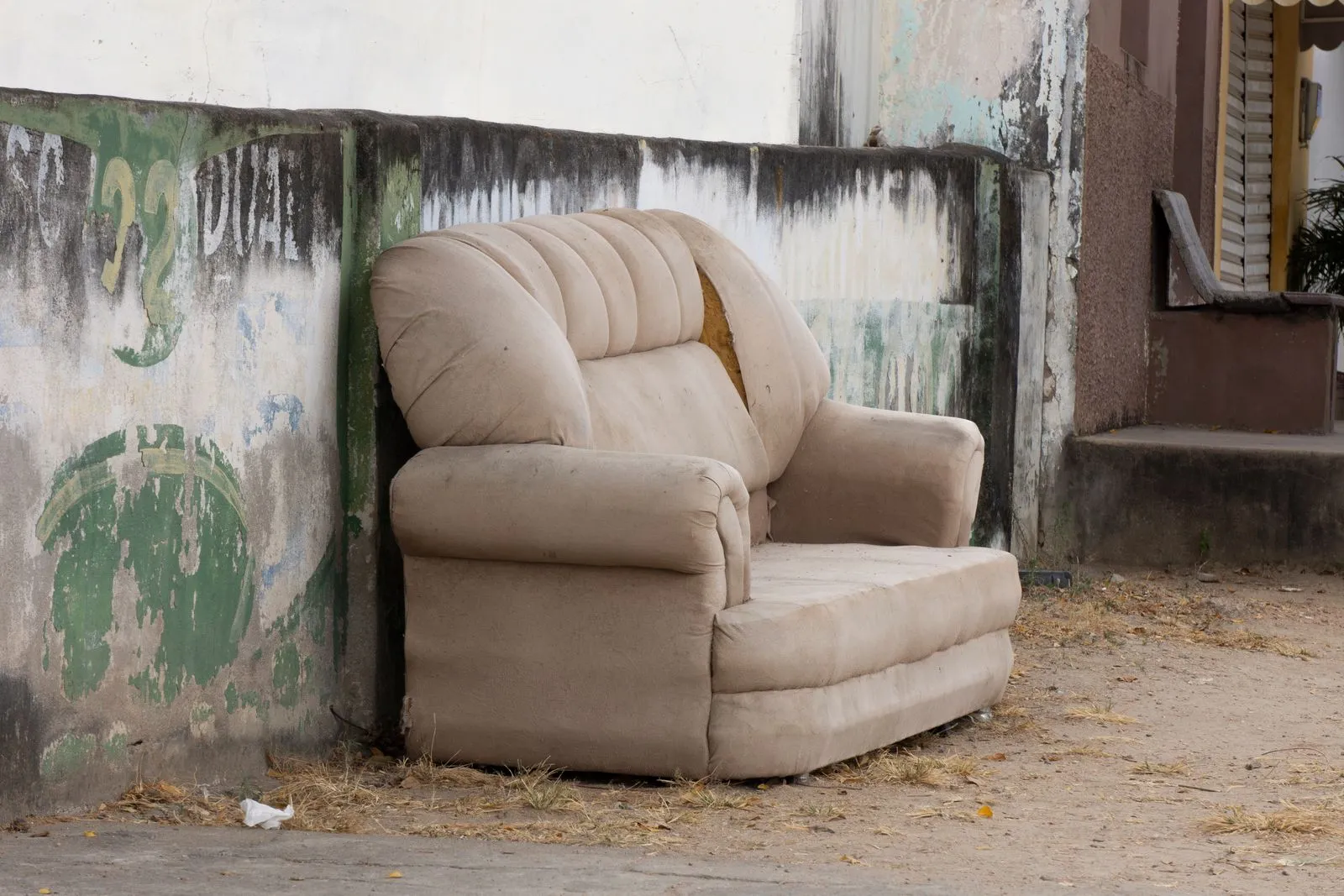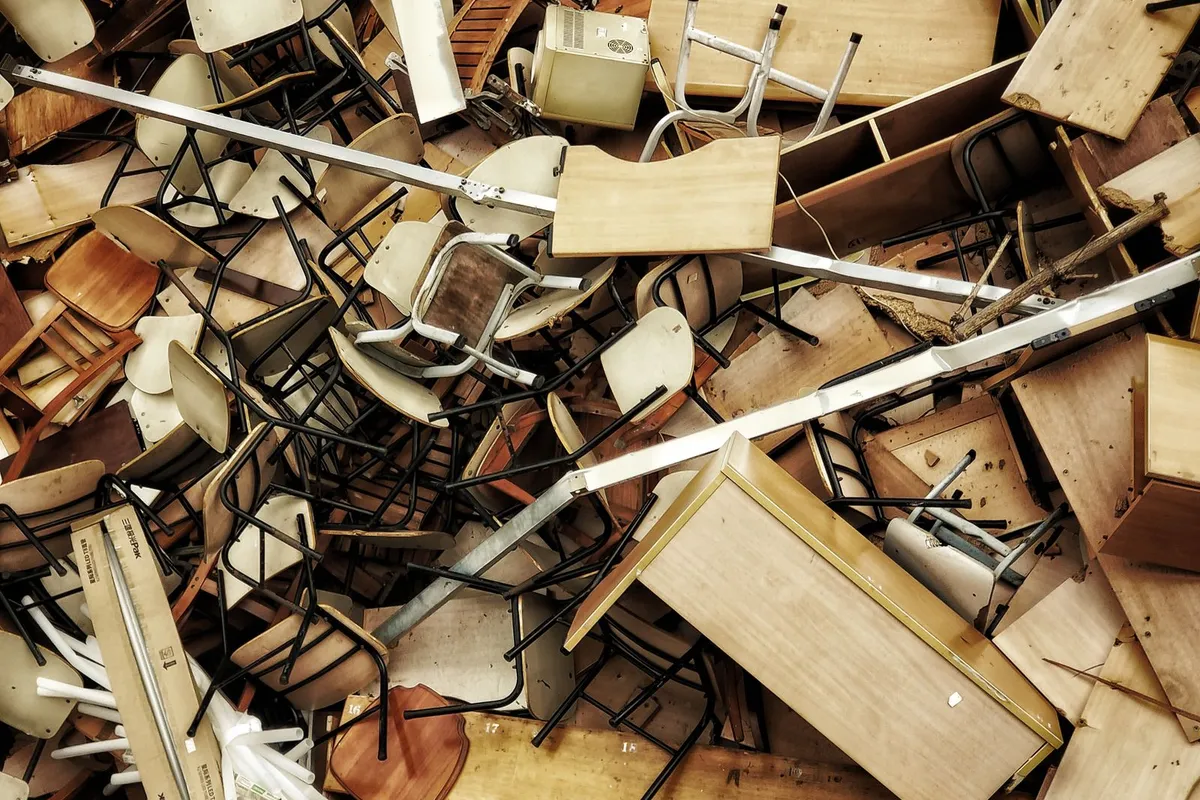
Recycling a piece of furniture in Dubai does not start with a bin, because there is no bin for it. It starts with a judgement call: is this piece still worth using as furniture, or has it stopped being one thing and become a pile of materials instead? This guide covers how that judgement actually gets made, what a collected piece is separated into, and what genuinely helps once you have decided a piece is past reuse.
Recycling is the last step, not the first decision
Recycling only applies to what nobody wants as furniture any more. Before that question comes up, the real first questions are whether the piece still works for somebody as furniture — sold, given away, or donated — because a chair or a table that finds a second owner never enters a recycling stream at all. That order matters more than it sounds: reuse keeps a whole object intact, while recycling only ever recovers a fraction of what went into making it.
So the honest starting point for recycling furniture responsibly is to rule out the simpler options first — selling, donating or otherwise disposing of furniture in Dubai is its own subject, worth reading before this one. What follows here is what happens once a piece has genuinely reached the end of that road.
What "furniture" actually breaks down into
A single piece of furniture is rarely one material. Once it is taken apart, what is left is usually four or five separate material families, each of which follows its own route and none of which is treated as furniture any more.
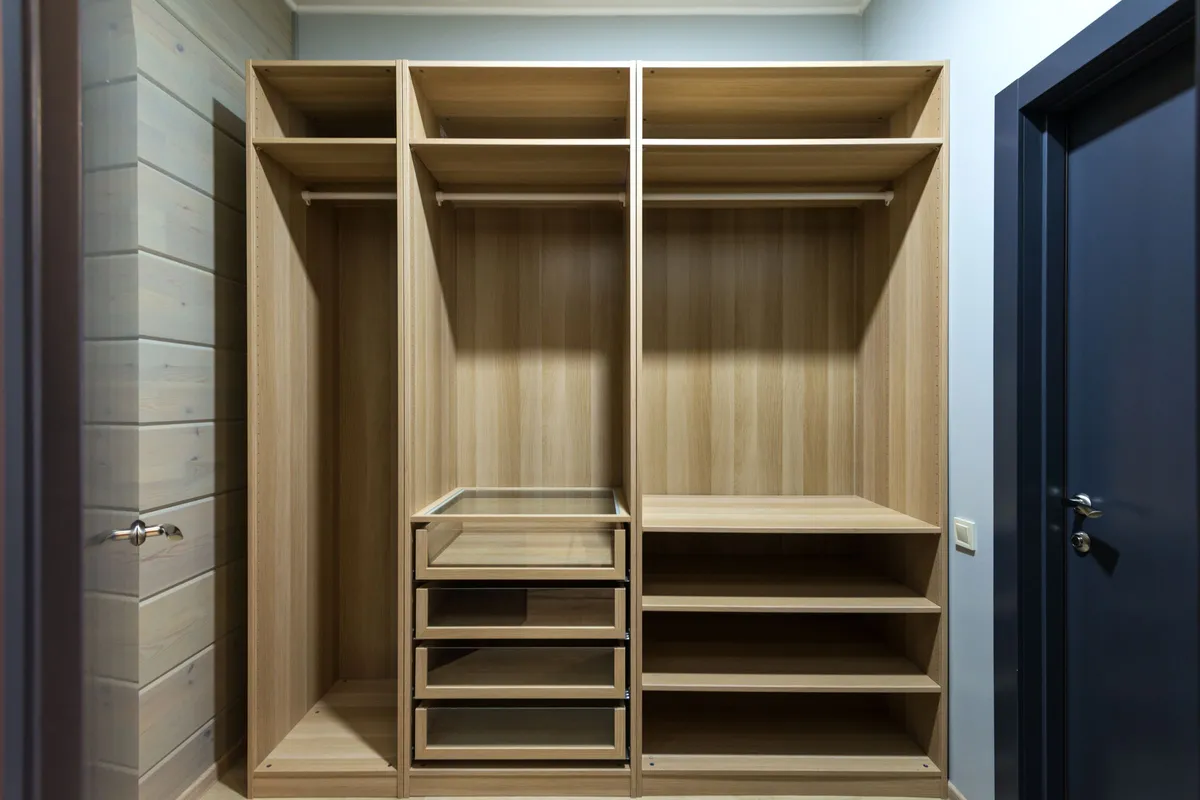
- Solid timber and manufactured board — the frame, panels and structural parts, ranging from real wood to particleboard and MDF.
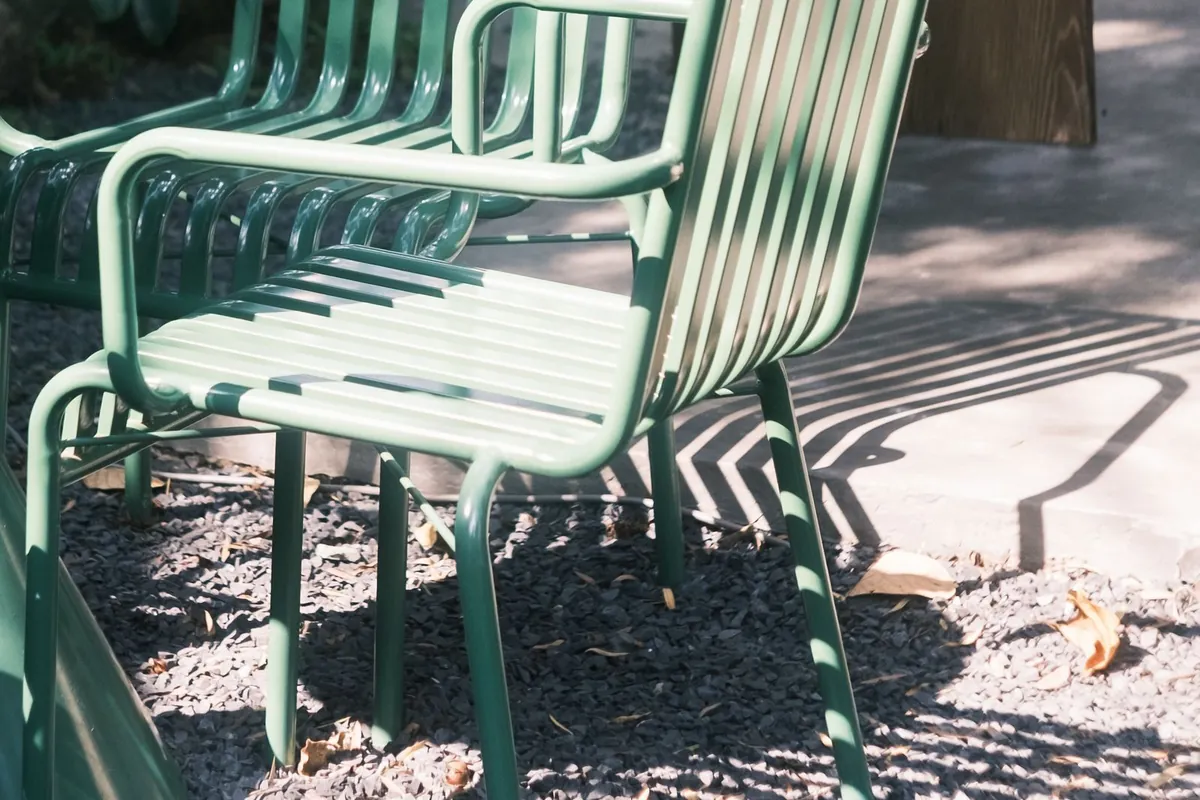
- Metal — frames, legs, springs, hinges, runners and castors, almost always steel or aluminium.
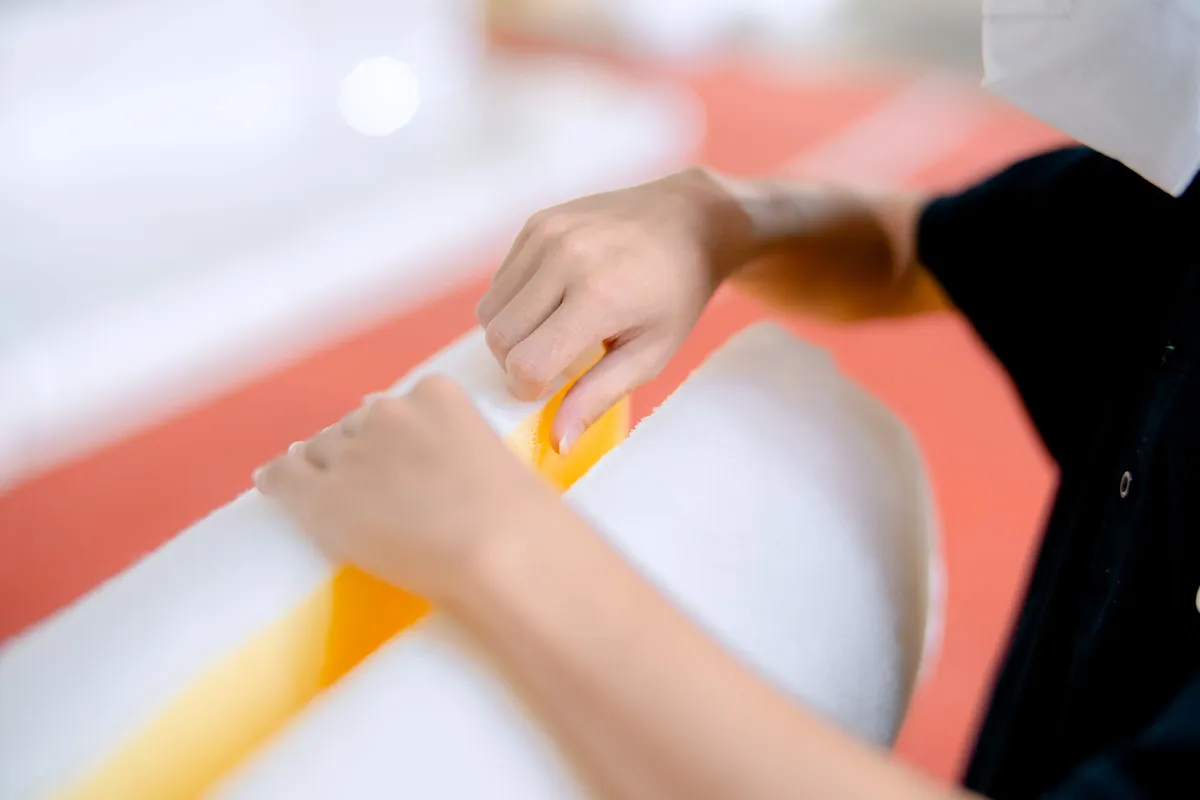
- Foam and textile — cushioning, padding and the fabric or leather covering it.
- Glass and stone — table tops, mirrored doors and shelving, handled separately because they cannot travel or be processed alongside anything else.
- Bonded composite — parts where two or more of the above are glued or laminated together in a way that cannot be undone, such as a foam-topped board or a fabric-wrapped frame.
The first four are genuine material streams. The fifth is what causes most of the difficulty, because separating a bonded composite by hand is slow, and a single household item rarely justifies the labour.
What recycles well, and what usually doesn't
Two of those material families recycle reliably. Solid timber and manufactured board are chipped and reused in board manufacture or as biomass once any metal fittings are out of it, and metal — steel especially — is one of the most straightforward materials there is to recover, since it separates cleanly and keeps its value however many times it has already been through the process.
The other three are harder, and it is worth being honest about that rather than implying every part of a sofa has somewhere useful to go. Foam does not recycle in any practical household sense; once it has degraded, absorbed moisture or simply aged, it is disposed of rather than reprocessed. Fabric and leather upholstery follow the same path in almost every case. Glass can be recycled in principle, but a mirror or a coated table top is a different product from a glass bottle and is rarely accepted through the same route.
Why separation, not collection, is the bottleneck
Collecting a piece of furniture is the easy part. Recycling any of it depends entirely on how much of that separation has already happened, or can happen quickly, once it is out of your home. A mixed pile — a broken chair, a cushion, a shattered mirror and a length of curtain rail all loaded together — cannot be sorted economically at the far end, so the whole load is more likely to go to general disposal than if the same items had left separated.
This is the part a resident actually has some control over, and it is worth more than most people expect. A wardrobe with its mirrored door already set aside, or a chair with its cushion already off, saves the one step that decides whether a material genuinely gets recovered or simply gets binned along with everything around it.
What you can actually do before a piece leaves your home
- Keep glass, mirrors and stone separate from everything else, rather than leaving them resting against or inside another item.
- Don't let furniture sit somewhere damp before it is collected — a dry piece of timber recycles; a swollen or mouldy one usually does not.
- Say what a piece is made of when you book, especially if it is a mix — a chair with a wooden frame and a stone top is two different materials leaving in one item.
- Keep fixings, hinges and castors with the piece rather than stripping them off loose, unless they are already separated as scrap metal.
- Avoid combining several different broken items into one bag or box — a mixed bag of odds and ends is the hardest thing to process of anything a crew collects.
When a piece is too far gone to separate at all
Some furniture reaches a point where none of this helps, and it is worth naming honestly rather than implying recycling is always available. Anything with a pest history is removed from the reuse and recycling route entirely, because the risk of spreading it outweighs whatever material might be recovered. A piece damaged by long-term damp is often too degraded structurally to strip safely. And a genuinely bonded composite item — one where wood, foam and fabric were never meant to come apart — is usually not worth the labour of separating for a single household piece, whatever the material could theoretically become.
None of that means the collection was wasted. It means the item's fate was decided by what it was made of and how it had been kept, long before anyone came to take it away — which is exactly why the decisions in this guide matter more before a piece leaves than anything that happens to it afterwards.
Recycling furniture in Dubai is less about finding the right facility and more about making a piece easy to separate before it ever leaves your home. Rule out reuse first, know roughly what a piece is made of, and keep the different materials apart rather than letting them travel as one damaged, mixed lump — the parts that can be recovered almost always are, and the parts that can't were never going to be, however carefully the load is sorted at the other end.