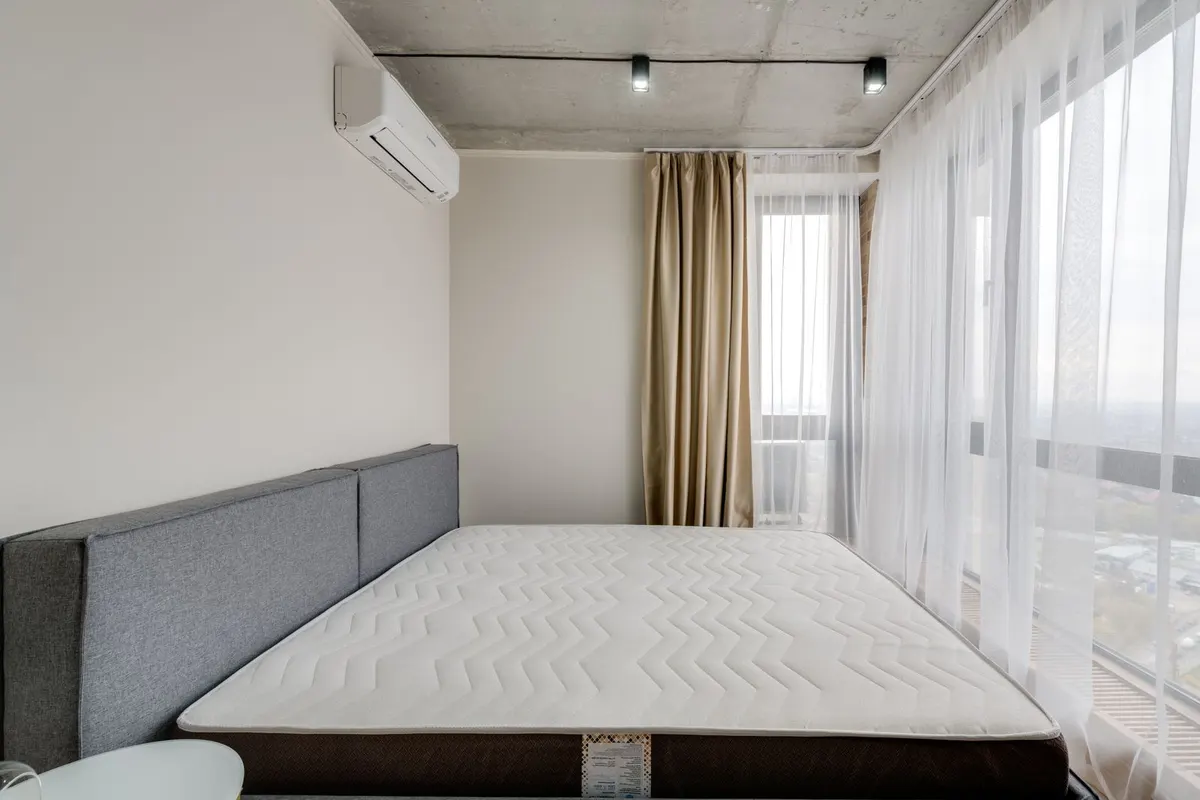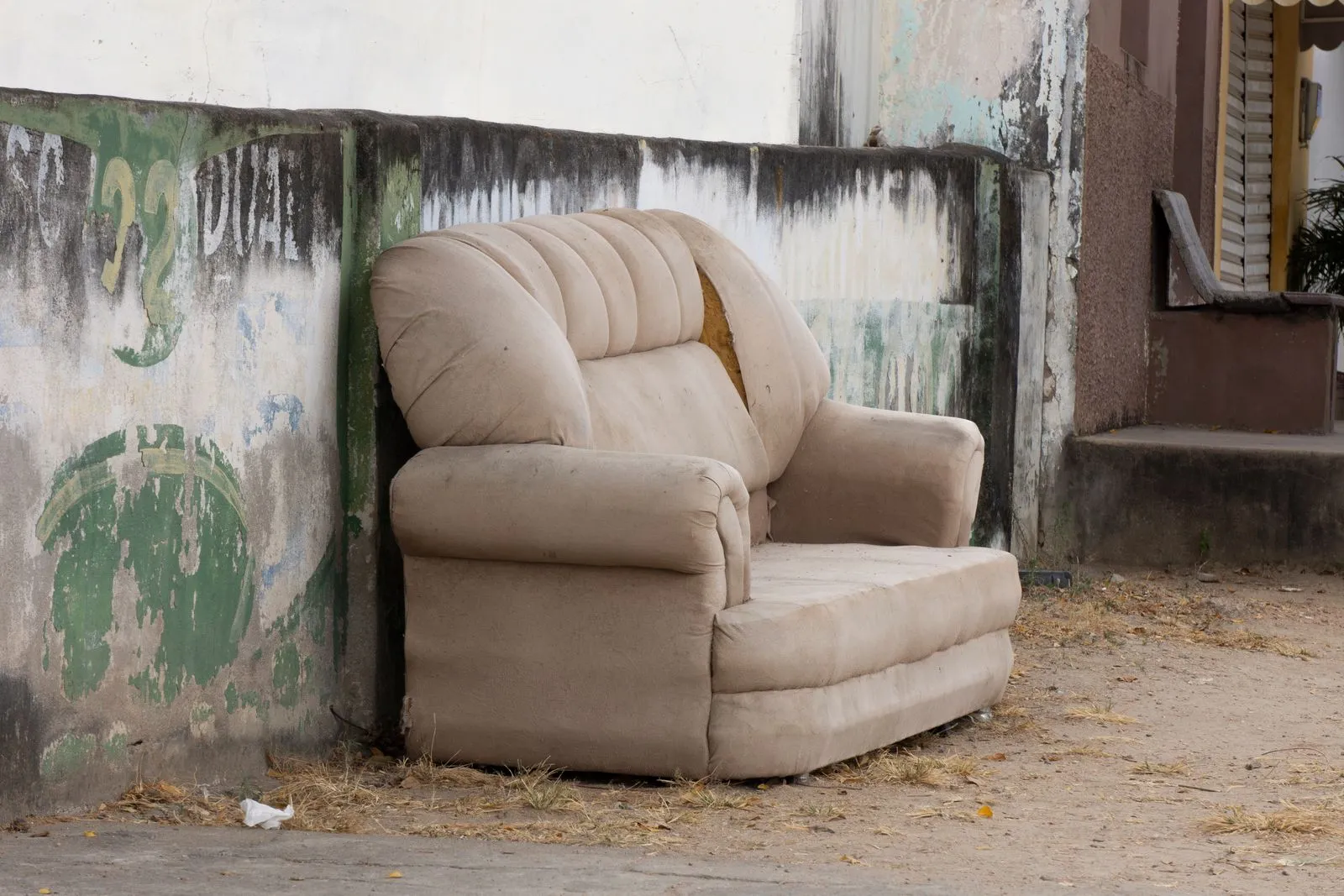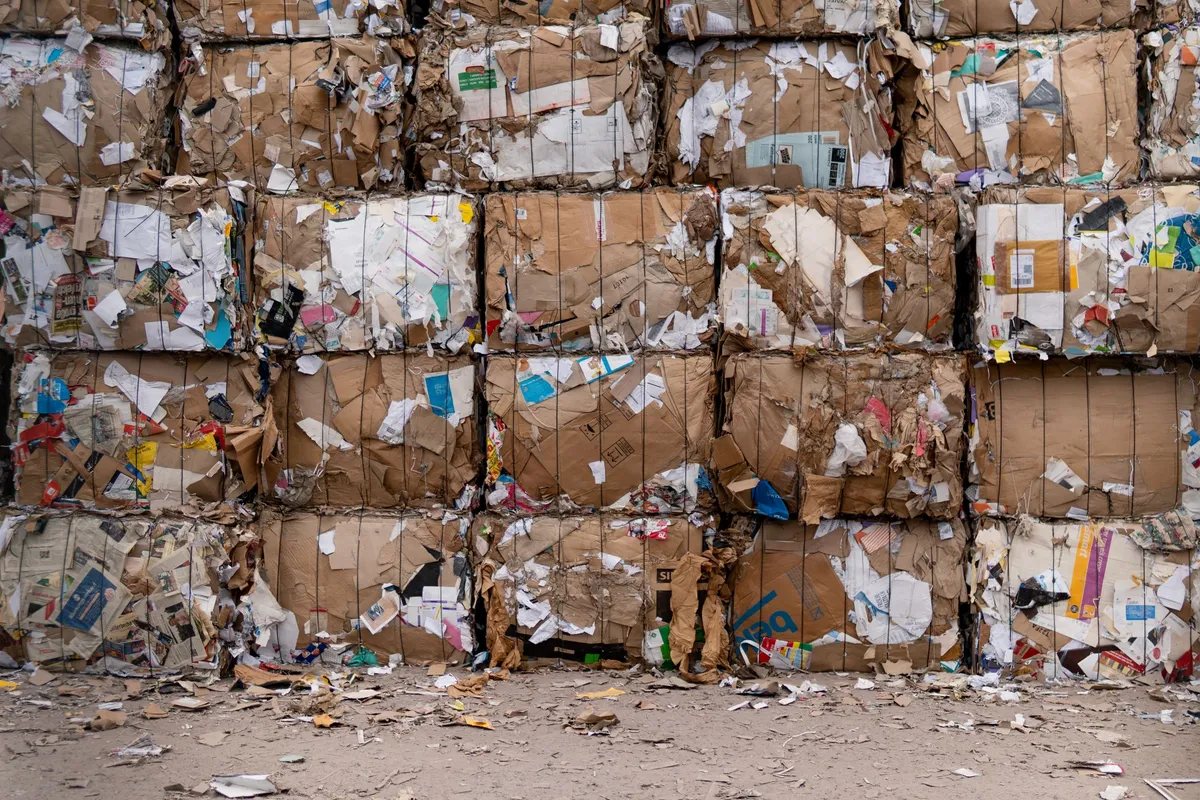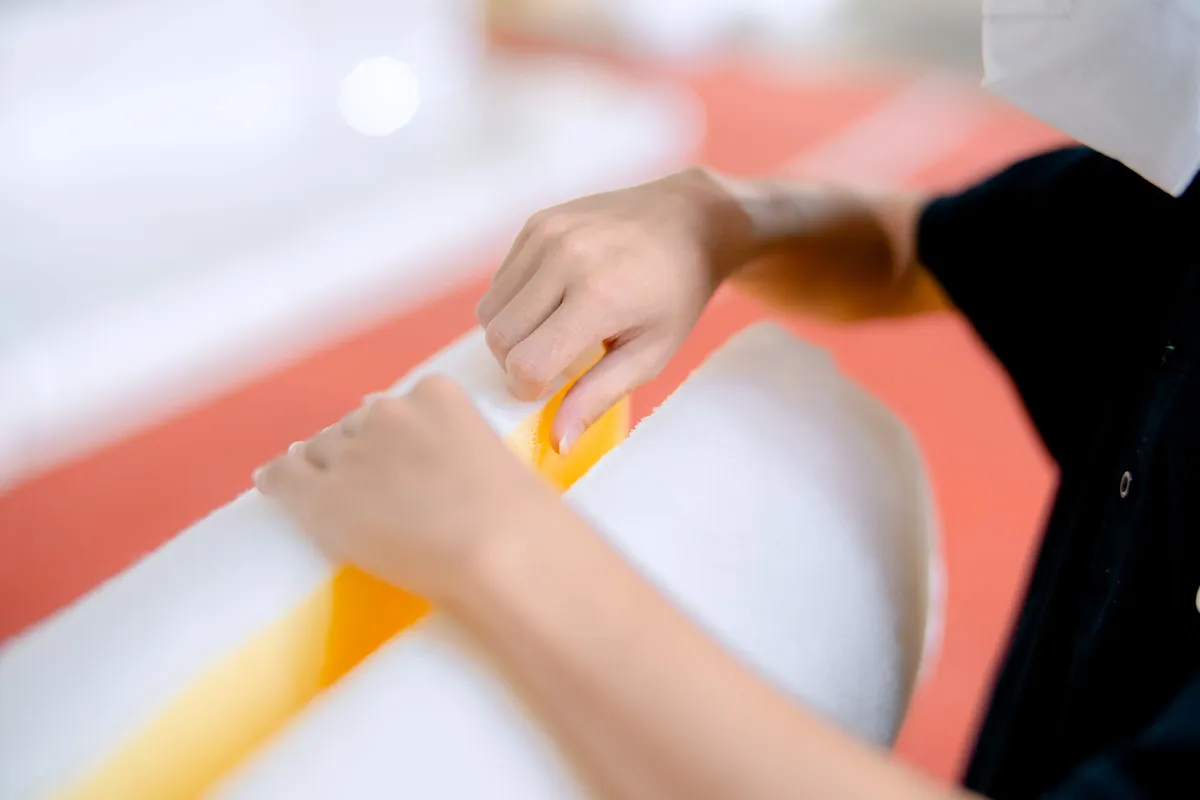
Recycling a mattress means taking it apart. No process feeds a whole mattress in one end and produces clean material at the other, because the steel, foam, textile and timber inside are bonded into a single object rather than fastened together. Separating them is the entire job, and it is the reason mattress recycling is harder and rarer than recycling almost anything else that leaves a bedroom. This is what is actually inside an old mattress, which parts have a genuine second life, and what you can do at your end to improve the odds.
What is inside a mattress
A mattress is not one material. Most of what leaves a Dubai bedroom is a combination of four material families, and a typical sprung mattress contains all of them at once.
- Steel — the spring unit in a pocket-sprung or open-coil mattress, plus the edge wire that holds its shape and the staples fixing everything together. By weight this is usually the largest single component.
- Foam — polyurethane, memory foam and occasionally latex, in comfort layers of varying density that are glued to each other rather than stitched.
- Textiles and fibre — the quilted ticking on the outside, plus felt pads and cotton or polyester wadding that sit between the foam and the springs.
- Timber and board — mostly in the base rather than the mattress itself: divan frames, slatted bases and edge rails.
Some mattresses add coconut coir, gel pads or reinforced edge foam on top of that. The point is not the exact recipe, which varies by manufacturer, but that every mattress is a laminate of dissimilar materials that each need a different destination.
Why a mattress is harder to recycle than it looks
The short answer: those materials are glued, quilted and stapled together rather than fixed together, so there is nothing to undo.
Compare it with a wardrobe or a dining table. Both come apart with a hex key because both were assembled with fixings, and once apart their panels sort naturally into timber, metal and glass. A mattress offers no equivalent. The ticking is stitched through the padding, the padding is bonded to the foam, and the foam is wrapped around a spring unit that has been stapled at the edges. Taking one apart means cutting, and cutting is slow, manual work.
There is a second problem, which is that a mattress is bulky and light. It fills a vehicle long before it approaches a useful weight, so the transport cost per kilogram of recoverable material is high compared with almost any other waste stream. That economic reality, more than any lack of willingness, is why dedicated mattress-dismantling operations are specialist and not universally available.
Contamination is the third. Foam that has been damp will not be accepted for reprocessing, and anything with a pest history is removed from the reuse and recycling route entirely and handled as disposal. One wet mattress can also spoil the materials it is stacked against.
What genuinely gets recovered
Where a mattress is dismantled properly, the four material families do not fare equally. Two have real markets, one is workable, and one is marginal.
Steel springs
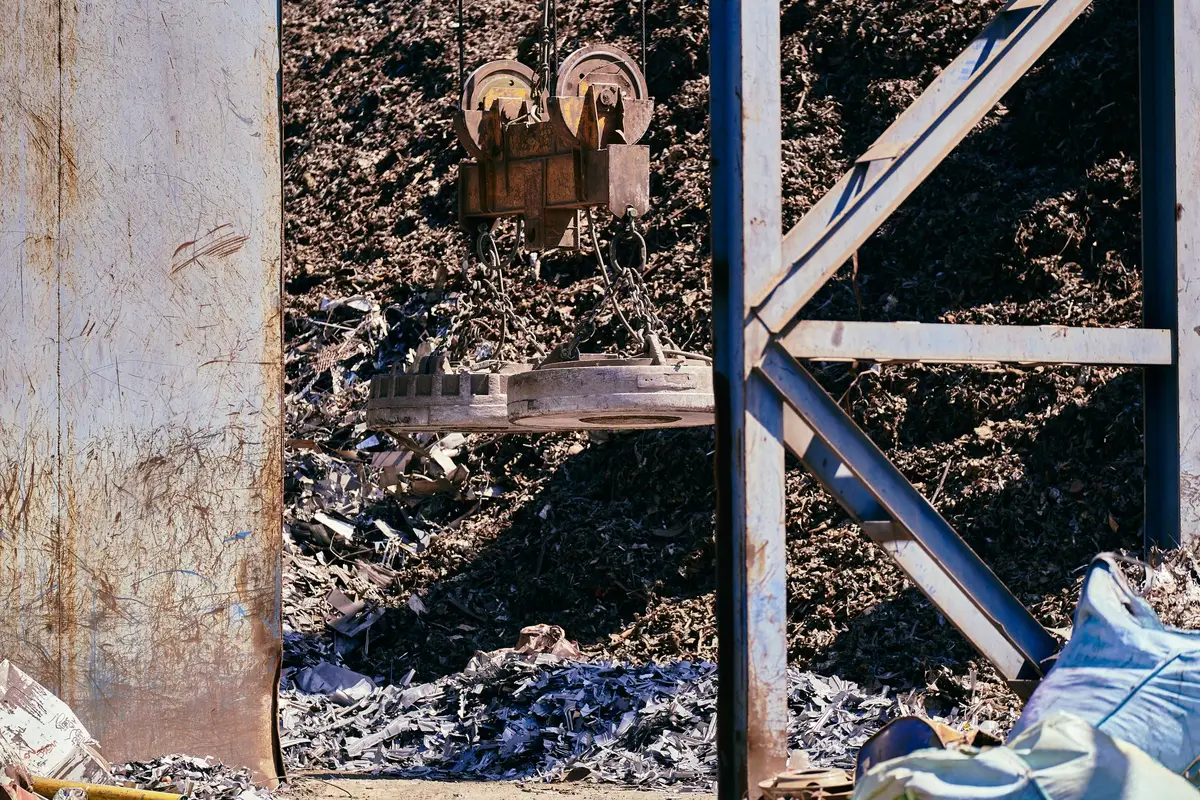
This is the part with genuine value and a well-established destination. Spring steel is separated from the rest of the mattress, baled and sold into the scrap metal trade, where it is melted down alongside every other source of steel. Metal recovery is mature, magnetic separation is straightforward, and steel loses nothing in the process. If a mattress is dismantled at all, the springs are why.
Foam
Clean, dry polyurethane foam can be shredded and re-bonded into carpet underlay, gym and play matting, packaging inserts and cushion filling. It is a real second life, but a conditional one: the foam has to be uncontaminated and reasonably uniform, which rules out anything that has been stored outdoors, left on a balcony, or soaked. Memory foam and latex behave differently from standard polyurethane and are not always accepted alongside it.
Timber from bases
Divan frames and slatted bases are ordinary timber and board once the fabric is off them, and timber is a routine recycling stream — chipped and used in board manufacture or as biomass. This is the easiest part of a bed to deal with, which is worth knowing if the base is going at the same time as the mattress.
Textiles and fibre
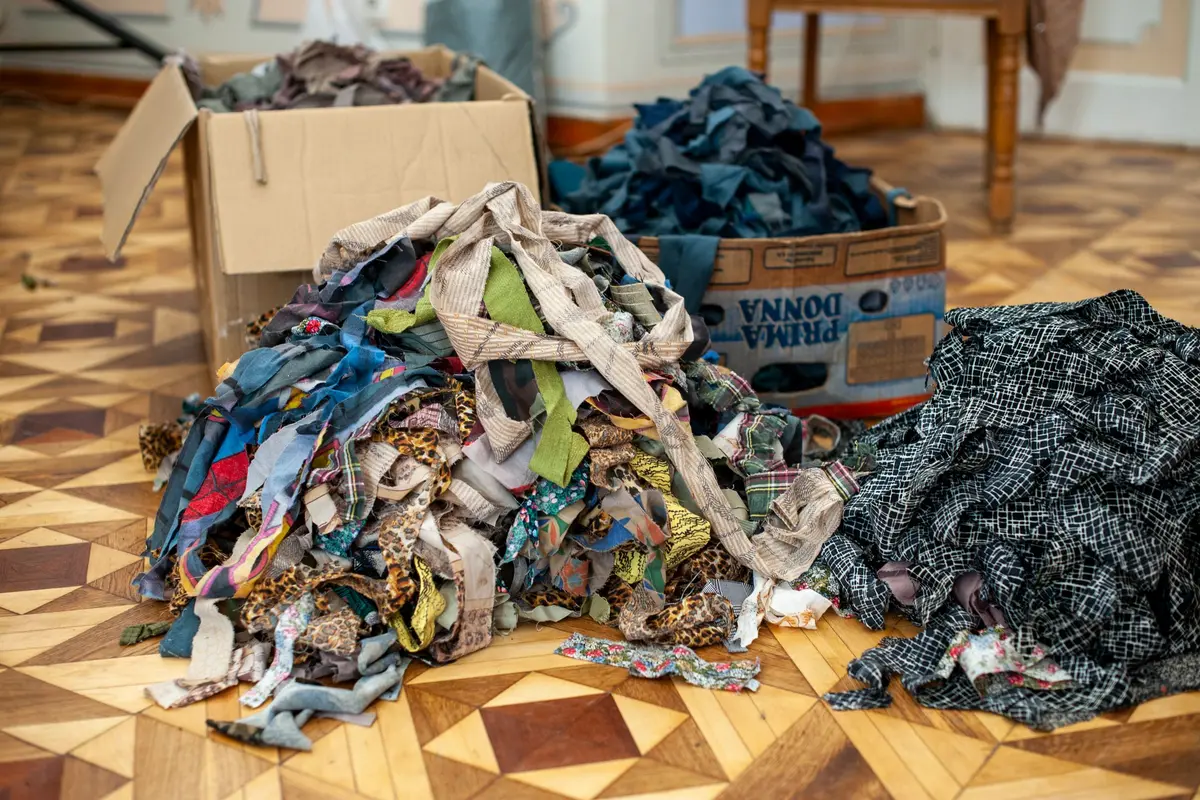
This is the hardest of the four. Mattress ticking and wadding are blended fibres, often with a coating, and blended fibre has a much weaker market than a single clean material. Where a taker exists it is shredded into low-grade filling or wiping cloth. Where one does not, the fabric layer is the part most likely to go to disposal even when the rest of the mattress is recovered.
Spring mattresses and foam mattresses are different problems
A sprung mattress is harder to take apart but more worth taking apart; an all-foam mattress is easier to handle but has less inside it that anybody wants. That trade-off is the useful way to think about the two.
A sprung mattress rewards the labour because the steel pays for some of it. An all-foam mattress needs no cutting to free a spring unit, but everything recovered from it depends on the foam being clean and on a reprocessor being willing to take it. Foam mattresses have become much more common in Dubai apartments over the last decade, partly because they arrive rolled and compressed and fit into a lift without an argument. That convenience at delivery does not carry over to their end of life.
What decides whether your mattress is taken apart
Four things, in roughly this order of influence:
- Condition. Dry, intact and free of pests keeps every option open. Damp, mouldy or infested closes all of them at once.
- Whether it was kept separate. A mattress that arrives loose in a mixed load of household waste is handled as bulky waste. One that is presented as a single identified item can be routed deliberately.
- Quantity. A batch of matching mattresses from a hotel refurbishment or a villa clear-out justifies a dismantling run in a way that one mattress from one bedroom does not.
- Reach. Recovery only happens if a processor that accepts these materials is within a sensible distance of the load.
The honest position, and it is better said plainly than dressed up: a single household mattress in Dubai is more often handled as bulky waste than fed through a dedicated dismantling line. What a licensed operator can promise is that it leaves by a lawful route and that recoverable material is separated where a route for it exists. Anyone promising more than that about one mattress is guessing.
What you can control at your end
Not much of the processing chain is in your hands, but the parts that are matter more than people assume.
- Keep it dry and keep it indoors. A mattress parked on a balcony for three weeks before collection is a different item from the one that came off the bed.
- Do not strip it down yourself. A part-cut mattress with foam separating from a spring unit is more awkward to carry and no easier to process.
- Say whether the base is going too, since a timber base and a mattress take different routes and are quoted differently.
- Mention any pest or fluid history at the time of booking, so the item is wrapped and handled correctly rather than sorted with material that is still recoverable.
- Replace it when it is genuinely finished rather than early. The most effective recycling decision anybody makes about a mattress happens years before disposal.
Mattresses are the clearest example of a product designed entirely for its useful life and not at all for what comes after it. That is worth knowing without turning it into guilt: the steel in yours has a real second life, the foam has a conditional one, and the single thing that decides between them is whether the mattress arrives dry, whole and identified rather than soaked at the bottom of a mixed load.