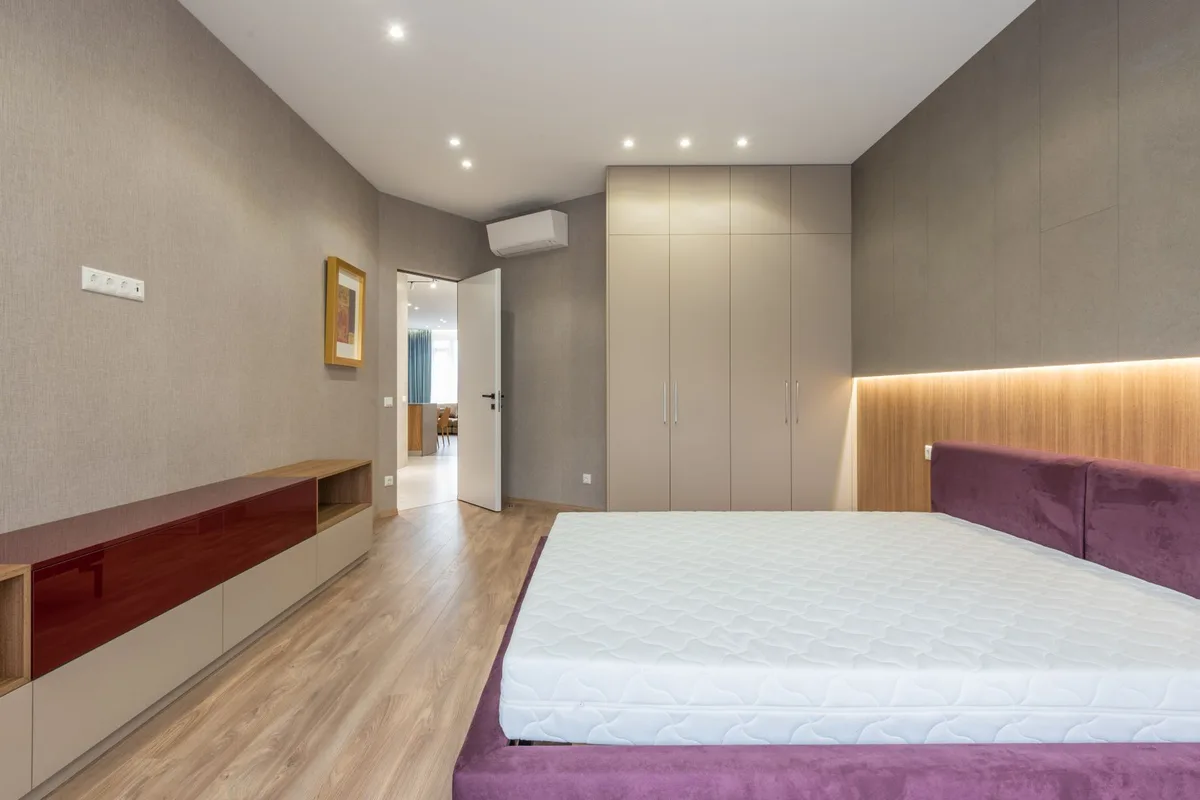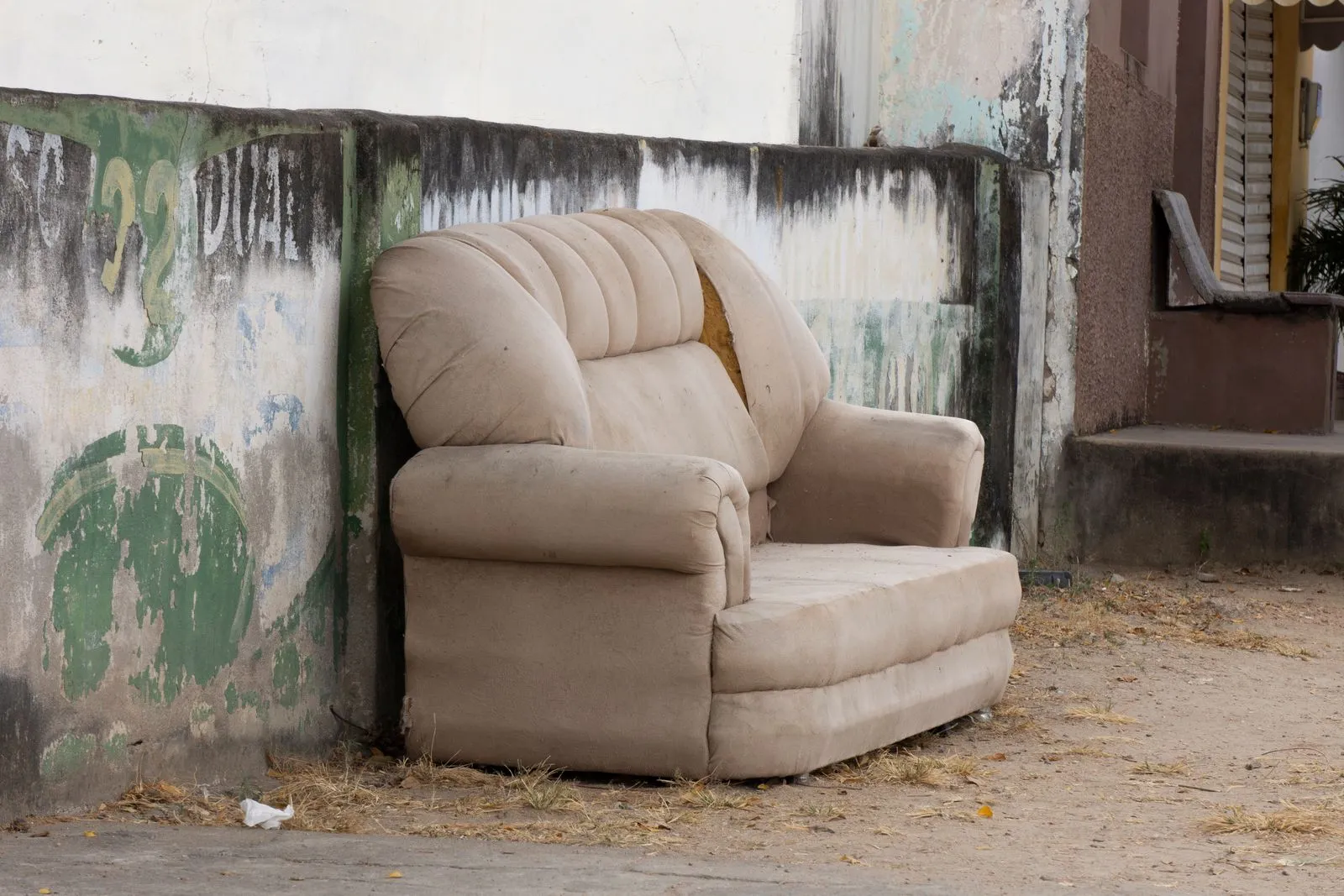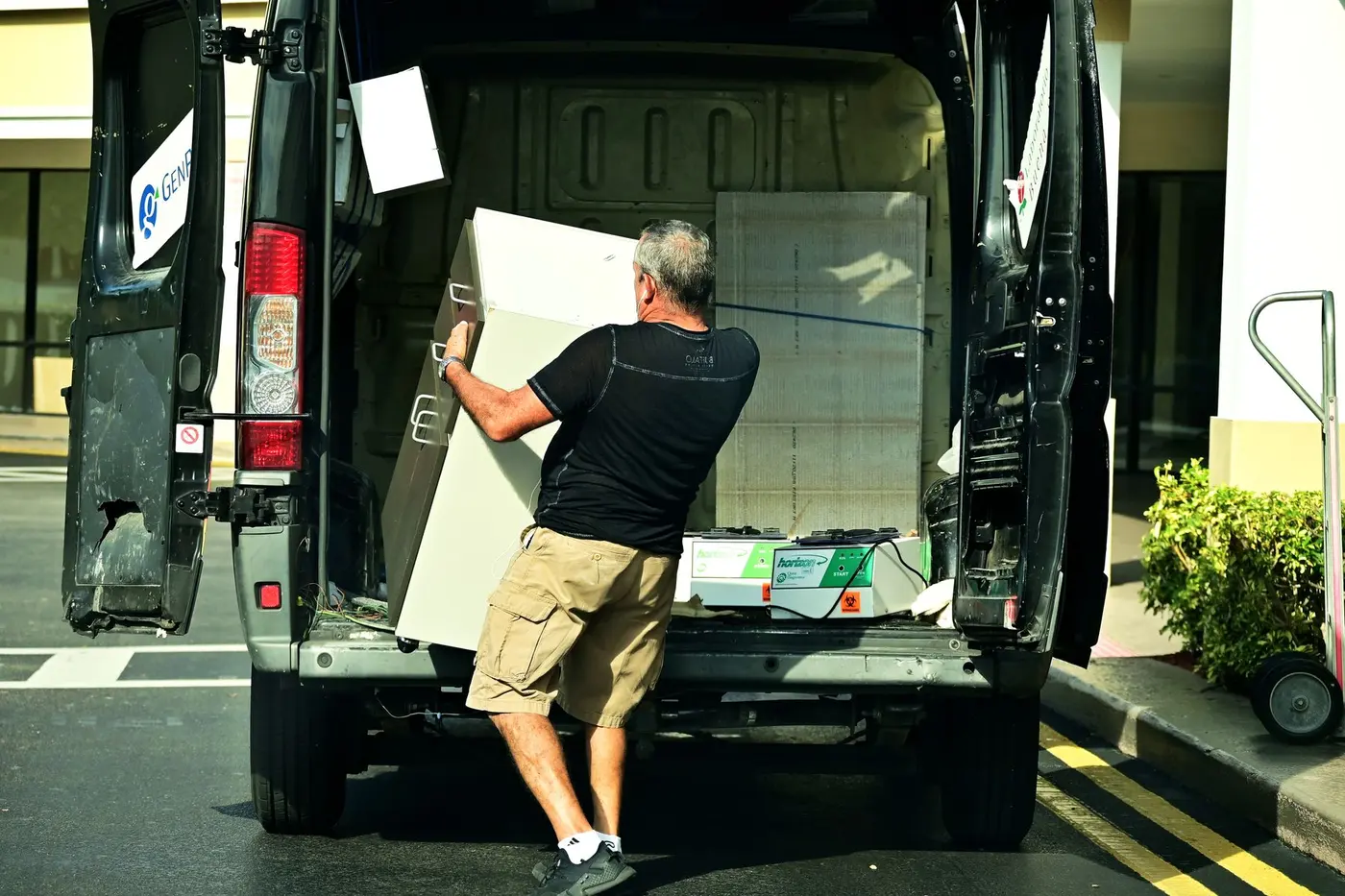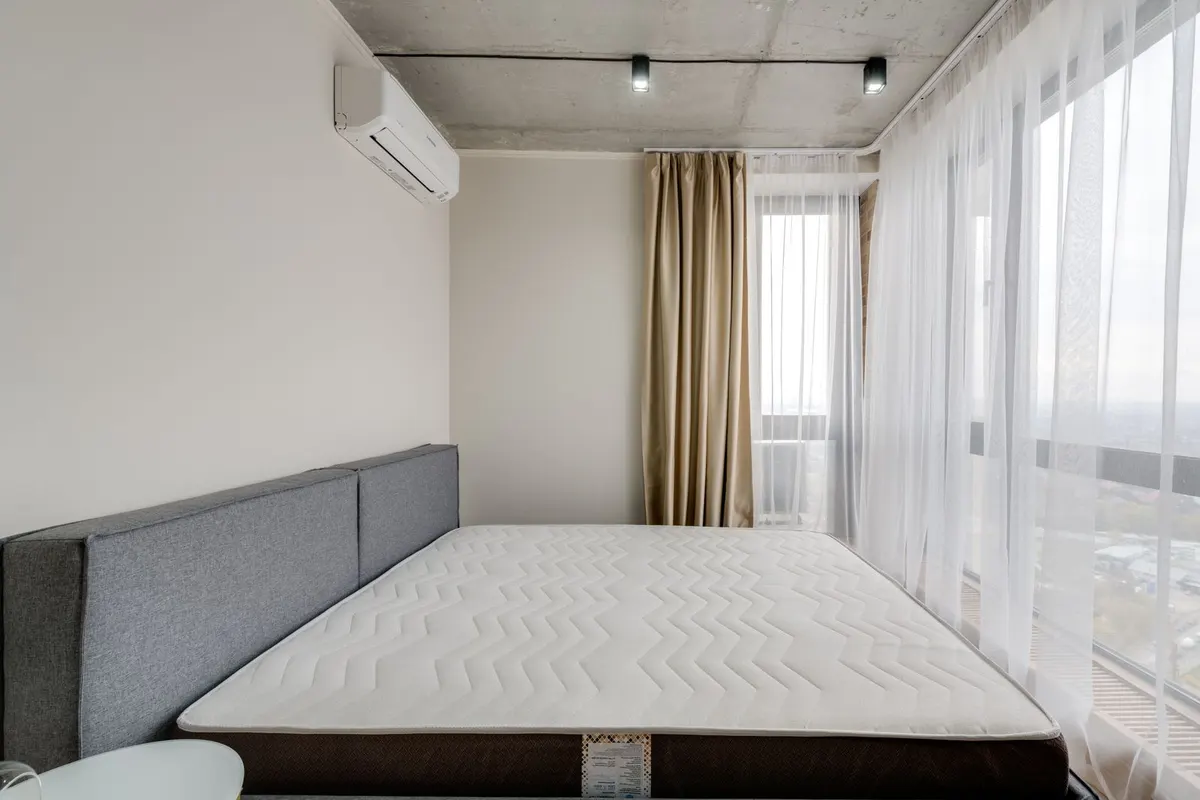
An old mattress in Dubai has three realistic destinations: passed on to someone who will use it, taken away by a collection service, or disposed of as bulky waste through a paid pickup. Which applies to yours is decided by hygiene rather than age, and the answer is usually clearer than people expect.
Hygiene decides your options, not age
A five-year-old mattress from a spare room that was slept on twice is a different item from a two-year-old mattress out of a main bedroom. Age is a poor guide on its own. What matters is whether somebody else would reasonably sleep on it. Any of the following means the mattress is going for disposal rather than reuse:
- Visible staining of any kind, including marks that have long since dried.
- A persistent smell, particularly damp or smoke.
- Sagging through the middle, or a dip where the sleeper lay.
- Exposed foam, torn ticking, or broken springs you can feel through the surface.
- Any history of bed bugs, fleas or fluid contamination.
That list rules out more mattresses than people like. It is the honest answer rather than a discouraging one: a mattress is one of the few household items where the second-hand market is genuinely narrow, and knowing that early saves a fortnight of unanswered listings.
When a mattress can still be passed on
A mattress that is clean, firm, unmarked and reasonably recent can be given away, and free listings move faster than paid ones. Guest room and maid's room mattresses are the usual candidates, because they have spent their life in air-conditioned space and have barely been used.
Two practical points if you go this route. Give the size as an actual measurement rather than a label, since bed size names here come from several different naming conventions and rarely match between suppliers. And expect the recipient to collect, which means the mattress still has to get out of your building either way.
Bag it before it leaves the bedroom
This is the step most people skip and the one building management notices. A mattress carried uncovered through a lift and a shared corridor sheds dust along the whole route, which is a housekeeping complaint in any residential tower and a fair objection from your neighbours.
Mattress disposal bags are inexpensive and easy to find. Get the bag over the mattress while it is still lying flat on the base, not once it is standing on its end in a doorway. Where there has been a pest or fluid problem, wrapping is not optional, and it should be said at the time of booking so the crew arrives prepared for it.
Getting a mattress out of a tower
A mattress is not heavy so much as ungovernable. It folds in the middle, offers no fixed grip points, and catches on door frames and handrails, which makes it a two-person item long before weight becomes the issue.
The lift decides most of it. A double mattress will not stand upright in many passenger lifts and has to go in on a diagonal, which is exactly the position in which it bends and jams. Where a building has a service lift, book it. Where it does not, a stairwell works, but the turn at each landing is the slow part rather than the flights themselves.
Villas are easier. The mattress usually goes out through a ground floor door to a vehicle parked close by, and the only real constraint is the internal staircase when the bedroom is upstairs.
Booking a collection
Used mattresses are collected as standard, and this is the route most people end up taking. Three details make the visit predictable:
- The mattress size, and whether the bed frame or base is going as well.
- Your floor, and whether a service lift can be reserved for the slot.
- Any pest or fluid issue, stated plainly, so it is wrapped and routed correctly.
The frame is worth settling explicitly rather than assuming. A mattress and a bed base are two separate items that travel differently, and it is common for only one of the two to be leaving.
Why a mattress cannot go beside the bins

Bulky items sit outside standard household waste collection, so a mattress propped against a communal bin area is not taken on the normal round. It stays where it is. In practice it blocks the bin store, absorbs dust or winter rain, and becomes a building management matter that is traced back to the flat it came from.
Leaving one in a corridor or a stairwell is worse, since those are fire escape routes and get cleared rather than discussed.
What happens to it afterwards
A mattress is a layered product: ticking, foam, often a spring unit, sometimes a timber edge. Separating those materials is a specialised job rather than something that happens on the vehicle, so what can be recovered is recovered and the remainder goes to licensed disposal. How mattresses are processed in detail is a subject of its own; for the purpose of clearing a bedroom, what matters is that it leaves by a lawful route and not via the bin store.
Disposing of a mattress in Dubai comes down to two honest judgements and one piece of preparation. Decide whether anybody would genuinely sleep on it, decide whether the lift or the stairs is the way out, and get a bag over it before it leaves the bedroom. Do those three things and the most awkward item in the flat turns into a short, unremarkable visit.