Almost nobody gets rid of a chair the day they stop wanting it. A chair gets moved instead — out of the dining room, into a bedroom corner, onto the balcony, finally into the storeroom — and it keeps a use the whole way down, because a chair is always somewhere to put something. The result is that a household calls about one chair and finds four when it starts looking. This is where they turn up, which ones get smaller when they leave, and how to tell honestly when a chair is finished.
Chairs get demoted before they get discarded
A chair that is no longer good enough to sit on at a table is still perfectly good for holding clothes, and that is the demotion that keeps it in the flat for another two years. It is the reason chairs are the furniture people are most surprised to have.
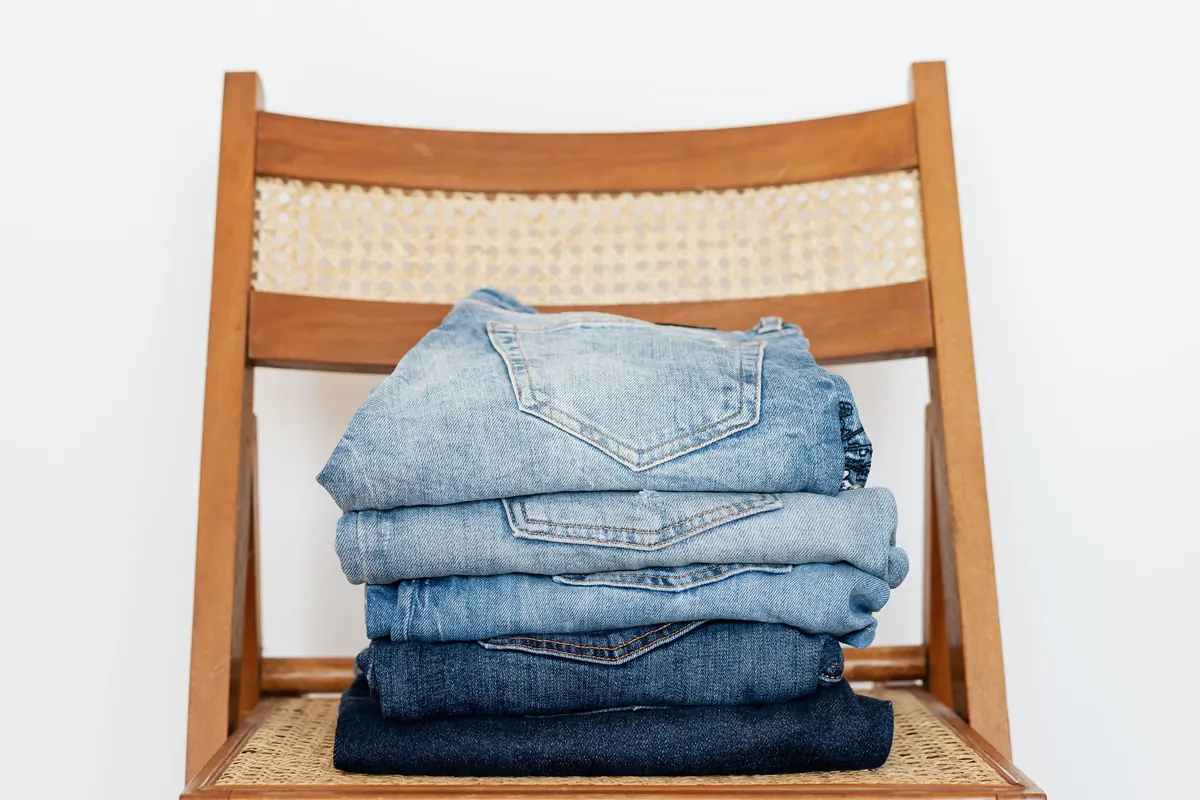
That matters practically rather than philosophically. A chair being used as a shelf is a chair nobody has assessed in years, so its condition is usually a surprise, and it is rarely standing anywhere near the other chairs that are going. Both facts change what you should say when you ask for a price.
Find them all before you ask for a price
Walk the whole home once and count, before you send a message about a chair. Chairs are light enough to have been carried anywhere, which is exactly why they end up scattered. The usual hiding places are consistent enough to list.
- The bedroom corner, under a pile of clothes.
- The balcony, where one indoor chair was moved out for a season and stayed.
- The storeroom or maid's room, stacked behind the suitcases.
- Flat behind a door or under a bed — the folding set kept for when guests come.
- The study, holding a printer or a stack of files rather than a person.
- In villas, the space under the stairs, and the second terrace nobody thinks of as part of the house.
Getting the count right at the start is worth a few minutes. Chairs are small enough individually that people describe them vaguely and large enough collectively to change the vehicle, and a crew arriving for two chairs and finding seven has a problem that cannot be solved on the doorstep.
Only some chairs get smaller
What a chair is made of decides how it travels and what happens to it afterwards, and there are four types worth telling apart.
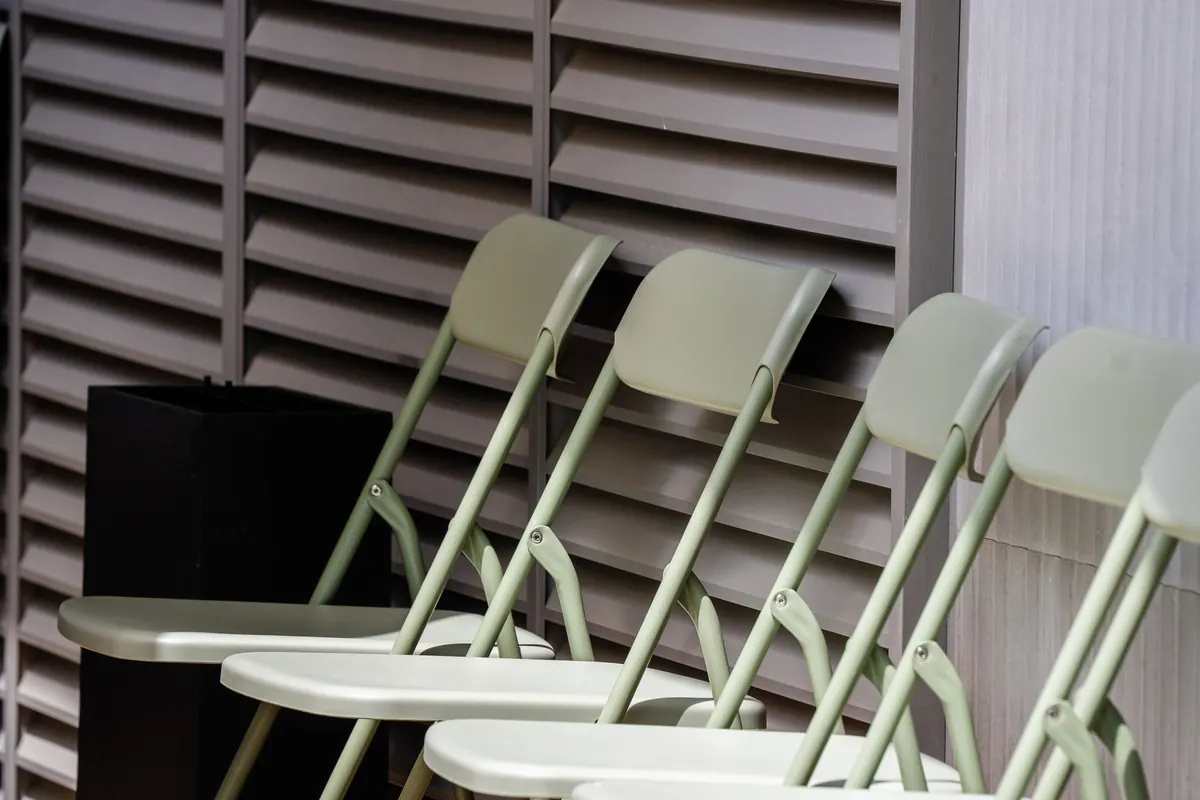
- Moulded plastic chairs. One piece, no joints, and they nest into each other properly — a stack of them is a single carry. There is nothing inside to repair, so a cracked one is finished, and the plastic goes as a single material.
- Folding chairs, timber or metal. They collapse flat and travel as a bundle. Worth checking the pivots before anyone stacks them, because a folding chair with a seized hinge folds unevenly and pinches fingers.
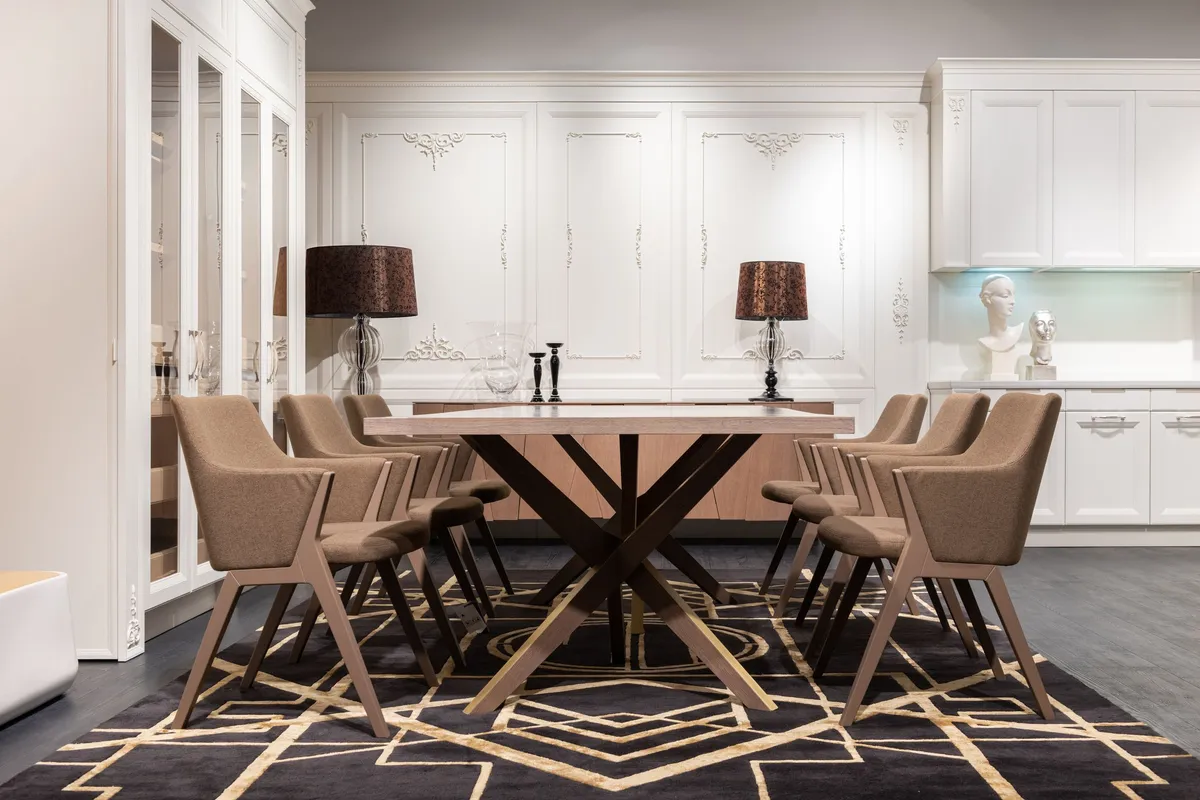
- Hard timber chairs. Dining and side chairs with no padding. They do not reduce at all, they are heavier than they look because the weight is in the frame, and their whole life depends on whether the joints are still tight.
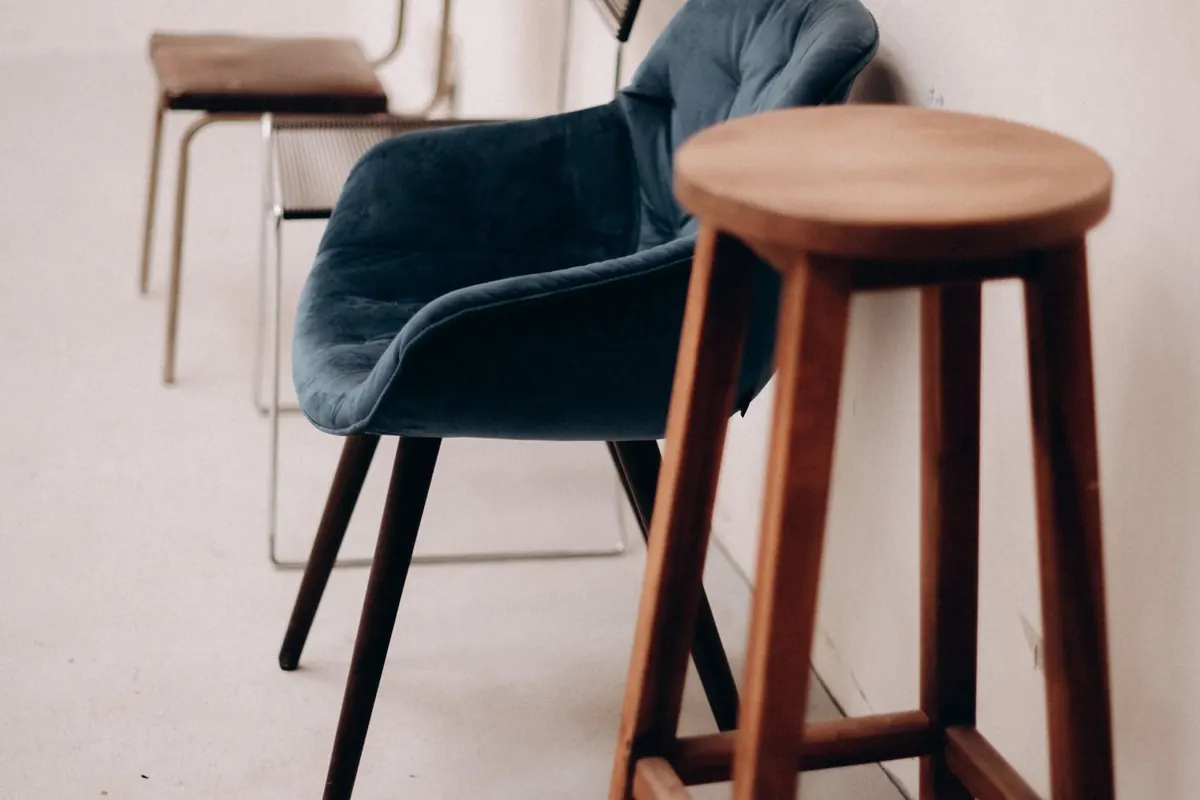
- Upholstered chairs. A timber frame, webbing or springs, foam and fabric. The heaviest per seat and the least likely to be wanted second-hand, because fabric ages visibly and nobody can see the frame underneath it.
The practical consequence is that six plastic chairs and six upholstered ones are not remotely the same job, even though both are six chairs. Say which kind you have rather than only how many.
The test for whether a chair can be passed on
Stand the chair on a hard floor and rock it gently side to side with both hands on the back. If the frame moves at the joints — a small creak, a visible flex where the leg meets the seat rail — the chair is at the end of its life and should not be given to anybody. That is a safety judgement, not a cosmetic one, because the failure point of a chair is somebody sitting down on it.
A loose joint is repairable in principle: the old glue has failed and the joint needs cleaning and re-gluing under clamps. In practice it is a workshop job worth doing for a solid timber chair you care about, and not worth doing for a mass-market dining chair, where the joint is often a dowel in a hole that has already been re-glued once.
If the frame is sound, the number matters more than the condition. A single chair is genuinely hard to place, however good it is. A matching pair is easier. Four the same is a set, and sets are wanted — by people furnishing a first apartment, and by households furnishing staff accommodation, which is a steady source of demand for plain, sturdy, unglamorous chairs here.
Community groups and building noticeboards move chairs faster than resale listings do, mostly because the price a used chair fetches is not worth either side's travel. If the chairs are going to a charitable organisation, expect the same condition test to be applied at their end, and expect to arrange the transport yourself.
The chairs that are a different job
Four things are called chairs and are not handled as chairs. Each is worth flagging separately when you book, because each changes the crew, the vehicle or the destination.
Armchairs and recliners are upholstered furniture rather than seating you can carry under one arm — two people, a door measurement, and in the case of a powered recliner, a motor and a transformer that make part of it electrical waste rather than furniture.
Office swivel chairs have a gas cylinder in the column, which is a sealed pressurised part and is not something to attack with a hacksaw at home. One from a home study is a routine collection; a floor of them is a commercial clearance with entirely different scheduling.
High chairs, booster seats and children's furniture are worth keeping separate in your own mind, because safety-critical items for children are the category most likely to be refused for reuse regardless of condition, and are usually better replaced than passed along.
Garden and terrace chairs belong with the rest of the outdoor furniture. They are often part of a set with a table, they may be bolted or weighted against the wind, and the sun has usually done more to them than the sitting has.
None of this makes a chair clear-out complicated. It just means the useful work happens before you contact anybody. Walk through the flat or the villa, gather every chair that is going into one place, and look properly at what you have. An honest count and an honest description are what turn a vague enquiry about a chair into a job that gets done in one visit.