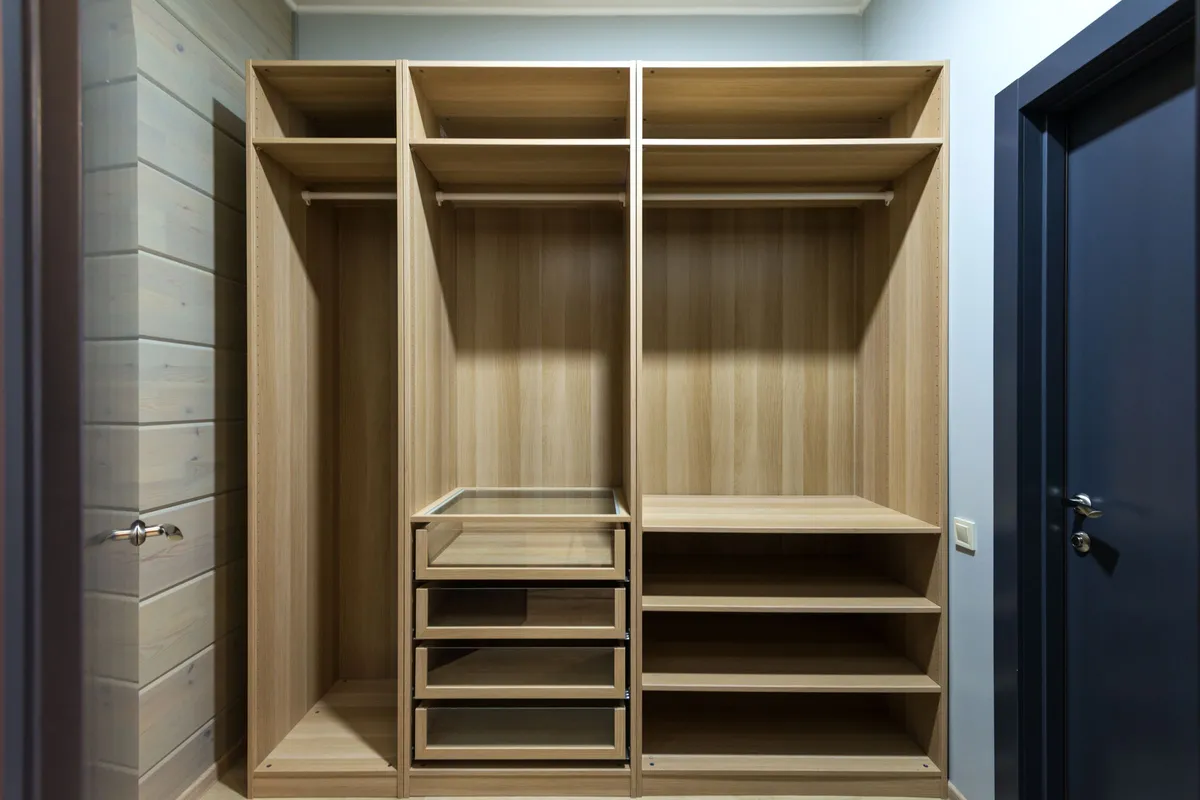
Getting rid of a wardrobe and getting a wardrobe out of a bedroom are two different problems. The second is a morning's work with a screwdriver. The first is a decision, and it is worth making before anyone touches a fixing, because a wardrobe that has already been taken apart has far fewer places it can go than one still standing against the wall.
What decides where a wardrobe ends up
Three things settle it, and none of them is age. A wardrobe from ten years ago can be worth passing on while a three-year-old one is only fit for material recovery. How it actually gets out of the room — freestanding or fitted — is covered in wardrobe removal in Dubai.
- What it is made of — solid wood behaves completely differently from faced board once the fixings come out.
- Whether it can be taken apart and rebuilt, rather than simply taken apart.
- Whether it is freestanding or fixed to the structure of the apartment.
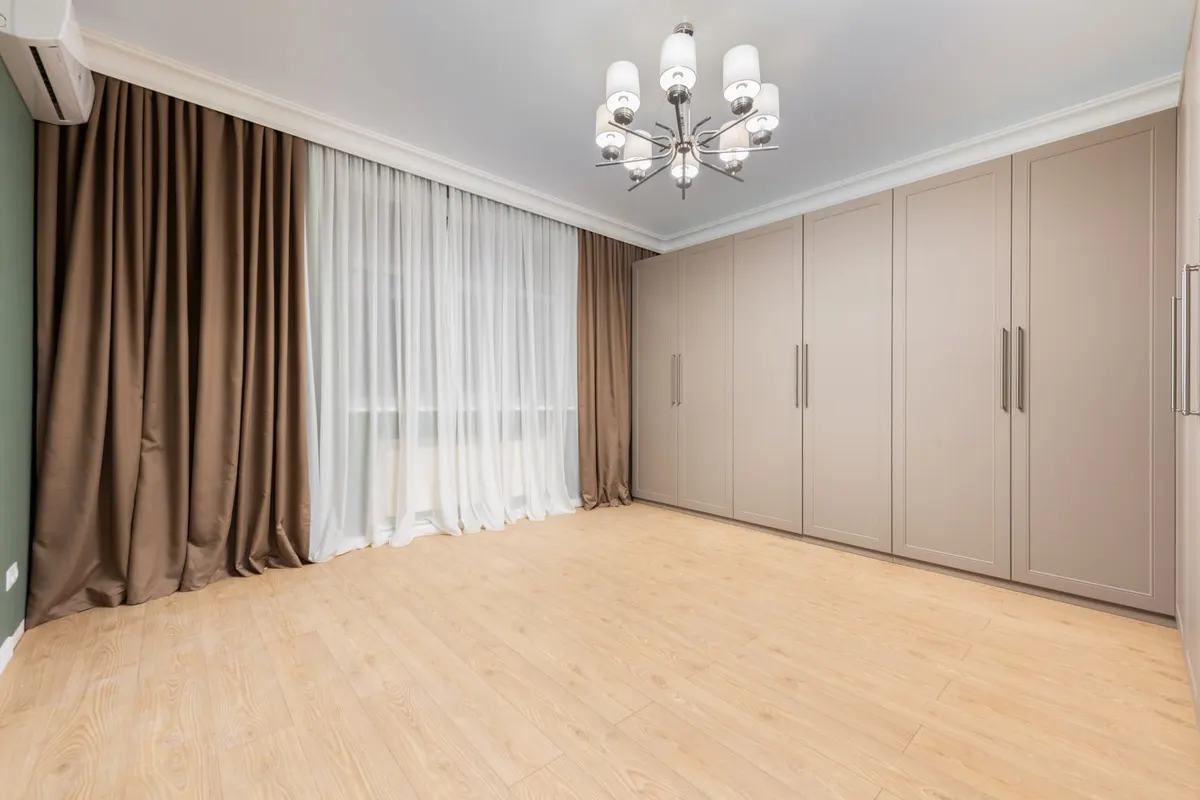
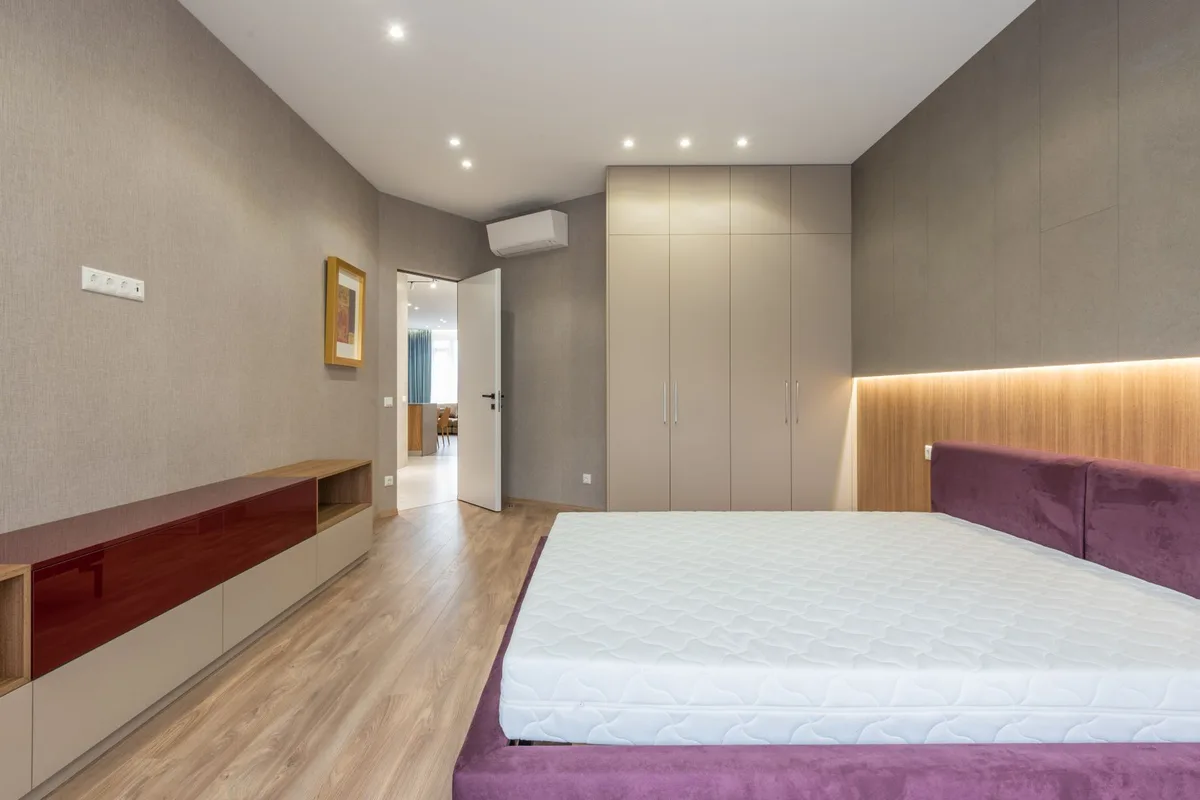
The last one is the quickest to check and the most decisive. A fitted wardrobe is part of the fit-out rather than part of your contents, and once it is unscrewed from the wall it is a stack of cut-to-size panels that will not fit anywhere else. Fitted units go to disposal. The rest of this article is about the freestanding ones, where you genuinely have a choice.
Working out what your wardrobe is made of
Most people cannot say what their wardrobe is made of, because the outside face of all three materials looks similar. The tell is at an edge, a screw hole or the back panel.
Solid wood
Grain runs continuously over the edge of a panel rather than stopping at a strip of tape, and the piece is noticeably heavier than it looks. Solid wood separates cleanly, takes a screw back into the same hole, and rebuilds in another room. It is the one material that reliably keeps a resale value here, which is why it is worth identifying before you decide anything else.
Veneered plywood and MDF
A thin layer of real wood over a manufactured core. The edge is banded, and a chipped corner shows a different colour underneath the surface. These survive one careful dismantling in most cases and a second one rarely. They can be passed on if the veneer is intact and the fixings still bite.
Melamine-faced chipboard
The most common wardrobe material in furnished apartments, and the least forgiving. The surface is a printed foil rather than wood, and the core is compressed particles. Undo the fixings and the holes crumble, so the panel will not hold a screw at the same point again. A chipboard wardrobe usually reaches the end of its life on the day it is dismantled, whatever it looks like from the front.
Three things that rule a wardrobe out
Even a well-made wardrobe can be past passing on. These are the three that come up most often here, and all three are worth checking with a torch before you photograph anything.
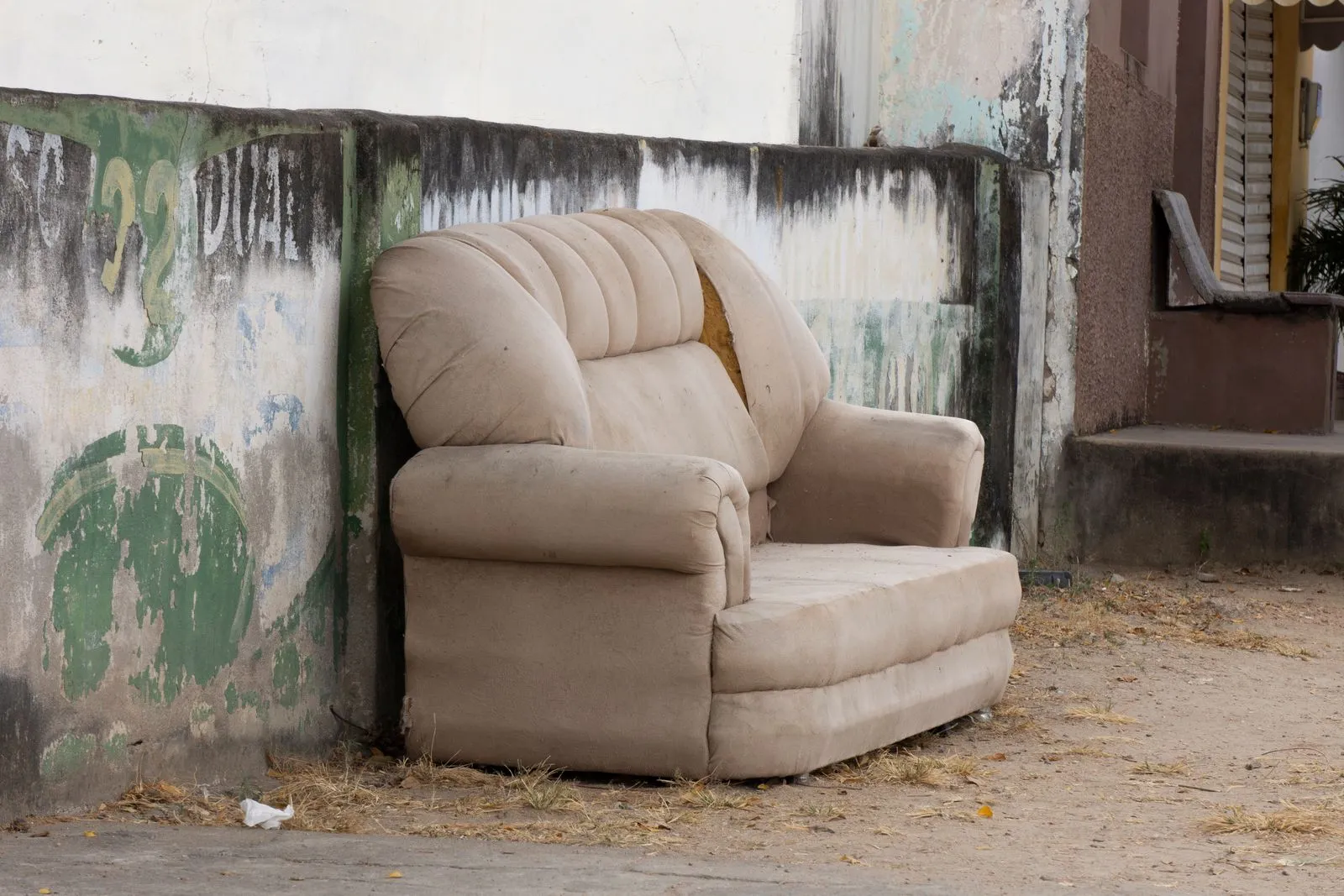
- Swollen or bubbled panels near the base, usually from a slow leak or from standing against a wall that sweats behind a poorly sealed air conditioning run.
- Doors that no longer sit square in the frame, which normally means the carcass has moved and will not square up again once it is rebuilt.
- A persistent smell in the interior, or any sign of pests in stored fabric — nobody will take a wardrobe with either, and it is fairer to say so upfront than to let someone drive across the city to find out.
Decide before it comes apart, not after
A standing wardrobe is a piece of furniture. A dismantled one is a stack of panels, a bag of fixings and a job of work for whoever takes it. That difference is worth more than most people expect, and it runs in one direction only — you can always dismantle later, but you cannot put the decision back.
So sell or offer it while it is still assembled, photograph it as it stands, and arrange the collection date around whoever is taking it. If nobody comes forward within a week or two, dismantling and disposal is a single scheduled job rather than a second round of messaging.
Passing a wardrobe on
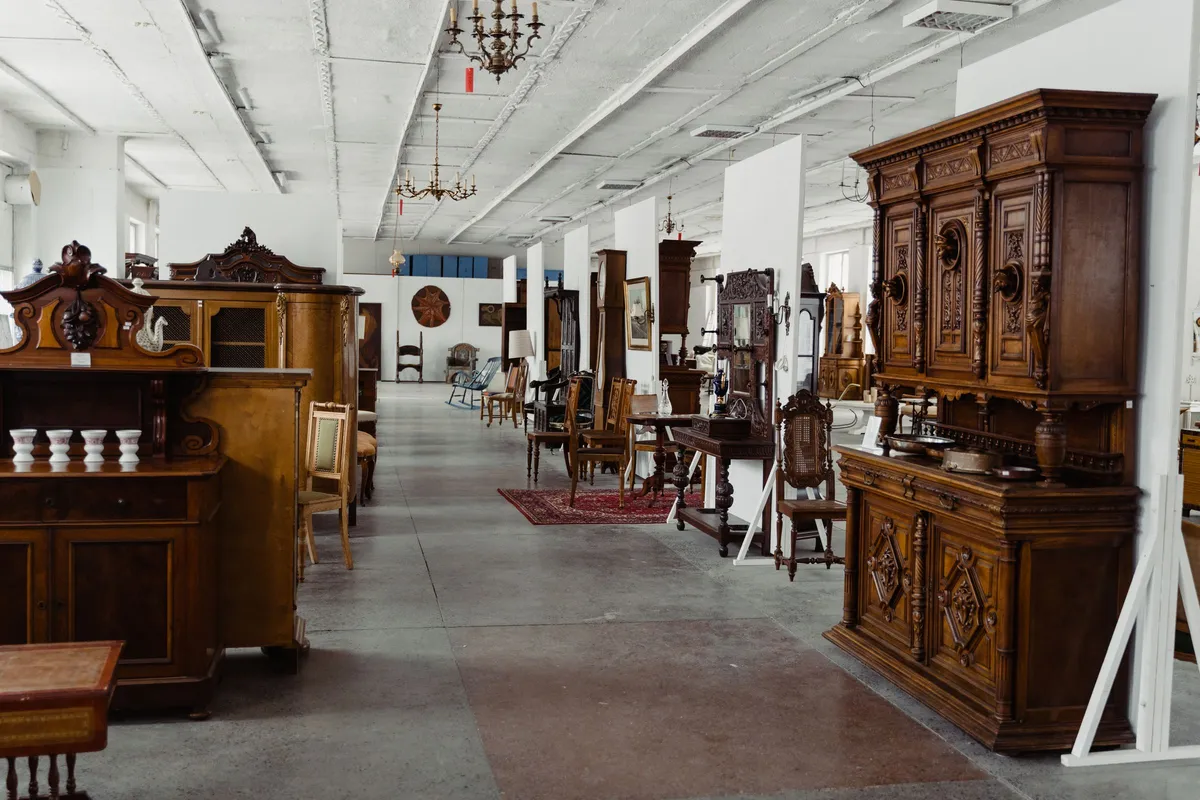
Giving a wardrobe away is realistic, but the sticking point is not willingness — it is that the recipient has to move something the size of a doorway and then put it back together. That rules out most casual takers and leaves the people who actually have a van and a reason: households setting up a first apartment, staff accommodation being furnished, and anyone furnishing a room on a budget.
Community noticeboards, building resident groups and neighbourhood buy-and-sell groups are where these offers land. Say in the post that the wardrobe comes apart, name the number of doors, and be clear about which floor it is on and whether a service lift can be booked. Those three details decide whether anyone replies.
Selling a used wardrobe
Wardrobes sell more slowly than sofas and much more slowly than appliances, because a buyer has to match one to a specific wall in a specific room. Solid wood sells. Veneered units sell if they are current in style. Chipboard rarely sells at any price, and listing it usually costs more time than it returns.
Photograph it standing, in daylight, with the doors open and the interior empty. Put the real height and width in the listing rather than leaving a buyer to guess, since height is what stops a wardrobe fitting under a lowered ceiling or a bulkhead. And state plainly that it will be handed over dismantled, with the fixings bagged — a buyer who learns that on the day is a buyer who walks away on the day.
What happens to a wardrobe that cannot be reused
It stops being a wardrobe and becomes a set of materials. A collected wardrobe is separated rather than tipped whole: the board panels go into the timber stream, the rails, hinges, runners and any internal frame go with metal, and mirrored or glass doors are handled on their own because they cannot travel stacked with the panels.
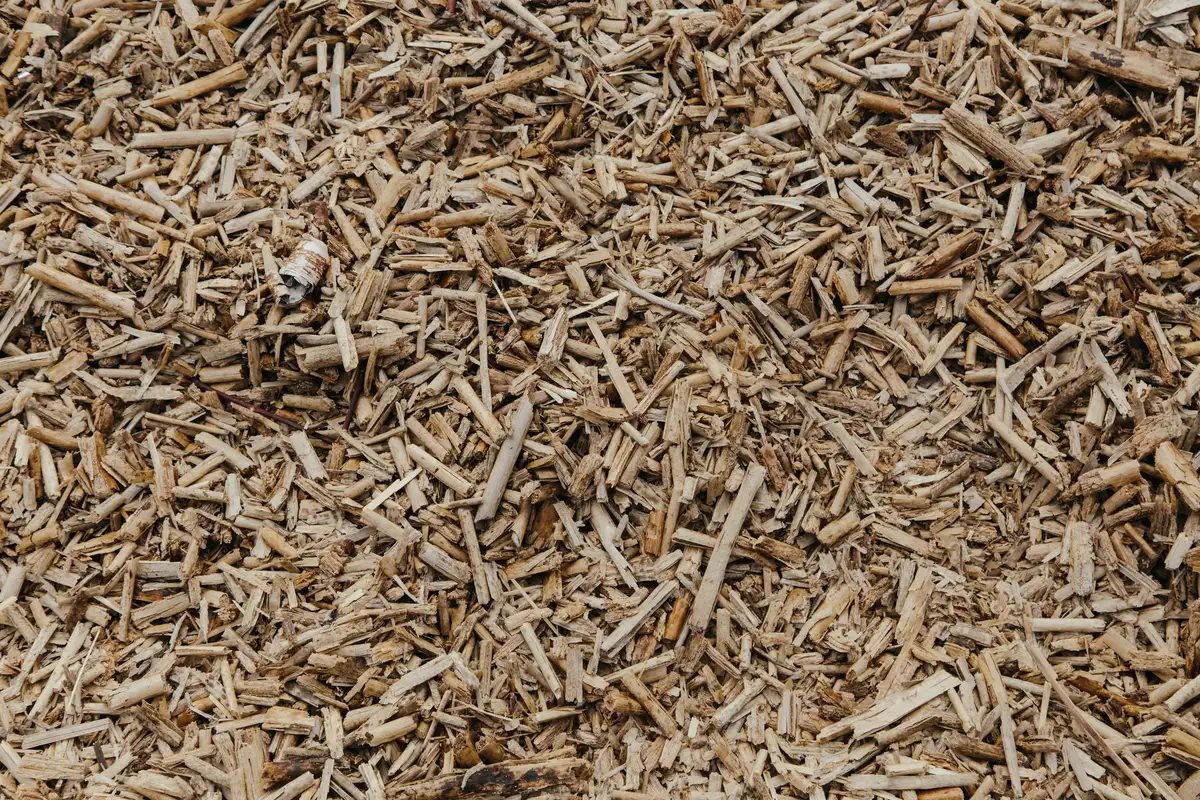
This is worth knowing for one practical reason: it is why a licensed collection asks what the wardrobe is made of and whether it has mirrors, and why a wardrobe that arrives in one undifferentiated pile is worth less at the far end than one that leaves your flat already sorted. Bagging the fixings and keeping the glass separate takes a few minutes and genuinely changes what happens next.
A wardrobe is one of the few pieces of furniture whose fate is decided by a material you cannot see from the front. Open a door, look at a raw edge and a screw hole, and you will know within a minute whether you are arranging a handover or a disposal — and knowing that first is what stops a good wardrobe being broken up and a broken one being listed for a fortnight.