If you have furniture that still works and you would rather it went to somebody who needs it than onto a truck, there are four realistic routes in Dubai: registered charitable organisations, community and building networks, employers who house staff, and second-hand outlets that resell for a cause. None of them works like the charity-shop model many residents arrive here expecting, and the thing that decides which one suits you is rarely generosity. It is whether anyone will come and collect. When none of them will take the piece, furniture collection in Dubai is the fallback that always works.
The four places furniture donations actually go
There is no single nationwide furniture-donation service here. What exists instead is a set of separate channels, each with its own rules about what it takes and how it gets there.
- Registered charitable organisations — the closest thing to a formal route. They accept household goods in genuinely good condition and generally work from fixed premises, so what they can take depends heavily on whether they run their own vehicle.
- Community and building networks — residents' groups, building noticeboards and neighbourhood social media groups. Much the fastest route, because the person who wants your sofa is often in the same tower.
- Employers and staff accommodation — companies furnishing staff housing take usable beds, wardrobes and seating in quantity, which is where large matched sets tend to find a home.
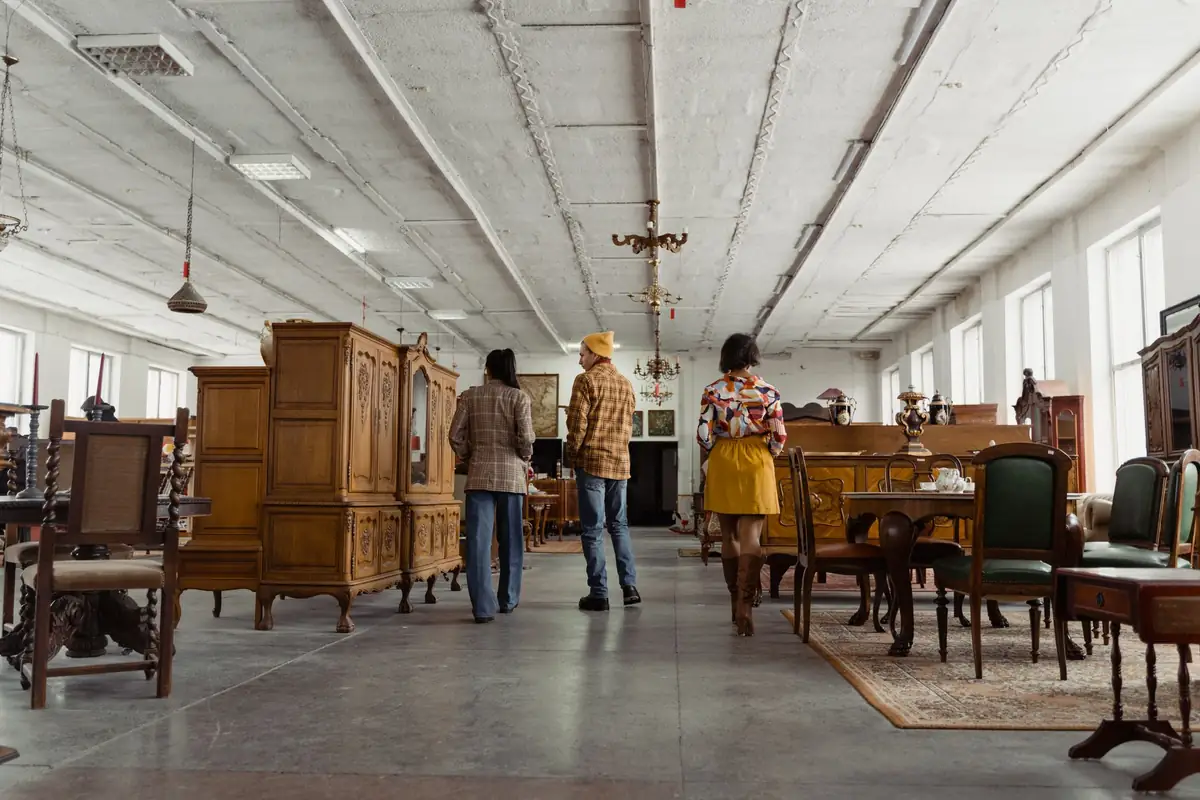
- Second-hand outlets that sell for a cause — shops that take usable furniture, resell it and put the proceeds towards charitable work. They apply the strictest condition standards of the four, because anything they cannot sell becomes their disposal problem.
Which one is right depends less on the item than on where it is and how quickly it has to go.
The condition test every recipient applies
Whatever the channel, the same questions get asked. It is worth being honest with yourself about them before offering a piece to anyone.
- Is it clean? Not could-be-cleaned. Clean, now.
- Is it complete? A missing shelf, a lost handle or an absent remote for an electric recliner turns a donation into a repair job.
- Does it work as intended? Drawers that run, doors that close, a bed that takes weight.
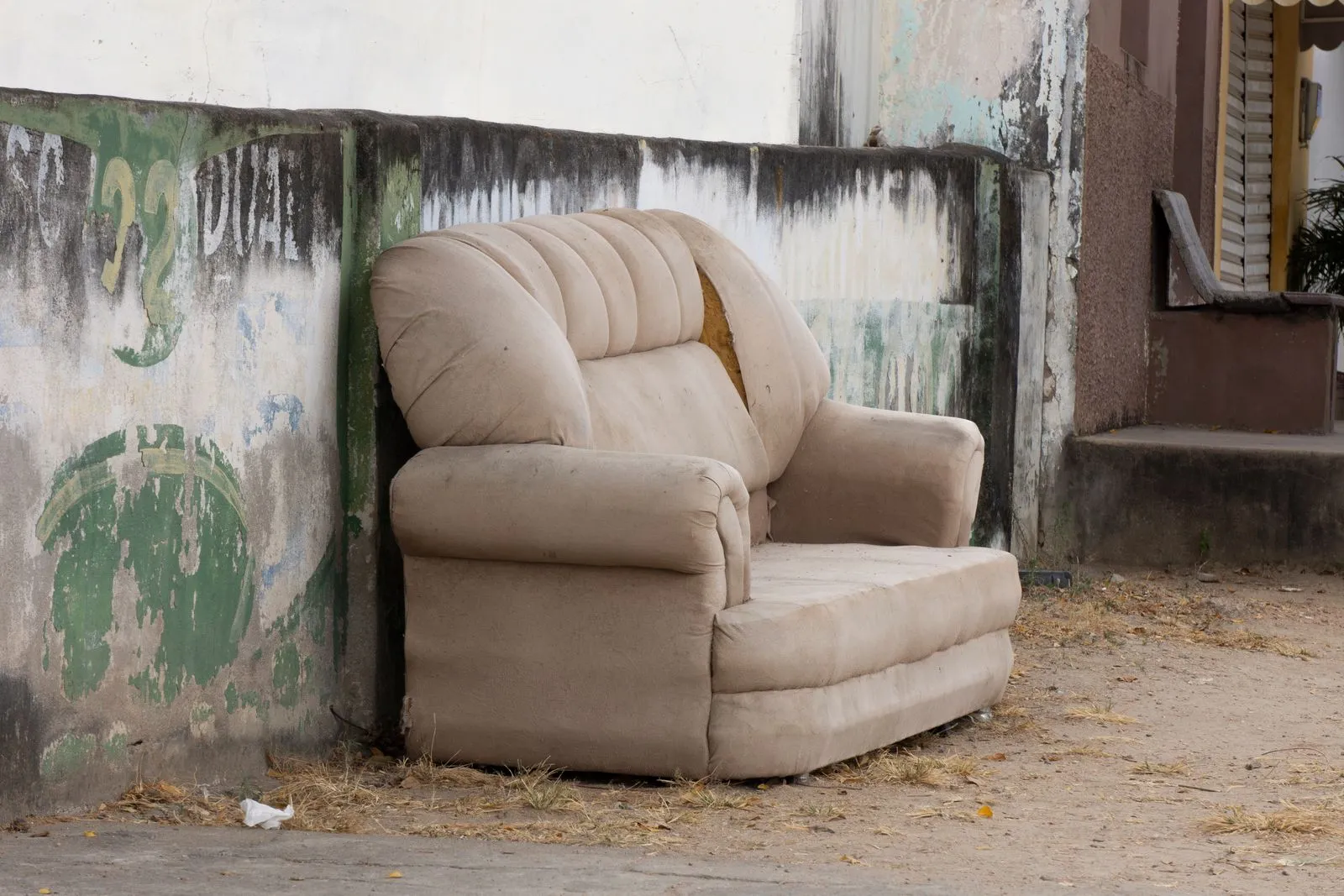
- Is the upholstery free of stains, tears and odour? Smell is the most common reason a sofa is turned down, and it is the thing people notice least in their own home.
- Is there any sign of pests? Anything with an infestation cannot be passed on to anybody, in any condition.
The plain version of the test: would you accept this into your own home if a stranger offered it? If the answer is no, offering it anyway costs somebody else the time and the transport to come and refuse it.
Collection or drop-off decides everything

This is the practical constraint that shapes furniture donation here, and it catches nearly everybody out. Books, clothes and kitchen items are simple to give away because you can carry them yourself. A wardrobe is not.
Most organisations that accept furniture expect it delivered, and the ones that do collect are working with limited vehicles on limited days. So before promising a piece to anyone, settle three things: whether they collect at all, when they could realistically come, and whether their crew will carry it down from your floor or only load it from ground level.
If nobody in your chosen channel collects, two options both work. Arrange your own transport, which for a single piece is often the quickest fix. Or use a community group instead, where the person taking the item almost always comes to get it. In an apartment tower the second is usually faster, because a neighbour can use the same service-lift slot you have already booked.
What almost nobody accepts
Some items are refused so consistently that it saves time to know in advance.
- Used mattresses. Hygiene rules make these close to impossible to pass on through any formal channel, whatever their condition.
- Cots, high chairs and car seats. Safety standards change, and no responsible recipient re-homes a child's item whose history it cannot verify.
- Upholstery with stains, tears or a smell that has not lifted.
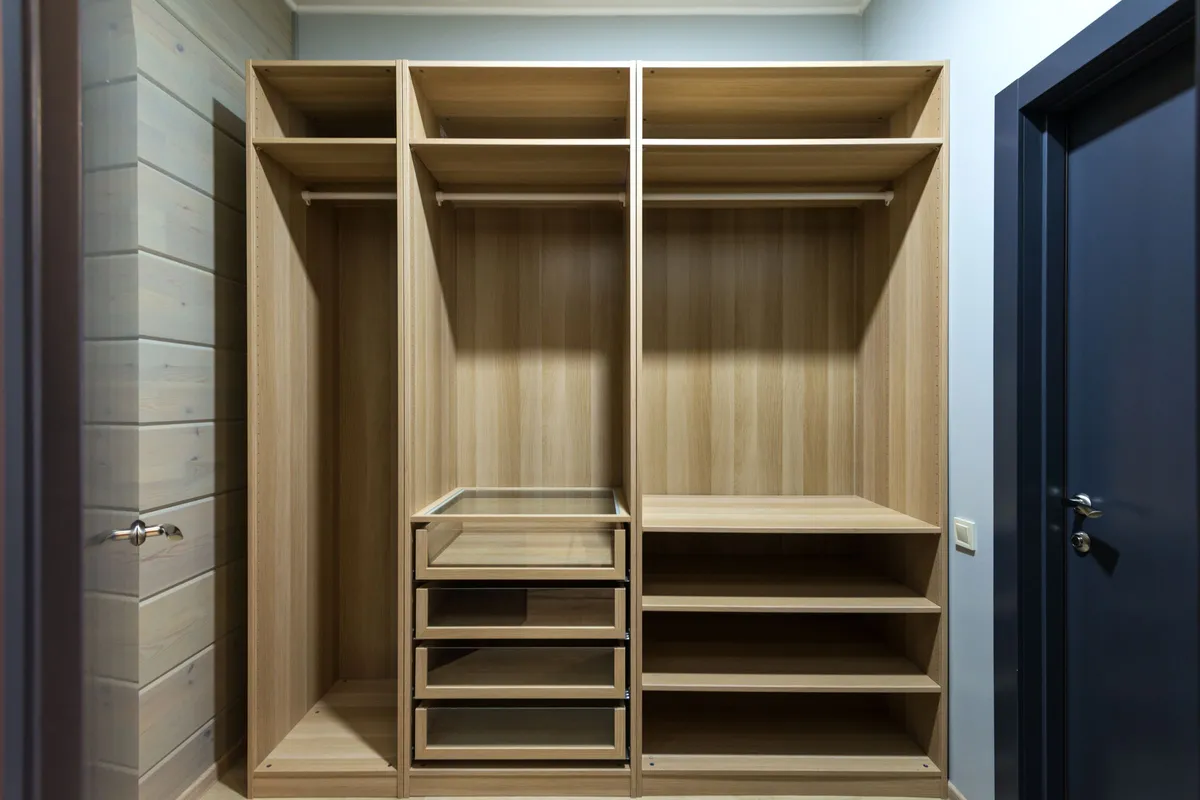
- Flat-pack furniture that has already been built once. Chipboard rarely survives a second assembly, so a wardrobe that has to be dismantled to move it is usually declined.
- Built-in or fitted units, which belong to the property rather than to you and are not portable in any case.
- Anything broken, however small the break.
Donation is the slow route, so start earlier than feels necessary

Every other way of getting furniture out of a home can be arranged in a day or two. Donation cannot. You are waiting for a recipient to want the item, then for a vehicle and a crew to be free on a day that also suits you, and each of those steps can take a week by itself.
That collides badly with how people actually move here. Tenancy end dates, handover appointments and school terms all create hard deadlines, and furniture donation is usually attempted in the final week before one of them, which is exactly when it cannot work. If you know you are leaving a property, start offering pieces a month out.
Demand is not flat across the year either. Charitable giving rises noticeably around Ramadan, and the summer months bring a wave of families leaving the country and clearing whole homes at once — which means more competition for the same recipients and the same vans.
When donating is not the right answer
This is worth saying plainly, because a lot of good intentions end with furniture standing in a hallway for three weeks. Donation is the wrong route when the item is not genuinely good enough, when nobody within reach will collect and you cannot transport it yourself, or when your deadline is measured in days rather than weeks.
In those cases a collection is the honest answer, and it does not mean the piece is wasted. A removal crew sorts what comes out of a home, and items in usable condition are routed towards reuse rather than sent straight for disposal. What you lose is the ability to choose the recipient. What you do not lose is the second life.
The pieces that find new homes in Dubai are almost never the ones with the most sentiment attached to them. They are the clean, complete, easily-carried ones that were offered with enough time for somebody to arrange a van. Judge yours the way a stranger would, offer it early, and be ready to accept that the wardrobe you like most may be the one nobody can get down the stairs.