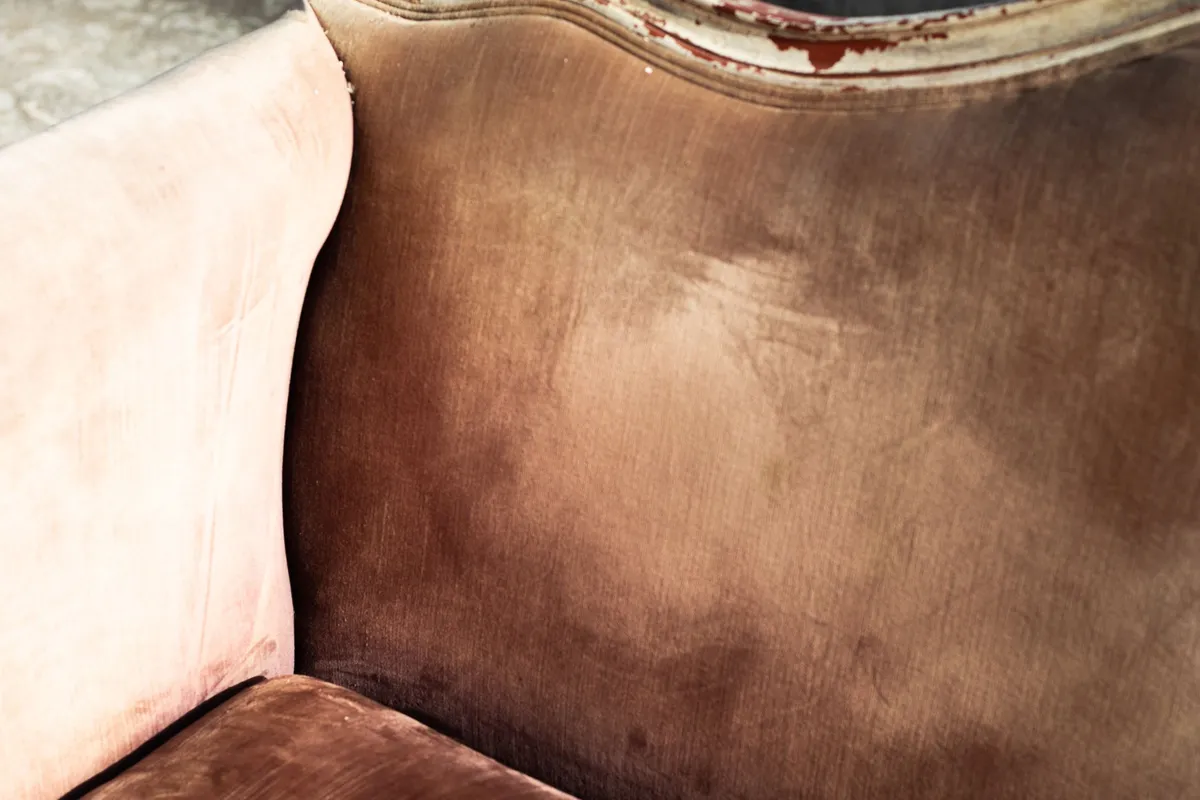
Water damage is the only kind of furniture damage that keeps happening after the event that caused it. A broken frame is as broken as it is ever going to be; a soaked sofa is worse on Thursday than it was on Monday, and it looks much the same throughout. That gap between how a wet piece looks and what is actually happening inside it is why people wait, and waiting is usually what decides the outcome. This guide covers what water does to each material, what drying genuinely achieves, and how a water-damaged piece is collected once the decision is made.
The first day or two decide it
The realistic question is not how wet a piece got but how long it stayed wet. Surfaces dry quickly and cores do not, so a sofa cushion can feel dry to the hand while the foam underneath is still holding water, and a chest of drawers can look normal while the board behind the back panel is still swelling.
The conditions in a Dubai apartment work against you here. A closed, air-conditioned room is cool but not dry in the way people assume, air movement is low unless you create it, and a piece pushed back against a wall has almost no airflow round its worst side. That combination is why the smell tends to arrive on about the fourth day rather than the first — and once a musty smell has developed in upholstery foam, that is not a cleaning problem to solve, it is the answer to the question.
Where the water usually comes from here
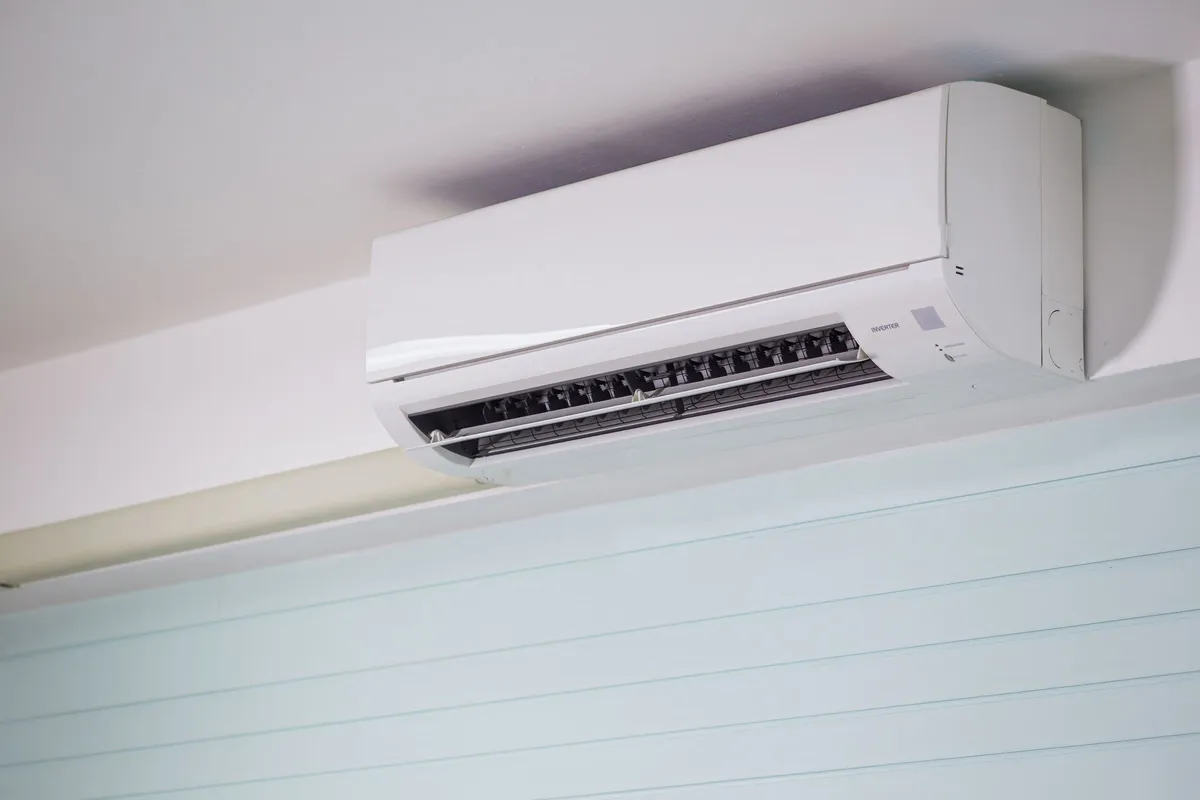
Most household water damage in this city does not come from weather. Five sources account for the large majority of it, and which one you had changes what got wet.
- A blocked air conditioning condensate drain. The commonest of the lot, and the most damaging, because the unit sits high on a wall — water arrives at the top of a wardrobe or the back of a sofa first and works downwards.
- A failed water heater or a burst connection in a service cupboard, which floods at floor level and soaks everything with a base touching the ground.
- A washing machine or dishwasher hose, usually in a kitchen or a laundry area, and usually discovered late because the machine is enclosed.
- Rain or spray blowing onto a balcony, which is occasional here but soaks outdoor cushions and rugs thoroughly when it happens.
- A leak from the apartment above. In a tower this arrives through the ceiling, which means it lands on whatever is directly beneath it and you have no control over when it stops.
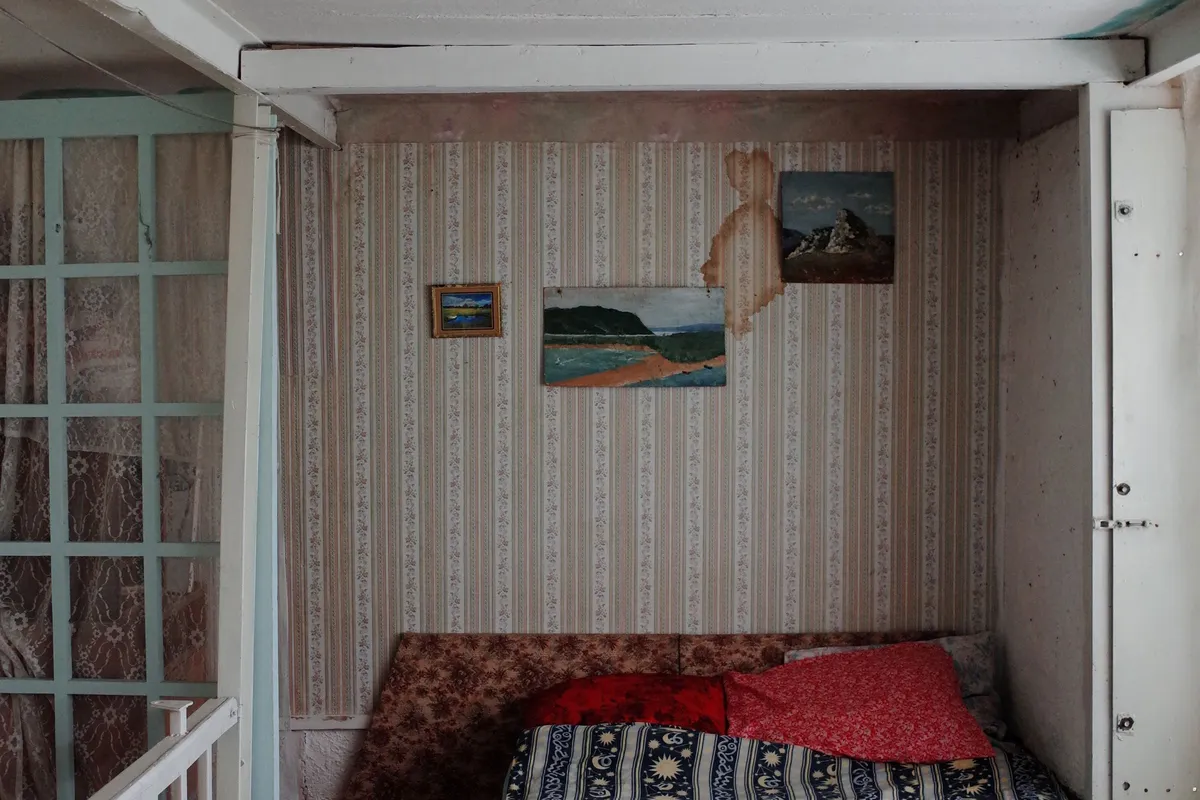
It is worth checking the wall as well as the item. Water that has run down a wall has usually been in contact with the back of whatever was standing against it for longer than anything on the front of the piece suggests, and the back panel is exactly where a board carcass fails first.
What water does to each material
What a piece is made of decides whether the decision is already made for you. The materials behave very differently, and only one of them genuinely recovers.
- Particle board and MDF. The fibres swell, the adhesive holding them lets go, and the laminate surface lifts and bubbles. This is permanent — the board does not shrink back as it dries, and the swelling usually spreads outwards from the wet edge over the following days.
- Solid timber. The most recoverable material of the group. It swells and shrinks with moisture as a matter of routine and often dries out with nothing worse than a raised grain, though it can split, cup or open a glued joint.
- Plywood. In between the two. It survives a short soaking better than particle board, and delaminates at the edges after a long one.
- Upholstery foam. Holds water deep in the core long after the cover feels dry, and that reservoir is where any smell comes from. Foam is also the material reprocessors reject once it has been damp.
- Metal frames and fittings. Rust starts at the joints and inside tubular sections where it cannot be seen, so a metal-framed piece that looks fine can be weaker than it was.
- Leather. Stiffens and cracks as it dries out, particularly along the seams and the front edge of a seat cushion.
The short version: if the piece has a board carcass and it was properly wet, the decision has already been made and you are only choosing when to act on it. If it is solid timber, it is worth drying properly and reassessing. If it is upholstered, the honest test is the smell rather than the look.
What drying it out actually achieves
Drying stops a piece getting worse. It does not undo swollen board, it does not restore a lifted laminate, and it does not remove what has already started growing inside a foam cushion. That is the honest boundary, and it is worth knowing before you spend a fortnight on it.
It is still worth doing while you decide, because a dry piece is lighter, cleaner and less unpleasant for everyone involved than a wet one, and because in the solid-timber case it genuinely might be enough. Get the item off any wet floor, pull it away from the wall, open every door and drawer, take cushion covers off where they come off, and move air across it rather than just around the room. Then set yourself a date. The reason to set one is simple: the piece stops improving well before most people stop hoping.
Booking a collection for a wet piece
Say that it is water-damaged when you book. Three things change as a result, and none of them is a problem if it is expected.
- Weight. A soaked upholstered item is meaningfully heavier than the same piece dry, and heavier in a way that is invisible until it is lifted — a two-person carry can become a three-person one.
- Protection. A wet item drips, and a corridor, a lift car and a lobby floor are all somebody else's property. Sheeting under and around it is planned rather than improvised.
- Route. It does not go into the reuse stream, and most of it does not go into the recycling stream either, so it is handled as disposal from the outset.
One thing worth avoiding while you wait: do not park a soaked upholstered item in a shared corridor, a stairwell or beside the bins. In this climate a wet sofa becomes an odour problem for an entire floor within a day or two, and a bulky item left in a communal area is a building management issue on top of the one you already have. Keep it inside, on a sheet, with the windows or the extractor doing what they can, until the collection is booked.
What can still be recovered from it
Less than from the same piece dry, and it is better to be straight about that. Damp board is not accepted as timber for reprocessing, and damp foam is rejected outright — one wet item can also spoil the material it is stacked against, which is why it is kept separate rather than added to a pile. What does survive is the metal: frames, springs, legs, hinges and runners are recovered on their material value regardless of how wet they got.
This is the second reason the timing matters. The first is whether you keep the piece at all. The second is that a piece dealt with while it is merely wet is separated more usefully than the same piece three weeks later, once the board has gone soft and everything has been contaminated by everything else.
Photograph it before it leaves
Whoever ends up asking about the damage — a landlord at handover, a building manager after a leak from upstairs, an insurer if there is a policy that covers contents — will ask what was damaged, and there is no way to show them once the item has gone. Photograph the piece, the damage itself and the source of the water, and note the date the leak was found.
Whether anything comes of it is a separate question and depends entirely on your tenancy and any cover you hold. The photographs cost nothing, take five minutes, and cannot be taken retrospectively, which is the whole argument for doing it.
Water damage rewards deciding early and punishes waiting, and it does both quietly. Work out what the piece is made of, give it a genuine chance to dry only if it is solid timber, and if it is board or upholstery that stayed wet, take the photographs and book the collection rather than waiting for it to prove what you already suspect. The piece will not get better, and everything about moving it — the weight, the smell, the mess in the corridor — gets worse the longer it sits.