Whether your kitchen refrigerator has suffered a compressor failure, you are upgrading to an energy-efficient model, or you need to clear out an old appliance before a tenancy move-out in Dubai, disposing of a large fridge requires methodical preparation. A refrigerator is among the bulkiest and most environmentally sensitive appliances in any home, combining sealed refrigerant circuits, internal glass shelving, and hidden condensation trays that must be managed before the unit leaves your kitchen.
Assessing condition: resale, donation, or licensed disposal
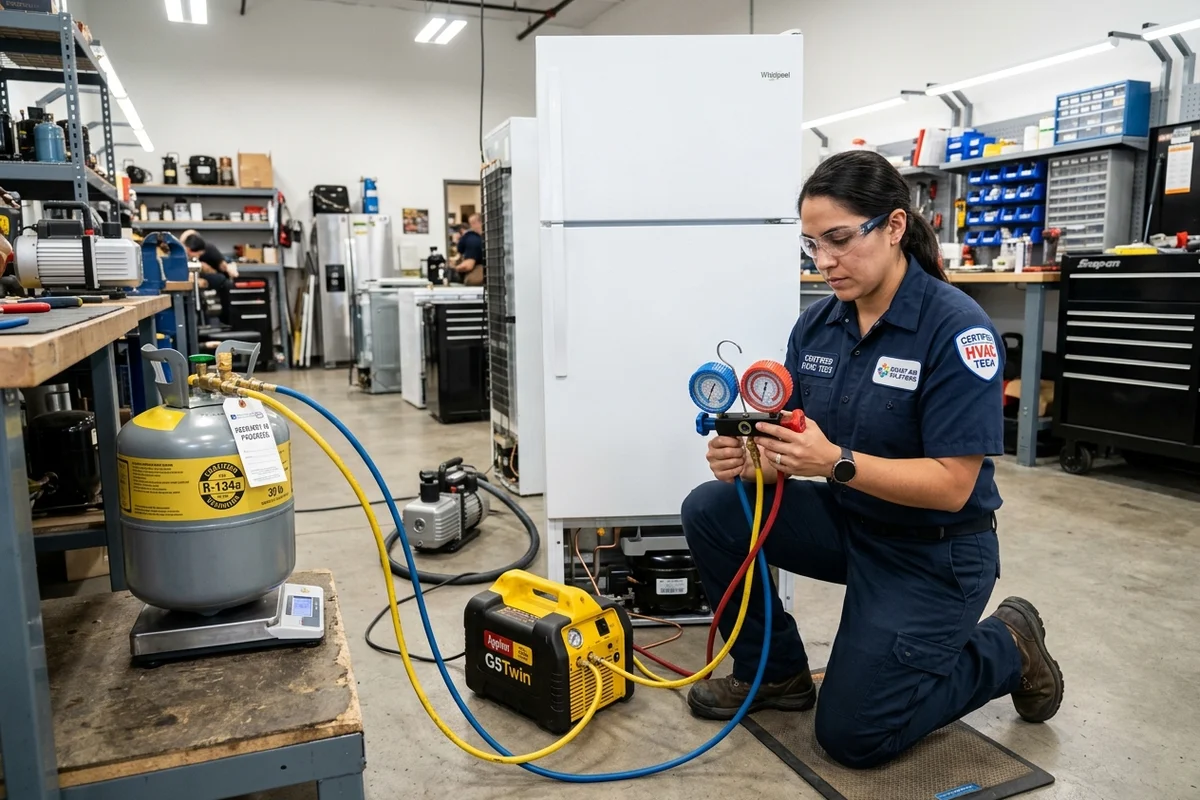
Before booking a collection, honestly evaluate the mechanical and hygienic condition of your refrigerator to determine the most responsible disposal route. The refrigerant rules are explained on their own in refrigerant removal before fridge disposal; a chest or upright freezer in a storeroom or garage has its own guide in freezer removal in Dubai; and a fridge you intend to keep is a different job, covered in how to move a fridge safely.
- Fully operational units under 7 years old: Clean, working fridges can be sold on local classifieds or donated through community networks if collection is arranged by the recipient.
- Cosmetically worn but functional fridges: Suitable for secondary uses such as staff accommodations, workshop breakrooms, or rental property utility stores.
- Broken or leaking units: Fridges with failed compressors, gas leaks, cracked internal linings, or persistent foul odours must be routed to licensed recycling facilities for component reclamation.
The essential 24-hour defrosting and cleaning protocol
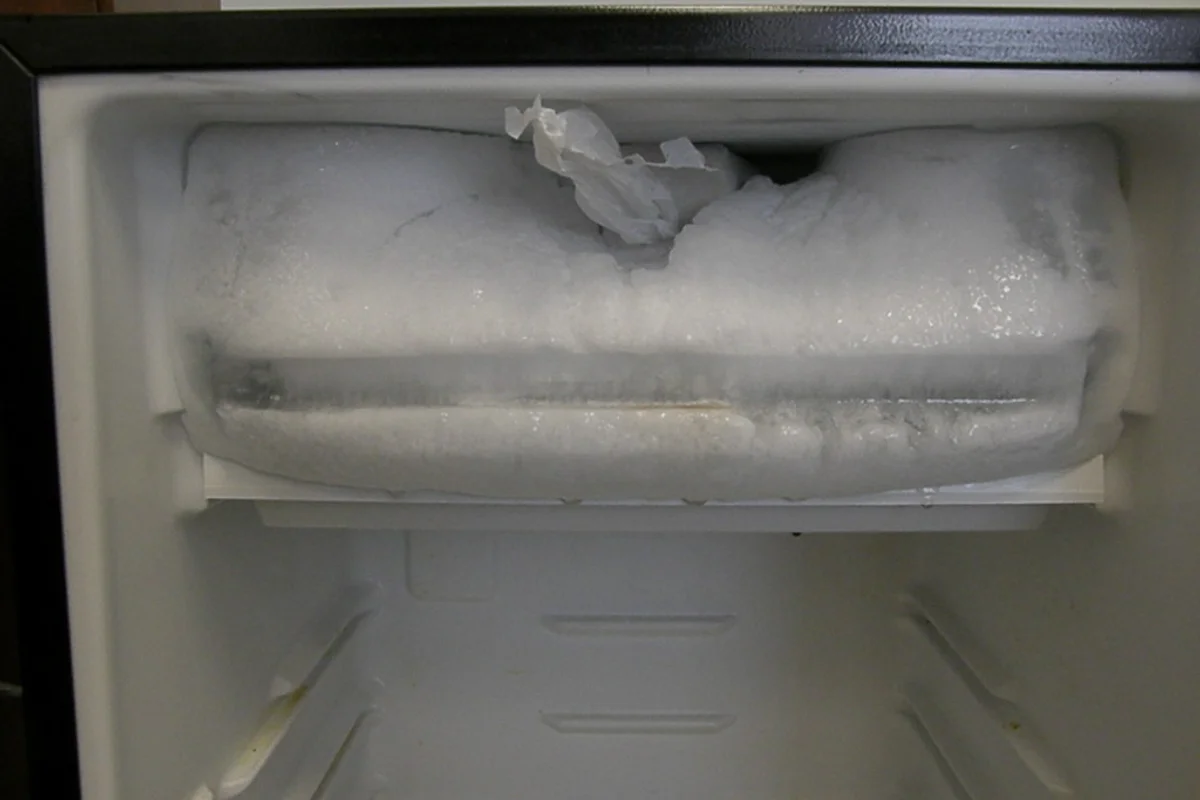
The most frequent issue encountered during refrigerator removals in Dubai is un-defrosted ice melting mid-transit. Tipping an icy fridge onto a hand truck immediately dislodges trapped meltwater, flooding apartment corridor carpets, building lifts, and vehicle cargo beds.
- Empty all food and perishables: Completely clear out dairy, condiments, and freezer contents at least 24 hours before your scheduled pickup.
- Disconnect the power supply: Unplug the unit from the wall socket, coil the electrical cable, and tape the plug securely to the rear panel.
- Prop the doors open: Place a rolled towel between the door seals to allow air circulation, preventing musty mildew odors from developing.
- Wipe down meltwater: Place shallow baking trays and old towels at the base of the freezer to catch melting frost, and empty the rear compressor drip pan.
Securing internal glass shelves, doors, and power cables
Loose internal components can shift violently when a refrigerator is tilted back onto a sack trolley, shattering tempered glass shelves and denting internal plastic liners.
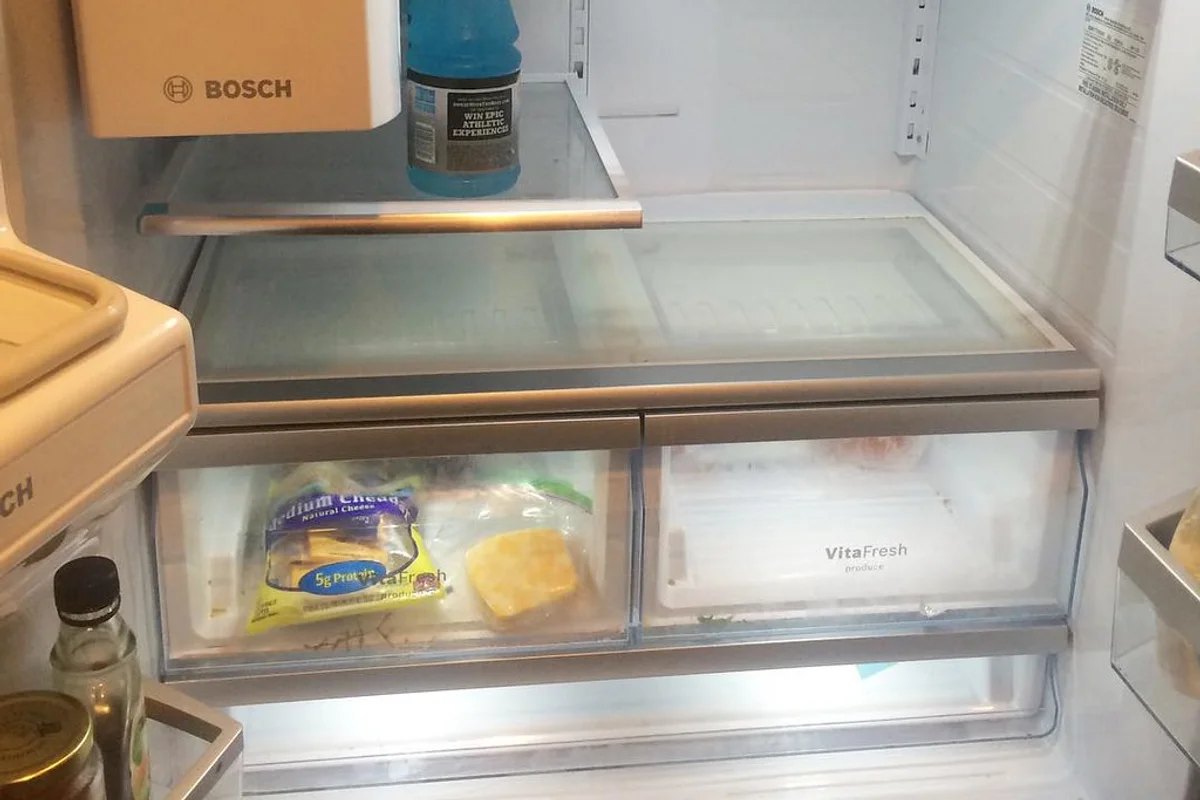
- Remove loose glass shelves and crisper drawers: Stack shelves separately wrapped in bubble wrap or cardboard, or tape them firmly in place with non-marking painter's tape.
- Fasten refrigerator and freezer doors: Use heavy-duty stretch film or a fabric ratchet strap around the exterior to ensure doors cannot swing open during doorway transit.
- Check water dispenser connections: If your model features an integrated ice or water dispenser, disconnect the water supply tube and drain any remaining tank water.
Navigating narrow doorways, service elevators, and loading bays
Refrigerators are tall, top-heavy, and often measure wider than standard internal residential door frames. Safe removal requires precise geometric planning.
- Measuring entry points: Measure your kitchen door frame, hallway turnings, and apartment main entrance against the fridge width and depth.
- Removing exterior handles: If clearance is tight, unscrewing the exterior door handles gains two to four centimetres of critical doorway clearance.
- Goods lift reservations: Ensure the service elevator is booked with your building security, as high-rise towers in Dubai strictly prohibit transporting large appliances via passenger elevators.
- Keeping the unit mostly upright: Maintaining an upright or slightly angled posture on a heavy-duty dolly prevents compressor oil from migrating into cooling coils.
Why refrigerators must never be dumped by communal bins
Leaving a refrigerator in a communal refuse room, underground parking bay, or outside by villa municipal bins is strictly prohibited under Dubai waste regulations. Abandoned refrigerators pose child safety entrapment hazards, leak compressor oils onto pavements, and attract severe municipal fines. Arranging a licensed removal team ensures your old fridge is collected directly from your kitchen and processed responsibly through certified UAE material recovery facilities.