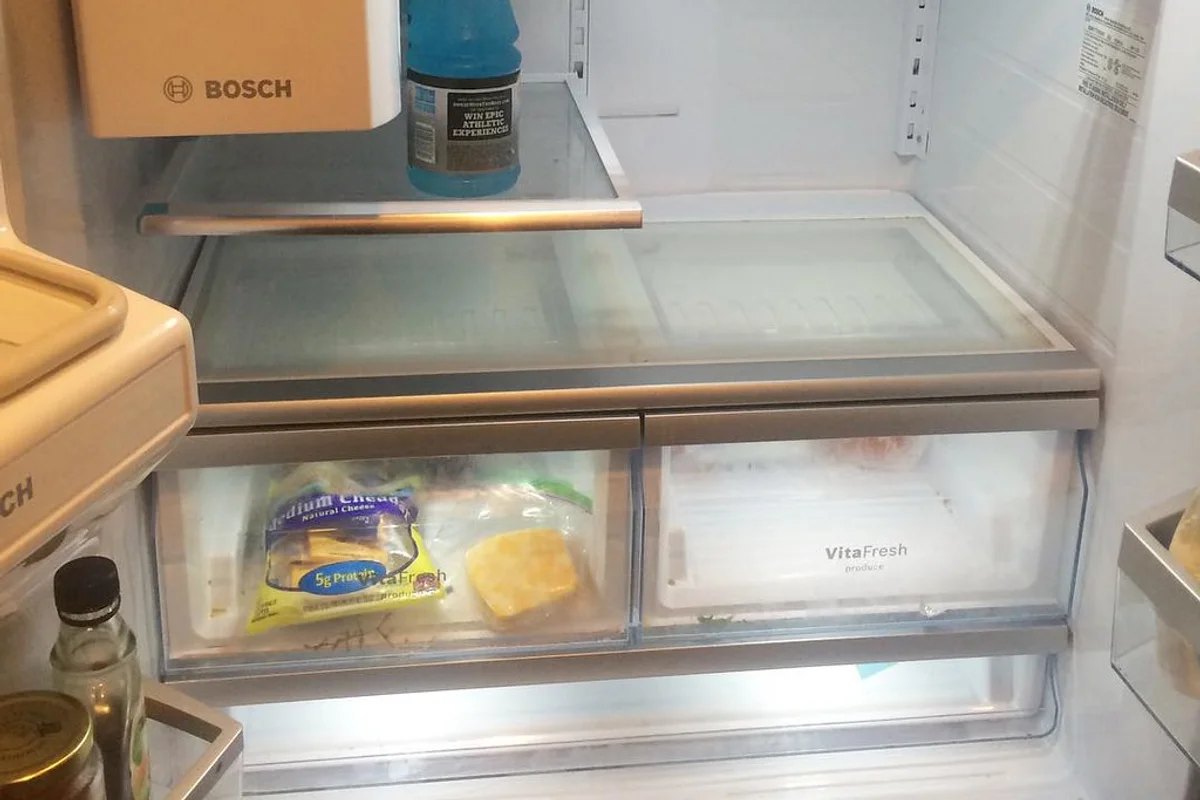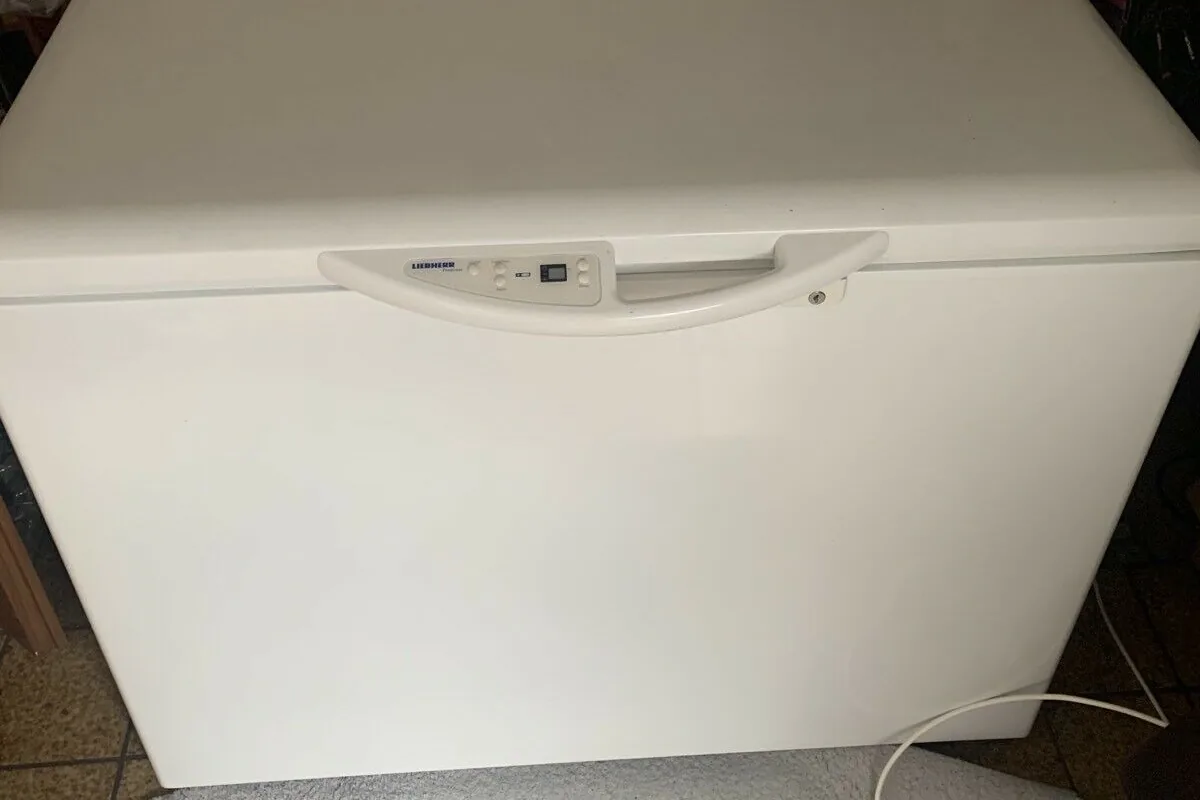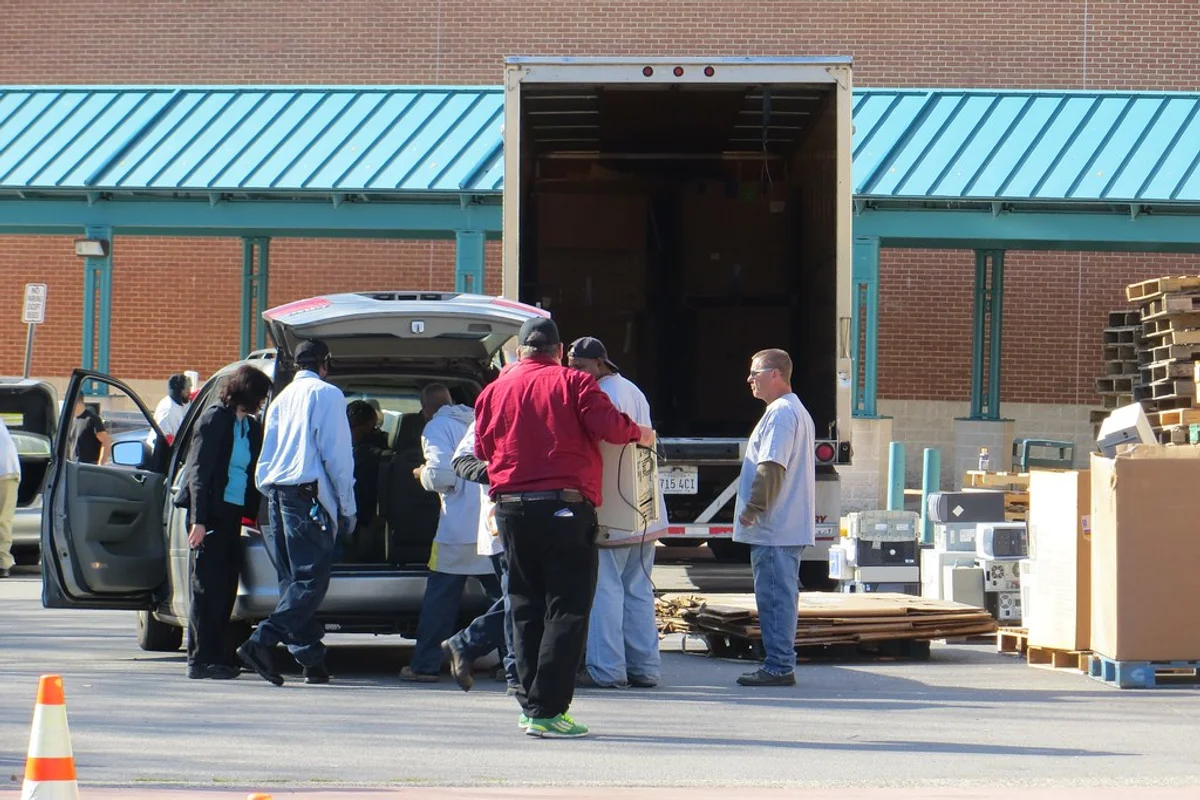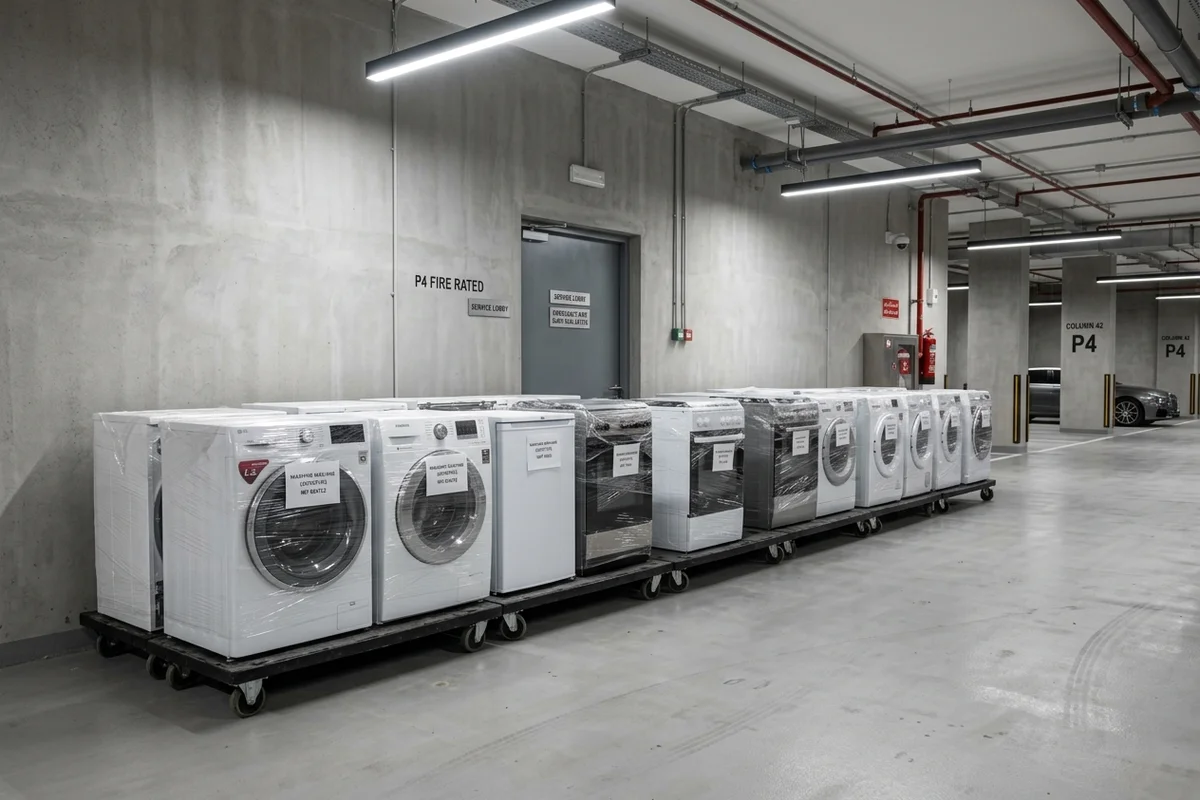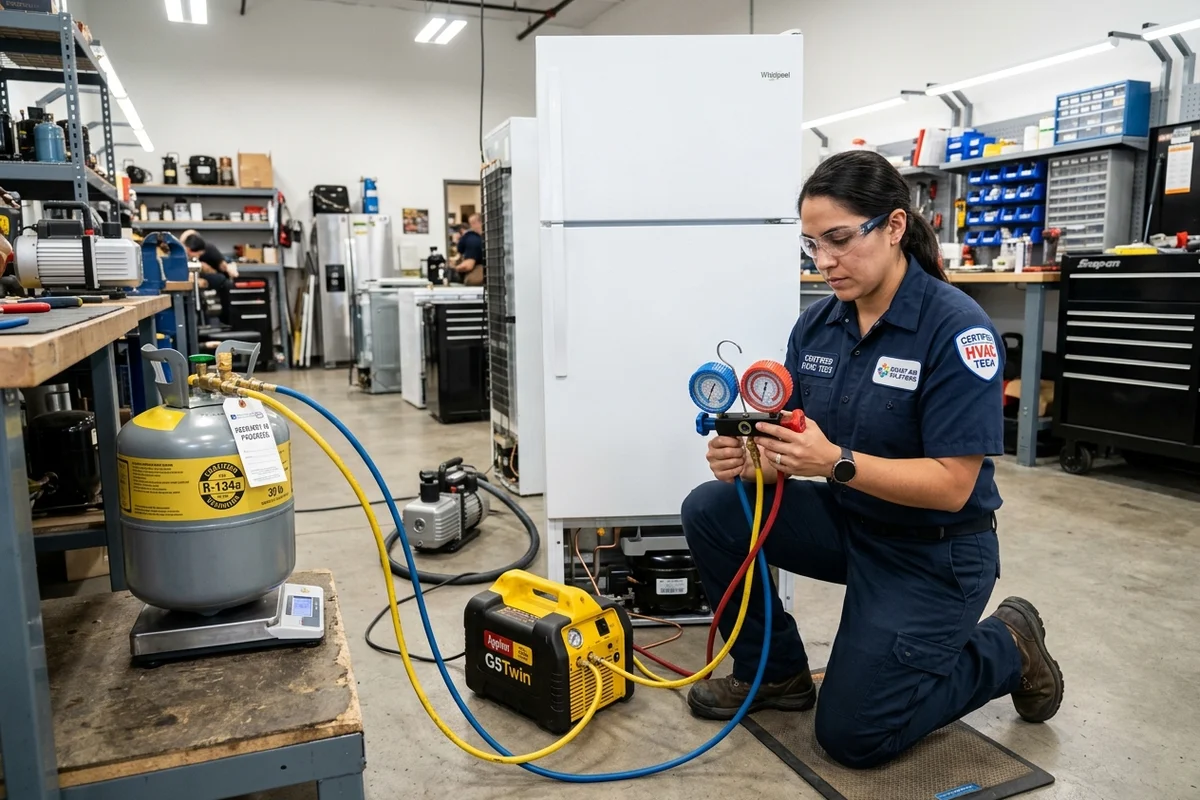
When a household refrigerator or upright freezer reaches the end of its operating life, disposing of it involves far more than simply hauling away a steel cabinet. The sealed cooling circuit inside every domestic refrigeration unit holds pressurized chemical refrigerants that require specialized extraction. Venting these fluorocarbons directly into the atmosphere is strictly prohibited by federal and municipal environmental laws across Dubai and the UAE.
Understanding refrigerant removal rules ensures that obsolete cooling units are decommissioned safely, legally, and responsibly. Whether you are clearing out an old kitchen appliance during an upgrade or managing commercial tenant turnovers, here is what you need to know about domestic refrigeration degassing standards in Dubai. For the whole disposal sequence around the degassing step, read how to dispose of a fridge in Dubai.
Why domestic refrigerator gases require controlled recovery
Refrigerators operate by circulating chemical compounds that evaporate and condense to absorb interior heat. Depending on the manufacturing year and model, domestic units contain varying types of refrigerants:
- Legacy chlorofluorocarbons (R12) and hydrochlorofluorocarbons (R22): Present in vintage appliances, these compounds possess severe ozone-depleting potential alongside immense global warming factors.
- Hydrofluorocarbons (R134a): Widely used across household refrigerators manufactured over the last two decades. While non-ozone depleting, R134a carries a global warming potential over 1,400 times higher than carbon dioxide.
- Hydrocarbons (R600a isobutane): Common in newer eco-friendly and inverter models. Although ozone-friendly with low global warming potential, R600a is highly flammable and requires explosion-proof recovery tools.
Puncturing or severing copper capillary lines allows pressurized gases and atomized compressor oil to escape rapidly. Beyond environmental degradation, pressurized gas releases create severe inhalation hazards and chemical freeze burns for personnel handling the machinery.
Dubai environmental rules and scrap yard compliance
The United Arab Emirates enforces strict legislation regarding ozone-depleting substances and controlled greenhouse gases under Federal Law No. 24 of 1999 on the Protection and Development of the Environment and subsequent environmental decrees.
In the Emirate of Dubai, Dubai Municipality and local environmental authorities regulate scrap metal merchants and electronic waste processing facilities. Certified scrap recycling yards and recovery centers are prohibited from accepting intact cooling circuits unless the unit has already been evacuated or the facility possesses an operational degassing license.
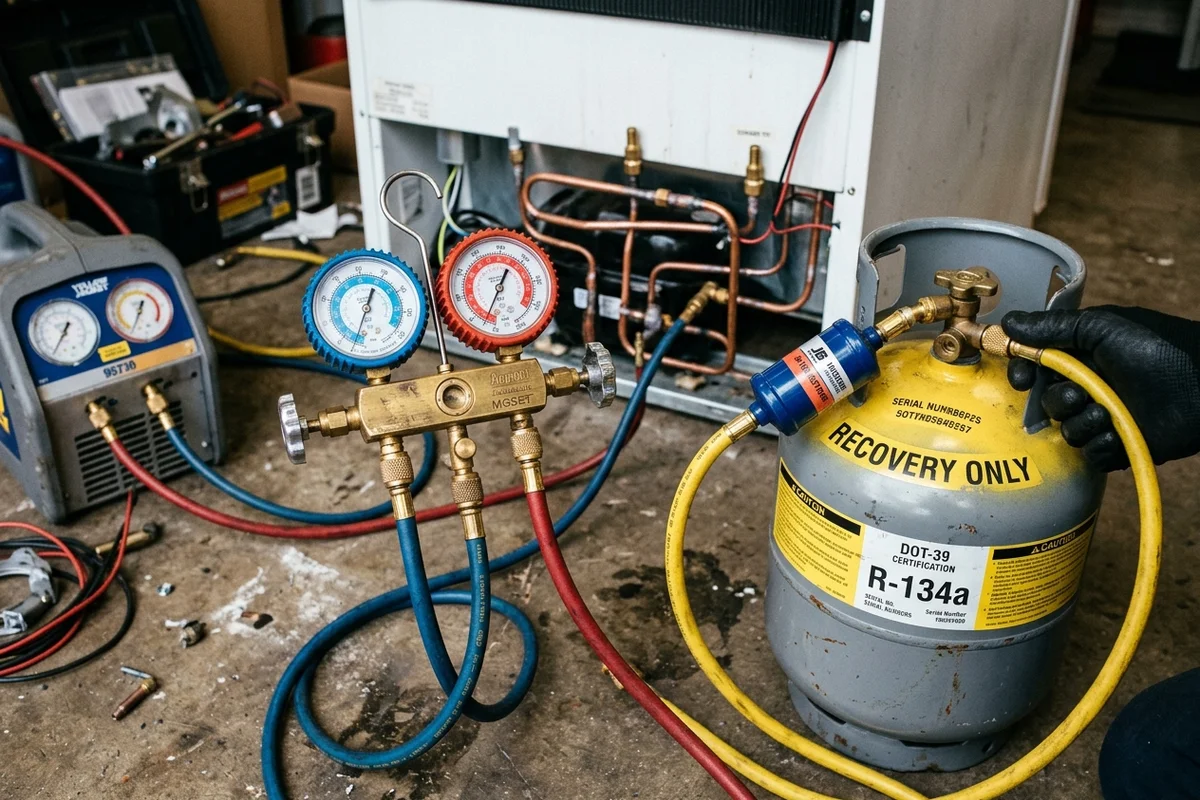
Unscrupulous informal scrap collectors who cut cooling lines with wire cutters to strip copper tubing leave hazardous oils and gases behind. By contrast, licensed collection services partner with certified recycling hubs where trained technicians capture gases into DOT-approved recovery cylinders for reprocessing or high-temperature incineration.
How the certified refrigerant evacuation process works
Certified degassing follows a methodical closed-loop protocol designed to isolate fluids and gases completely:
- Line piercing with sealed service valves: Technicians clamp a specialized piercing valve onto the copper process tube without cutting into the metal.
- Vacuum extraction: A sealed oil-less recovery pump pulls both vapor and liquid refrigerant into a dedicated recovery cylinder until the circuit reaches negative vacuum pressure.
- Compressor oil separation: Lubricating mineral or polyolester (POE) oil is separated from the gas stream and drained into waste oil containment drums for specialized chemical disposal.
- Circuit sealing and certification: Once evacuated, the tubing is crimped shut, allowing the remaining steel, aluminium, copper, and polyurethane insulation to be safely shredded and recycled.
What residents should do when getting rid of an old fridge
As a resident or tenant in Dubai, you are not expected to evacuate refrigerant gases yourself. In fact, attempting DIY line puncturing without specialized equipment is both dangerous and illegal.
Your primary responsibility is ensuring the cooling unit remains completely intact prior to collection. Do not attempt to dismantle the rear compressor, do not cut copper pipes, and ensure the unit is safely defrosted 24 hours prior to professional pickup. Booking a professional appliance removal team ensures the refrigerator is transported whole directly to an authorized recycling facility.