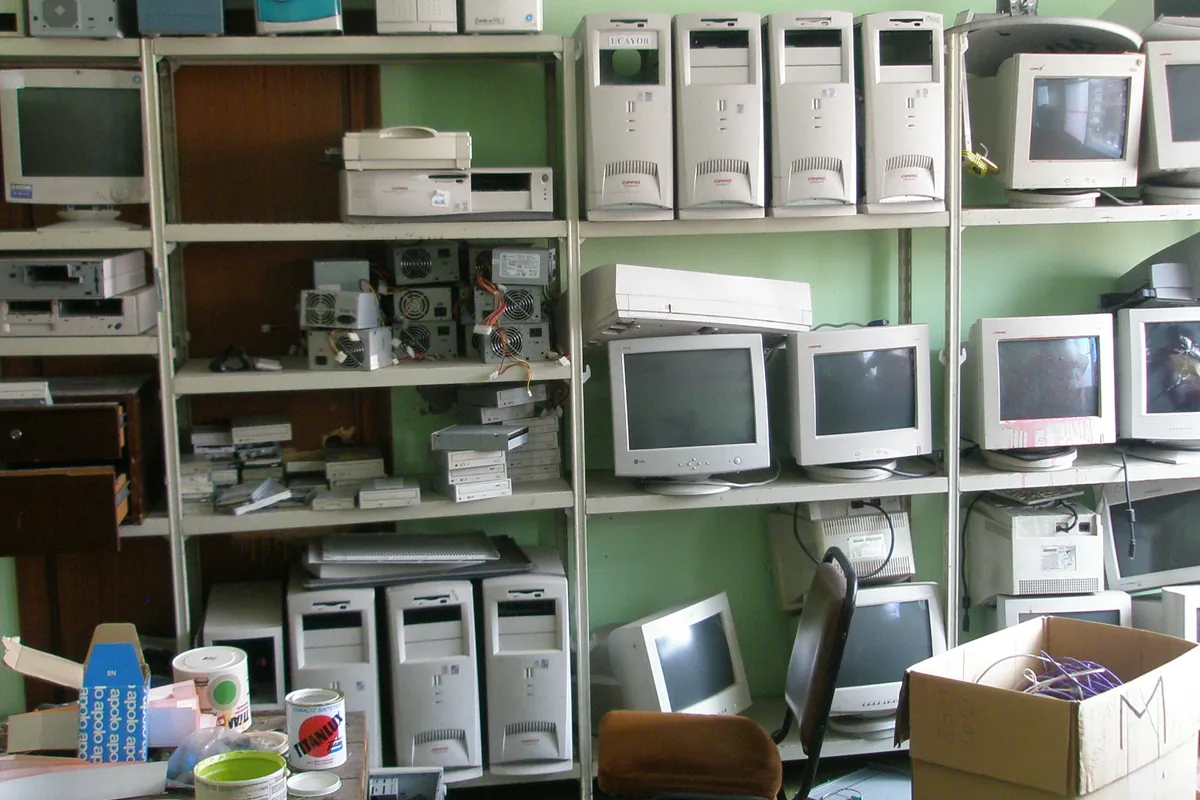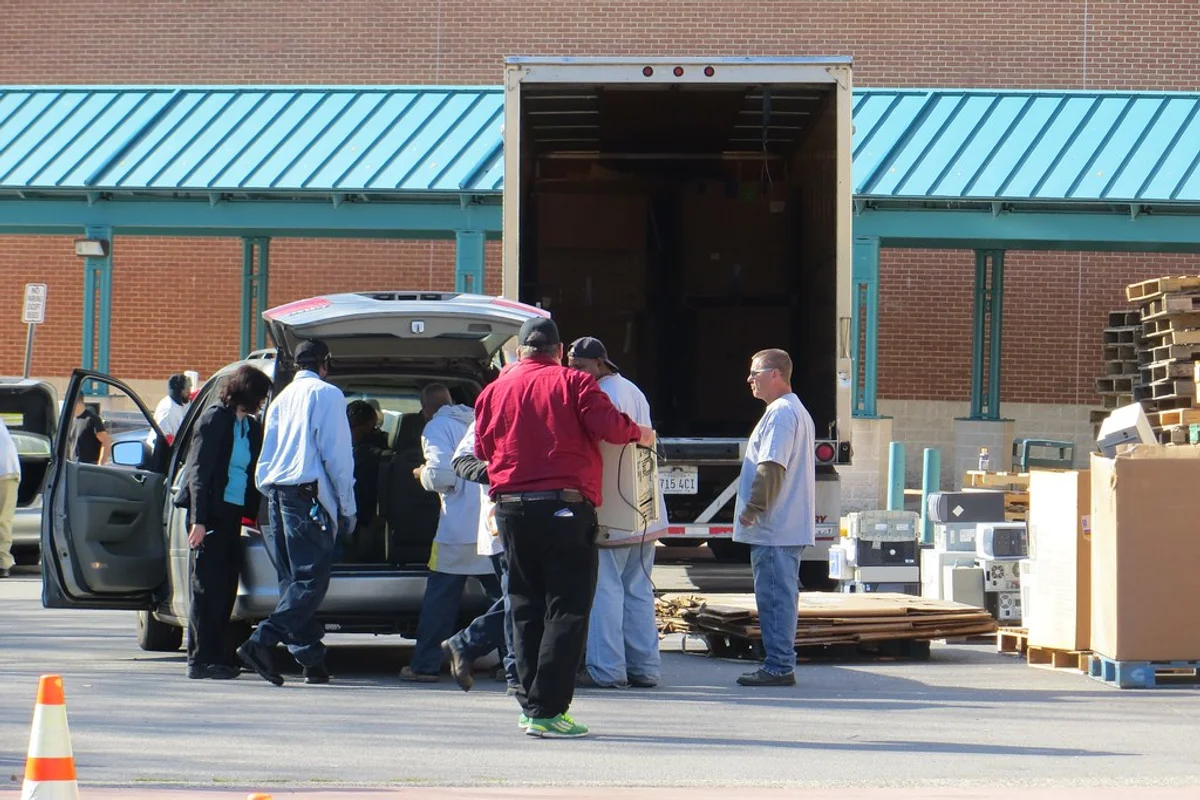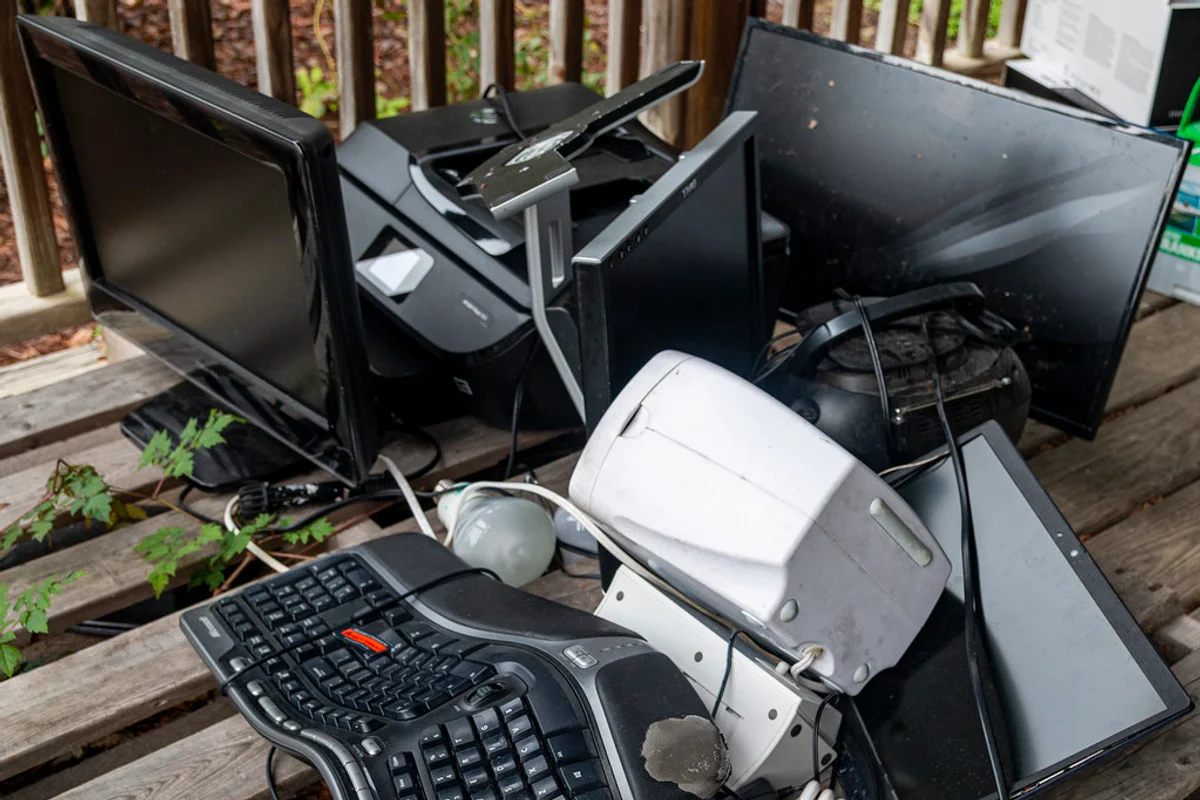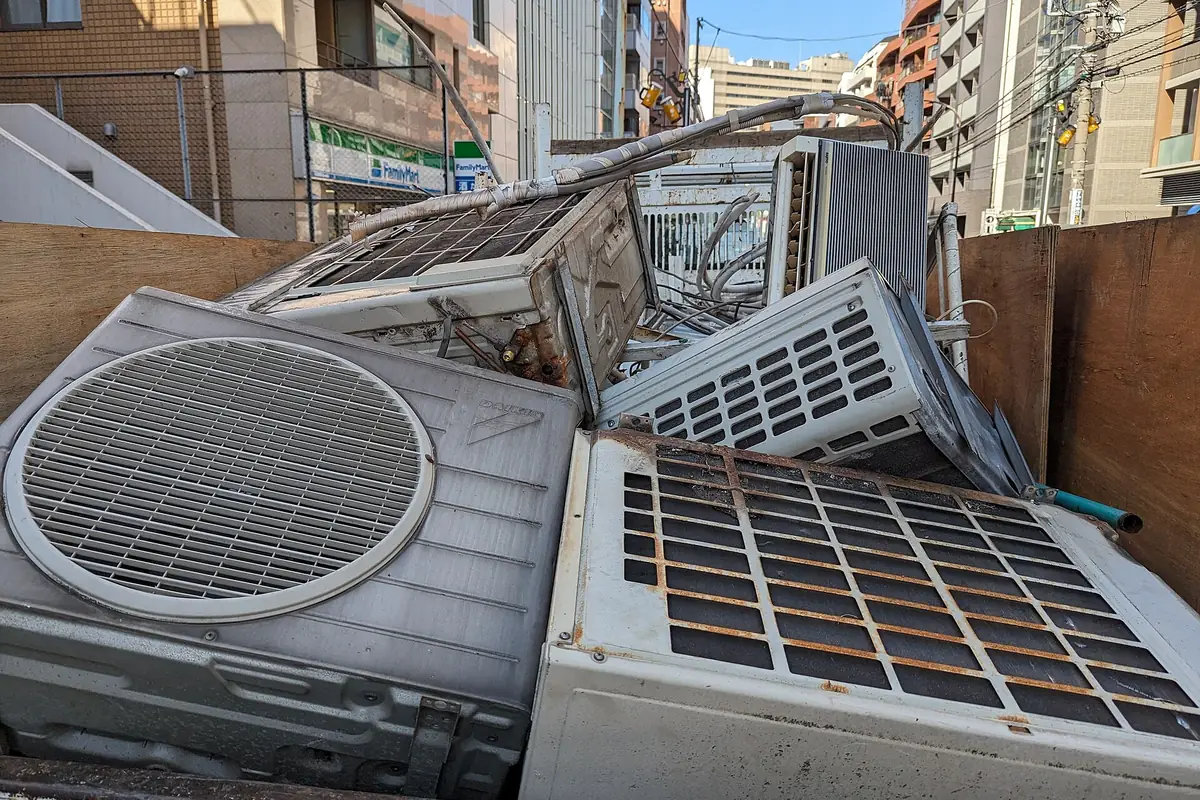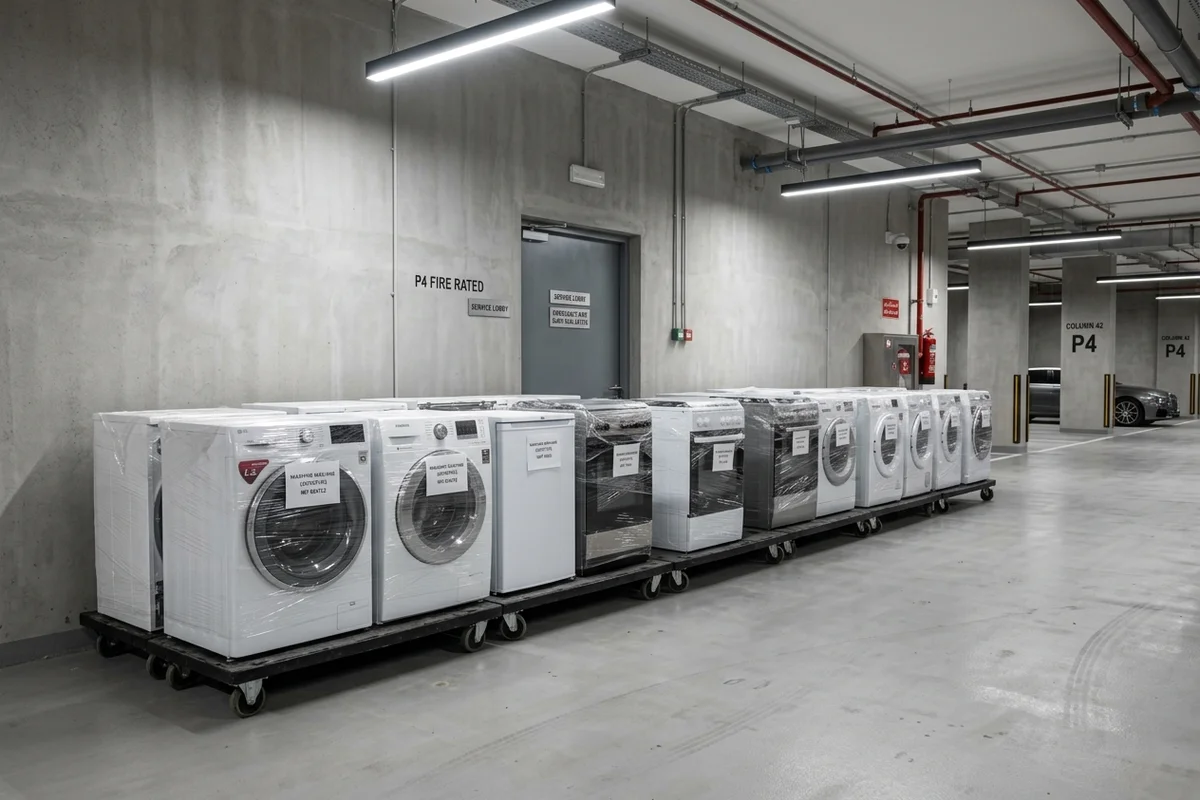
Dumping old appliances beside communal street bins, inside residential apartment waste rooms, or across open desert plots is strictly illegal across the Emirate of Dubai. Under Dubai Municipality public cleanliness regulations and community management bylaws, bulky electronic equipment and domestic white goods cannot be discarded alongside regular household rubbish. Violating these rules results in formal municipal fines, security investigation, and building management penalties. The legal route is a booked appliance removal in Dubai that ends at a licensed facility.
The direct answer: appliance dumping is strictly prohibited
The short, unambiguous answer for any resident or property owner is yes: leaving a refrigerator, washing machine, cooking range, or air conditioner in any unauthorized public or communal space is completely prohibited. Municipal regulations require that all bulky waste and electronic scrap (WEEE) be collected through authorized channels rather than abandoned.
This ban applies universally across all property categories in Dubai—including high-rise towers in freehold areas, master-planned villa developments, commercial districts, and vacant desert plots.
Why appliances cannot enter the municipal general waste stream
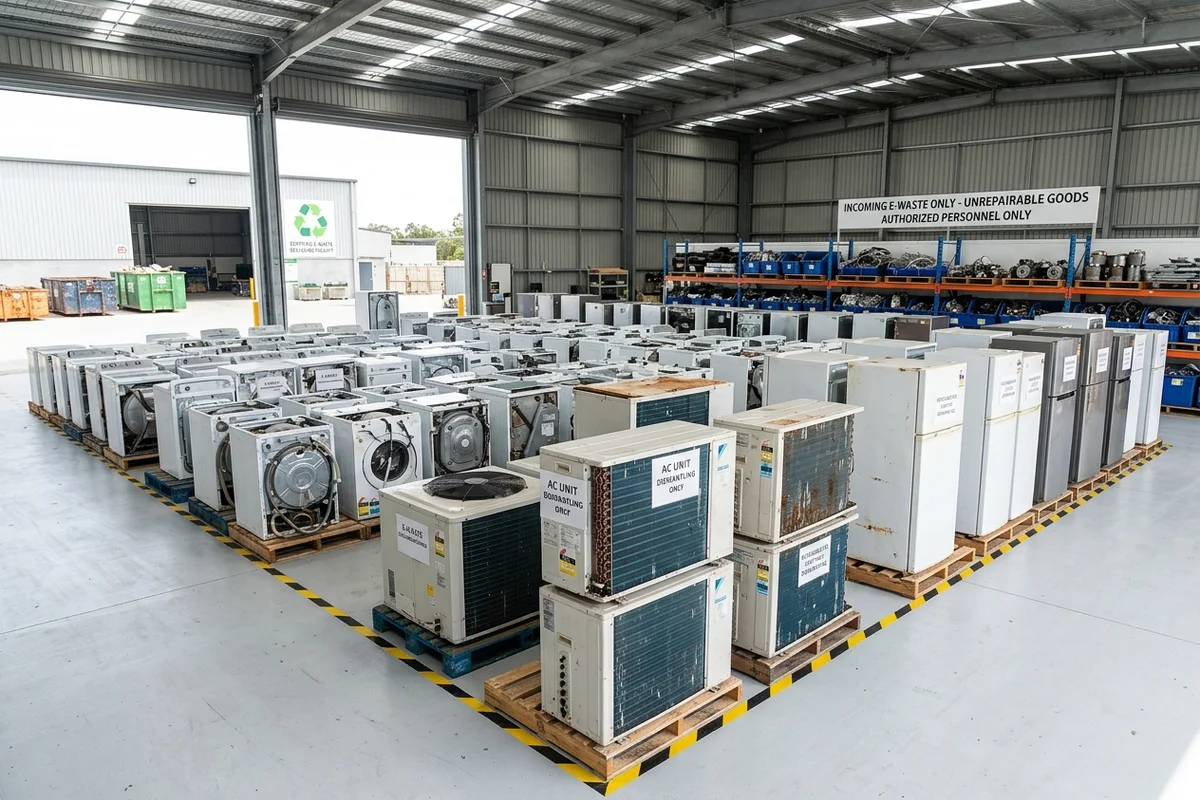
Appliances differ fundamentally from daily organic and domestic rubbish. Standard municipal waste collection vehicles utilize automated hydraulic compactor mechanisms designed for bagged household waste. Loading rigid steel appliances into standard compactor trucks causes severe mechanical damage to hydraulic rams and risks serious injury to waste management personnel.
Furthermore, appliances contain specific materials that pose significant hazards if handled through standard landfills:
- Refrigerant gases: Air conditioners and refrigerators contain pressurized fluorocarbon refrigerants (such as R410A, R32, or R134a) that contribute heavily to global warming if vented into the atmosphere.
- Toxic chemical leachates: Compressor oils, printed circuit board heavy metals (lead, cadmium, and mercury), and flame-retardant plastics contaminate soil and groundwater when exposed to desert heat.
- Fire and explosion hazards: High-voltage capacitors and lithium-ion battery backup packs in modern digital appliances risk spontaneous combustion under extreme direct sunlight.
- Chute and room blockages: Forcing small electrical gadgets or microwave ovens down building refuse chutes causes structural blockages and costly compactor downtime.
How building security and community managers detect illegal dumping
Many residents mistakenly assume that abandoning an old appliance in a basement parking bay or service corridor under the cover of night goes unnoticed. In reality, residential towers across Dubai maintain continuous high-definition CCTV surveillance covering every waste room, corridor, elevator vestibule, and loading dock.
Building security and facilities management teams cross-reference surveillance timestamps against electronic access keycards and service lift movement logs. Property managers readily trace abandoned appliances directly back to the tenant or landlord responsible, forwarding incident reports and footage to community master developers.
Penalties and enforcement in Dubai communities
Consequences for unauthorized bulky waste abandonment in Dubai are swift and enforceable. In private communities managed by major developers (such as Emaar, Nakheel, Dubai Properties, and Damac), community management issues formal violation notices carrying direct administrative fines charged against the homeowner's or tenant's account.
On public roads, sidewalks, or municipal land, Dubai Municipality waste management inspectors conduct regular patrols. Under municipal public health and environmental protection decrees, fly-tipping and illegal bulky waste dumping attract statutory financial penalties, alongside mandatory reimbursement for municipal clearance and transport costs.
Lawful alternatives: municipal bulky pickup and licensed private haulage
Disposing of heavy household appliances lawfully in Dubai is straightforward and accessible through established options:
- Licensed private junk removal companies: The fastest and most convenient route, providing full inside-the-home extraction, disconnection handling, elevator transport, and direct transfer to certified UAE recycling centers.
- Dubai Municipality bulky waste collection: Residents can book bulky waste collection through official Dubai Municipality digital channels, subject to scheduled availability and specific municipal collection criteria.
- Retailer appliance take-back services: Major electronics retailers in Dubai frequently provide haul-away services for old units when delivering and installing new replacement white goods.