When a major household appliance begins making unusual noises, leaking water, or failing to cycle properly in a Dubai home, residents face an immediate three-way choice: pay for a technician to repair it, buy a brand-new replacement, or book ethical disposal. Making the correct financial and practical decision depends on objective criteria: the age of the unit, the 50 percent repair rule, utility efficiency on monthly DEWA bills, and parts availability in the local market.
The appliance decision matrix: three distinct paths
Every malfunctioning appliance falls into one of three operational categories based on mechanical condition and economic viability:
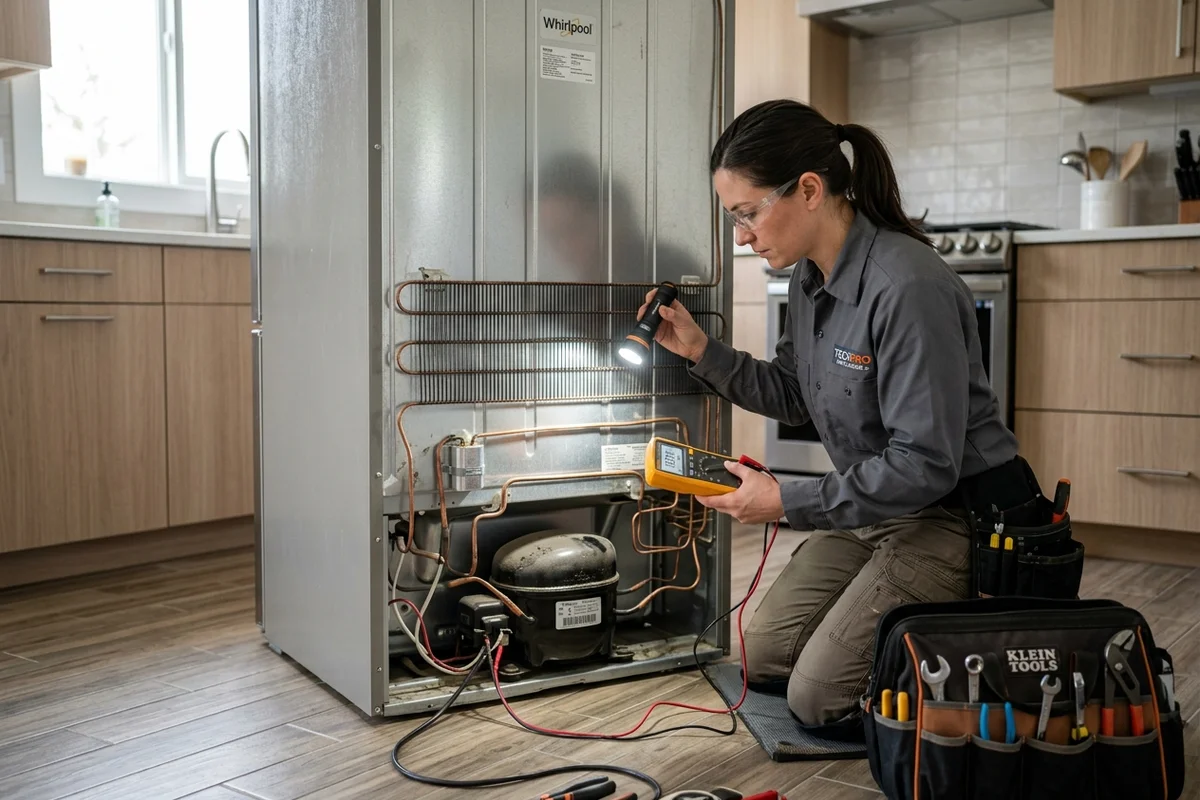
- Repair: Suitable when the machine is relatively young (under five years old), the issue is a simple wear-and-tear component (such as a washing machine door seal, water pump, or oven heating element), and original replacement parts are readily accessible.
- Replace: Recommended when the unit is in the latter half of its design life, the repair estimate approaches half the replacement price, or the appliance relies on outdated, energy-inefficient motor technology.
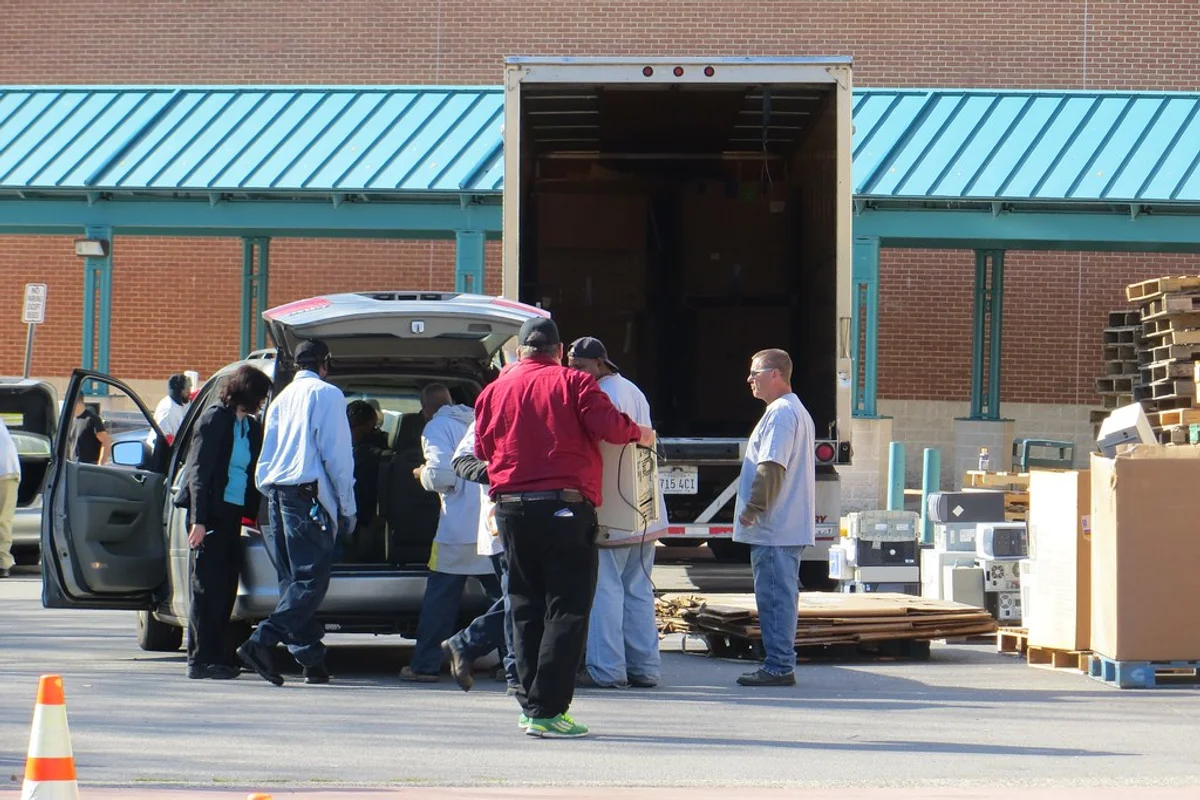
- Dispose: The mandatory end-of-life step once an appliance is officially written off, ensuring heavy steel casings, copper wiring, and hazardous refrigerants are channeled into certified recycling facilities rather than dumped.
The 50 percent financial rule and expected lifespan
A reliable standard used by appliance technicians is the 50 percent rule: if a repair quote exceeds 50 percent of the cost of purchasing a brand-new equivalent appliance, investing in repair is rarely justifiable. This rule becomes even more decisive when weighed against expected operating lifespans under local operating conditions:
- Refrigerators and freezers: Typical lifespan of 8 to 10 years. Compressors running in elevated ambient room temperatures undergo constant thermal stress.
- Washing machines and dryers: Typical lifespan of 6 to 8 years. High wash cycle frequencies and water mineral hardness cause premature pump and bearing wear.
- Dishwashers: Typical lifespan of 6 to 8 years. Limescale accumulation frequently degrades internal heating coils and drainage impellers.
- Air conditioning split units: Typical lifespan of 6 to 8 years. Continuous summer cooling operation leads to gradual compressor wear and coil corrosion.
- Microwaves and small countertop units: Typical lifespan of 5 to 7 years. Component-level repair is almost never cost-effective compared to direct replacement.
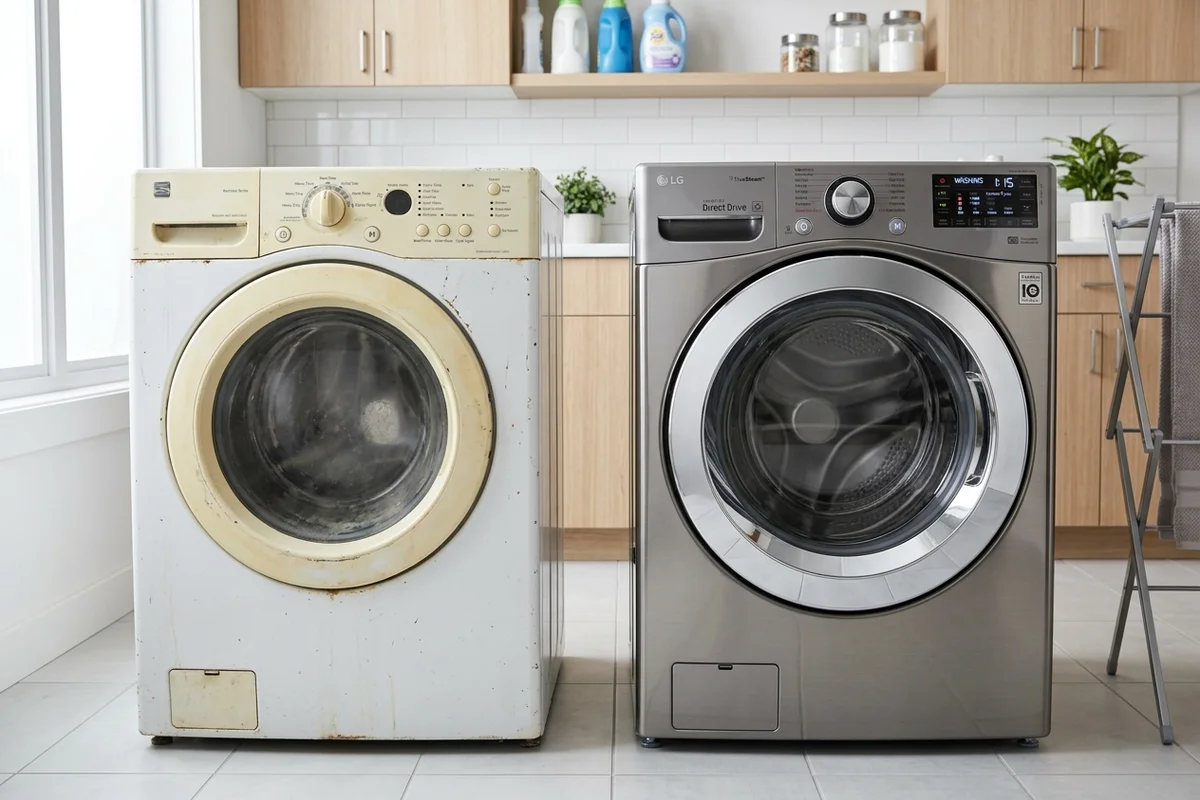
How Dubai's climate accelerates appliance wear and tear
The climate in the United Arab Emirates exerts unique physical demands on domestic appliances. High summer ambient temperatures demand that refrigeration compressors cycle far more frequently than in temperate regions, causing internal mechanical lubricants and gaskets to degrade faster.
Similarly, desalinated municipal water supplies contain specific mineral characteristics that can accelerate calcium and limescale formation on immersion heating elements in washing machines and water heaters. An appliance that might function for twelve years elsewhere often reaches mechanical exhaustion by year eight in Dubai.
DEWA energy efficiency: older motors versus modern inverters
An older appliance may still turn on and run, but continuing to operate it can quietly inflate monthly DEWA electricity tariffs. Legacy refrigerators and air conditioners feature fixed-speed induction motors that run at maximum wattage every time they switch on.
Contemporary appliances engineered with digital inverter compressors and brushless DC motors automatically modulate power consumption according to real-time cooling loads. Replacing an eight-year-old refrigerator with a modern 5-star energy-rated inverter unit can cut appliance-specific electricity draw significantly over twelve months of continuous operation.
When repair is unsafe: refrigerant leaks and board burnout
Certain technical failures make continued operation dangerous and render repair uneconomical. Scorched motherboard control circuits, damaged internal wiring harnesses, cracked washing machine outer tubs, and corroded refrigerant tubing that has dumped gas into the atmosphere indicate complete mechanical failure.
Attempting makeshift repairs on compromised electrical appliances introduces serious electrical fire and shock risks. When a certified technician determines that primary structural or electrical elements have failed, booking professional disposal is the responsible, permanent solution.