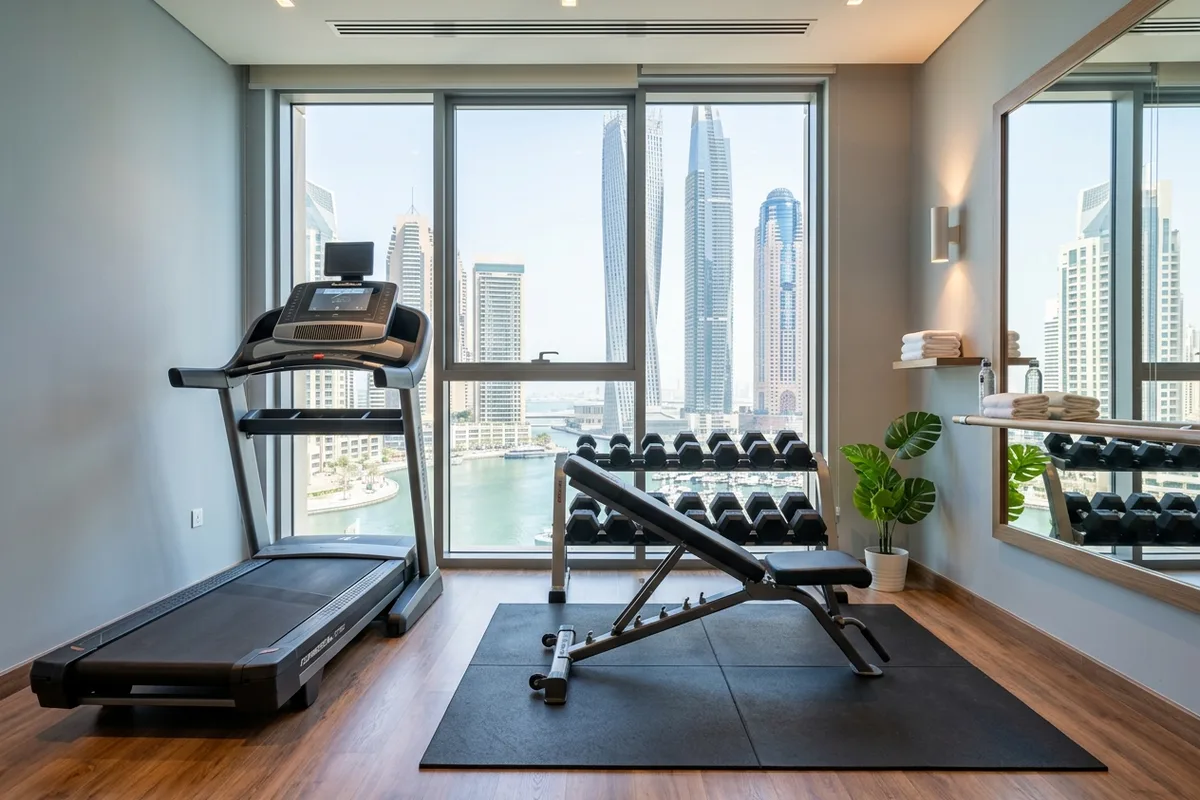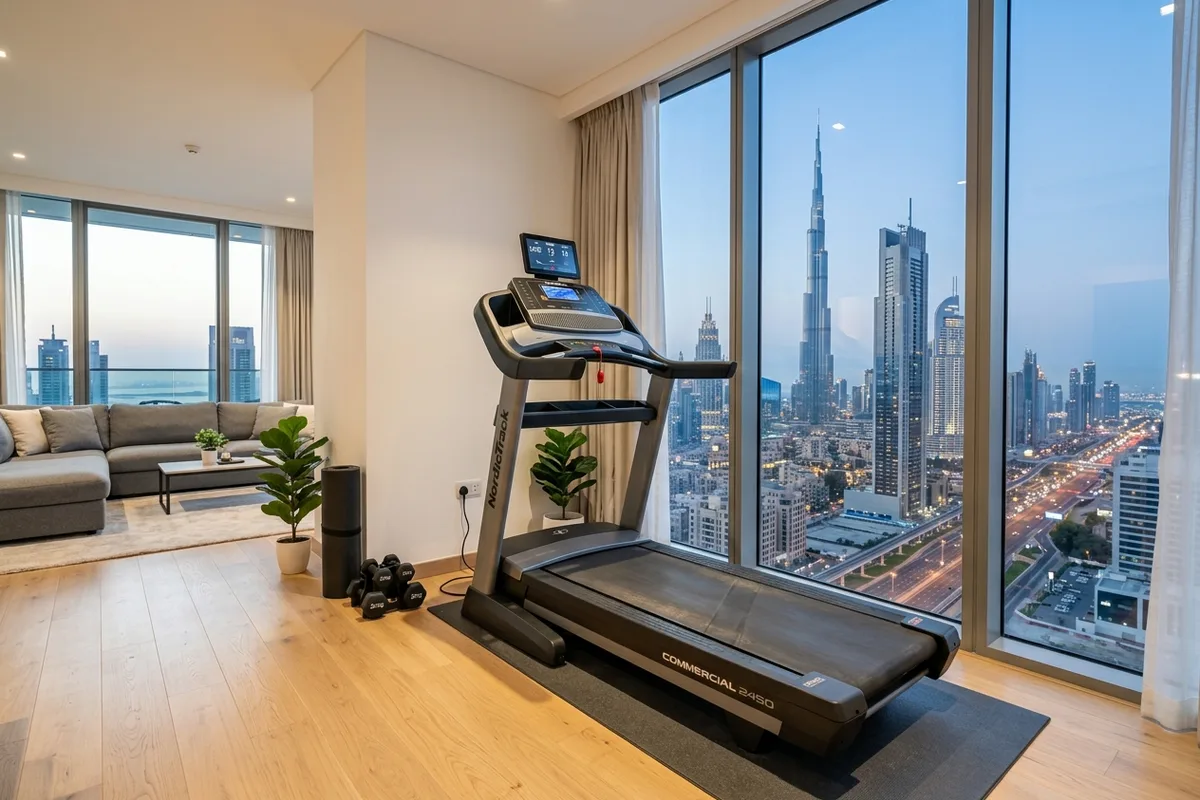
A motorized fitness treadmill is frequently the heaviest, largest, and most geometrically awkward single item in a residential fitness space or spare bedroom. Ranging from 75 kg for entry-level folding models to over 160 kg for commercial-grade running machines, treadmills combine structural steel chassis frames with fragile digital display consoles and delicate electronic control boards. Treadmill removal in Dubai presents unique operational demands: managing extreme front-heavy weight concentration, handling hydraulic deck struts, and navigating doorways and elevator cabins that are narrower than the assembled machine.
Why treadmills are deceptively difficult to lift and carry
Unlike a large wardrobe or three-seater sofa where weight is distributed relatively evenly across the entire frame, a motorized treadmill concentrates nearly 70% of its total mass in the front compartment. This forward enclosure houses the heavy continuous-duty AC or DC electric drive motor, solid cast-iron flywheel, power incline elevation motor, and heavy solid steel front drive roller.
When lifting from the rear of the running deck, the machine feels deceptively manageable. However, the moment two people attempt to carry the unit horizontally through a hallway or down a flight of stairs, the severe forward weight bias causes the front end to drop violently if not properly supported by experienced lifters with appropriate lifting straps and grip gloves.
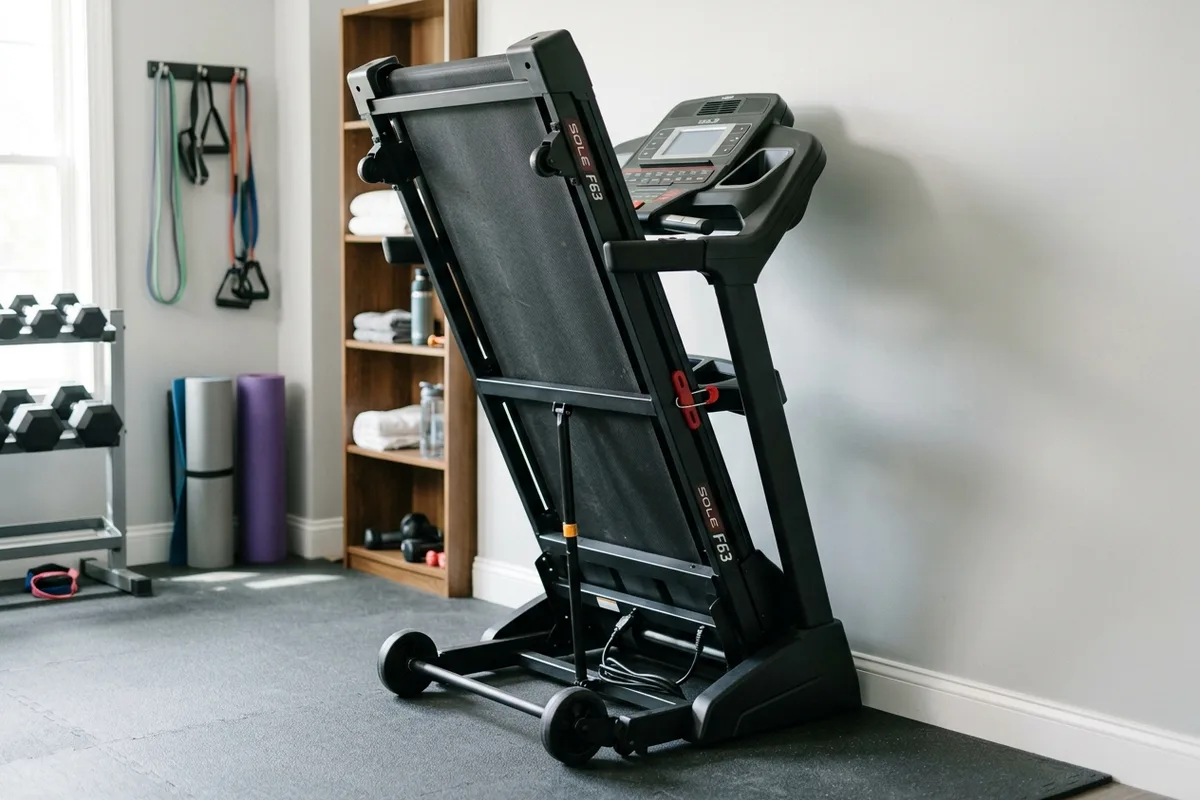
Folding decks versus rigid commercial running frames
The physical extraction strategy depends entirely on the design category of the treadmill frame:
- Folding residential treadmills: Incorporate a central pivot hinge assisted by a pneumatic or hydraulic gas strut. The running deck lifts upward into a vertical orientation and clicks securely into a mechanical latch pin. Once locked upright, the unit tips back onto integrated heavy-duty transport wheels, significantly reducing the floor footprint.
- Non-folding commercial-grade treadmills: Constructed with continuous welded structural steel side rails and no folding mechanism. These machines cannot be folded or shortened and require full modular teardown into separate frame segments before they can exit a standard residential apartment.
Navigating doorways: when disassembly is required
Standard interior apartment doors in Dubai residential communities (such as Downtown Dubai, Dubai Marina, JBR, and Business Bay) typically offer clear opening widths between 75 and 80 cm. Many modern performance treadmills feature wide, ergonomic side handrails and integrated touchscreen consoles that span 85 to 95 cm across. In these typical configurations, the fully assembled machine physically cannot pass through the doorway.
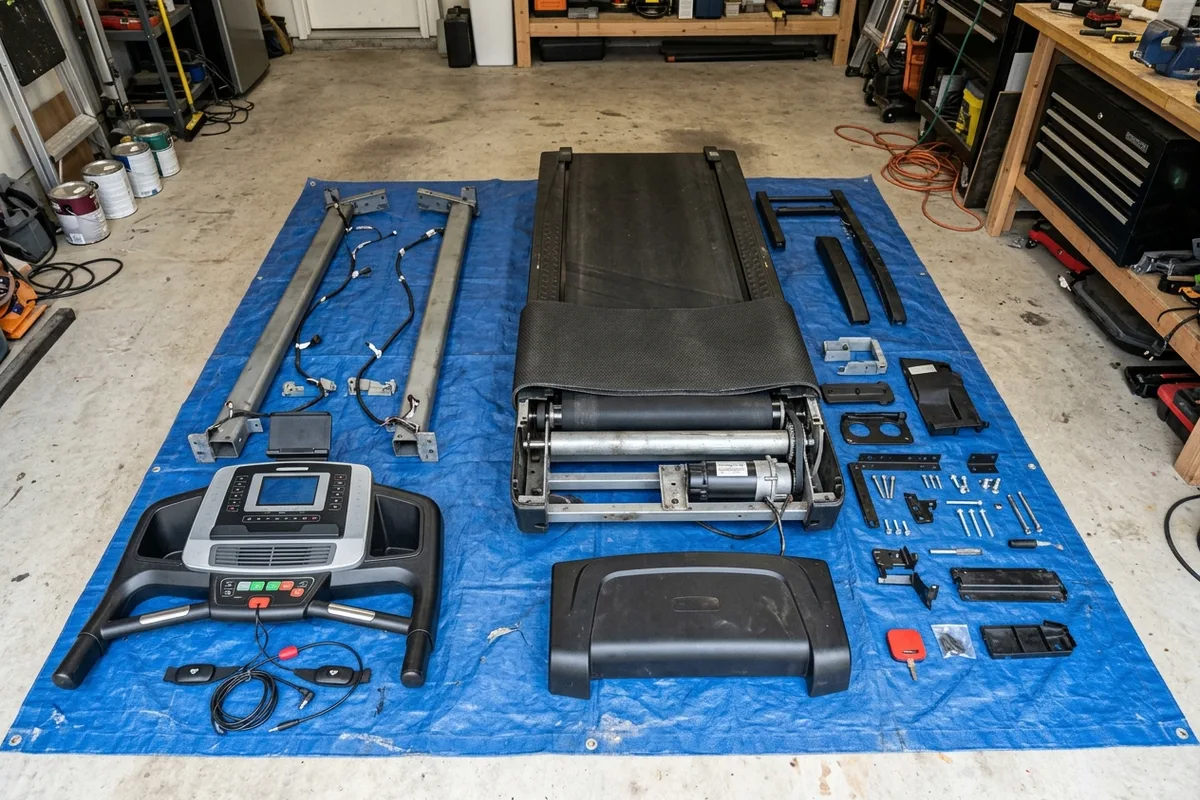
Professional treadmill extraction follows a methodical mechanical teardown sequence to slim the machine's profile without damaging internal components:
- Display console decoupling: Carefully unclipping the digital communication ribbon cables connected to the lower motor control board, then removing the upper console housing and touch display.
- Upright support mast removal: Backing out the high-tensile Allen bolts and locking washers that anchor the left and right vertical support masts to the heavy base frame.
- Hydraulic deck strap securing: Fastening a heavy-duty ratchet tie-down strap around folded decks to guarantee that the hydraulic locking latch cannot accidentally disengage during steep vertical tilting in service lifts.
- Motor hood and belt inspection: Removing the front motor hood cover to ensure no loose wiring harnesses or speed sensor leads snag on door frames during transport.
Floor protection and high-rise service lift logistics
The hard polyurethane or nylon wheels built into the base of heavy treadmills exert intense point-load pressure on flooring. Rolling a 120 kg treadmill directly over soft hardwood, engineered parquet, or high-gloss Italian marble tiles can leave permanent indented grooves or cracked tile edges. Removal crews lay thick neoprene floor runners, heavy moving blankets, or interlocking rubber mats along all transit paths and across elevator thresholds.
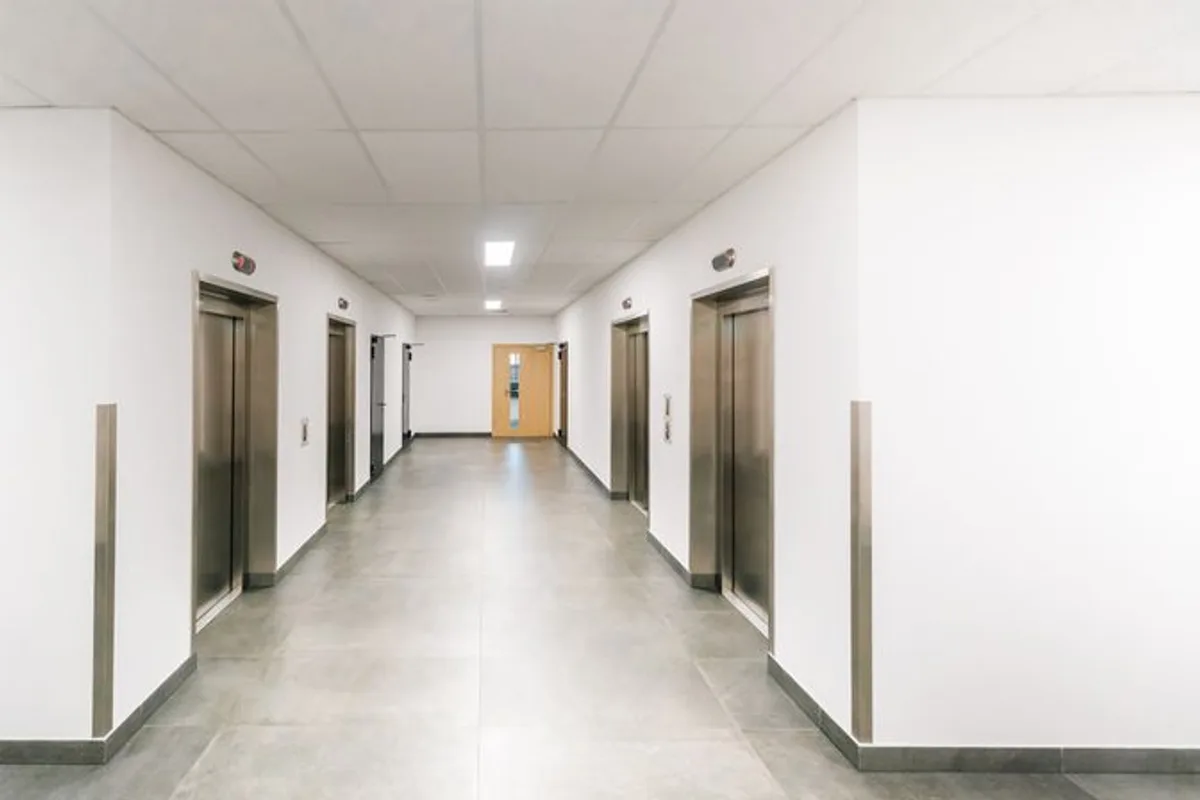
In multi-story residential towers across Dubai, booking the dedicated service lift with building management in advance is mandatory. Measuring the internal cabin height, depth, and door clearance ensures the heavy steel base frame can stand or tilt safely within weight limits without obstructing elevator optical safety sensors.
Scrap metal and electrical component recovery
When an old or broken treadmill reaches end-of-life due to a burnt-out drive motor, delaminated running belt, or obsolete control electronics, certified UAE recycling facilities dismantle the unit into discrete commodity fractions. Structural steel from the side rails and roller drums is compressed for smelting, heavy copper windings are recovered from the drive motor and incline actuator, and the console electronics are processed for trace precious metals.