Moving furniture out of a Dubai high-rise is really a sequence of doorways: the front door, the corridor, the lift car, the ground-floor lobby, the loading bay. Most of them are wider than they look and never cause a problem. This guide covers the one that usually does — the lift car — and the rest of the physical route around it, stage by stage. That route is exactly what a furniture removal crew in Dubai measures before quoting a tower job.
The route has four stages, and any one can be the bottleneck
- The corridor and lift lobby on your own floor.
- The lift car itself.
- The ground-floor lobby.
- The loading bay or drop-off point where the vehicle waits.
Most booking conversations focus on the last stage, the vehicle, when the stage most likely to stop a piece of furniture is the one nobody thinks to measure: the lift car door on your own floor.
Why the lift car is usually the tightest point
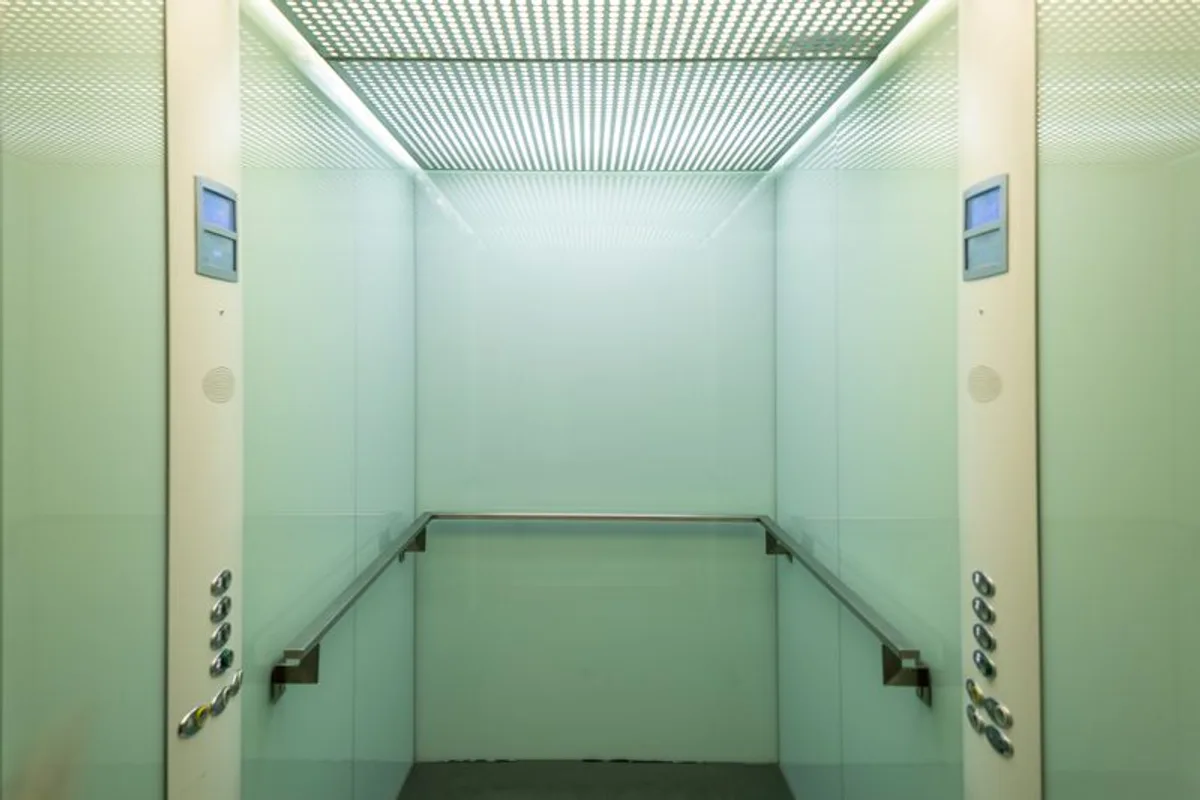
A passenger lift is sized for people and shopping bags, not for a two-metre wardrobe, and that sizing doesn't change just because the item on its way down is bulky rather than heavy. Four measurements, taken before the day, settle whether a piece will actually go in.
- The clear width of the door opening, not the width of the frame around it.
- The internal depth of the car, front to back.
- The internal height, if a tall item needs to travel standing upright.
- The diagonal across the floor of the car, corner to corner.
That last measurement matters more than it looks like it should. A sofa doesn't need a lift car as wide as it is long — it needs enough diagonal to go in corner-first, the same logic that decides whether furniture clears a tight turn on a stairwell landing. Measure the item at its own longest point and compare it against the diagonal, not just the door width.
Passenger lift or service lift — ask which one applies
Many towers keep a separate service or goods lift, often with a wider door and a reinforced floor, reserved for moves and deliveries rather than everyday passenger use. Plenty of buildings don't have one at all, and every collection goes through the same lift residents use day to day. Confirm which applies to your building before assuming the larger option is available, since booking around the wrong one is a common reason a visit has to be rescheduled.
Corridors and lift lobbies are usually the easy part
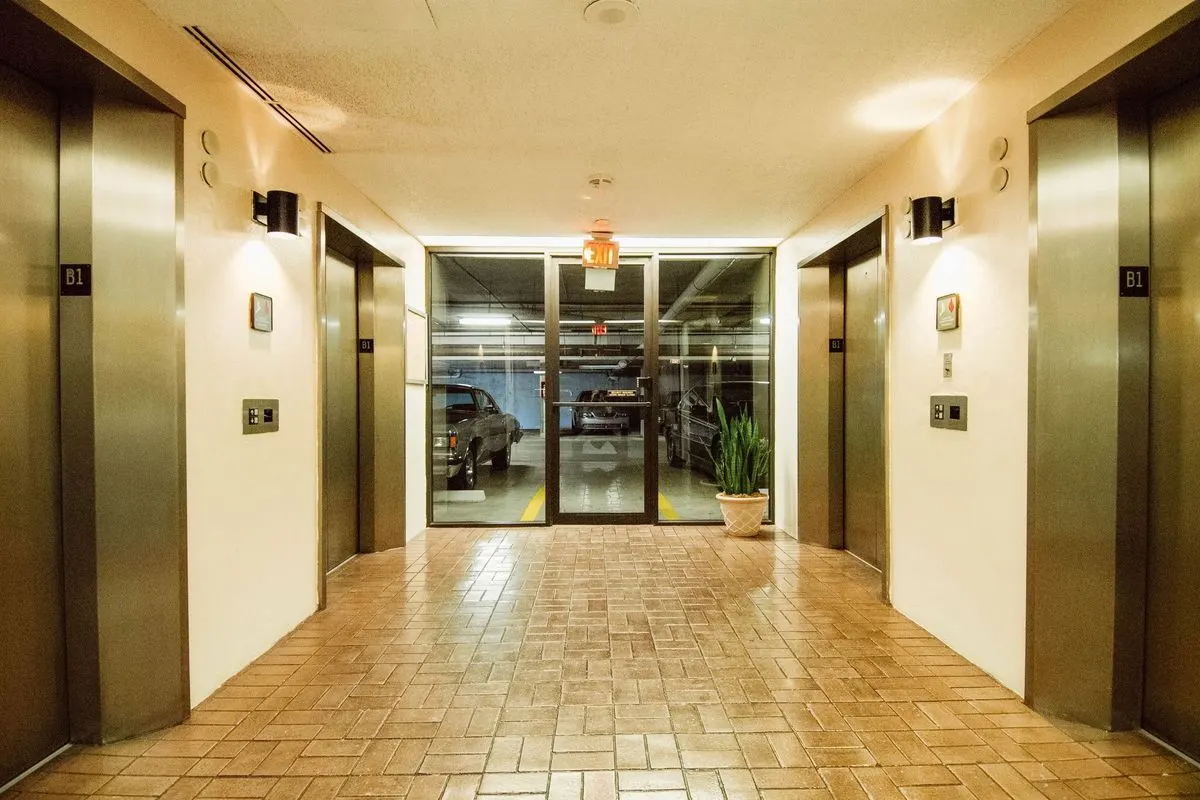
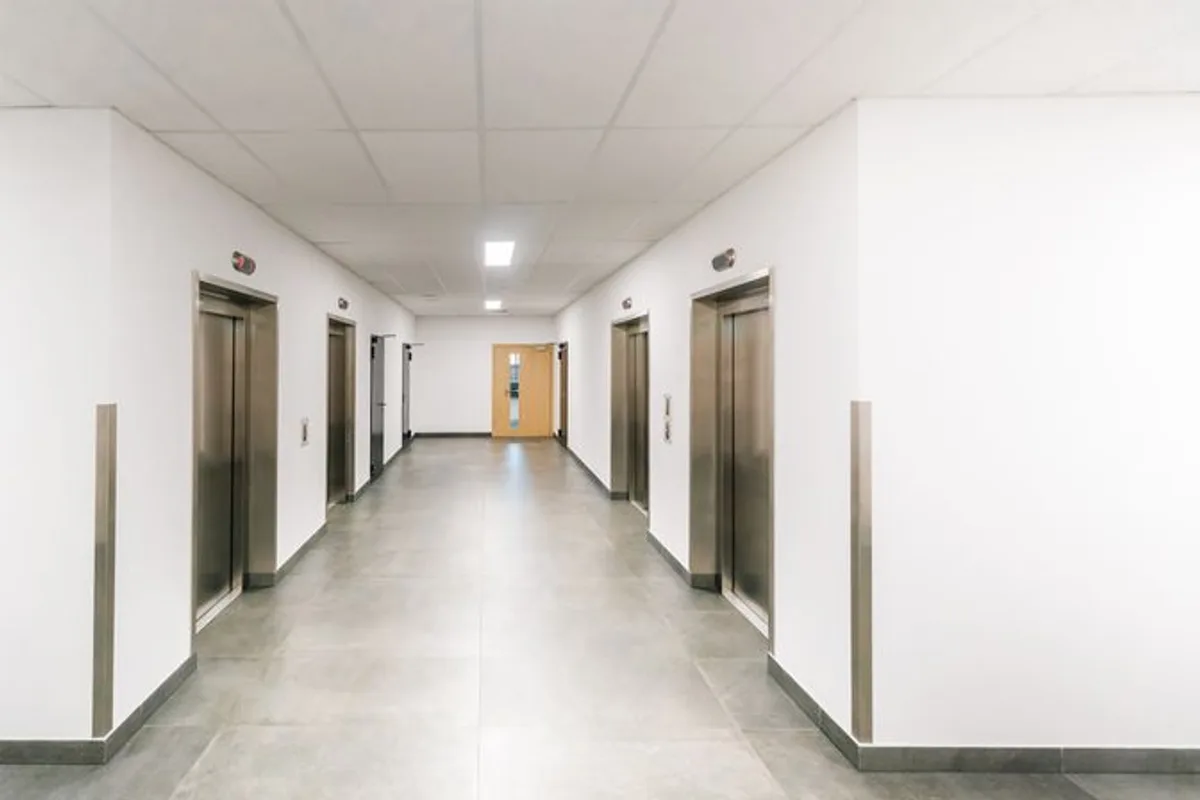
Unlike a stairwell, a corridor rarely has a turn tight enough to stop a piece of furniture outright. A couple of details are still worth checking: a fire door along the route that needs propping open rather than held by hand, and any low ceiling or fire shutter near the lift lobby that a tall item could catch on its way through.
What the loading bay actually looks like
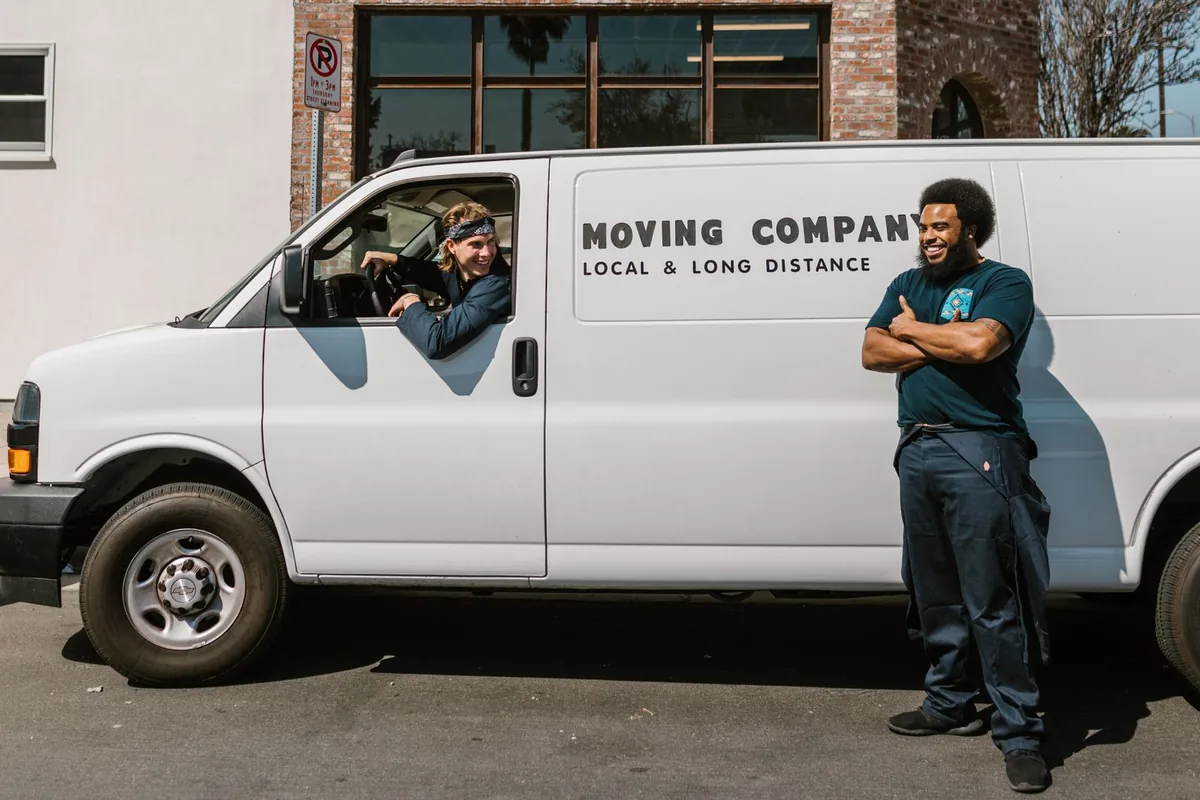
Most towers keep the loading bay at basement or podium level, behind a posted height barrier that limits what size of vehicle can reach it. One bay often serves several units in the same building, so it may need reserving through management rather than simply turning up. How far that bay sits from the lift core matters too — a short walk keeps the visit quick, while a bay on the far side of a podium level turns the last stretch into the longest part of the job. The full rules around parking and who controls each part of that route are worth reading separately.
When something genuinely will not fit in the lift
Two options exist, and no clever third one. Either the item comes apart in a way that changes its largest dimension, which is worth understanding properly before the day rather than guessing at on it, or it goes down the stairwell instead, which is its own job with its own rules once a lift is no longer the route.
Protecting the lift car and corridors along the way
A lift car and the corridors leading to it take repeated wear during a collection — the same corners, the same door edges, trip after trip. Covering that properly is its own subject with more detail than fits here.
What to tell the company when you book
- Your floor number, and whether a passenger lift or a service lift applies to bulky items.
- The lift car's internal dimensions, if you know them — building management can usually confirm this.
- The loading bay's hours and whether it needs reserving in advance.
- The largest item's real measurements, not a rough description.
A high-rise collection runs smoothly when the lift car is treated as the limit it actually is, rather than an afterthought behind the vehicle and the parking. Measure the door and the diagonal, confirm which lift applies to your unit, and the rest of the route rarely causes a surprise.