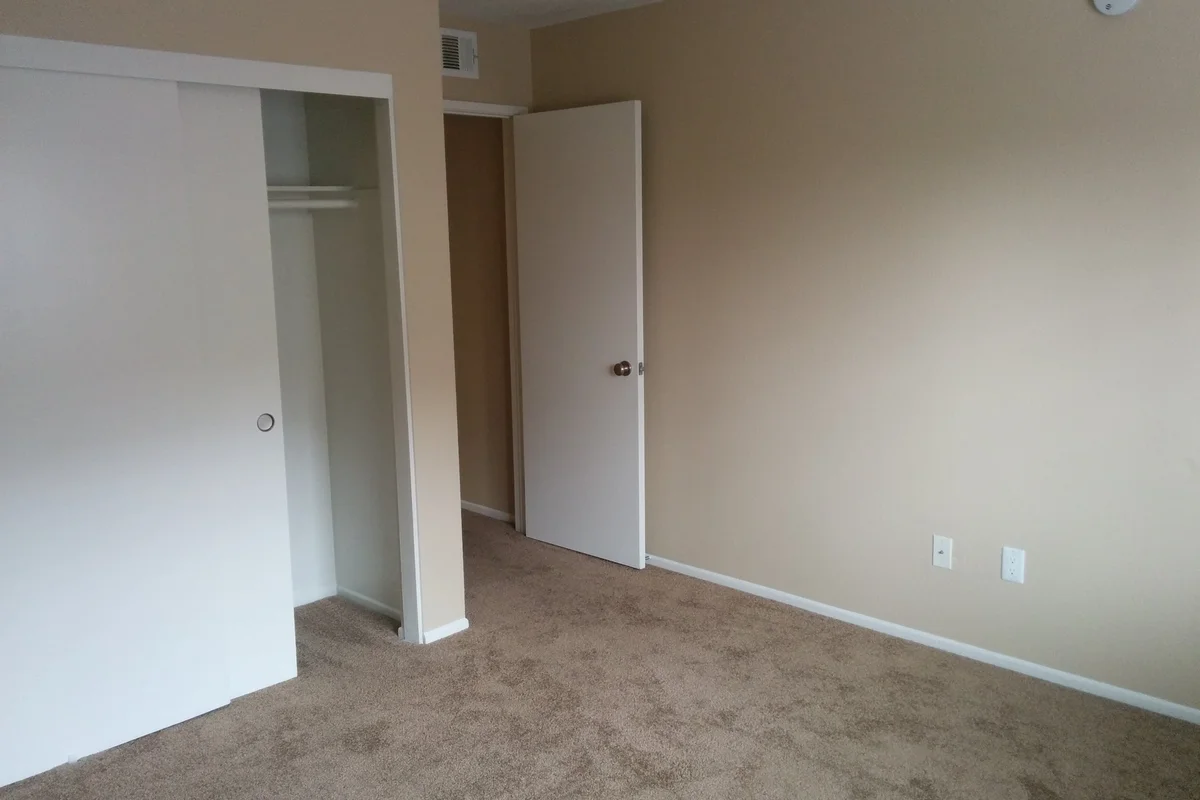
A contractor cannot tile around a sofa. Before any fit-out, repaint or kitchen replacement in Dubai starts, the rooms being worked on have to be empty, and the day the crew is due is the deadline. This guide covers the clearance that comes before the work: which contents have to leave, which can stay under protection, what belongs to the contractor's scope rather than yours, and how to time a pre-renovation house clearance in Dubai so the site is ready on the morning the builders arrive.
What a pre-renovation clearance covers, and what it does not
A pre-renovation clearance removes the household contents from the rooms about to be worked on. It is not a demolition and it is not a debris collection. Those are separate jobs that happen later and involve different vehicles, different disposal routes and usually a different crew.
- Leaves before the work: freestanding furniture, rugs, curtains and blinds, loose shelving, boxes, decorative items and anything stored in the affected rooms.
- Leaves if it is not being reused: old appliances that are being replaced by the renovation, once they have been disconnected (see below).
- Stays and gets protected: built-in wardrobes, fitted kitchens and bathroom fixtures that are not part of the renovation, plus any furniture too large to move that the contractor agrees to work around.
- The contractor's job, not the clearance crew's: stripping out fitted kitchens, removing tiles, taking down partitions and carrying away the rubble.
Keeping those four groups apart is the whole discipline of the job. When a clearance crew is asked to rip out a fitted kitchen, or a contractor is expected to dispose of a wardrobe full of clothes, both jobs slow down and the start date slips. The rubble that comes later is booked as construction debris removal once the strip-out has produced it.
Clearing to bare walls or clearing the working area
Decide first whether the whole home is being renovated or one part of it. A full villa refurbishment usually means every room goes to bare walls and the family moves out for the duration. A kitchen replacement or a single bathroom means only that room and the route to it need clearing, while everyone carries on living in the rest of the property.
The partial case is the more common one in Dubai apartments and it is the one people under-plan. A kitchen renovation empties the kitchen, but the dining table next to it, the hallway the contractors walk through and the cupboard where the tiles will be stacked all need clearing too. Draw the working area on a plan with the contractor, then include the corridor and a storage spot in it. If the rest of the home stays occupied, the approach in partial house clearance in Dubai applies: mark what stays, keep the family's things out of the route, and expect the job to take longer than the room size suggests.
Freestanding, fitted and fixed: who removes what
Every item in a room about to be renovated falls into one of three categories, and the category decides who is responsible for it.
- Freestanding: sofas, beds, tables, chairs, freestanding wardrobes and bookcases. These are the clearance crew's job and they leave whole or dismantled before the contractor's start date.
- Fitted: built-in wardrobes, kitchen units, bathroom vanities and shelving screwed to the wall. If the renovation replaces them, the contractor strips them out as part of the demolition. If they are staying, they are emptied and protected, not removed.
- Fixed and connected: cookers, ovens, water heaters, split AC units and anything on a gas, water or electrical supply. These are disconnected by a technician first, then either collected or protected.
The connected category is where renovations lose days. A crew arriving to clear a kitchen cannot pull a gas range or a hard-wired oven; a qualified technician isolates the supply first, and only then does the unit become an ordinary collection. The disconnection sequence for a kitchen strip-out is covered in appliance removal for kitchen renovations; the point here is simply that it has to happen before the clearance date, not on it.
Store, sell or dispose: deciding before the date
A renovation clearance differs from a move-out in one way that changes the sorting: most of what leaves the room is coming back. The bed will return to the bedroom once the floor is laid. So the contents split three ways rather than two, and the split has to be made before the crew arrives, because a crew cannot tell a returning sofa from a departing one.
- Returning after the work: goes to another room in the home if there is space, or to a storage unit if there is not. Wrap upholstery and stack flat-pack items carefully; a renovation produces dust that reaches every unsealed room.
- Leaving for good: the old kitchen table that will not match the new kitchen, the wardrobe being replaced by built-ins, the rug that never suited the room. These are the items the furniture removal crew actually takes away.
- Undecided: the honest third pile. Give it a deadline a day before the clearance and decide then; anything still undecided on the morning of the job travels with the returning items, not the departing ones.
Selling usable pieces before a renovation is realistic in Dubai because the timeline is usually known weeks ahead, which is the one advantage a renovation has over a rushed move-out. List early, price to clear, and let anything unsold by the deadline go on the collection rather than into the working area.
Timing the clearance against the contractor's start

Book the clearance to finish at least one clear day before the contractor's start, not the same morning. That gap absorbs a lift slot that runs late, a wardrobe that takes longer to dismantle than expected, and the final sweep of items nobody noticed behind the sofa. A renovation crew that arrives to a half-cleared room either waits, which you pay for, or starts moving your furniture themselves, which nobody wants.
The building side needs the same lead time. In a tower, a renovation normally needs its own permission from building management, and the clearance may need a separate removal permit and a service-lift booking; the two are often handled by different people at the same front desk. In villa communities the access is easier but the community may still want notice of contractor vehicles, and the clearance truck and the contractor's skip should not be booked for the same driveway on the same day. Older villas in Jumeirah being refurbished are a common version of this job, and the driveway sequencing matters more there than the paperwork.
Protecting what stays
Anything fitted that is surviving the renovation should be emptied and covered, not just closed. Renovation dust gets inside a shut wardrobe; a fitted kitchen that is keeping its units but losing its floor needs the units taped and sheeted at the base. Agree with the contractor which surfaces they will protect as part of their work and which are your responsibility, because the answer varies by contractor and is rarely written down unless you ask.
If a piece of furniture is genuinely too large to leave the room and the contractor agrees to work around it, it is moved to the centre, raised off the floor where a floor is being replaced, and wrapped completely. This is the exception, not a plan; every item left in the working area makes the renovation slower and the finish harder to inspect.
What comes after: debris is a different booking
Once the strip-out begins, the material that comes off the walls and floors is construction waste, and it goes out on a different route from the household contents that left the week before. Some contractors include debris removal in their quote; many do not, or include only a first load. Ask which before the work starts, and if it is not included, book the debris collection to coincide with the end of demolition rather than the end of the whole project, when the pile has been in the way for a fortnight. Whether a skip or a collect-and-load crew suits the site better is its own question, worked through in junk removal vs skip hire in Dubai.
A renovation goes well when three dates are set in the right order: the day the household contents are out, the day the contractor starts, and the day the debris leaves. Fix the first one earliest, give it a day's margin, and sort the contents into returning, leaving and undecided before the crew is on the stairs. Everything the builders do after that starts from an empty room, which is the only kind they can work in.