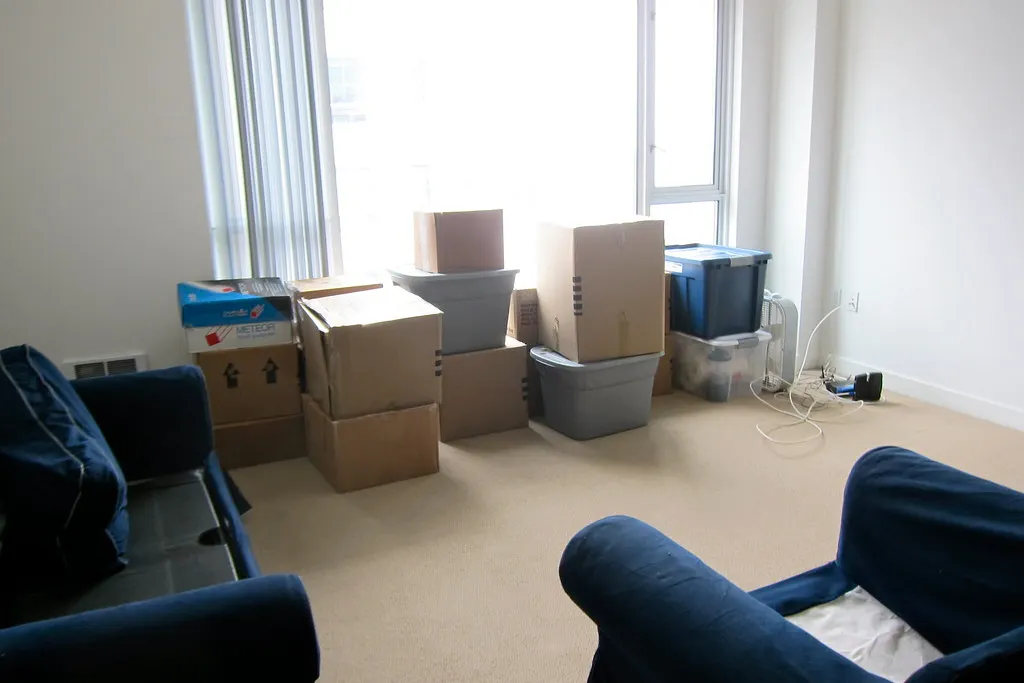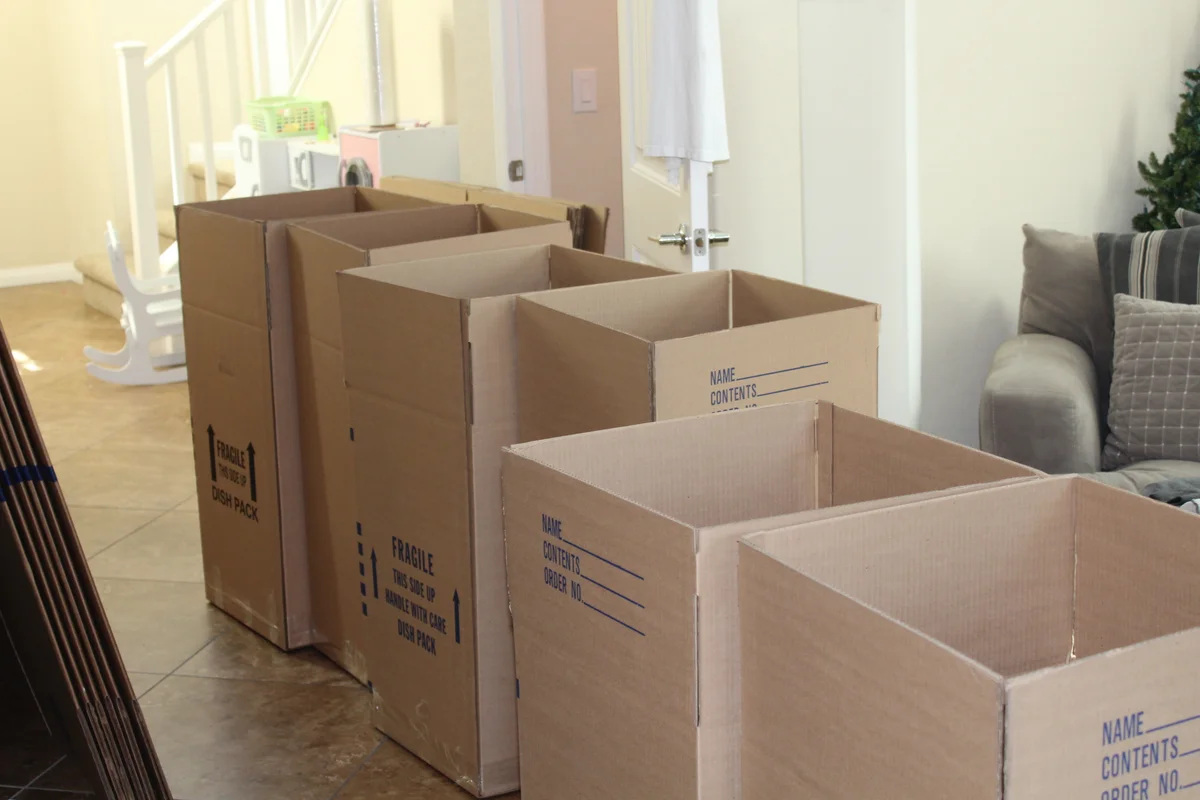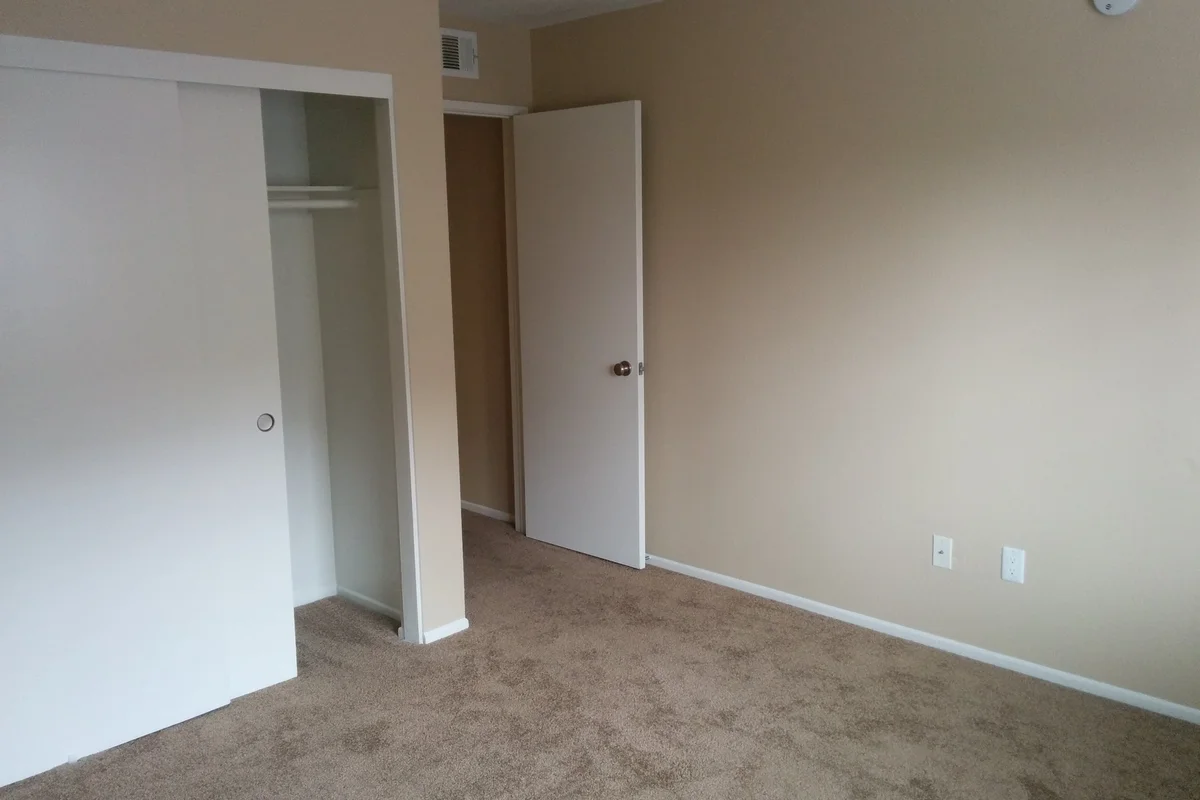
Tenancy agreements in Dubai universally mandate that residential properties be returned in pristine, vacant condition. For tenants approaching a lease end or landlords preparing for immediate re-letting, achieving this requires two distinct operations: a complete house clearance to extract unwanted furniture, appliances, and accumulated debris, followed by an intensive move-out deep clean. While many property occupants attempt to run these services simultaneously to save time, doing so almost invariably leads to logistical bottlenecks, damaged walls, and failed handover inspections. Understanding how these two distinct disciplines interact is the key to securing your full tenancy deposit without unnecessary friction.
The Two-Stage Handover Reality in Dubai Properties
Clearance and cleaning require fundamentally contradictory working conditions. A clearance crew requires wide, open transit pathways, propped exterior doors, heavy boots, and constant movement of bulky items, tools, and dollies. In contrast, a deep-cleaning team requires a sterile, static environment where wet vacuums, chemical degreasers, steam sanitizers, and floor polishers can operate without foot traffic reintroducing dust and scuff marks.
- Physical workspace congestion: Having six workers from two different crews inside a two-bedroom apartment creates hazardous pinch points in hallways and stairwells.
- Secondary dust contamination: Dismantling particleboard wardrobes, pulling dusty mattresses, and moving outdoor patio sets generates airborne particulate that immediately coats freshly scrubbed tile floors and kitchen counters.
- Conflicting equipment requirements: Clearance teams need clear floor space to stage dismantled furniture components, while cleaning teams need unhindered floor access to run rotary scrubbing machines.
- Accountability gaps: When a wall or skirting board is scuffed during concurrent operations, establishing whether the clearance movers or the cleaning crew caused the damage becomes impossible.
For these operational reasons, professional property managers in Dubai recommend a strict linear schedule: zero cleaning operations should commence until the clearance vehicle has been fully loaded, the move-out permit has been stamped, and the property is completely bare.
The Division of Labor: What Clearance Covers vs What Cleaners Handle
A frequent misunderstanding occurs when occupants expect clearance crews to wipe down cupboards, or assume deep cleaners will haul away broken flat-pack furniture and old air fryers. Clarifying the boundary between these two services prevents costly last-minute surprises.
- Clearance crew scope: Disassembly of bulky beds, wardrobes, and shelving units; disconnection and hauling of freestanding white goods; clearing fitted cupboards, lofts, and storerooms of loose items; safe extraction of garden furniture, potted planters, and shade gazebos; and sorting materials into donation, scrap, and recycling streams.
- Deep cleaning crew scope: High-temperature steam cleaning of bathrooms, descaling shower heads and calcified taps; degreasing cooker hoods, built-in ovens, and kitchen cabinet interiors; scrubbing tile grout and machine-buffing hard floors; vacuuming window tracks and polishing architectural glass; and pressure-washing exterior balconies or villa driveways.
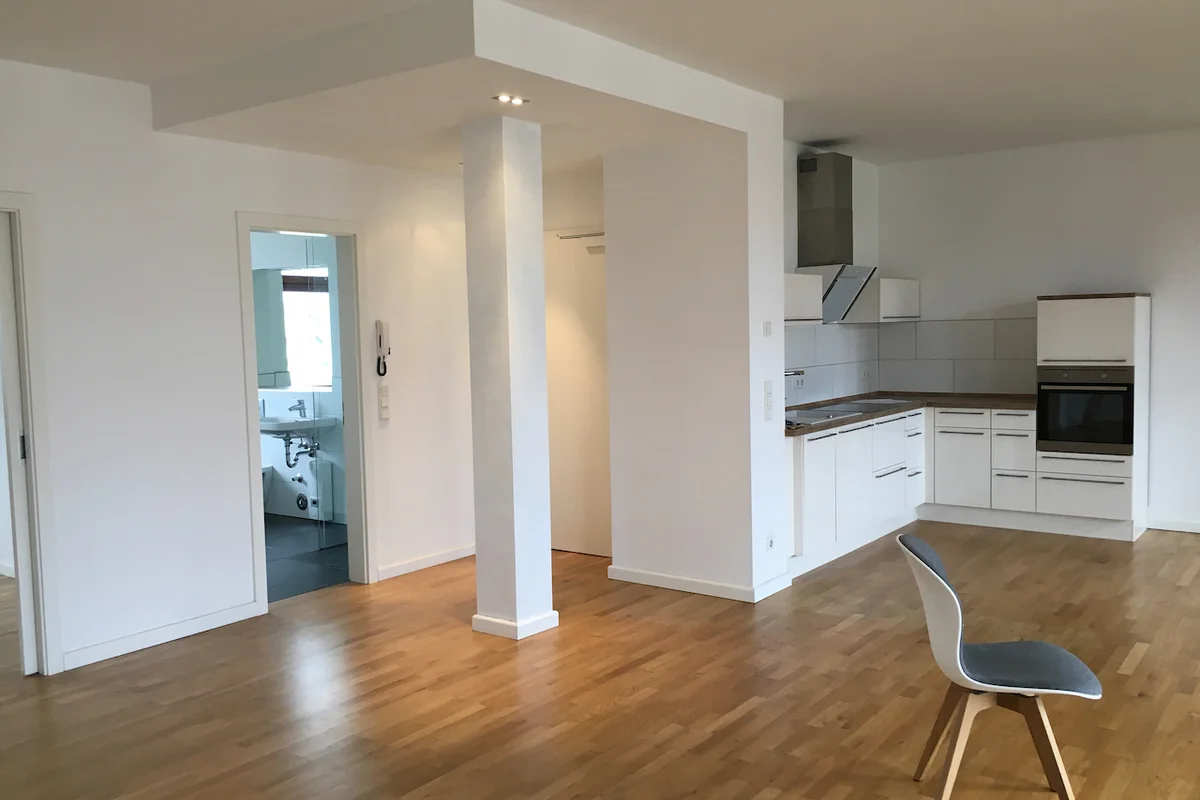
Notice that the cleaning crew cannot touch the interior of an oven if old baking trays remain inside, nor can they descale bathroom tiles if discarded toiletries and shower racks are still mounted. The clearance crew provides the empty canvas that allows the cleaners to perform their contracted scope.
The Optimal 48-Hour Sequencing Timeline
The safest timeline for a tenancy handover spans two consecutive days, separating the physical extraction from the chemical and cosmetic finishing. This provides buffer time for minor touch-ups or addressing hidden property defects revealed during the clearance.
- Day 1 Morning (Clearance): The clearance team arrives during the building's designated morning move-out window (typically 9:00 AM to 1:00 PM). All furniture is dismantled, boxes are carried down via the reserved service lift, and the vehicle departs.
- Day 1 Afternoon (Maintenance Assessment): With the property fully empty, inspect baseboards, walls behind previously positioned headboards, and ceiling corners. Check for dry wall anchor holes, curtain track anchors, or paint scuffs that require spackling and touch-up paint before wet cleaning.
- Day 2 Morning (Deep Cleaning): The professional cleaning crew arrives to a completely vacant premises. Water and electricity (DEWA) must remain active. The team performs top-to-bottom sanitization, from AC vent grills down to floor skirting.
- Day 2 Afternoon (Landlord Handover Walkthrough): The property is fully dry, ventilated, and spotless. The joint condition inspection is conducted while natural light is optimal, allowing immediate sign-off on the security deposit release form.
Compressing this workflow into a single 12-hour day is technically possible for compact studio apartments, but for multi-bedroom apartments and villas, it risks leaving cleaners working into the evening under artificial lighting when subtle water spots and floor haze go unnoticed.
Coordinating Building NOCs and Service Lift Allocations
Dubai residential communities�whether managed by master developers like Emaar, Nakheel, or private facility management firms�enforce strict move-out rules that directly govern how clearance and cleaning vehicles operate on site.
- Move-out NOC requirements: Most building management offices require proof of active tenancy, clearance of service charge accounts from the landlord, and a refundable security deposit before granting access to moving or clearance trucks.
- Service elevator bookings: High-rise towers allocate dedicated service lifts in specific 3- to 4-hour slots. Booking the morning slot for clearance and an afternoon slot for cleaning equipment deliveries ensures neither team is blocked in the lobby.
- DEWA continuity: Ensure water and electrical supplies remain connected through the end of the cleaning date. Deep cleaning machinery, wet vacuums, and hot water extraction units cannot function in a property where the utilities have been disconnected prematurely.
- Noise restrictions: Drilling, furniture disassembly with impact drivers, and industrial rotary floor scrubbing must comply with community quiet hours, usually prohibited between 1:00 PM and 3:00 PM as well as after 7:00 PM.
Deposit Protection Tip: Take time-stamped photographs and wide-angle videos immediately after the clearance crew leaves, and again once the cleaning team finishes. Having documented proof of the property condition between both stages prevents disputes over who was responsible for any pre-existing wall marks or floor scuffs.
Pre-Handover Readiness Checklist
Before handing the keys back to your building security or leasing agent, run through this critical clearance-and-cleaning verification protocol:
- Check all concealed storage spaces: Confirm the clearance team cleared the water heater ceiling hatch, maid's utility bathroom, balcony cupboards, and under-sink nooks.
- Defrost refrigeration units: Refrigerator freezers should be unplugged during clearance, melted water mopped, and doors left propped open to prevent mildew before the cleaners sanitize the seals.
- Remove curtain fixtures and wall screws: Remove all plastic wall plugs, brackets, and nails left from hanging artwork, filling any anchor holes with interior filler.
- Clear AC filter access: Ensure ceiling access panels to fan coil units (FCUs) are unobstructed so cleaning technicians can wash dust filters.
- Test all fixtures post-cleaning: Verify that all sink drains flow freely, light switches operate, and door keys turn smoothly in their locks.
By organizing your move-out as a sequenced, two-stage operation rather than a chaotic scramble, you protect your time, satisfy your lease obligations, and guarantee a smooth handover inspection.