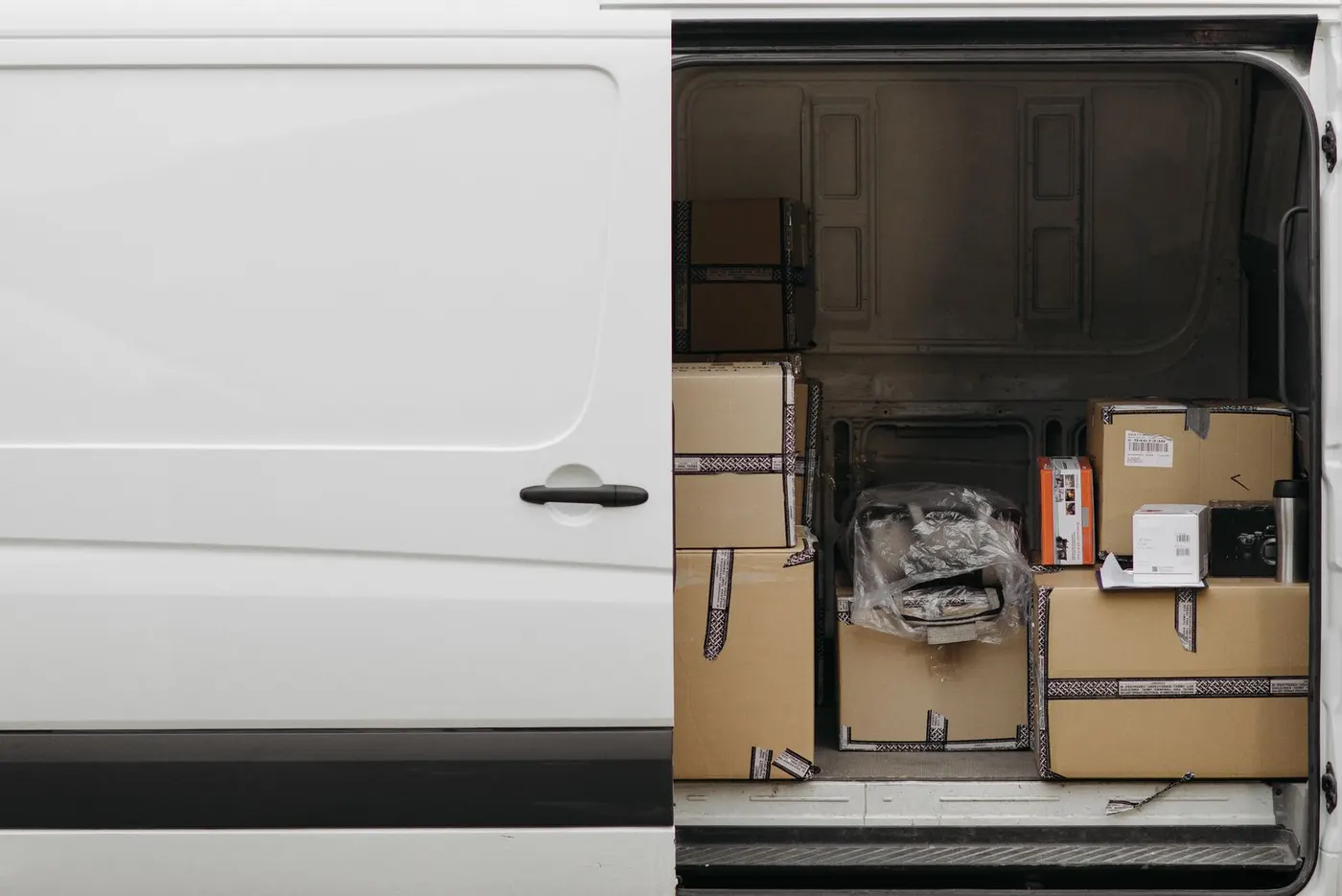
The difference comes down to who does the lifting. Skip hire rents you an empty container that sits on your property while you fill it yourself, then gets collected at the end of the hire period. Junk removal sends a crew and a vehicle that carry your items out, load them, and drive away in a single visit. Both get rid of the same material; they suit very different jobs, and in Dubai the deciding factor is often where the container can legally sit.
The core difference in one line
You rent a skip; you buy a service with junk removal. Everything else follows from that.
- Skip hire: you get a container, a delivery, a hire period and a collection. The loading is yours.
- Junk removal: you get people, a vehicle and disposal. Nothing sits on your property afterwards.
- A skip charges for capacity over time. Junk removal charges for the volume actually taken, in one visit.
- A skip needs somewhere to stand for days. A removal truck needs a parking spot for an hour or two.
Who does the loading
This is the part people underestimate. A skip arrives empty, and everything you want gone has to travel from wherever it currently sits into that container under your own steam. For a villa with a driveway and a garage full of boxes, that's manageable. For a wardrobe on the ninth floor of a tower, it means dismantling it, getting it into a service lift, and carrying it across a car park in Dubai's afternoon heat.
Junk removal inverts that. The crew handles the stairs, the lift booking, the doorways and the awkward corners, and the price already includes that labour. If the reason you're outsourcing the job at all is that you can't move the items yourself, a skip solves the wrong half of the problem.

Where the container is allowed to sit
A skip has to occupy real space for the whole hire period, and in much of Dubai that space isn't automatically yours to give. Villa communities and apartment towers generally sit on managed or shared land, so placing a container usually needs permission from whoever controls it — building management, the community team, or the landlord.
- Villas with private driveways are the easiest case, since the container can often stand on your own plot.
- Gated communities may restrict placement, delivery timing, or how long a container can remain visible.
- Apartment residents rarely have anywhere legitimate to put one, as visitor bays and loading zones are shared.
- Anything placed on a road or public area is a separate matter entirely and needs proper authorisation first.
A removal truck sidesteps most of this. It needs a place to stand while the crew works, not a place to live, which is why apartment jobs in particular tend to default to collection rather than containers.
How long each option ties up
A skip is rented by time, typically several days, and that window is the point: you fill it gradually as a project generates waste. Junk removal is a fixed appointment, usually a couple of hours, and it only works if the material exists when the crew arrives.
So the real question is whether your junk already exists or is still being produced. A cleared-out storeroom is finished waste and suits a single collection. A kitchen being stripped over two weeks keeps producing more, and a container on site saves you booking five separate visits.
When a skip is genuinely the better choice
- Renovation work that generates debris steadily over days rather than all at once.
- Large villa projects where the container can stand on your own driveway without permission issues.
- Garden or landscaping work with a lot of soil, sand and green waste to shift progressively.
- Jobs where you have the people and the time to load, and would rather spend labour than money.

When junk removal is the better choice
- Apartments and towers, where there is no practical place to put a container.
- Household clear-outs of furniture, appliances and general contents that already exist as a pile.
- Move-outs on a deadline, where a fixed collection slot fits the handover date.
- Heavy or awkward items you can't safely carry — sofas, mattresses, fridges, wardrobes.
- Anyone who would rather the job be finished in one afternoon than spread across a weekend.
Comparing what you actually pay for
The two prices aren't directly comparable, because they buy different things. A skip price covers the container, its delivery, the hire period and its disposal at the end. A junk removal price covers labour, the vehicle, transport and disposal, with no rental clock running.
The honest comparison is total cost including your own time and effort. A skip can look cheaper on paper and end up more expensive once you've spent a weekend loading it, hired help to move the heavy pieces, or paid for extra days because the project ran long. It can equally be the cheaper answer for a long renovation with willing hands on site. Price both for your specific job rather than assuming one is always the budget option.
The bottom line
Ask two questions and the answer usually settles itself: is my waste already sitting there, and do I have somewhere a container can legally stand for several days? If the junk exists now and there's nowhere obvious to put a skip — the situation for most apartments in Dubai — a collection is the simpler route. If the mess is still being made and you have a driveway to spare, hiring a container earns its keep.