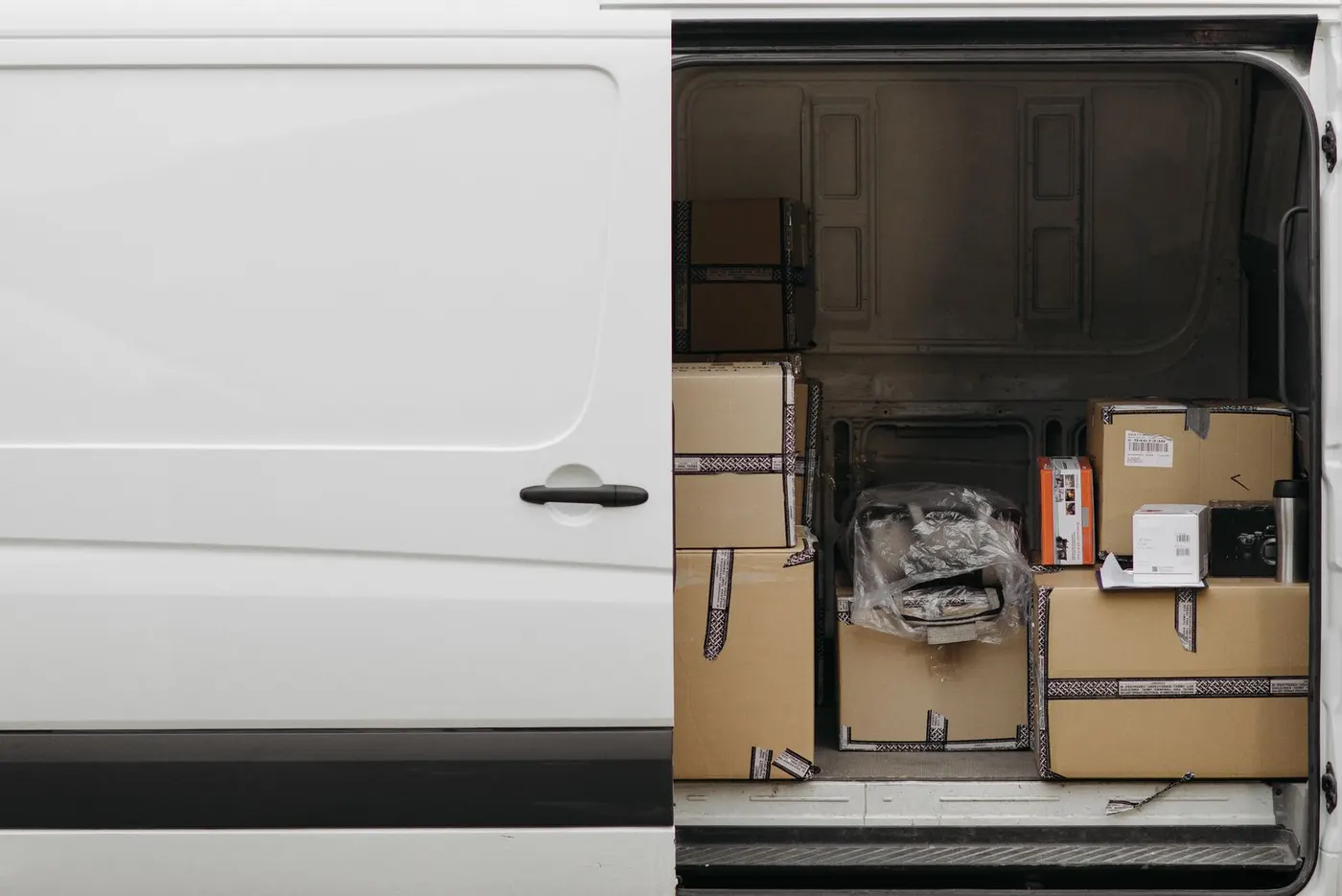
Junk removal in Dubai is usually charged by the share of the truck your items fill, so a quote comes back as a fraction of a load rather than a price per item. Fill a quarter of the vehicle and you pay for a quarter; fill it to the roof and you pay for the whole thing. This guide explains what a load means as a billing unit, why two identical-looking loads can be quoted differently, and how to picture your own before you ask for a price.
What a truck load means as a pricing unit
A load is the space your items occupy in the vehicle once they've been stacked properly by the crew. It is a measure of volume, not of item count and not of how heavy the pile feels to lift. Most operators quote in rough fractions rather than exact numbers, because that is how the space genuinely gets used. To judge which load size yours is, use how much junk fits in a removal truck or the volume estimate guide; the vehicles themselves are described in junk removal trucks in Dubai.
- A quarter load is the low end — a few pieces of furniture, or a small room's worth of clutter.
- A half load covers the middle ground, where most single-room and balcony clear-outs land.
- A three-quarter load usually means several rooms, or one room with large furniture in it.
- A full load is the vehicle packed to capacity, typical of a whole-apartment or villa job.
There is no industry-standard truck size in Dubai, so a half load only means something relative to the vehicle turning up at your door. A half load in a small pickup and a half load in a three-tonne box truck are different amounts of junk. Ask what vehicle the quote assumes if the difference matters to you.
Why the price follows the load, not the item count
The bulk of what you are paying for arrives whether you have five items or fifty: a vehicle, a crew, the drive across the city, and a disposal run at the end. Those costs scale with how full the truck gets and how long the job takes, which is why volume is the fairest unit available.
The practical effect surprises people in both directions. One old wardrobe can cost more to take away than thirty bin bags of clothes, because the wardrobe is bulkier once loaded. A stack of flat-packed boxes barely registers on the price, while a single mattress eats a visible share of the vehicle.

What changes the price of the same-sized load
Two loads of identical volume can be quoted differently, and the reasons are practical rather than arbitrary:
- Access — a ground-floor villa with a driveway loads faster than a 30th-floor unit relying on a service lift.
- Carrying distance, since a long walk from the door to where the vehicle can legally park adds real time to every trip.
- Item type, because mattresses, fridges and electronics need separate handling and separate disposal routes.
- Labour, as awkward or heavy pieces need two or three people rather than one.
- Whether the load is loose or already bagged and stacked, which changes how tightly it packs.
Weight normally only enters the conversation at the extremes. Dense material such as tiles, concrete offcuts or a load of books can hit a vehicle's legal limit long before it fills the space, and a quote may be adjusted for that. For ordinary household contents, volume is what decides the number.
How to estimate your load before you call
You don't need to be precise. You need to be close enough that the quote you're given is the price you actually pay.
- Gather everything into one place, or at least walk through and note it room by room.
- Count the large pieces first — sofas, wardrobes, beds, appliances — since these set the load size.
- Add the bagged and boxed material as a rough number of bags, not an item list.
- Photograph the pile from two angles, including anything still standing in place.
- Mention the floor, the lift situation and where a vehicle can park.
- Say if anything is unusually heavy or won't fit through a doorway intact.

Where per-load pricing works against you
Volume pricing is honest, but it isn't equally kind to every job. Very small collections are the clearest example: because a vehicle and crew still have to travel to you, a single chair rarely costs a proportional fraction of a full load, and most operators apply a minimum charge below a certain size. That is normal rather than a markup, though it is worth confirming before booking.
The other case is a job split across several visits. Each trip pays for the vehicle again, so clearing a home over three separate Saturdays costs noticeably more than clearing it in one. If your timeline allows, gathering everything for a single collection is the simplest saving available.
Getting a per-load price you can rely on
A quote is only as good as the picture it was based on. Send photos rather than descriptions, mention the awkward parts rather than hoping they go unnoticed, and ask whether the figure covers labour, transport and disposal or only some of those. An operator who asks about your floor, your lift and your parking before quoting is doing the job properly, because those are the details that decide how long the load takes to build.
The bottom line
Think in truck space rather than item counts and the pricing stops feeling opaque. Work out roughly what fraction of a vehicle your pile would fill, be honest about access, and get the estimate confirmed against photos before anyone drives over. Do that and the number quoted on the phone is the number you pay when the truck pulls away.