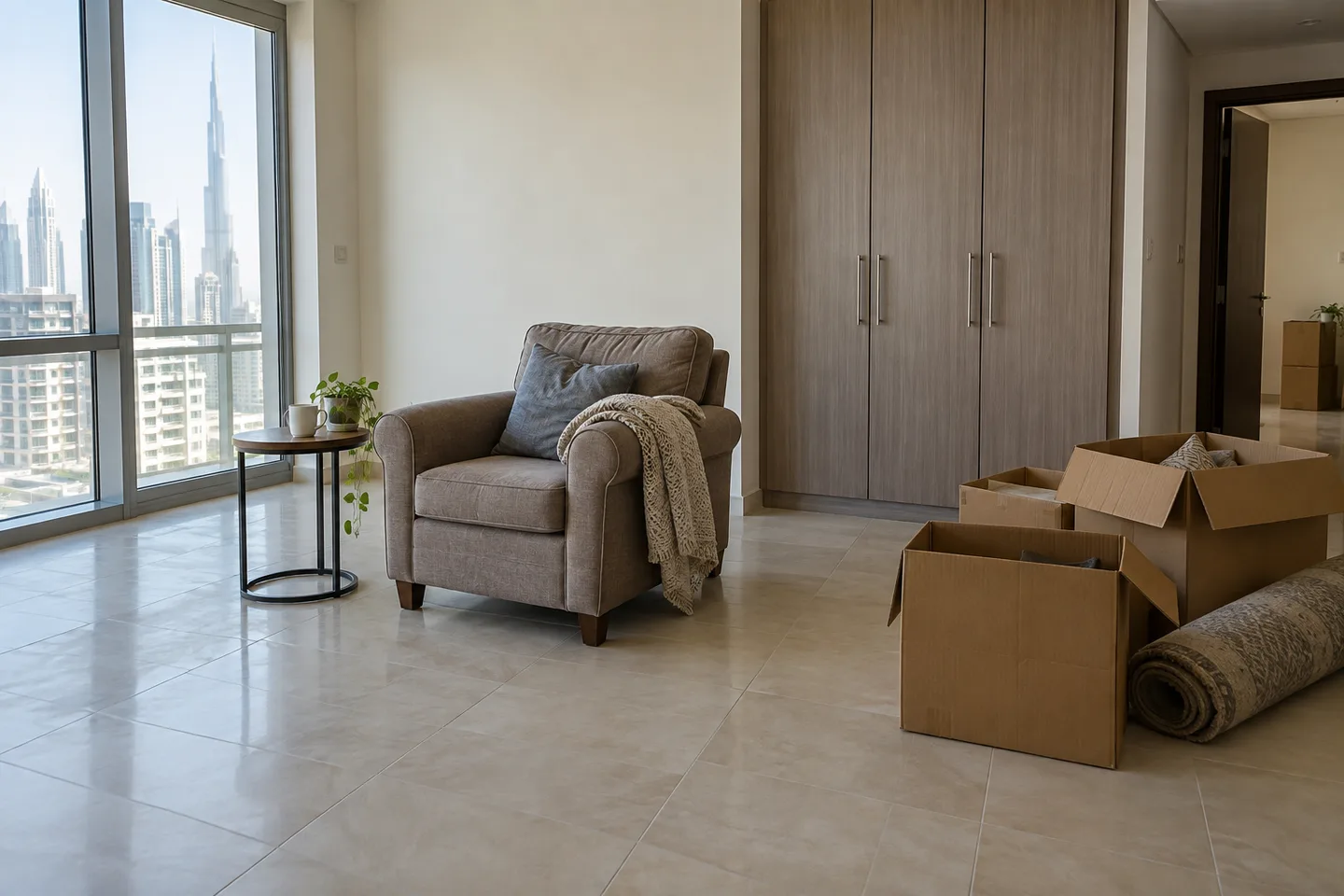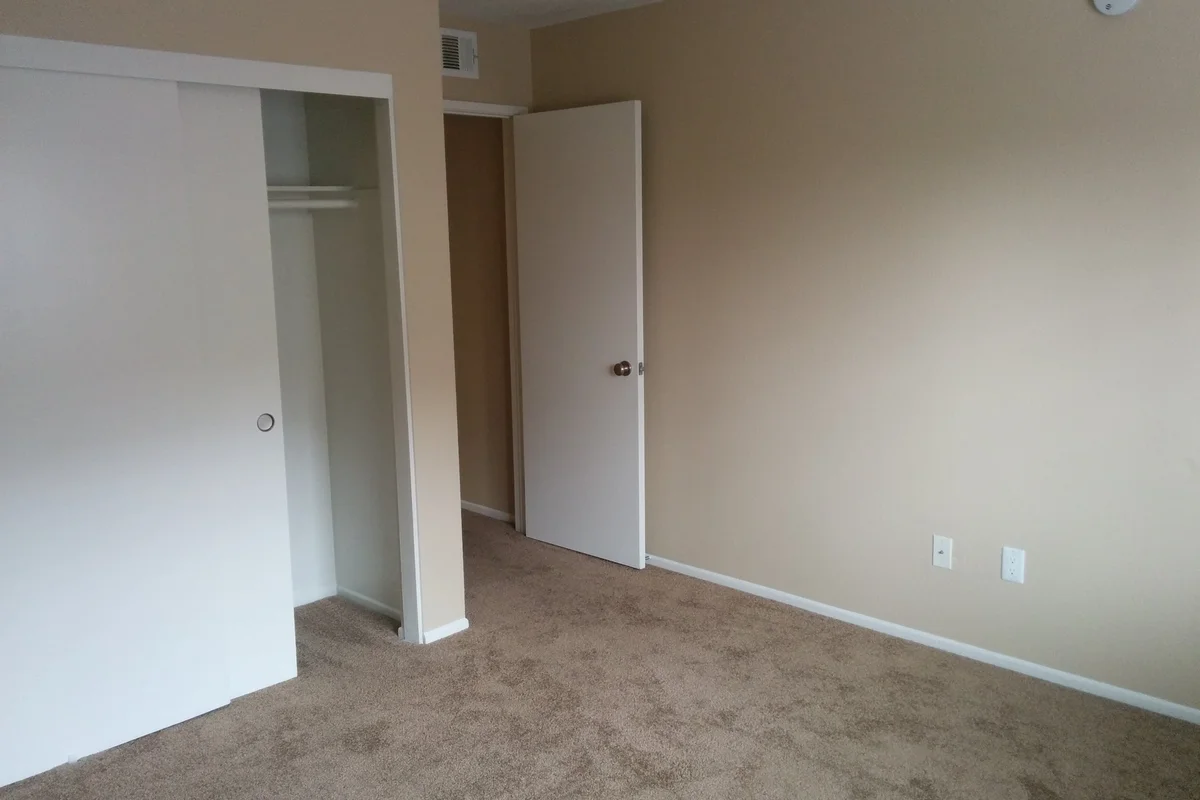
The sofa is leaving, the dining table is staying, and only one of the two bedroom sets needs replacing. Furnished apartment clearance in Dubai needs a room-by-room replacement plan when most of the home must remain ready to use. This guide covers an owner-authorised refresh across several rooms: identify the exact outgoing pieces, preserve complete retained sets and coordinate what arrives afterward.
Describe the rooms you intend to leave behind
Start with the intended furniture in each finished room, then identify the difference between that plan and what is there now. “Clear the second bedroom” is too broad if the wardrobe, curtains and bedside lamps are staying. “Remove the bed frame and mattress pictured in bedroom two” describes a collection the crew can act on.
This is a replacement job where ownership and permission are already settled. If former occupants have left belongings whose status is unclear, use the landlord clearance guide before putting them on the load. The furnished refresh should not become a way to make decisions about possessions that have not been authorised for removal.
- For each room, name the furniture that will remain at the end of the work.
- Identify outgoing items individually, including the components leaving with them.
- List expected replacements separately so a delivery list is not mistaken for a removal list.
- Record any temporary gap, such as a room awaiting its new bed, for the person taking over the apartment.
Give identical pieces a room and a photograph
Matching furniture makes an apartment coherent but makes verbal removal instructions unreliable. Two similar beds or four identical bedside tables cannot be distinguished by “the wooden one”. Use a room name, an exact position and a photograph together, especially if pieces have already been moved for cleaning.
Keep the identifiers consistent between the owner, agent and collector. If “bedroom two” means the room beside the kitchen on one list and the balcony room on another, settle that before the visit. A simple doorway photograph can establish the room more clearly than several messages describing it differently.
Mark the actual outgoing item with a removable tag where it will not damage the finish, or walk through and point out the pieces if tagging is unsuitable. The written list remains the reference. Once the crew starts moving furniture, location alone becomes a weaker identifier, so do not change the plan by swapping pieces between rooms without updating it.
Check what selective removal does to a set

Removing one worn piece can be sensible, but count what remains before approving it. A six-seat table with only three usable chairs is a different furnishing arrangement from the original set. A bed frame retained without the support parts it needs is not ready for a replacement mattress just because the frame looks intact.
Check paired bedside tables, modular sofas, dining chairs and shelving sections as groups, then specify the actual outgoing components. For a modular sofa, distinguish a separate seat from a section that connects to a retained unit. Ask for assessment where separation or dismantling is unclear rather than treating every visible section as independent.
The dining set disposal guide covers passing on or disposing of the set itself. For a furnished apartment refresh, the governing check is what the room will contain afterward. Do not remove the matching pieces simply because one part has failed unless that is the approved replacement plan.
Separate outgoing furniture from new deliveries
Keep the removal list and delivery list visibly separate. Newly delivered cartons can look like clearance packaging, and an unwrapped replacement chair can look identical to the old chair beside it. Store incoming goods outside the agreed removal group and tell the crew if new furniture is already in the apartment.
Where possible, let the outgoing pieces leave before replacements enter the same rooms. Confirm the delivery sequence with the supplier rather than assuming a broad delivery window will fit after collection. If the new items arrive first, arrange where they can remain without blocking the outgoing carry route or being mistaken for part of the load.
In a Dubai Marina apartment, discuss both movements when arranging building access. Clearance and delivery may need separate lift arrangements, and one booking should not be assumed to cover the other. Confirm the building’s actual instructions before agreeing overlapping arrival windows.
Quote for the pieces leaving and the furniture around them
Send wide room views as well as close photographs of the outgoing items. Selective clearance may involve a modest load surrounded by furniture that must remain protected and in place. The collector needs to see that working space, not just a cropped image of the old sofa.
- Give the count and location of each outgoing piece, including loose cushions, bed parts or chair sets.
- Show any retained furniture restricting the route to the door.
- State whether packing, dismantling or temporary movement is being requested, and ask what is included.
- Identify replacement goods already on site and the room where they will wait.
- Confirm who can answer an item-level question while loading is underway.
Keep connected appliances and fitted units out of a general furniture instruction. If one is also being replaced, give it a separate preparation and removal scope. A room refresh does not establish that a connected unit is ready for collection, and the clearance visit should not depend on that assumption.
Finish with an inventory that matches the apartment
After collection, compare each room with the intended result before checking off the job. Record missing replacements as pending rather than marking the room complete. Photographs should show the retained furniture and the cleared positions so the next person can understand what has changed.
Update the furnishing inventory after the replacement delivery and any assembly have been completed. Retire descriptions of outgoing pieces and record the new items in their actual rooms. This prevents the old inventory from becoming the instruction sheet for the next clearance.
A furnished apartment refresh succeeds when the selected pieces leave and every room still has an accurate, usable furnishing plan. Naming the outgoing items is only half the job. Checking the complete rooms afterward keeps selective removal from turning into accidental emptying.