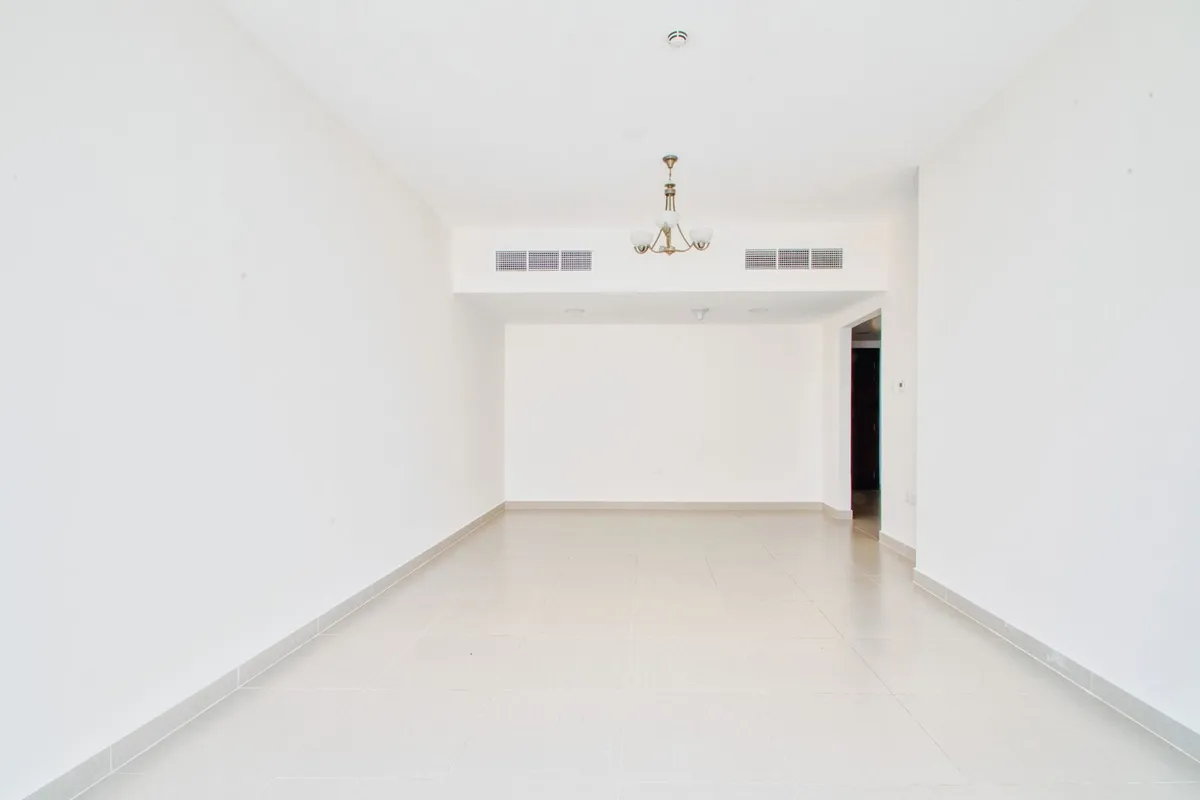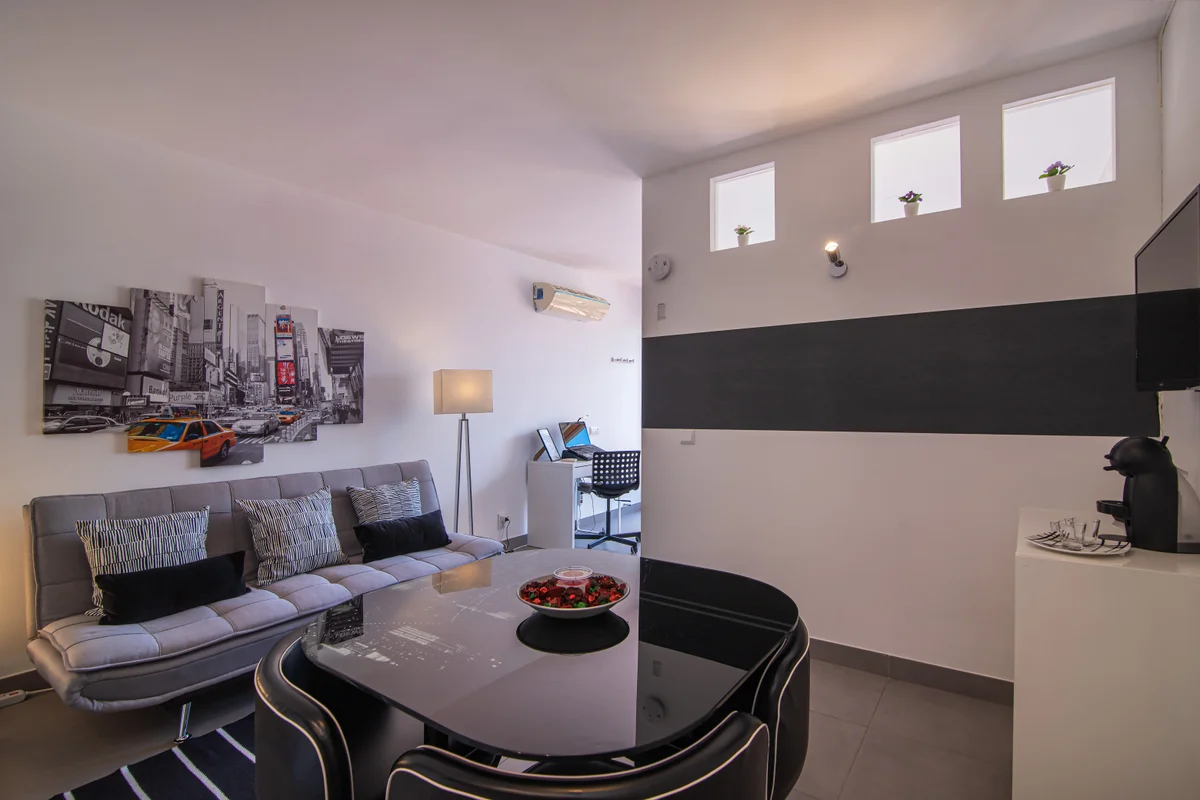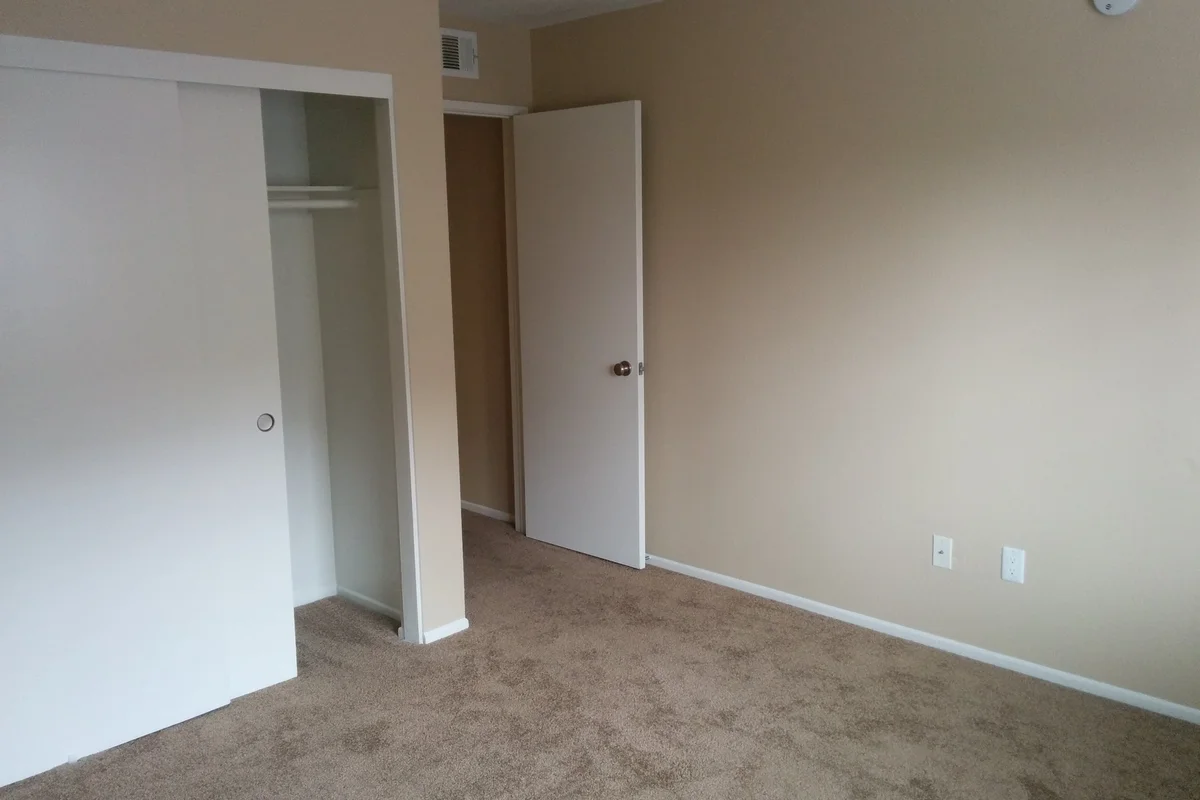
The tenant has left, but the apartment has not been emptied: a wardrobe remains in the bedroom, bags sit by the kitchen and nobody has explained what is inside them. Landlord house clearance in Dubai starts with an agreed removal list, not an instruction to take everything. This guide covers one vacated rental home, including the belongings that need a decision and the fittings that should remain for the next tenant.
Settle what you can instruct before booking removal
Only put items on the collection list once you have established that you can authorise their removal. A tenant’s absence, returned keys or an unanswered message should not be used as a shortcut for deciding the status of their possessions. Where that status is uncertain, resolve it with the tenant or your property adviser; seek legal advice if there is a dispute.
The crew can estimate the physical job from photographs while those questions are being resolved. It cannot decide whether an item has been abandoned or whether you are entitled to dispose of it. Keep an uncertain room or group of belongings outside the loading scope rather than presenting a cleared date as permission to empty it.
This is a clearance planning guide, not a notice period or tenancy procedure. There is no suggested number of days after which the contents become rubbish. The practical task here begins once the landlord can give a clear instruction about the specific items.
Record the unit before moving its contents
Take a room-by-room set of photographs before furniture is shifted. Include the larger objects, the contents of visible storage areas and the condition of nearby walls and floors. Keep personal information out of the photographs shared for quoting; the collector needs to see the load, not the former occupant’s paperwork.
- Record items approved for removal with a plain description and location, such as the freestanding desk in the second bedroom.
- Record items that stay, including landlord-owned appliances, spare shelves and other loose components belonging to the property.
- Mark unresolved belongings as on hold, with a named person responsible for the decision.
- Note which cupboards or rooms have not been checked so an unseen space is not assumed empty.
A photograph of a closed carton does not establish its contents. Have the appropriate person check bags, drawers and boxes before they join a general clearance load. If papers, keys or valuables turn up during the job, the crew should pause on those items and refer back to the instructing person.
Identify what stays with the property
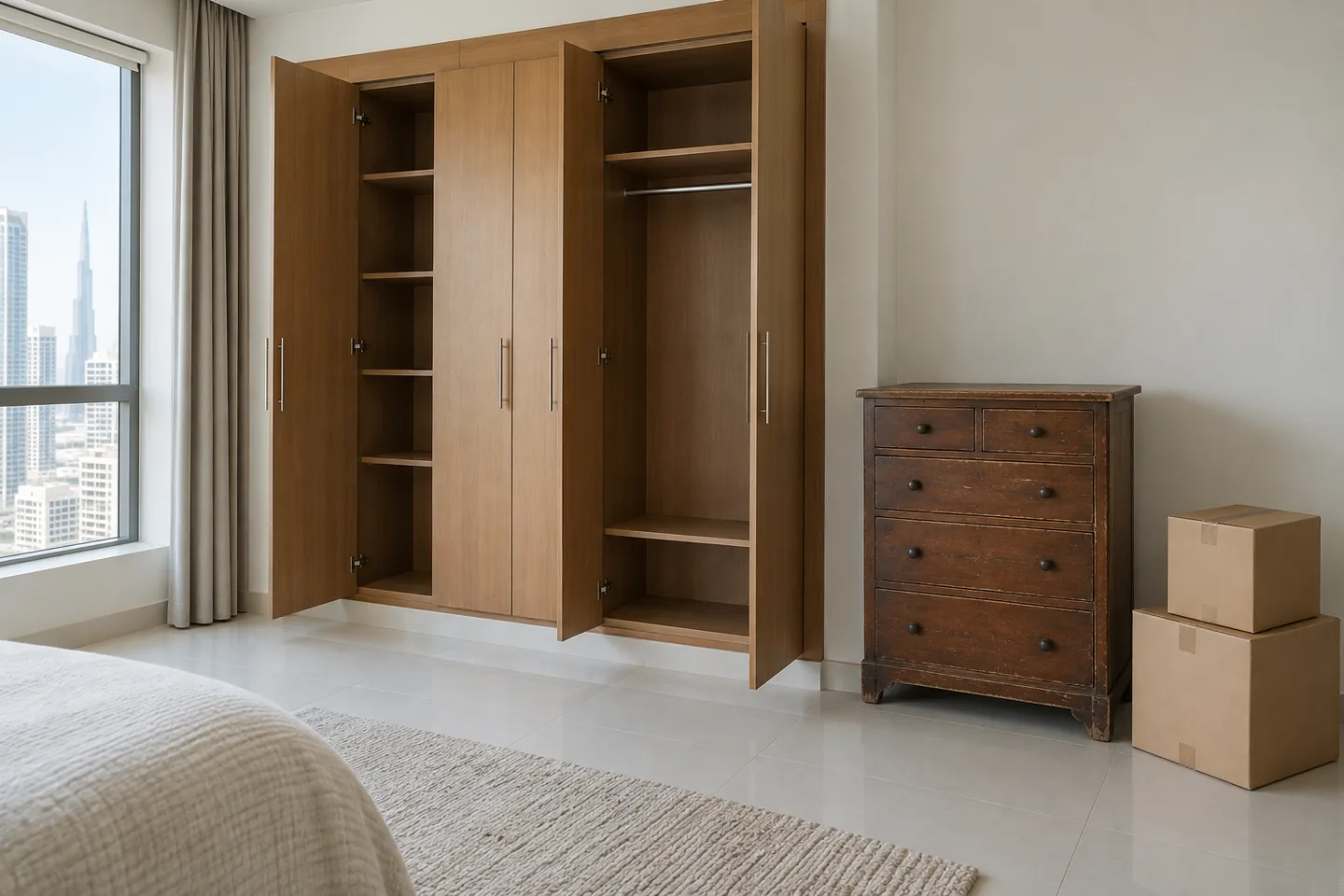
A rental home can contain several kinds of furniture even when everything looks equally old. The fitted wardrobe may belong to the apartment, the freestanding chest may be approved for disposal and the bedside table may still be awaiting a decision. Name the objects instead of telling the crew to clear the bedroom.
Check loose accessories as well as large fixtures. Appliance shelves, air-conditioning remotes, cupboard keys and detachable wardrobe rails are easy to lose among unwanted household items. Keep them in an identified place that is excluded from collection so the next occupant receives a usable property, not just an empty one.
If a retained appliance blocks an approved item, tell the crew before the visit. Temporary movement, removal and disconnection are different tasks. Anything fixed to the building or connected to utilities needs its own agreed scope and suitable preparation rather than being added casually during loading.
Give the collector a brief for this unit
Ask for the quote against the approved list and make the hold list visible in the same brief. A whole-home photo tour helps reveal the volume, but the list controls what actually leaves. State whether the property is furnished for the next tenancy and whether any rooms must remain untouched.
- Supply the apartment or villa location, floor, and a contact who can make item-level decisions during collection.
- Describe large furniture, appliances and bagged contents separately, with photographs of awkward or damaged pieces.
- Mention items in the balcony, utility cupboard, external store or other space outside the main rooms.
- Confirm the carry route, parking position and any building access arrangements that must be booked.
- Ask what the price covers and how a change in the approved list would affect the quote.
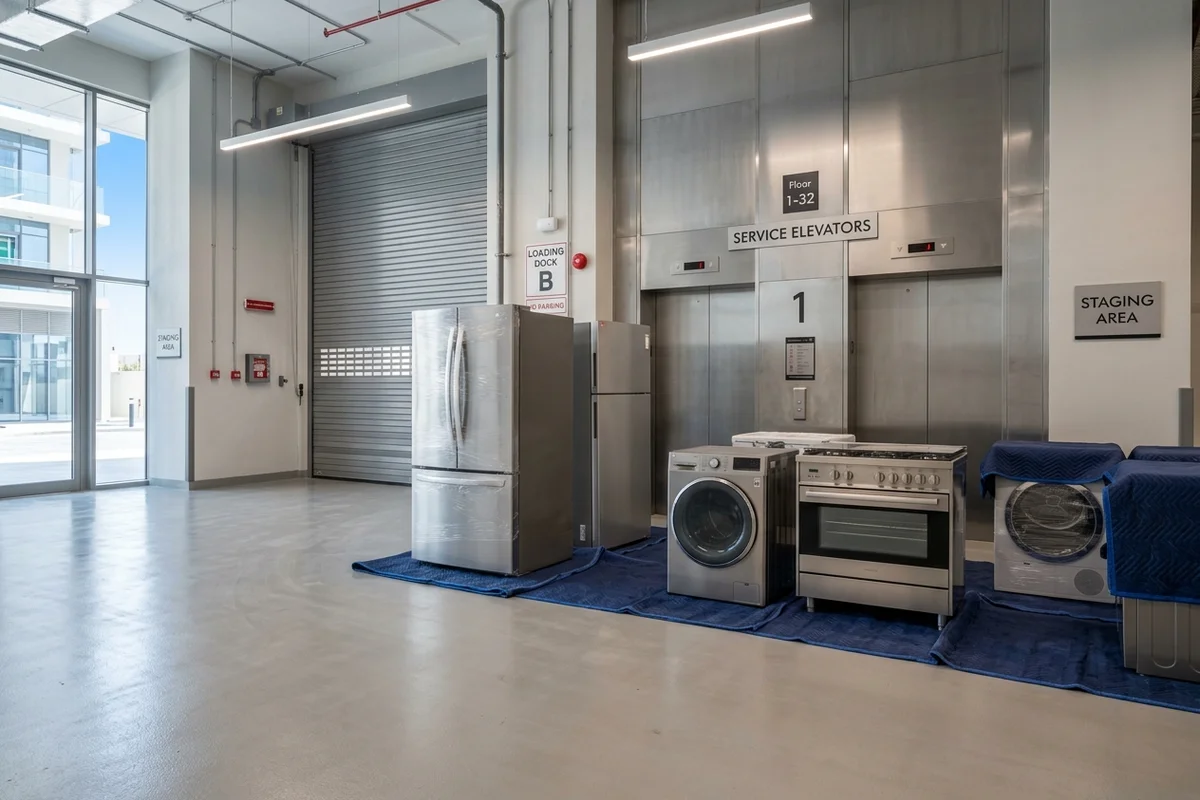
In a Business Bay tower, coordinate the service-lift arrangement with management before fixing the collection window. For a villa, describe where the load sits relative to the driveway: an upstairs room and a ground-floor garage are not the same carry. Do not move a disputed or unapproved pile into a communal corridor to make the unit look ready.
Keep one person in charge of changes
Nominate one person to confirm the scope with the crew, especially if the landlord, letting agent and maintenance contact are all involved. Walk through the remove, retain and hold groups before loading starts. If a new instruction arrives, update the list rather than letting different people direct different workers.
Take completion photographs from the same positions as the initial set and check retained items before the vehicle leaves. Record anything approved but not collected and why, such as an inaccessible item or an appliance awaiting preparation. An exception written down at handover is easier to resolve than a later disagreement about what “clear the flat” meant.
Arrange the subsequent cleaning and maintenance against that recorded result. The clearance invoice records the service supplied; questions about who ultimately pays or whether a charge can be recovered from a tenant belong to a separate agreement or dispute process. Keeping those questions separate lets the physical clearance be described accurately.
Finish with a unit whose contents are accounted for
The useful outcome is not simply less furniture. It is a property where the approved surplus has gone, the next tenancy’s equipment remains and every unresolved item has an owner for the next decision. Set that scope before the visit and a one-off landlord clearance becomes a manageable job rather than a hurried judgement about someone else’s belongings.