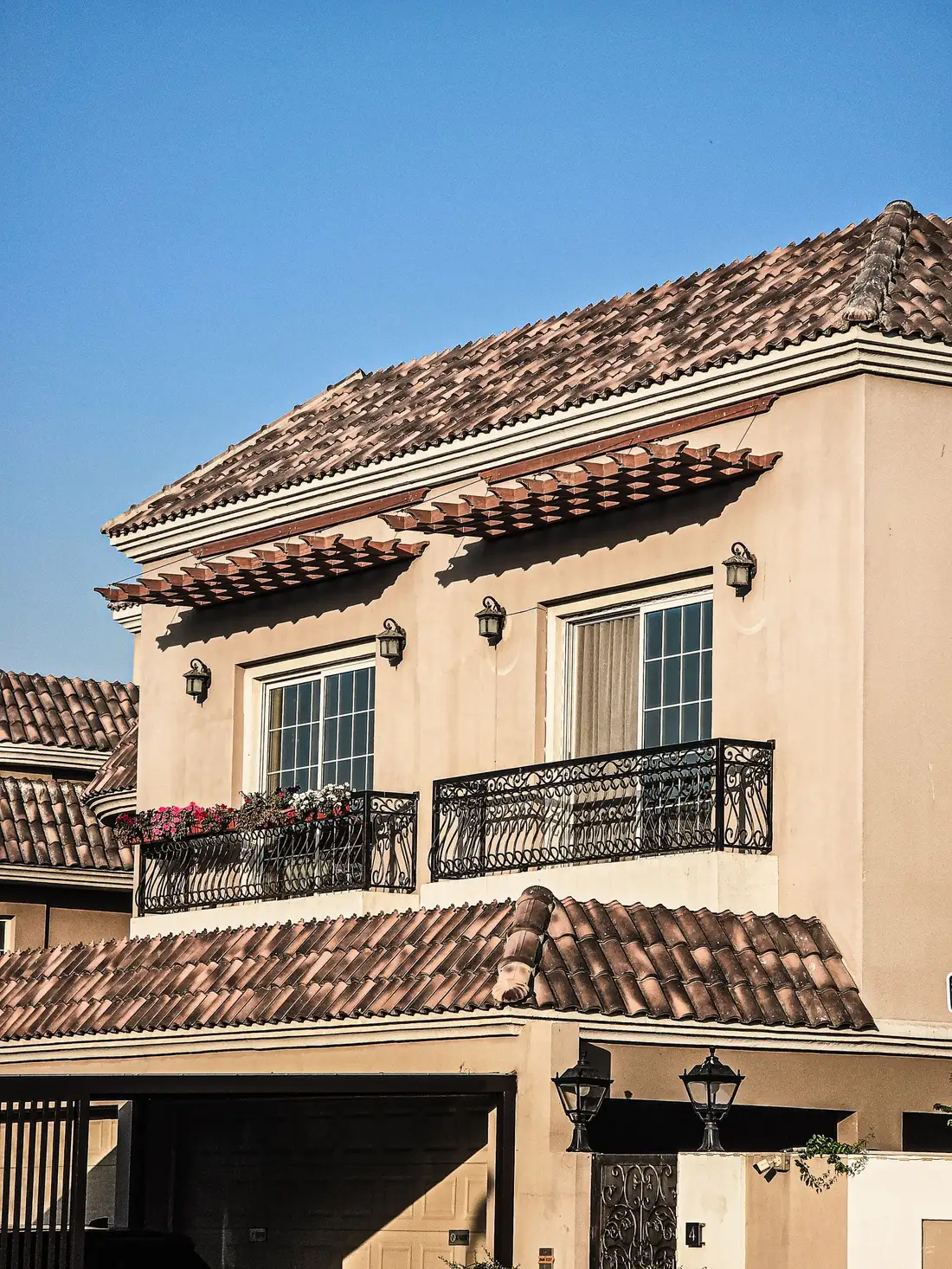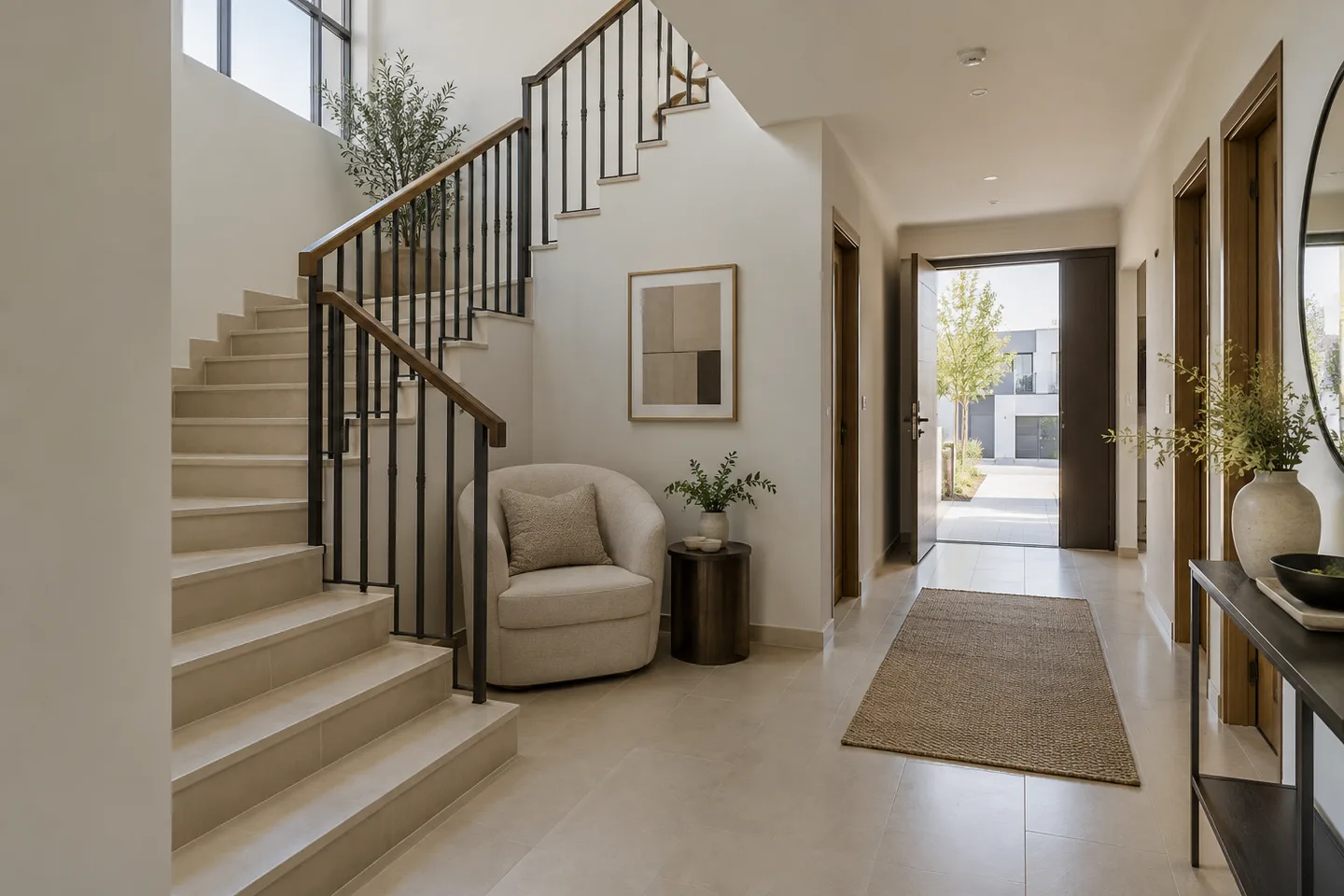
An upstairs wardrobe, a narrow front path and a truck parked beyond the carport can turn a townhouse clear-out into several separate carries. For townhouse clearance in Dubai, plan the entire route from each room to the loading point before estimating the job. The useful question is not just how much furniture is leaving, but how it will pass through the house and reach the vehicle.
Trace the route beyond the front door
A townhouse may have its own entrance without having direct truck access. A covered parking space, short driveway or landscaped frontage can leave the loading position some distance from the door. Photograph that last section as carefully as the rooms, including the gate opening and any steps between the entrance and the road.
The villa junk removal guide covers the wider property scope. This guide deals with the narrower route problem: several floors feeding one staircase, then one doorway feeding a path where two people carrying furniture may have little room to turn. Do not describe access simply as “ground-floor collection” because the vehicle stays at ground level.
- Record the floor where each large item starts, including any roof-level room or terrace.
- Show the stair turn, lower landing and entrance doorway in one continuous video.
- Continue outside to the proposed loading position, showing gates, kerbs and covered parking.
- State whether that position has been agreed or is only a suggestion awaiting confirmation.
Let the stair turn decide the upstairs plan
The tightest turn can matter more than the width of a straight flight. A long headboard may pass through a bedroom door but meet the wall above a half-landing; a deep armchair may need room to rotate at the bottom. Send the collector the item dimensions and clear photographs of these points so the handling plan can be assessed before arrival.
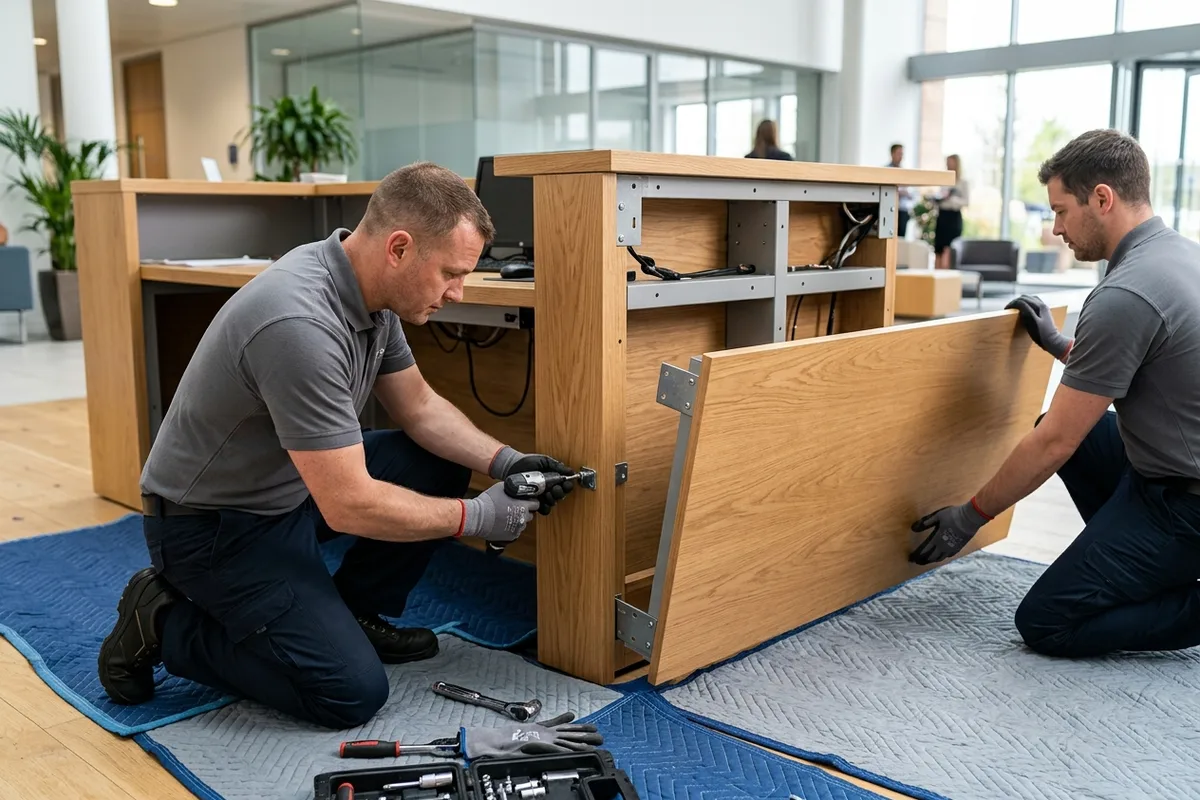
Leave large pieces in their rooms until the crew has agreed the route. Bringing an unwanted wardrobe down to the landing yourself can remove the very space needed to turn another item. If furniture needs dismantling, establish which pieces are included and whether the separated panels still fit the stairs; taking a wardrobe apart does not shorten its longest panel.
Do not make balcony lowering or removal through an upstairs window the default backup plan. If an item cannot use the internal route, stop and arrange a separate assessment. The ordinary clearance brief should describe the usable route, not rely on an improvised workaround once the crew is inside.
Keep the front path working as a route
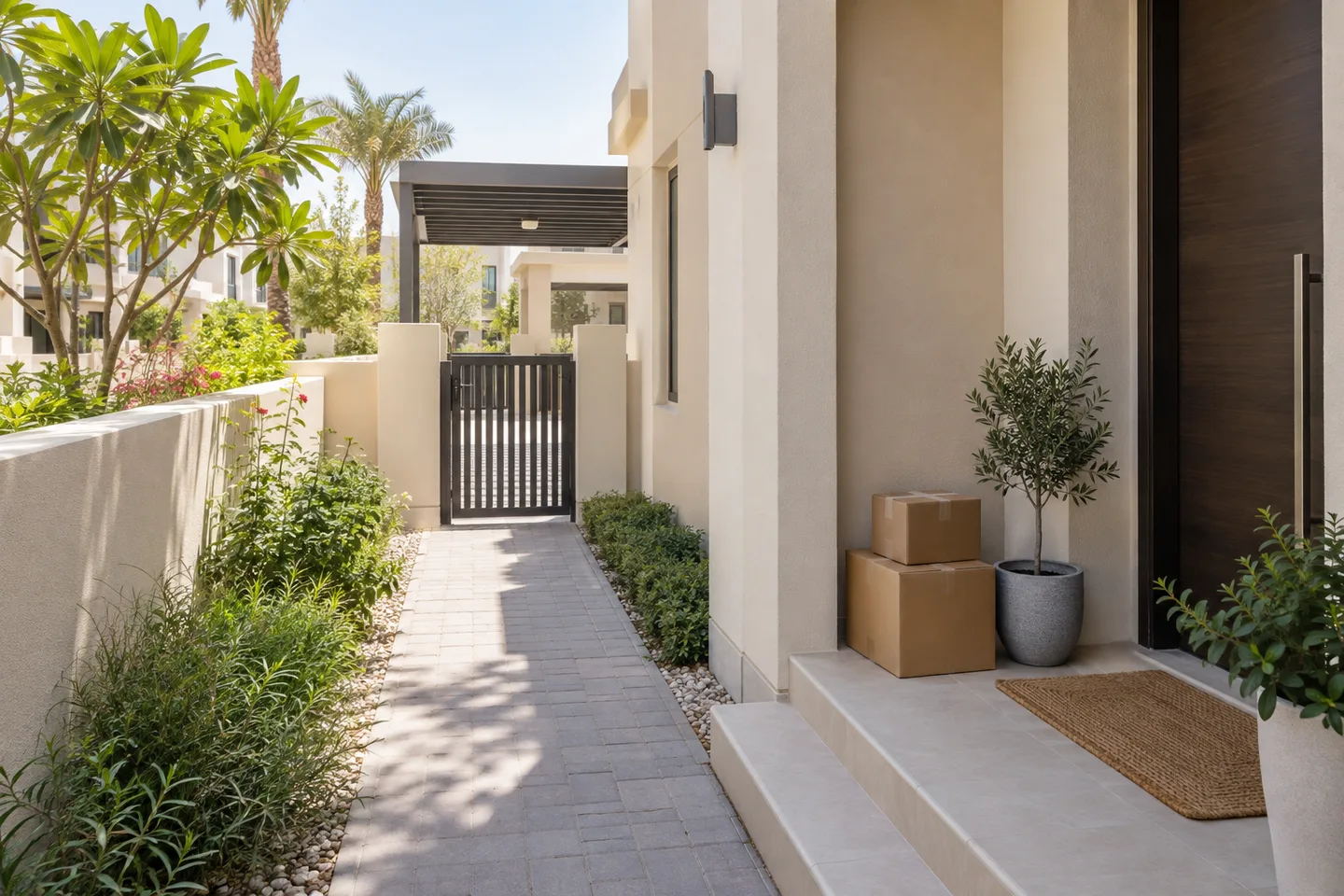
Use only the private space that can hold items without obstructing the exit or the crew. Filling a small porch with boxes before a sofa comes through creates a second handling job. A side passage is useful only if it stays wide enough for the actual load; its presence on the floor plan does not make it a staging area.
Agree whether small batches will move straight to the truck or pause in a designated private spot. Keep the path, neighbouring entrances and shared pavement clear. In a row of homes, space in front of another property is not an extension of your collection area, even if it happens to be empty that morning.
Check the garden route separately
Rear access can change the whole job. If garden contents must pass through the kitchen or living room, show those thresholds and the retained furniture along the way. If a rear gate exists, confirm where it leads and whether a collection vehicle may use that access; a pedestrian path behind the houses is not automatically a loading route.
For a townhouse in Arabian Ranches, include the exact home location and intended approach in the access discussion rather than relying on the community name alone. Ask the relevant management contact about the proposed vehicle position and visiting arrangements. Those details depend on the property and should be confirmed for this collection.
Describe garden items separately from indoor furniture, especially if the carry routes differ. The quote should not assume everything is already at the front door. A rear bench carried through the house and the same bench beside an accessible gate require different handling, even though they occupy the same space on the truck.
Agree a sequence that keeps one exit usable
The collection order should preserve the space needed for the next item. There is no universal upstairs-first rule: a downstairs cabinet may have to leave before anything can turn off the staircase. Walk the route with the crew and agree which obstruction comes out first, then work through manageable groups.
- Confirm the loading position and the clear path between the vehicle and the entrance.
- Identify any downstairs furniture that restricts the foot of the stairs.
- Agree the preparation and order for the large upstairs pieces.
- Feed smaller loads through without filling the landing or porch.
- Check rear spaces and upper rooms before the final collection walk.
If replacement furniture is arriving too, avoid having the outgoing and incoming loads meet at the only entrance. Arrange a confirmed handover between the two visits, with enough flexibility for the clearance route to remain clear. A parked delivery vehicle can obstruct collection even before its furniture enters the house.
Give the quote both a load and a route
Send the room list and route video together. Identify stairs, dismantling, rear access and the distance to the proposed loading point as separate facts, so the collector can state what the estimate includes. The house clearance quotation guide explains the wider scope discussion; here, the key is to make every stage of the carry visible.
A townhouse clearance is ready when the upstairs items have an assessed route, the entrance can keep working and the vehicle has an agreed place to load. Settle those connections before moving anything into a pile. The house can then empty without its smallest spaces becoming the obstacle.