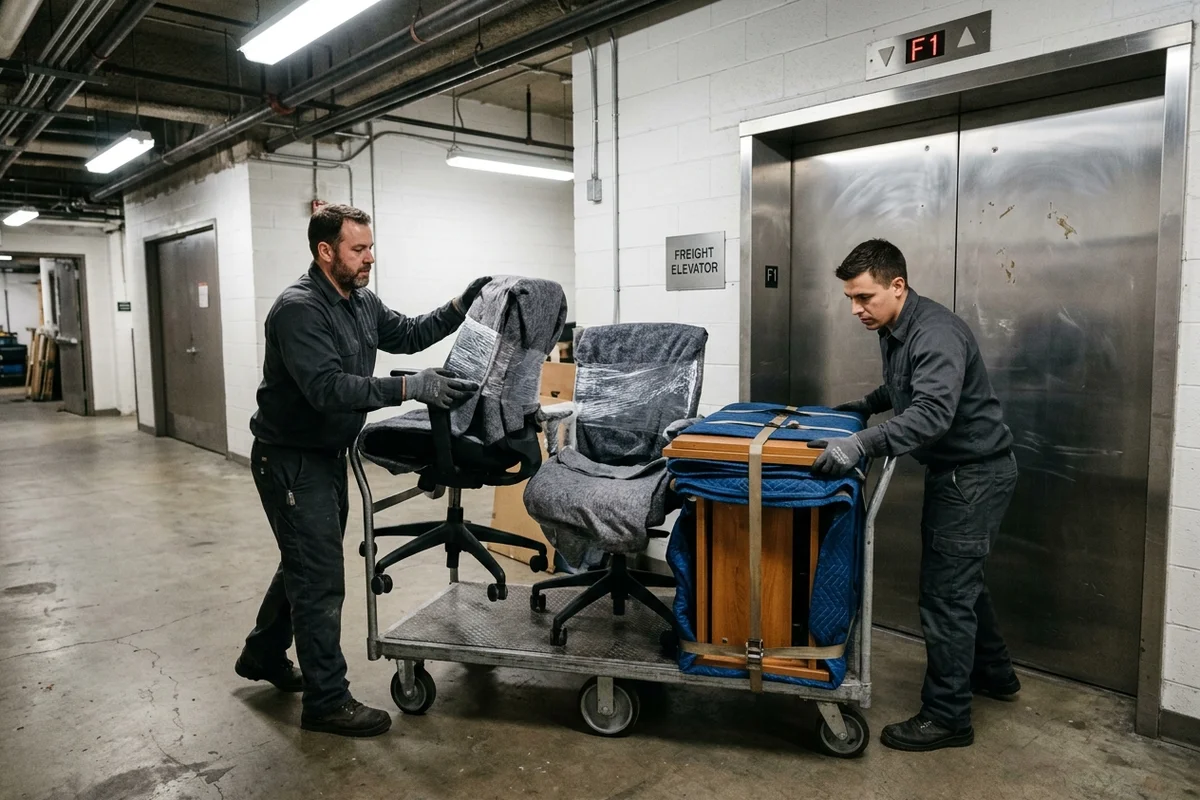
A co-working space holds more people's property than any other kind of office. The operator owns the shared desks and chairs, the landlord may own the fitted kitchen and meeting rooms, and members leave their own monitors, files and lockers full of personal items. Furniture removal in Dubai for a co-working space starts by separating those three groups. This guide covers how to do that, how to handle members, and how to clear a floor while other parts of the space stay open.
Why is a co-working clearance different from an office clearance?
A co-working clearance is different because the people using the furniture are not the people who own it. In a normal office, one company owns or leases everything and can release it with one signature. In a co-working space, members come and go on short agreements, and the operator has to clear their property without them being present.
The furniture also behaves differently. Shared spaces use large numbers of identical hot desks, task chairs and lounge pieces, plus items that a standard office rarely has, such as phone booths, focus pods and banks of member lockers. For a smaller single-company suite, the guide to office clearance for small businesses is the better starting point.
Separate operator, landlord and member property
- Operator property: hot desks, dedicated desks, task chairs, lounge sofas, meeting tables, phone booths, lockers and community kitchen equipment bought for the space.
- Landlord or building property: fitted kitchens, glazed meeting rooms, built-in reception joinery and anything listed in the lease as part of the premises.
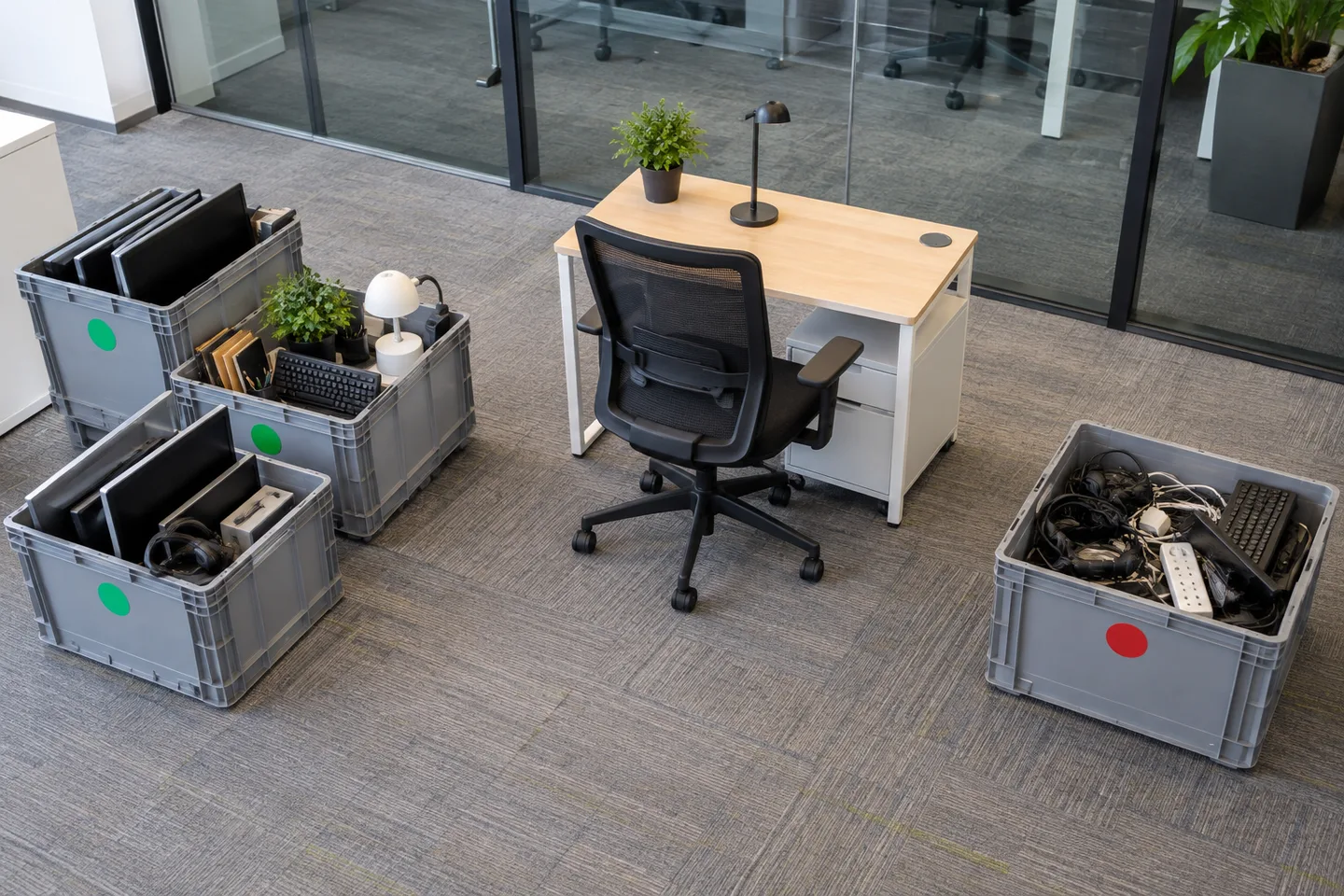
- Member property: monitors, docking stations, chairs or plants members brought in, files left in lockers or pedestals, and anything stored in a private office.
- Supplier property: leased coffee machines, printers, water dispensers and furniture on rental, which go back to the supplier.
Where a space is run under a management agreement, the furniture may belong to the building owner even though the operator chose and paid for it. Ask whoever instructs the clearance to confirm in writing that they can release every item on the list.
Give members a clear cut-off date
Members need a firm date by which they must remove their own belongings, given in writing well before the clearance. After that date, the operator follows its membership terms for anything left behind. The crew should never be the ones deciding whether a monitor on a desk is a member's or the operator's.

- Notify members of the closing or contraction date and the last day to collect belongings.
- Ask members to empty lockers and return keys or access cards by that date.
- After the cut-off, the operator's staff open remaining lockers, record what is inside and store it under the membership terms.
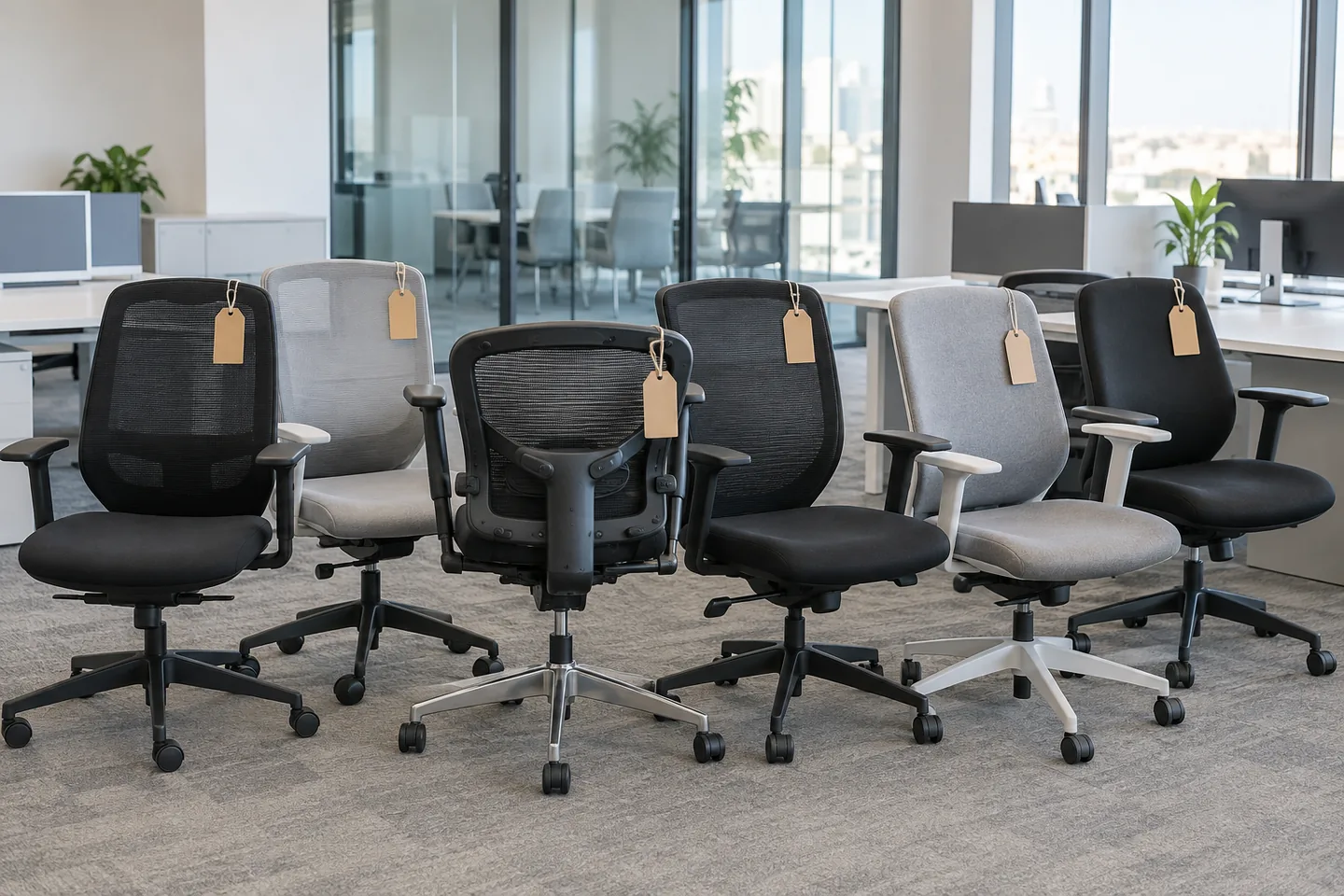
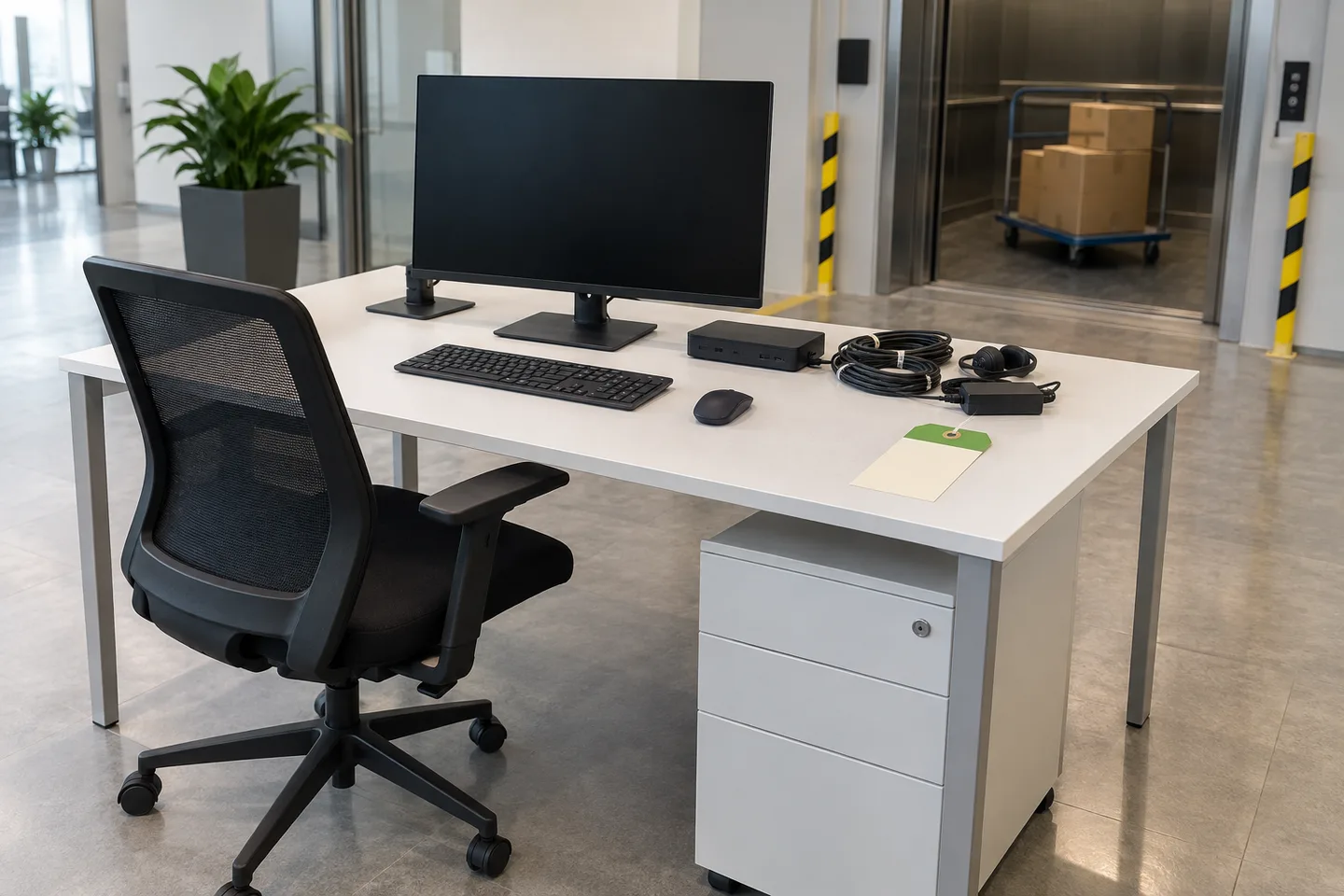
- Tag every operator item that is leaving, and leave untagged items in place.
Member items found after the cut-off are not part of the collection. Keep them in a locked room or with the operator's team, away from the furniture being cleared.
Phone booths, pods and locker banks
Acoustic phone booths and focus pods are the heaviest single items in most co-working spaces. They are built from heavy panels with glass doors, and many have built-in lighting, power sockets and a ventilation fan. Each one has to be disconnected from power and taken apart panel by panel before it can travel.
- Check whether the booth supplier offers take-back or relocation, since some booths are designed to be rebuilt elsewhere.
- Have an electrician disconnect any booth wired into the building's power rather than plugged in.
- Keep each booth's panels, glass door and fixings together if it is going to reuse.
- Empty locker banks fully, and check whether they are bolted to the wall or to each other before booking.
The shared kitchen and coffee point follow their own steps, from emptying fridges to disconnecting plumbed machines, which are covered in the guide to office kitchen and pantry clearance.
Clearing one floor while the rest stays open
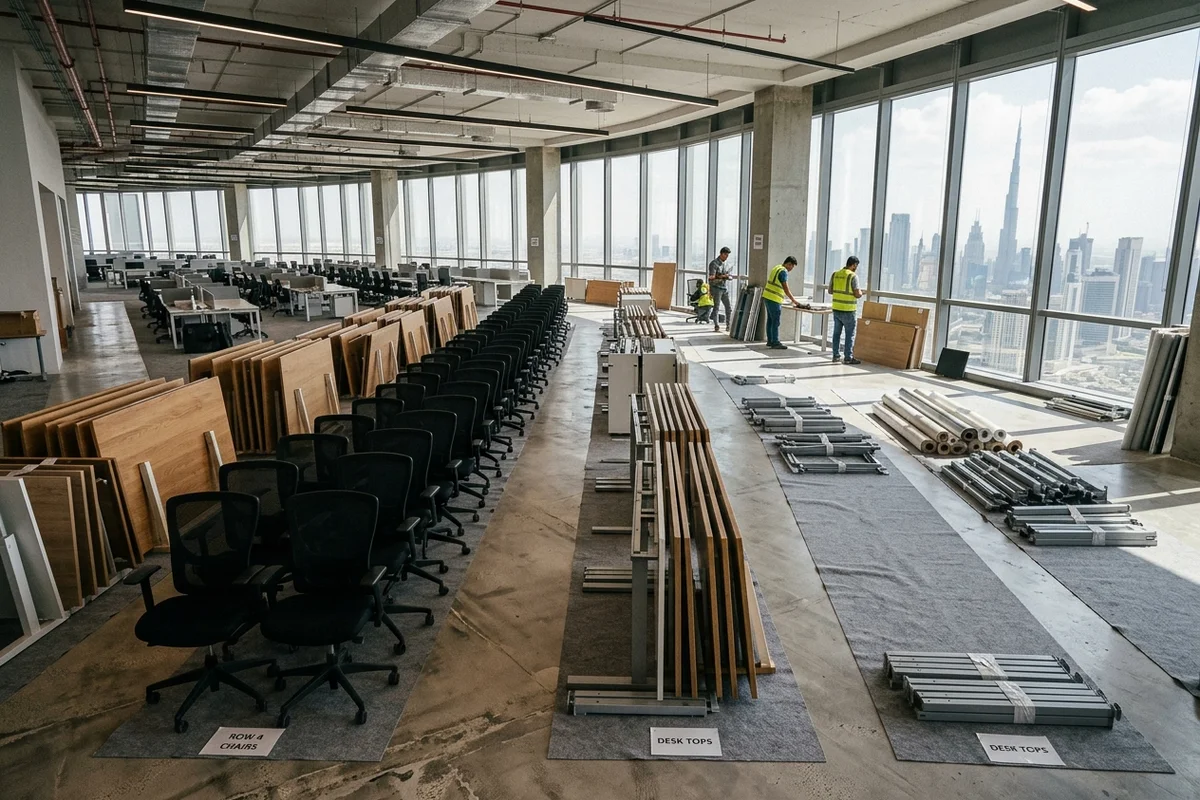
Many operators shrink a space rather than close it, handing one floor back while members keep working on another. In that case, close the floor being cleared to members, and move furniture only through the goods lift and service corridors. Evening and weekend sessions, described in the guide to out of hours office clearance, keep noise and trolleys away from members who are on calls.
Spaces in towers in JLT and Business Bay usually share one goods lift with other tenants, so book it for every session in the plan. If furniture from the closing floor is moving to the floor that stays open, move it first, before the disposal collection, so nothing useful leaves by mistake.
What to send for a co-working clearance quote
- A count of hot desks, dedicated desks, chairs, lounge pieces and meeting tables leaving.
- The number and type of phone booths and pods, and whether they are wired in.
- Locker banks, and confirmation that they will be empty.
- The member cut-off date and the clearance date.
- Floors involved, goods-lift booking rules and any sessions that must run after hours.
If the operator is selling furniture before the clearance, the guide to office furniture liquidation explains how to set a sale cut-off so the residual collection can be booked in advance.
A co-working clearance succeeds when ownership is settled before the first trolley rolls. Once members have had their cut-off, landlord items are marked to stay and every operator piece carries a tag, the job itself is a matter of moving many similar items through one lift.