Restaurant equipment removal is mostly preparation. A commercial range, fryer or reach-in fridge is heavy, but the real work is making it safe and clean to move: gas and power disconnected, oil drained, refrigeration emptied and the route out of the kitchen confirmed. This guide covers what appliance removal in Dubai needs from a restaurant before the crew arrives, whether the kitchen is being upgraded or the restaurant is closing.
Which restaurant equipment can a removal crew take?
A removal crew can take freestanding equipment once it has been disconnected and made safe, along with front-of-house furniture in the same visit. Anything still connected to gas, a fixed electrical supply, water, drainage or the extraction system must first be disconnected by a qualified contractor.
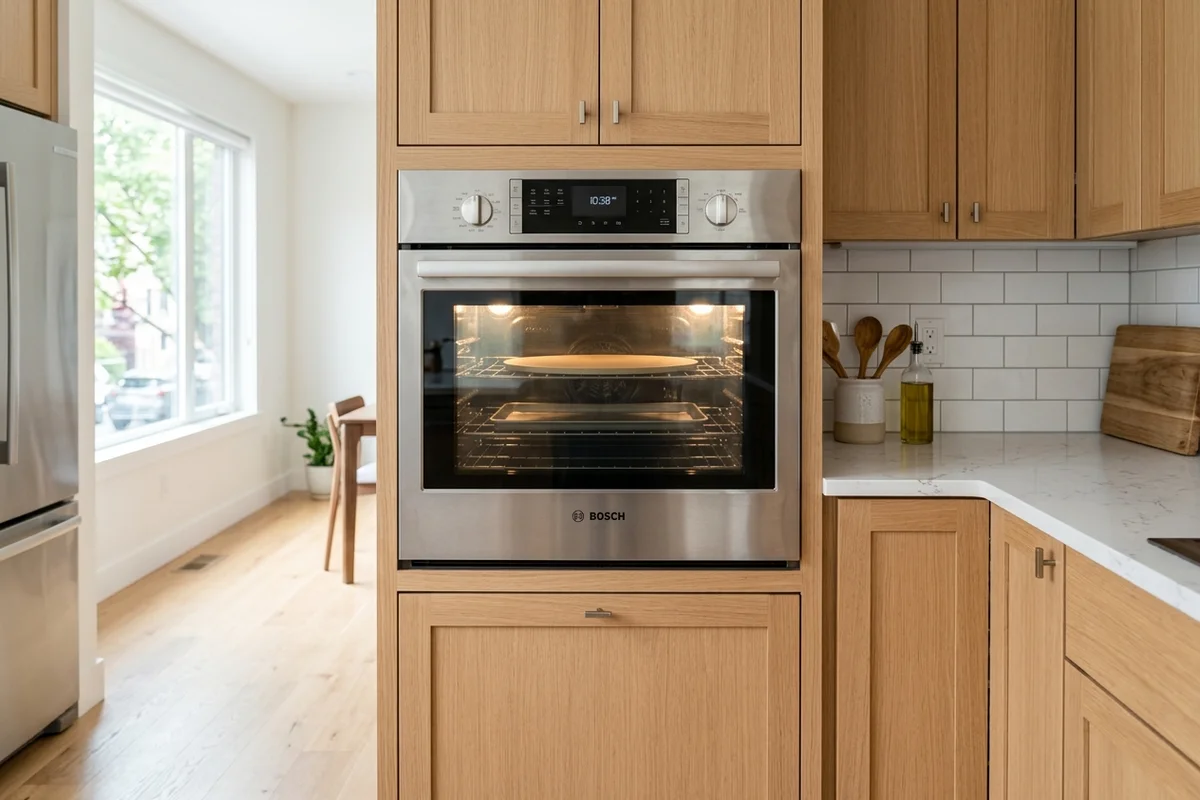
- Cooking equipment: ranges, ovens, griddles, fryers, salamanders and combi ovens, after disconnection.
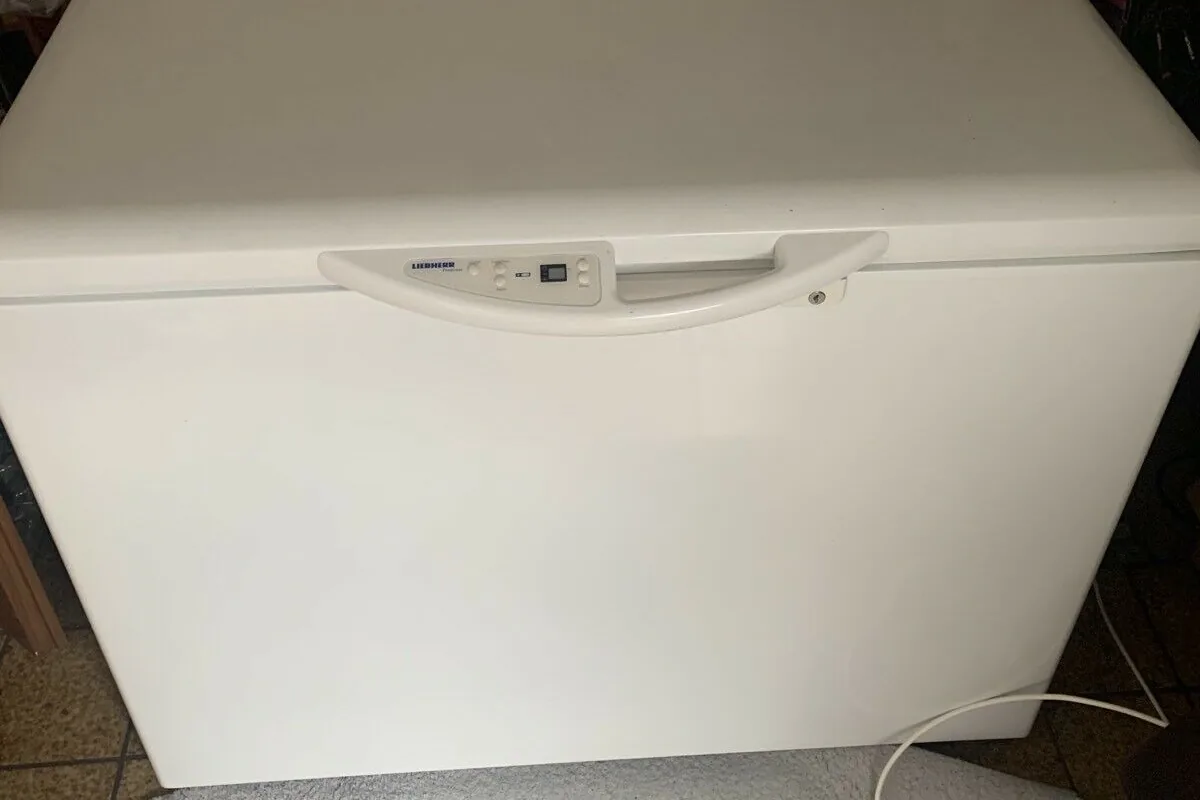
- Refrigeration: reach-in and under-counter fridges, chest freezers, display chillers and ice machines.
- Preparation and washing: stainless steel tables, shelving, sinks on legs and freestanding dishwashers.
- Small equipment: mixers, slicers, blenders, microwaves and hot-holding units.
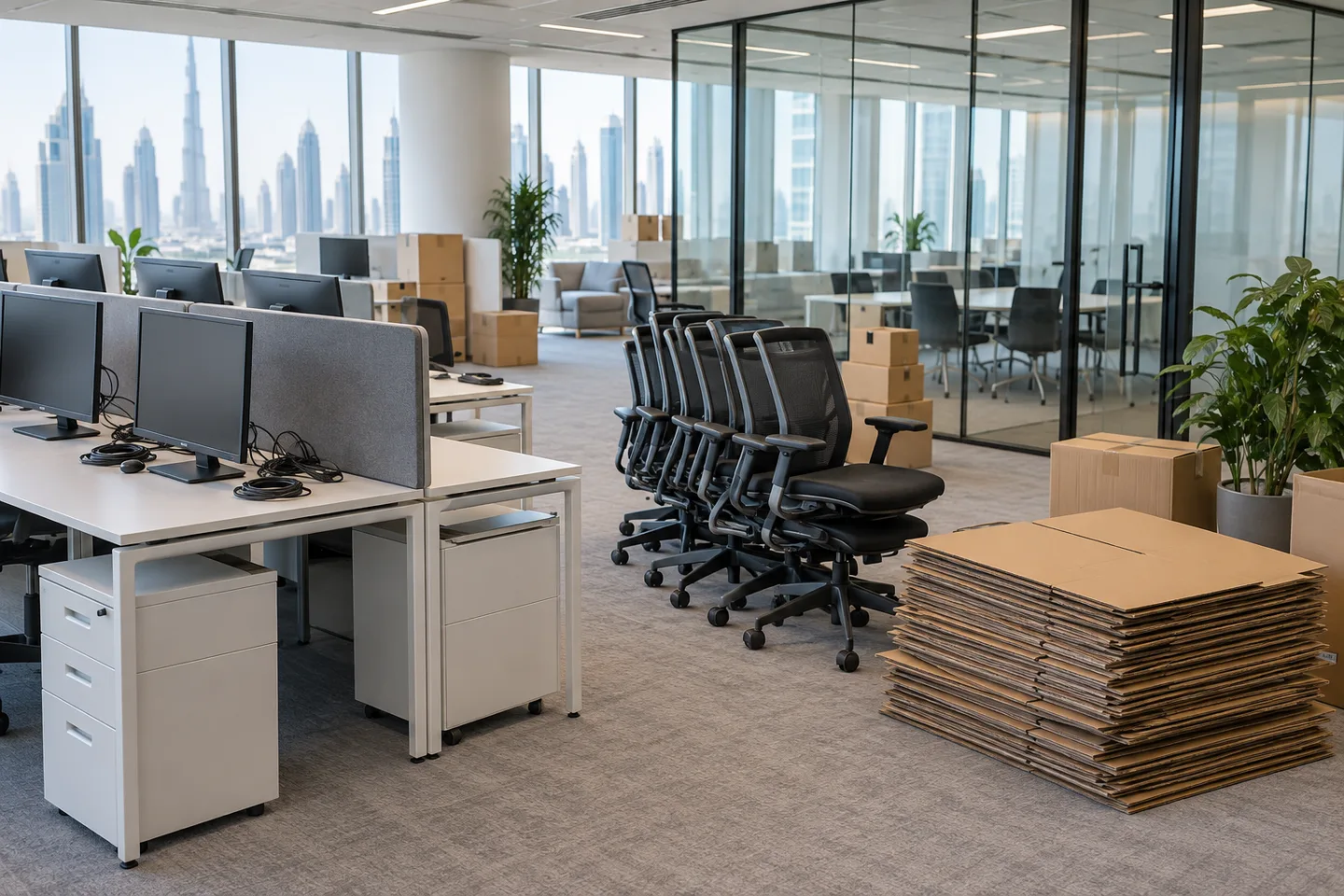
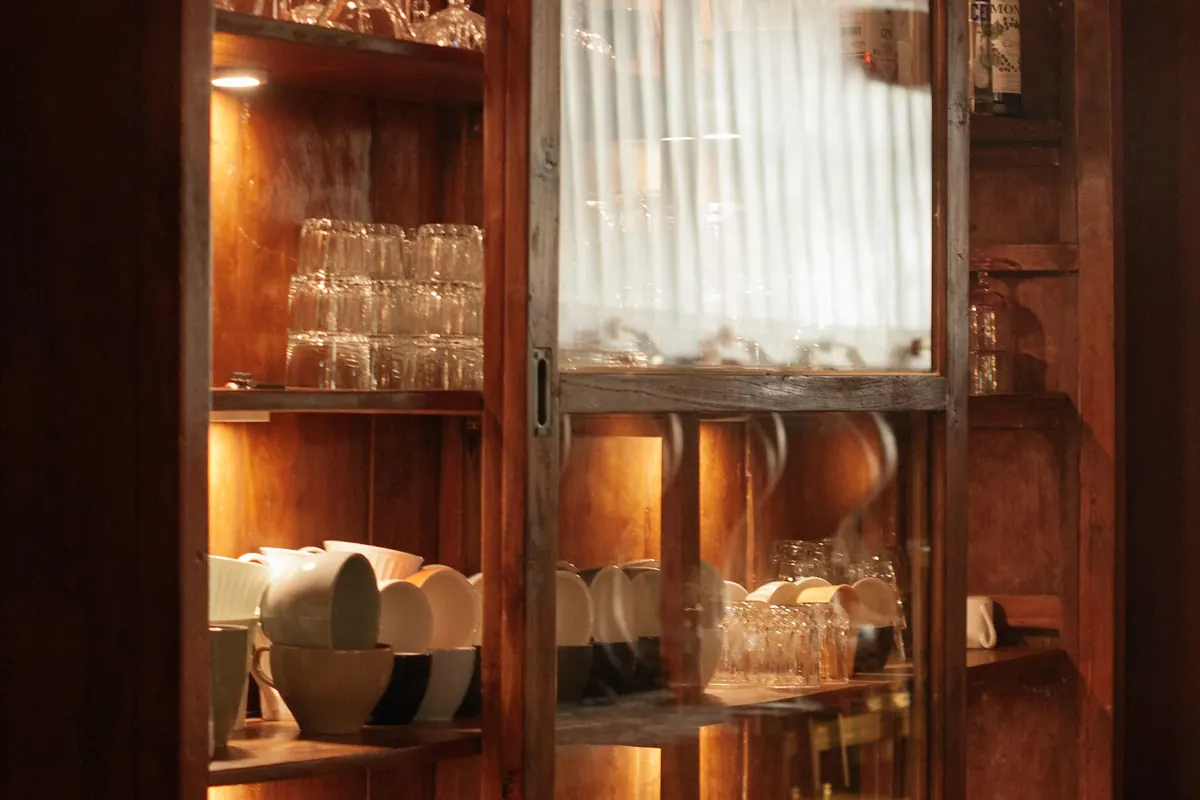
- Front of house: tables, chairs, bar stools, sideboards, crockery cabinets and display units.
Extraction hoods and ductwork, walk-in cold rooms, fire-suppression systems and built-in counters are part of the building or the fit-out. The relevant specialist dismantles them; they are not unbolted on collection day.
Disconnect gas, power and water through the right people
Every gas appliance must be isolated and disconnected by a qualified gas technician before anyone moves it. The removal crew does not undo gas connections, and a flexible hose still attached to a range is not a disconnection. Hard-wired equipment needs an electrician, and plumbed dishwashers, ice machines and combi ovens need their water and drain lines capped.
- Book a gas technician to isolate and cap every gas appliance.
- Have an electrician disconnect hard-wired equipment and make the supply safe.
- Cap the water supplies and drains that serve plumbed equipment.
- Label each item as disconnected and safe to move.
Arrange these visits at least a day before the collection. A technician arriving on the same morning squeezes the whole job, and one late disconnection can leave a range blocking the only route out of the kitchen.
Drain, empty and clean before collection
Kitchen equipment must leave empty. Fryers need their oil drained once it has cooled, and used cooking oil goes to a used-oil collector rather than into a removal vehicle or a drain. Grease traps are serviced by their own contractor and are not part of an equipment collection.
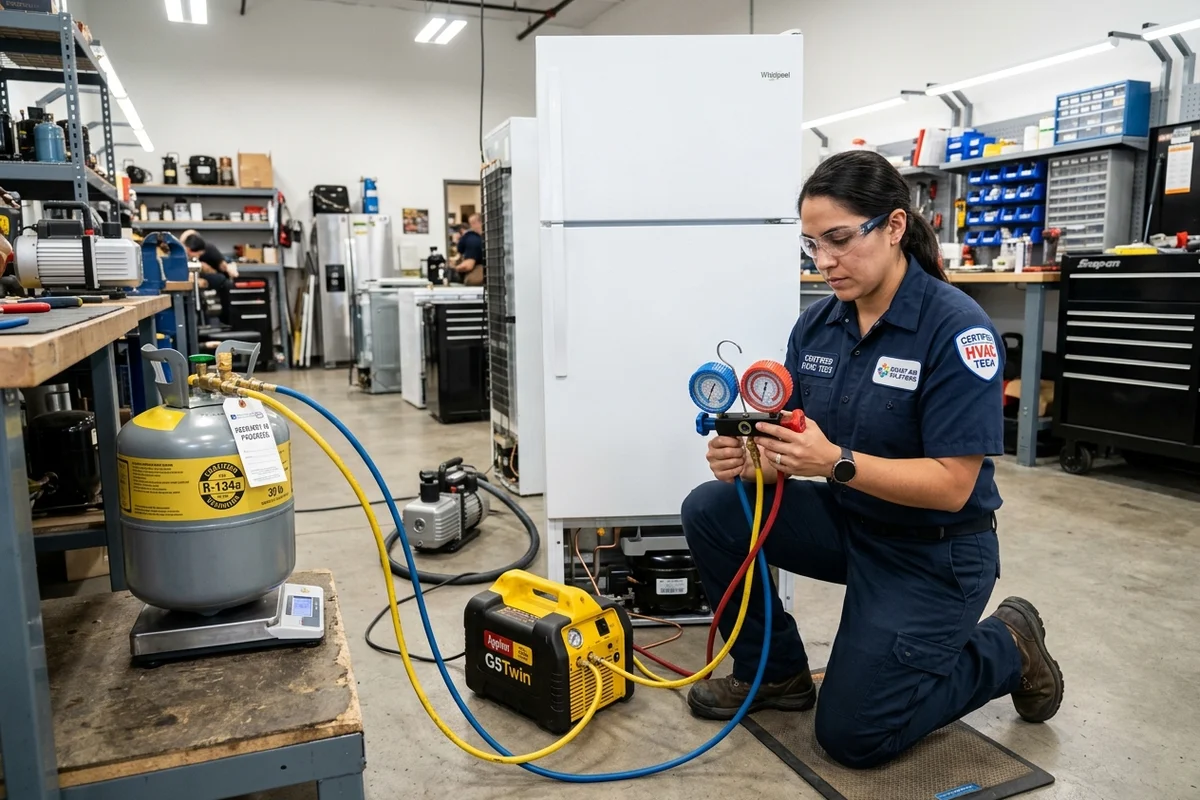
Refrigeration should be emptied of food, switched off and left with the doors open to dry, ideally the day before. Ice machines need draining. Refrigerant stays sealed inside the unit and must not be cut or vented on site; the rules on refrigerant before disposal explain why.
Degrease surfaces and clear food debris from ovens, griddles and shelving. Clean equipment is safer to carry, does not contaminate the rest of the load, and is the only kind a buyer or reuse route will accept.
Plan the route through the back of house
Commercial kitchens are built around the equipment, not around the exit. Measure the kitchen door, the back corridor, any service lift and the loading point against the largest item, usually a range, a double-door fridge or a combi oven. Some units need doors or handles removed to pass, so confirm that before the day.
In a mall or hotel, equipment usually leaves through a service corridor and a shared loading dock with a booked slot, often outside service hours. A street-level restaurant in an area such as Jumeirah may load from a rear lane or the front, with parking and neighbouring businesses to consider. Tell the crew which applies and whether the floor is tiled, sloped or likely to be greasy.
Separate reuse, returns and disposal
Working commercial equipment often has resale value, especially stainless steel prep tables, refrigeration in good condition and well-known cooking equipment. Decide before the collection whether any item is going to a buyer, another branch or storage, and keep it apart from the disposal load.
Leased equipment belongs to the supplier. Coffee machines, beverage chillers and ice machines are common examples, so check the agreements and arrange returns before the removal date. Broken equipment can be collected for disposal, where stainless steel and other metals are generally separated for recycling.
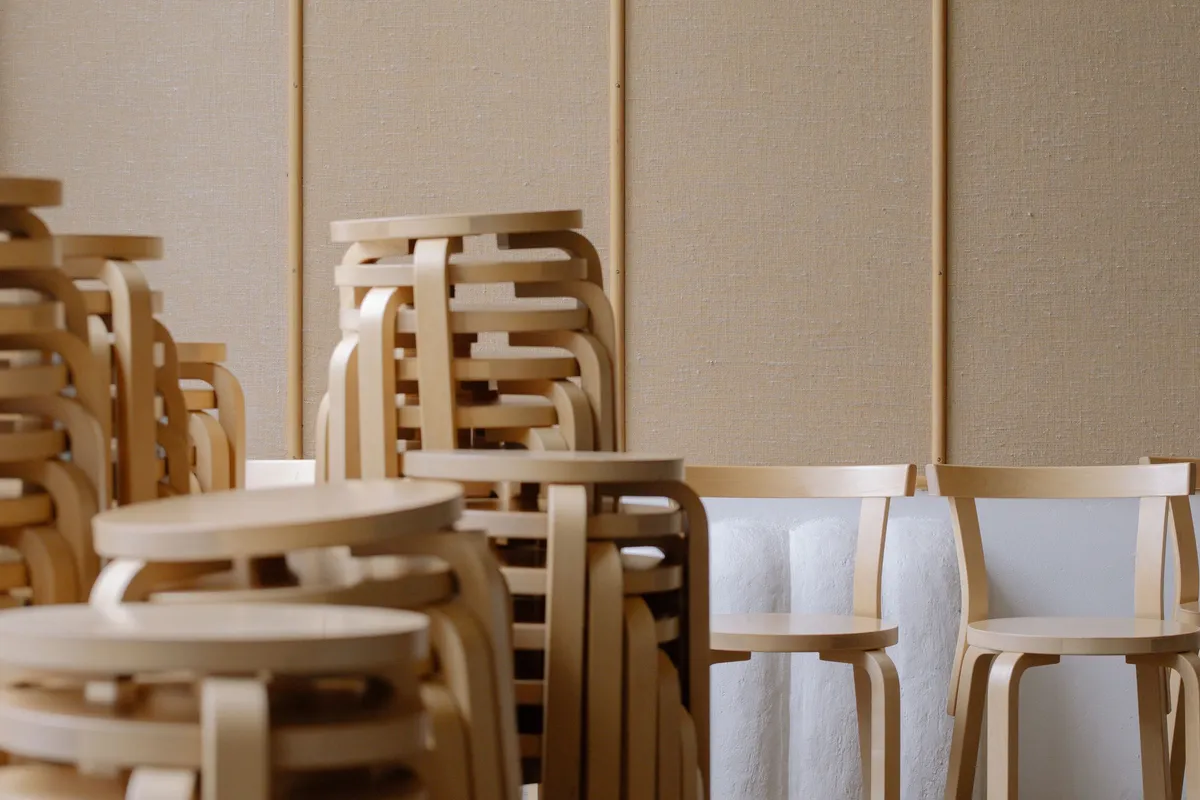
Front-of-house furniture is usually the simpler half of the job. Tables and chairs stack or come apart, and a full dining room can be counted by type rather than by floor area.
What drives the cost of restaurant equipment removal?
The cost depends on the number and size of the items, how ready they are to move, the route from the kitchen to the vehicle and the access window. Removal is quoted per job rather than from a fixed list, because two kitchens with the same equipment can have very different exits.
- Quantity and weight: a line of ranges and refrigeration needs more crew and vehicle space than a few small appliances.
- Preparation: equipment that is disconnected, drained and clean is quicker to remove than equipment still waiting for a technician.
- Route: stairs, narrow corridors, service lifts and long carries to the loading point add time.
- Timing: night or early-morning windows set by a mall or building affect scheduling.
- Front-of-house volume: tables, chairs and bar furniture collected in the same visit.
For a quote, send photos of each piece of equipment with rough dimensions, its disconnection status, the route out and the building's access rules.
Most restaurant equipment removals that go wrong do so before the crew arrives: a range still connected, a fryer full of oil or a fridge that will not fit through the back door. Settle disconnection, cleaning and the route first, and the removal itself becomes a straightforward carry out of the kitchen.