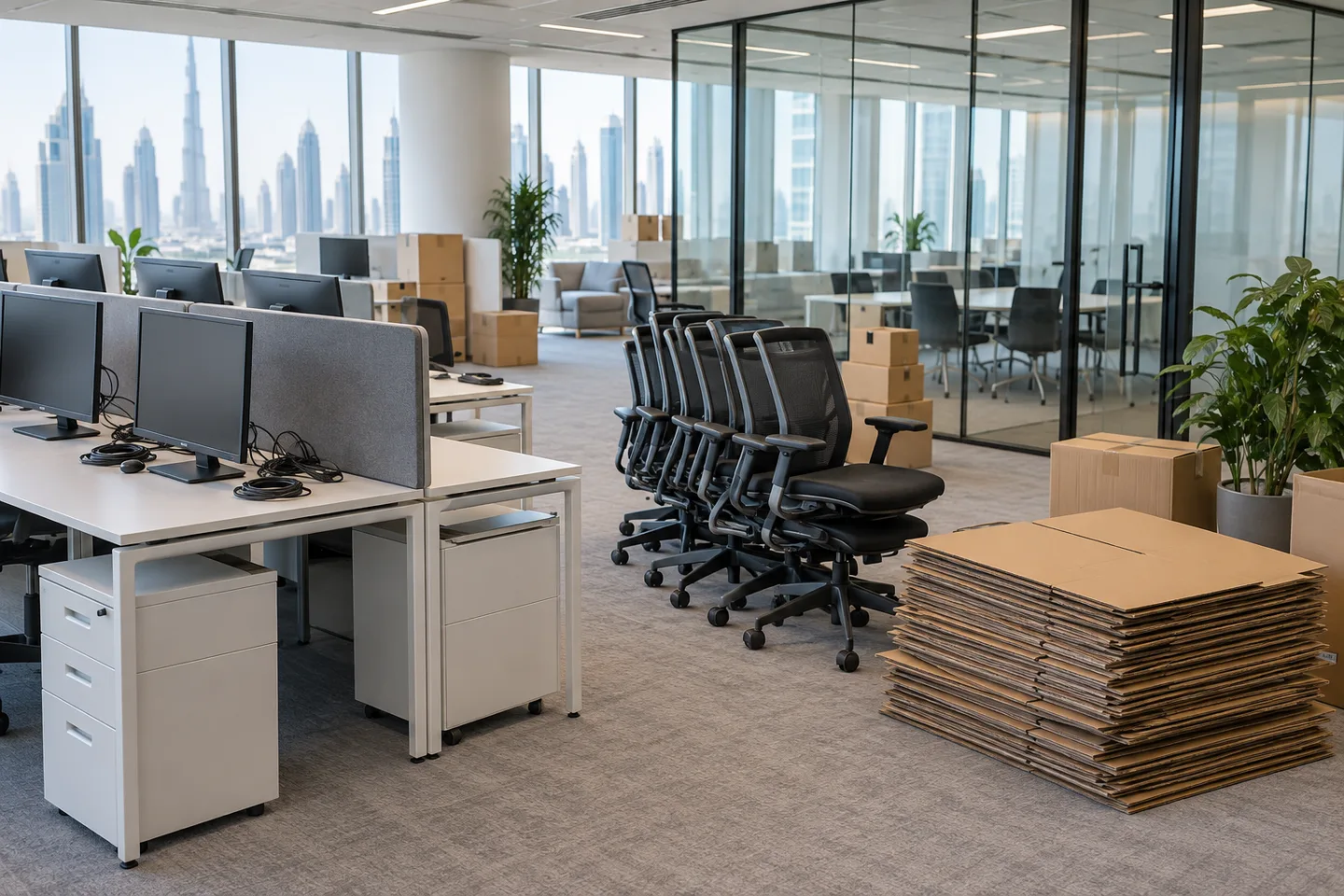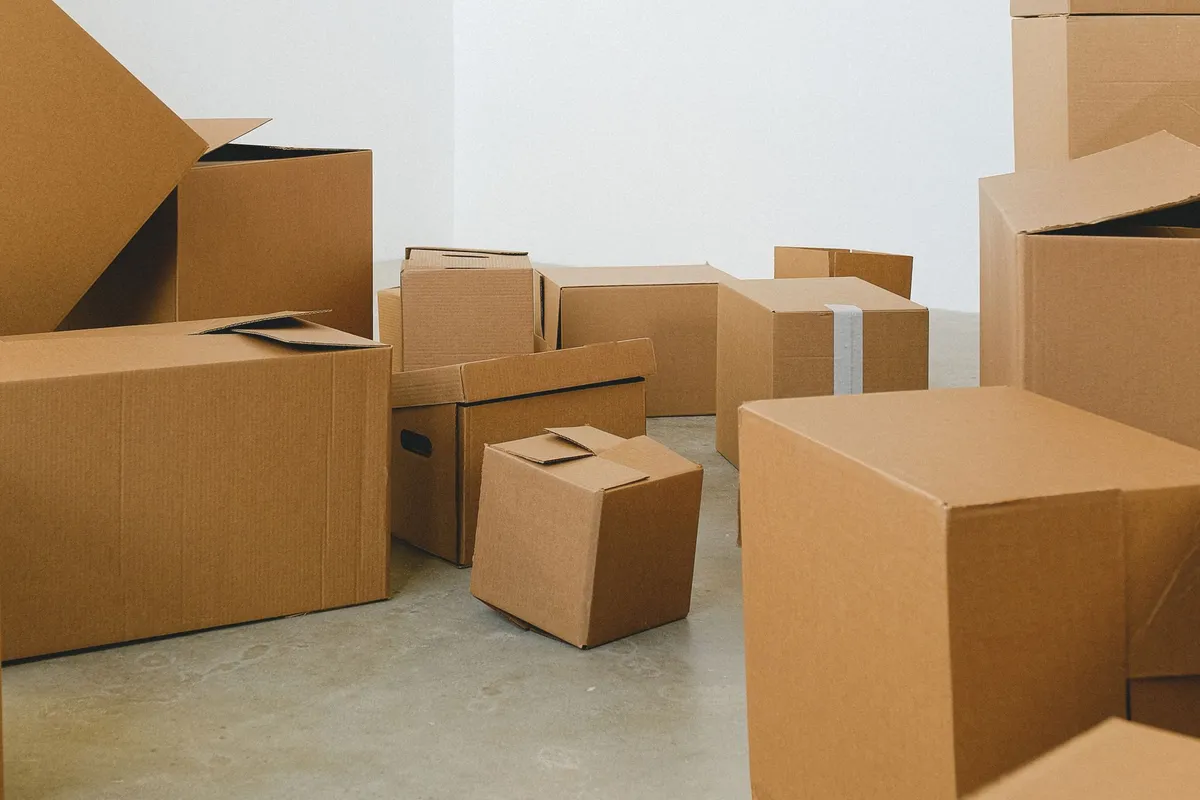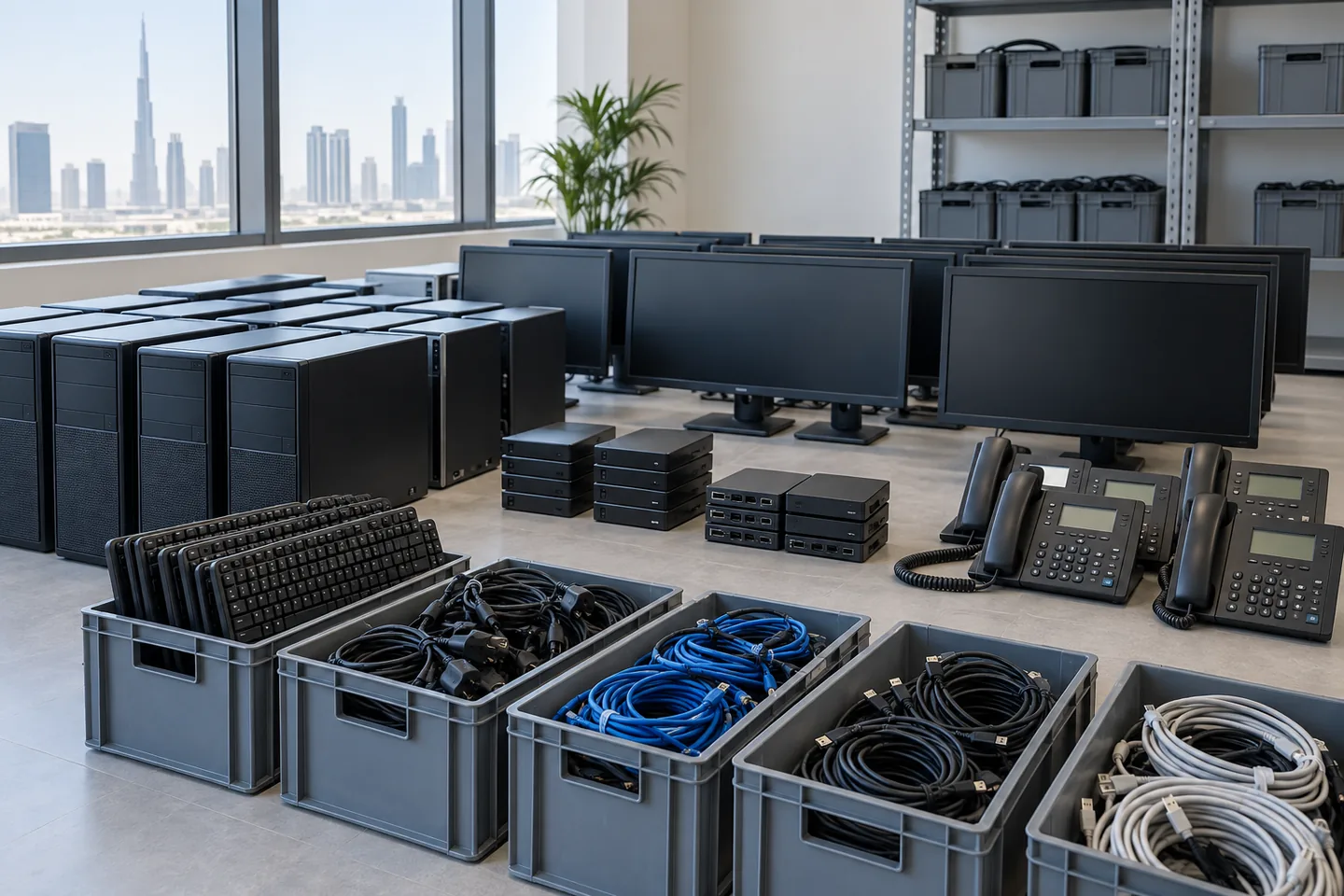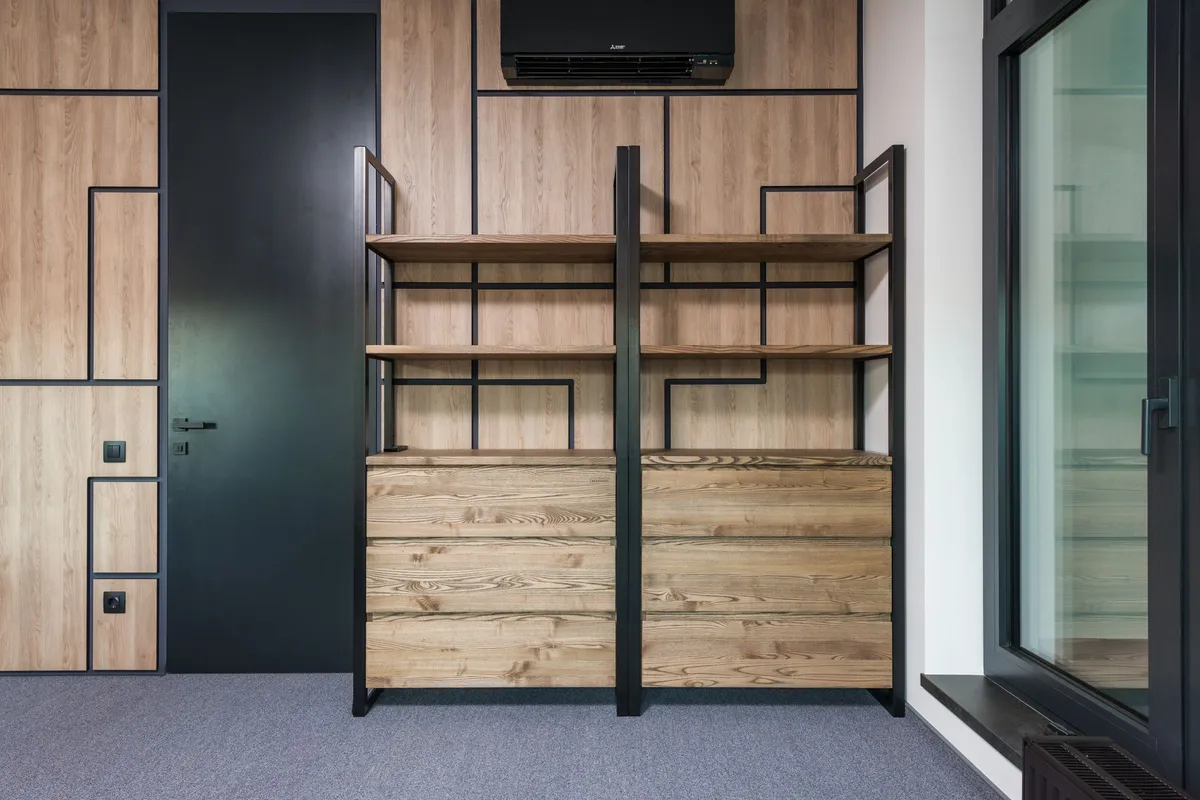
A retail store clearance usually happens because a shop is closing, moving or being refitted, and the unit has to be handed back on a fixed date. The unit holds three kinds of contents: unsold stock, display fixtures and back-of-house clutter. Each needs its own decision before furniture and fixture removal is booked. This guide explains how to separate them, what the mall or building will expect and how the collection day runs.
Split the shop into stock, fixtures and back of house
The fastest way to plan a shop clearance is to stop treating it as one load. Stock has commercial value and often has other parties with a say in it. Fixtures are furniture with a retail purpose. Back-of-house items are everything that collected in the store room, staff area and office corner.
- Stock: saleable goods, damaged goods, samples and customer returns.
- Loose fixtures: freestanding shelving, gondolas, clothing rails, display tables, mannequins, unfixed counters and glass cabinets.
- Back of house: store-room racking, staff lockers and chairs, cartons, hangers, broken fixtures and the small office.
- Electronics: tills, card terminals, scanners, label printers, screens and camera recorders, which may belong to a supplier or hold data.
Fixed shop fittings are a different job. Bonded counters, wall slatboard, ceiling-hung displays and shopfront signage are normally removed by the shopfitter or fit-out contractor, and they only join a collection once they are detached and safe to handle.
Decide what happens to unsold stock first
Stock is the group most likely to delay a clearance, because the shop rarely decides its fate alone. Branded goods may have to go back to a supplier or distributor under the trading agreement, and some brands restrict how their products may be discounted, donated or discarded. Check those terms before setting the clearance date.
- Return: consignment stock, agreed returns and anything the brand wants back.
- Transfer: stock moving to another branch or into storage.
- Sell or donate: goods the business is free to sell off or give to a charity that accepts them.
- Dispose: damaged, expired or unsaleable goods the business has decided to discard.
Keep each group physically separate and labelled inside the unit. A crew clearing fixtures cannot tell returnable stock from disposal stock by looking at a carton, and one mixed pallet can undo a returns record. Food, cosmetics, chemicals and aerosols need an honest description in the quote request, because some may need a specialist route.

Work within the mall or building's rules
A shop in a mall does not control its own access. Mall management usually decides when heavy items may cross public areas, which service corridor and loading dock may be used, and what paperwork a contractor needs. Much of this work happens outside trading hours, but confirm the actual window with the management office rather than assuming it.
A street-level shop in an area such as Karama has different limits: parking for the vehicle, neighbouring shops that stay open, and a pavement that may be the only loading space. In both cases, share the following with the crew before the day.
- The management office's approval or work permit, if the building requires one.
- The loading dock or service entrance, and its booked slot.
- The route from the unit to the vehicle, including service corridors and goods lifts.
- Any protection the building requires on floors, lift cars or corners.
What to expect on clearance day
- The crew confirms the groups with the store's authorised contact and checks that returnable stock is set aside.
- Electronics already released by the business or its suppliers are packed apart from the fixtures.
- Loose fixtures are emptied and taken apart where they are designed to separate; glass shelves come out before the frames move.
- Back-of-house items and cartons follow, with clean cardboard kept together.
- The store contact walks the empty unit with the crew and notes anything left for the landlord or contractor.
Clothing rails, gondola shelving and slotted display units usually break down into flat parts, which makes them much easier to move through a service corridor. Glass display cabinets are slower. Their shelves come out first, and large panels travel upright and apart from metal parts.
Card terminals and tills are often leased from a bank or point-of-sale provider, so confirm who collects them. Anything the business owns should have its sales data and customer records dealt with before it enters electronics disposal.
What to send for a retail clearance quote
Send photos of the shop floor, the store room and any mezzanine, a rough count of fixtures by type, an estimate of stock cartons for disposal, and the building's access window and loading arrangement. State clearly which stock leaves with the crew and which does not, and list the fixed fittings the shopfitter will handle. For premises other than a shop, the guide to commercial junk removal covers the general business load.
A shop clearance runs smoothly when the hard decisions are made before the crew arrives: which stock goes back, which is sold, which is discarded and when the building will let heavy items move. After that, the collection is mostly a matter of order, finishing with a walk through an empty unit.