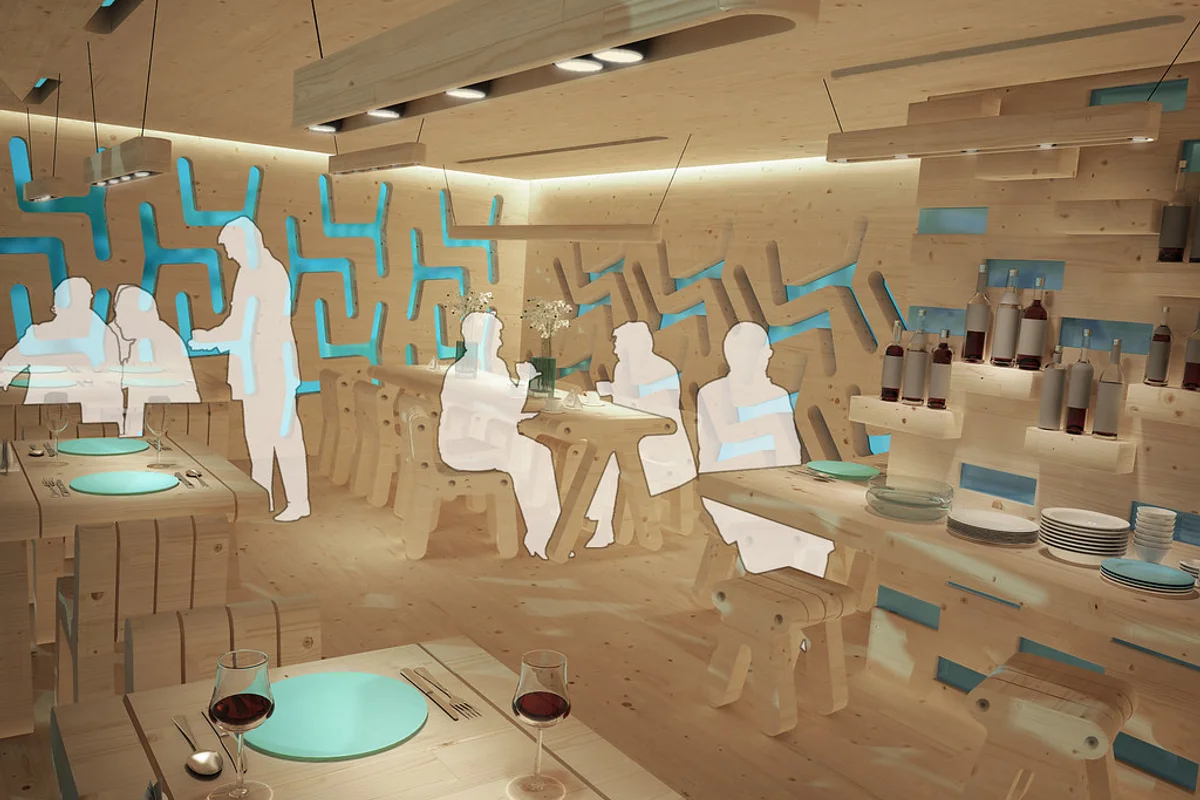
Operating or closing a boutique coffee shop or cafe in Dubai's premier dining corridors—from Jumeirah and Downtown Dubai to DIFC and Dubai Media City—involves managing lease expiry deadlines, landlord handover inspections, and the careful removal of front-of-house assets. While heavy restaurant equipment removal in Dubai primarily addresses commercial kitchen gas cookers and extraction hoods, a dedicated cafe clearance prioritizes front-of-house dining furniture, specialized barista coffee bars, undercounter prep chillers, and outdoor seating terraces. Coordinating this clearance with experienced commercial junk removal in Dubai and specialized appliance removal in Dubai ensures a swift property handover without security deposit penalties.
Front-of-house cafe furniture and dining area clearance
The customer dining zone represents the highest volume of items in any cafe exit. Clearing this area systematically ensures clear pathways for removing heavier counter machinery later in the process.
- Dining tables: solid timber, marble-topped, and laminate cafe tables with cast-iron or brushed steel pedestal bases that must be unbolted from the underside to travel flat.
- Seating fleets: modern bistro armchairs, bentwood dining chairs, and metal-frame counter bar stools stacked carefully onto rolling dollies.
- Banquette booths: upholstered wall benches and modular booth seating anchored with hidden floor cleats and wall battens, requiring unhooking without tearing gypsum lining.
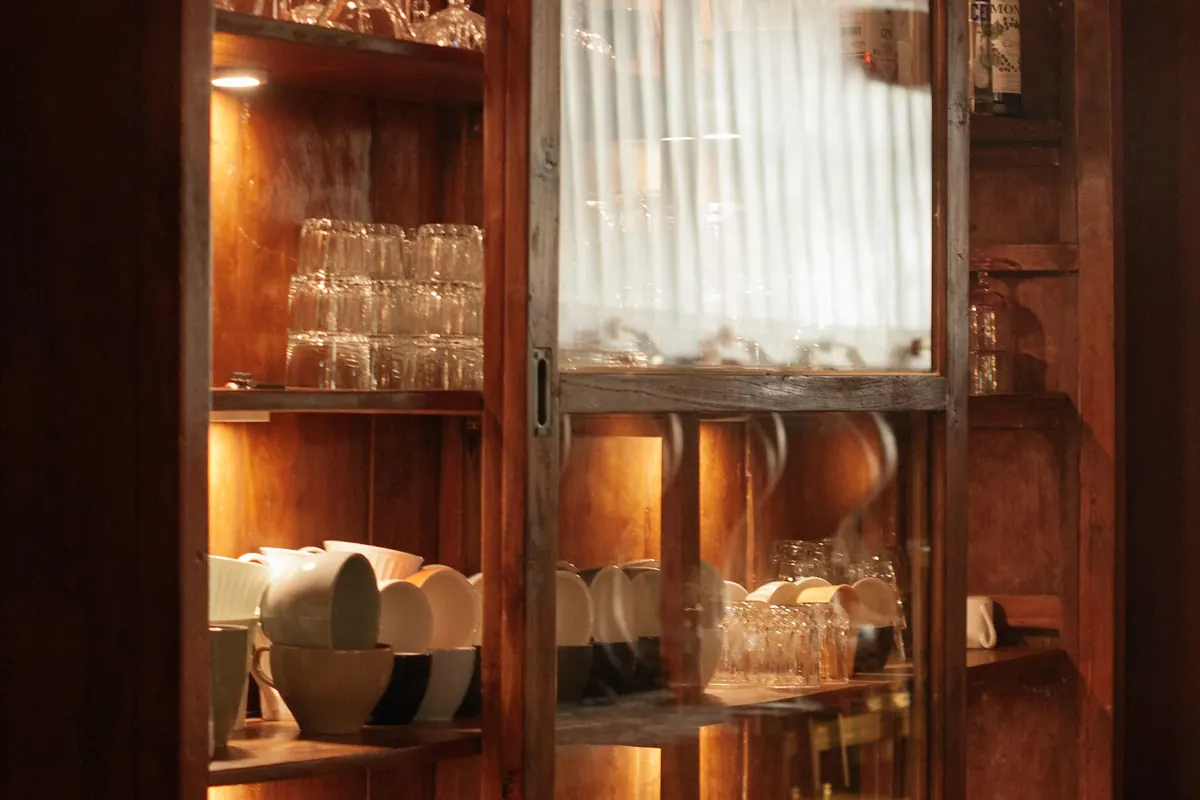
- Service station credenzas: cutlery stations, water refill sideboards, and condiment consoles cleared of loose glass and porcelain before transport.
Handling cafe seating requires deliberate care for base finishes. Moving heavy cast iron pedestal table bases directly across polished concrete, micro-cement, or imported porcelain floor tiles can cause deep scratching. Removal crews use padded furniture blankets and neoprene skids to shift unbolted bases smoothly to the loading zone.
Barista station and counter equipment preparation
The barista counter is the heart of a specialty coffee shop, containing high-value electrical assets, plumbed water filtration systems, and bespoke service carpentry.
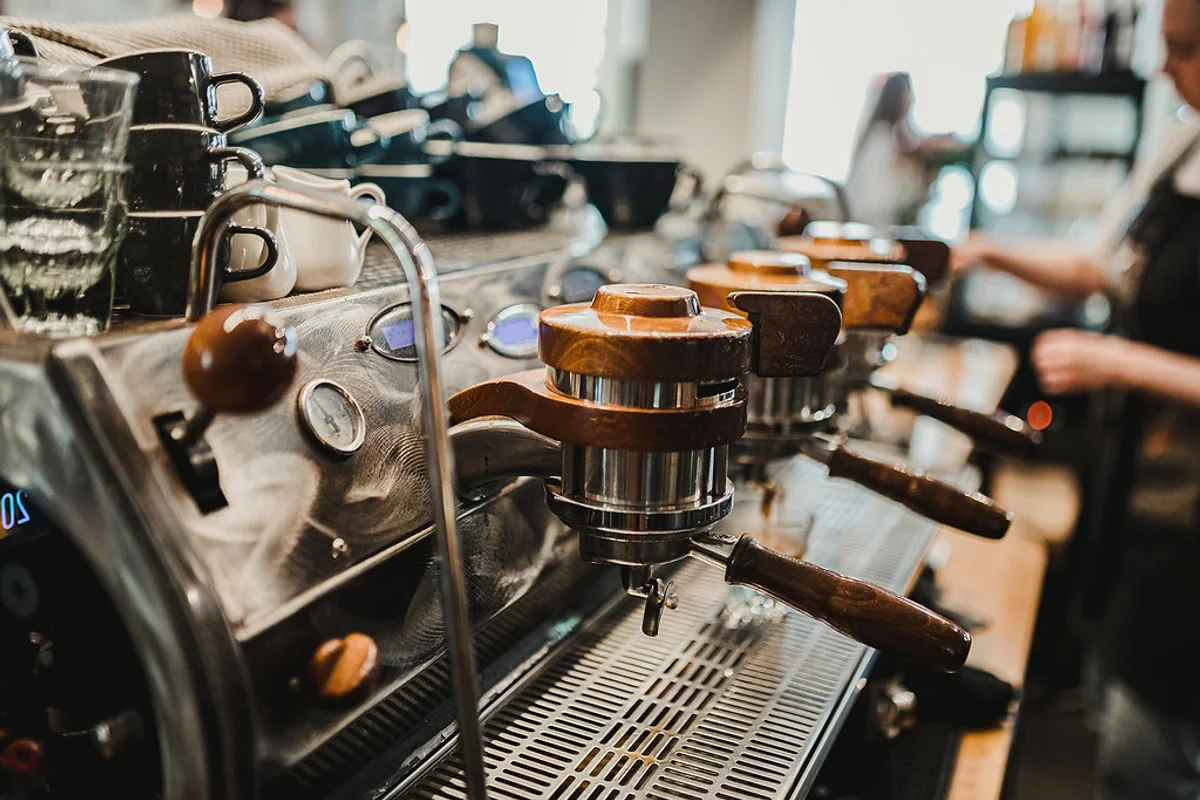
- Commercial espresso machines: 2-group and 3-group machines weigh between 60 and 95 kilograms. Before transport, water inlet braided hoses must be uncoupled from reverse-osmosis filtration units, drain hoses detached, and boiler pressure bled off.
- On-demand coffee grinders: hopper lids and burr chambers emptied of coffee beans, power cords secured, and units boxed to protect calibration knobs.
- Undercounter display chillers and ice wells: compact milk refrigerators, cake display cases, and ice machines unplugged, defrosted, and drained of residual meltwater.
- Modular service counters: freestanding wooden or corian front counters unbolted from adjacent cabinetry and uncoupled from countertop knockboxes and pitcher rinsers.
Clearing outdoor cafe terraces and facade structures
Street-level and mall-promenade cafes frequently feature outdoor seating terraces along pedestrian walkways in locations like City Walk, JBR, and Dubai Creek Harbour. These exterior spaces are subject to municipal and master community clearance standards.
- Heavy weighted parasol bases: granite slabs or concrete-filled steel parasol footings weighing 40 to 80 kilograms each that require two-person lifting or wheeled carts.
- Weatherproof boundary planters: fiberglass, stone, or timber partition planters separating the cafe terrace from public footpaths, requiring soil and plant removal prior to loading.
- Outdoor furniture sets: UV-treated polypropylene chairs, teak bistro sets, and aluminium-frame cafe lounges bundled and shrink-wrapped against transit scuffs.
- Terrace heaters and retractable awnings: freestanding patio heaters isolated from fuel sources and unbolted from perimeter deck anchors.
Landlords and community managers strictly enforce the complete restoration of outdoor public realm pavements. Fasteners drilled into outdoor stone paving must be unbolted, and surface anchor studs ground flat to leave walkways safe for pedestrian traffic.
Step-by-step cafe exit and landlord handover sequence
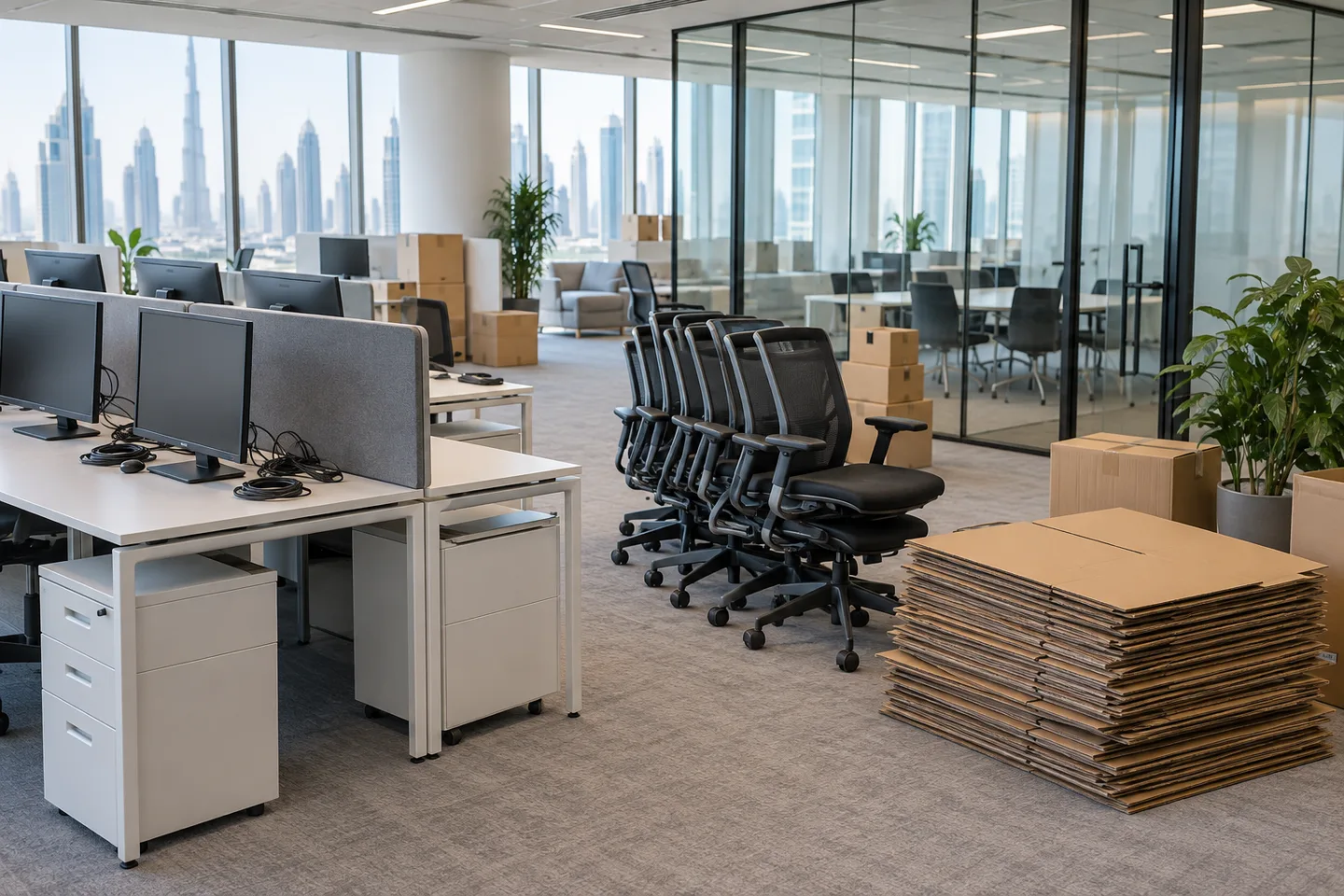
Following an organized room-by-room clearance sequence avoids chaos, protects valuable equipment from impact damage, and keeps the operation running within scheduled loading dock access times.
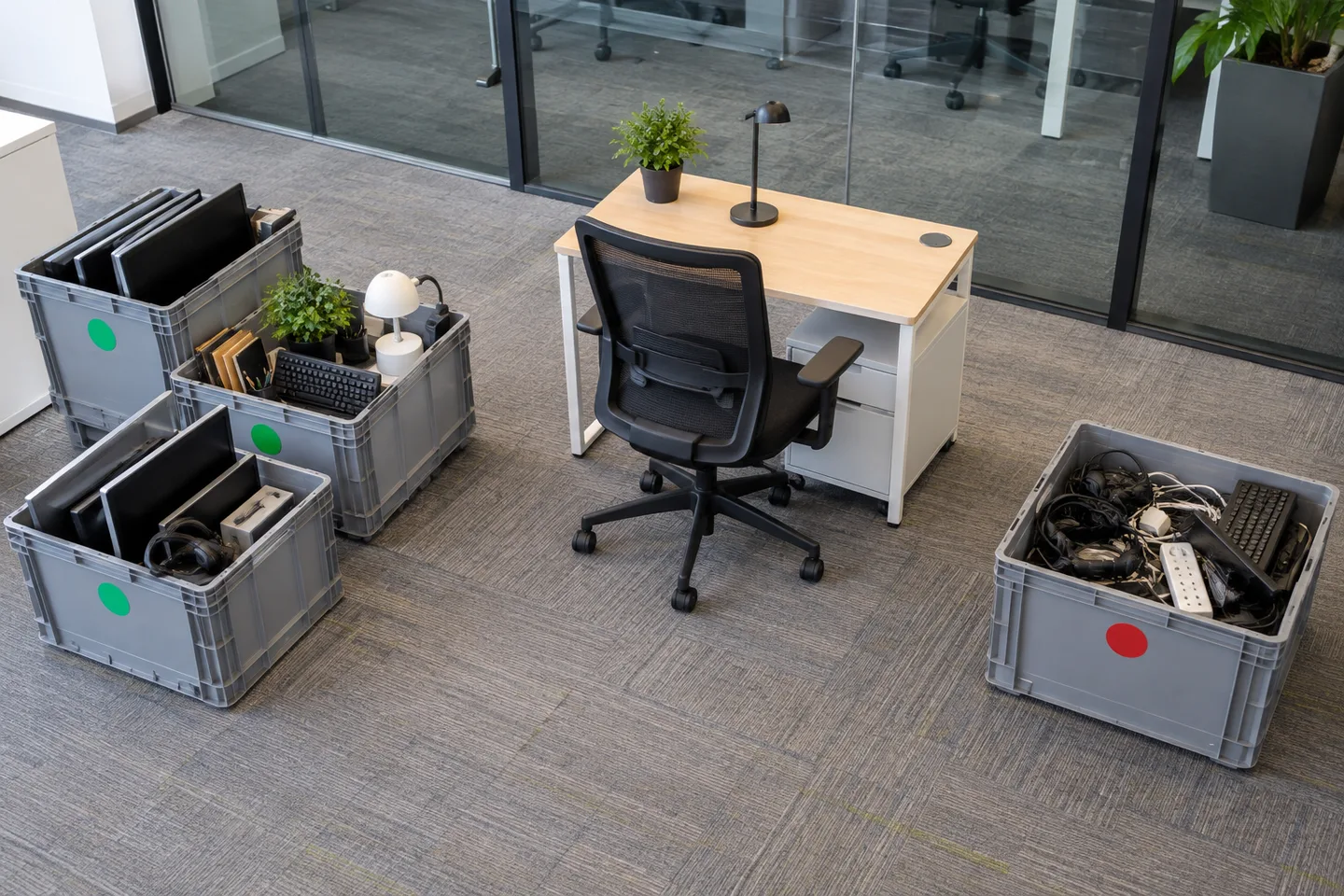
- Separate and stage high-value assets: identify commercial espresso gear, grinders, and specialty brewers for secondary sale, lease return, or warehouse storage.
- Isolate utilities and drain fluids: disconnect water filtration lines, shut off counter water valves, unplug electrical connections, and drain beverage dispensing reservoirs.
- Clear terrace and perimeter furniture: remove outdoor parasols, planter boxes, and dining chairs first to create wide access routes through the main entrance.
- Dismantle customer seating: unbolt dining table tops from cast-iron pedestals and detach modular banquette frames from perimeter walls.
- Extract undercounter chillers and barista counters: wheel out refrigeration units and unbolt modular service counters onto flatbed dollies.
- Final surface vacuum and waste haulage: sweep subfloors, remove residual packaging and broken wares, and haul all commercial waste to authorized processing centers.
Material recovery and secondary asset reuse
Cafe closures often leave behind high-quality items with substantial remaining operational life. During professional furniture removal in Dubai, items are sorted into distinct recovery channels:
- Operational espresso machinery and commercial grinders: routed to secondary hospitality equipment brokers or commercial refurbishment specialists.
- Commercial cafe dining sets: matched tables and chairs in sound structural condition directed toward hospitality asset liquidation or business resale.
- Stainless steel counter sinks and prep surfaces: clean scrap metal sorted for domestic steel recycling facilities.
- Non-reusable cabinetry and broken glass: broken down into segregated commercial waste streams, preventing mixed landfill dumping.