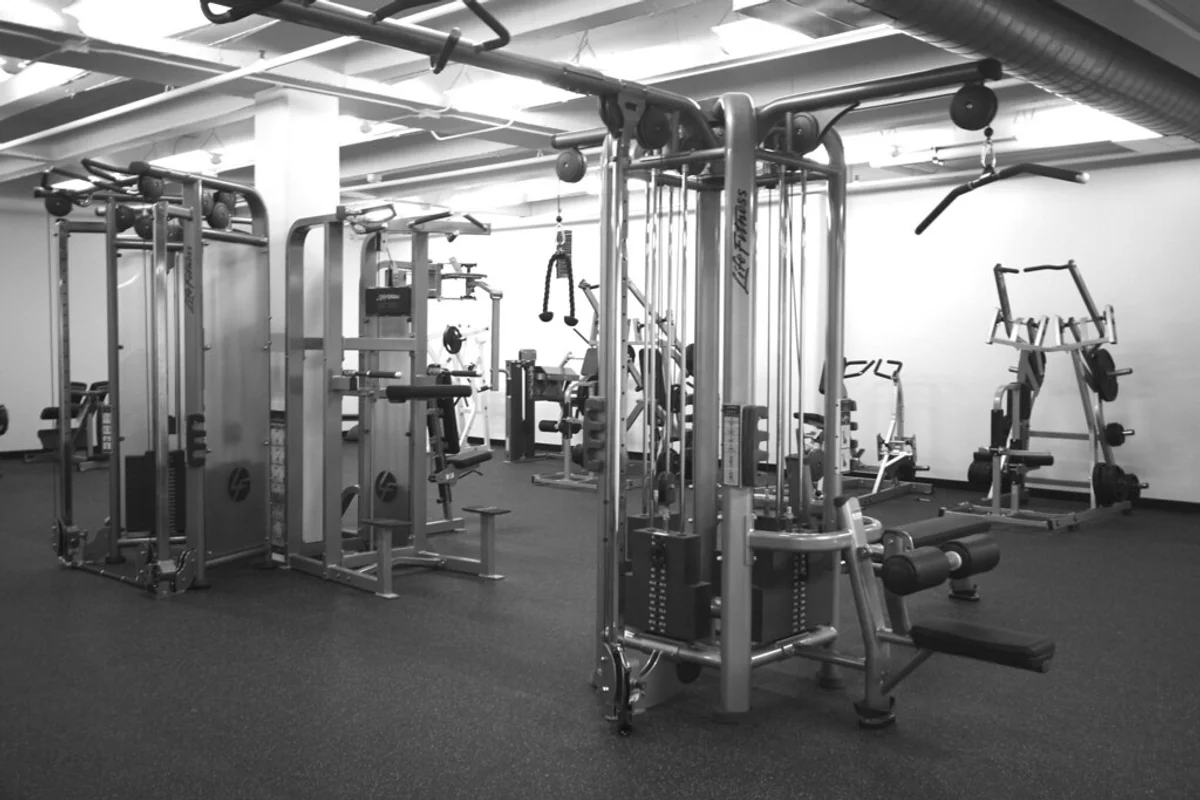
Refurbishing or decommissioning a commercial health club, hotel fitness centre, boutique CrossFit studio, or residential high-rise gym in Business Bay, Dubai Marina, or Downtown Dubai presents unique mechanical and structural challenges. Unlike clearing a single residential exercise bike or folding treadmill from a private apartment, commercial fitness facilities house dense structural steel frames, heavy selectorized plate stacks, and thick vulcanized flooring tiles. Managing this exit safely requires specialized commercial junk removal in Dubai and heavy furniture removal in Dubai equipped to handle extreme point loads, mechanical unbolting, and high-rise freight elevator constraints.
Dismantling multi-station cable machines and bolted rigs
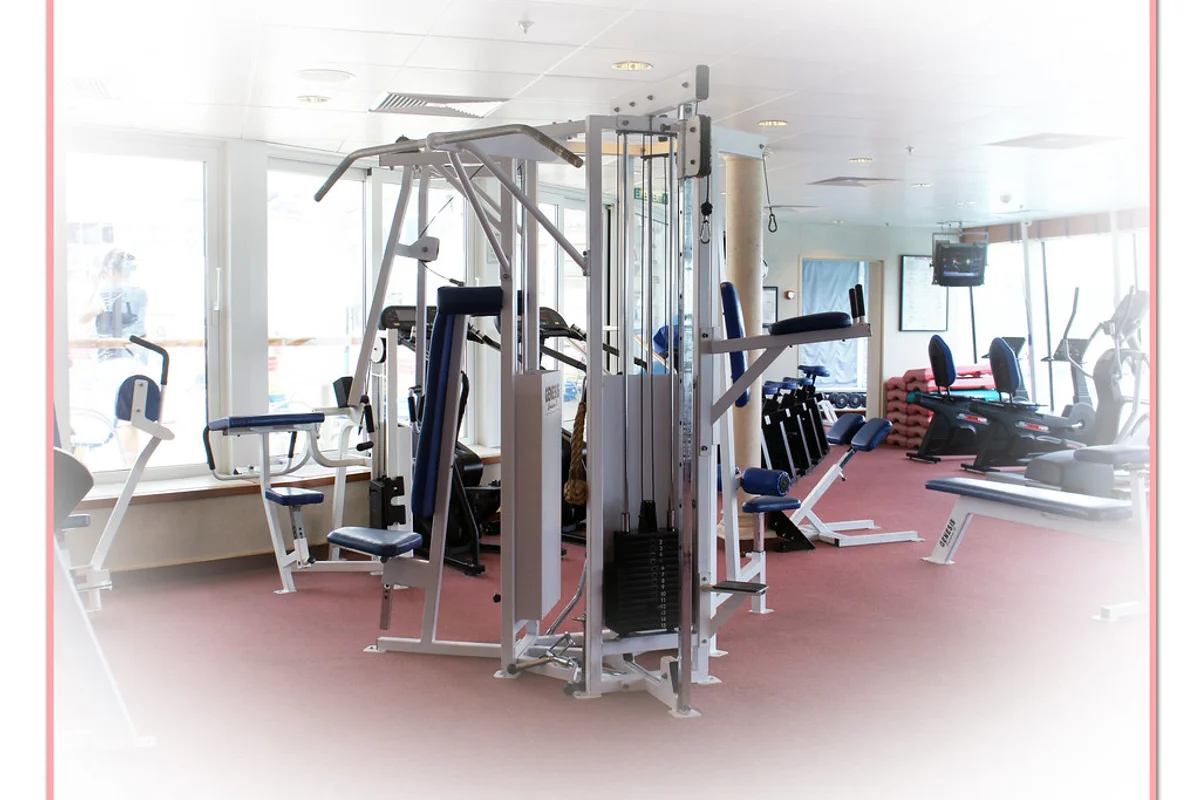
Commercial fitness centres rely on heavy structural steel modular rigs and multi-station cable machines that cannot be moved as single units. Moving a 4-station or 8-station cable jungle intact through interior doors or freight elevators is physically impossible.
- Expansion floor anchors: heavy squat cages, cross-training rigs, and functional cable stations are anchored directly into concrete floor slabs with heavy-duty masonry expansion bolts that must be unbolted and ground flush.
- Tensioned aircraft cables: before unbolting structural uprights, steel cables must be detensioned from pulleys to prevent sudden spring-back and damage to surrounding finishes.
- Overhead bridging beams: monkey bar sections and cross-cables spanning overhead must be supported by two or more technicians while fasteners are backed out, preventing structural collapse.
- Corner braces and gusset plates: heavy reinforcement plates unbolted to break structural towers down into individual vertical posts and horizontal rails.
Dismantling proceeds from top to bottom. Removing lower support struts while upper pull-up bars remain connected causes steel frames to twist, damaging floor tiles and endangering workers.
Handling selectorized weight stacks and free-weight dumbbell banks
Selectorized resistance machines (such as chest presses, lat pulldowns, and leg curls) contain dense rectangular cast-iron plates sliding along polished steel guide rods. A single commercial selectorized station often contains 70 to 140 kilograms of steel plates concentrated in a small rectangular footprint.
- The unpinning requirement: guide rod top caps must be unbolted, and weight plates removed one by one. Leaving weights on the guide rods makes the machine top-heavy and risks bending the guide rods during transit, rendering the machine unsalvageable.
- Distributing weight on rolling dollies: cast-iron weight plates are stacked in small batches (no more than 80 kilograms per dolly) to avoid exceeding transport dolly ratings or cracking service corridor tiles.
- Dumbbell racks and plate trees: heavy urethane and cast-iron dumbbells must be unstacked pair by pair before unbolting the steel tiered saddle racks.
- Olympic barbells and bumper plates: grouped and strapped onto heavy-duty pallet trucks for steady elevator transit.
Lifting and removing commercial rubber gym flooring
Commercial gyms install heavy vulcanized rubber flooring to absorb barbell drops and dampen acoustic vibrations. Removing this flooring is a significant labour-intensive undertaking during commercial defits.
- Interlocking rubber tiles: dense 20mm to 30mm puzzle-cut or straight-edge tiles weighing approximately 18 to 28 kilograms per square metre, requiring uncoupling and neat stacking on pallets.
- Glued continuous rubber rolls: 8mm to 12mm acoustic rubber matting bonded to concrete subfloors with polyurethane adhesive, requiring utility knife scoring into manageable strips and floor scraper lifting.
- Aluminium and PVC transition trims: edge reducer strips screwed into perimeter door thresholds unscrewed to leave doorways clean.
- Adhesive residue management: peeling up rubber often exposes dry adhesive lines that must be swept and scraped clean for landlord inspection.
High-density rubber fills trucks by weight long before volume is reached. Staging rubber tiles in calculated pallet stacks prevents overloading removal trucks and freight elevator cars.
High-rise freight elevator limits and loading dock logistics
Commercial gyms located within Dubai commercial towers and hotel podiums, such as properties in DIFC and JLT, must transport massive iron tonnage through shared service infrastructure.
Freight elevator weight capacities typically range from 1,000 to 2,000 kilograms. Loading an entire free-weight section or multiple selectorized machines into a single elevator run can trip elevator overload safety sensors or damage hydraulic lifting cables. Removal crews calculate tonnage and divide the clearance across multiple elevator cycles during pre-booked loading dock windows.
Padded protective blankets must line the elevator cab interior, and heavy rubber threshold ramps must be laid over lift door sills. Steel wheels on heavy-duty dollies can bend elevator door tracks; using wide polyurethane or pneumatic wheels protects building infrastructure and guarantees zero landlord deposit deductions.
Scrap steel recycling and commercial equipment salvage
Commercial fitness equipment is built from high-grade structural alloys, making it an excellent candidate for asset salvage or industrial recycling during office fit-out clearance in Dubai and commercial strip-outs.
- Decommissioned cardio fleets: commercial treadmills, stationary spin bikes, and elliptical trainers in working order can be routed to secondary commercial brokers or hotel gym refurbishment channels.
- Pure structural scrap steel: unbolted power cages, steel cable towers, and dumbbell saddles routed to licensed UAE metal recycling smelters.
- Cast-iron plate scrap: unpinned weight plates and broken kettlebells recycled directly as high-density ferrous scrap.
- Rubber tile recycling: intact commercial rubber tiles repurposed for equestrian facilities, industrial workshops, or playground surfacing.