Disposing of bed bug infested furniture in Dubai is a containment job before it is a lifting job. The item itself is not the difficult part — a mattress is a mattress, and a sofa is a sofa. What matters is the route it takes out of your flat, because that route runs through a corridor, a lift and a bin area that other households use. Almost everything that goes wrong here goes wrong in those few minutes, and almost all of it is prevented by wrapping the item where it stands before it moves at all.
Say so when you book, not at the door
Tell the collection service before the day. This is the single most useful thing you can do, and people avoid it because they expect to be turned away or judged. Neither is the point. The reason it matters is practical: an infested item changes the order things are carried in, what the crew wraps first, and how the load is arranged so it is not sitting against somebody else's sofa on the way to disposal.
A crew that knows in advance can plan around it. A crew that finds out on the landing has already made several decisions it would have made differently. There is also a plain fairness argument: the next household on that vehicle did not choose to share it, and disclosure is what keeps the problem in one home rather than spreading it into two.
It is worth telling your building management too, particularly in a tower where bulky items have to move through a service lift and a loading bay. They are not there to police it. They will usually just want the lift booked at a quieter time and the item covered, which is what you were going to do anyway.
Seal it in the room it is standing in
Wrap the item completely before it leaves the bedroom, not at the front door and not in the corridor. Once it is sealed it stops being a risk to the route; until it is sealed, every doorway it passes through is one it can leave something behind in.
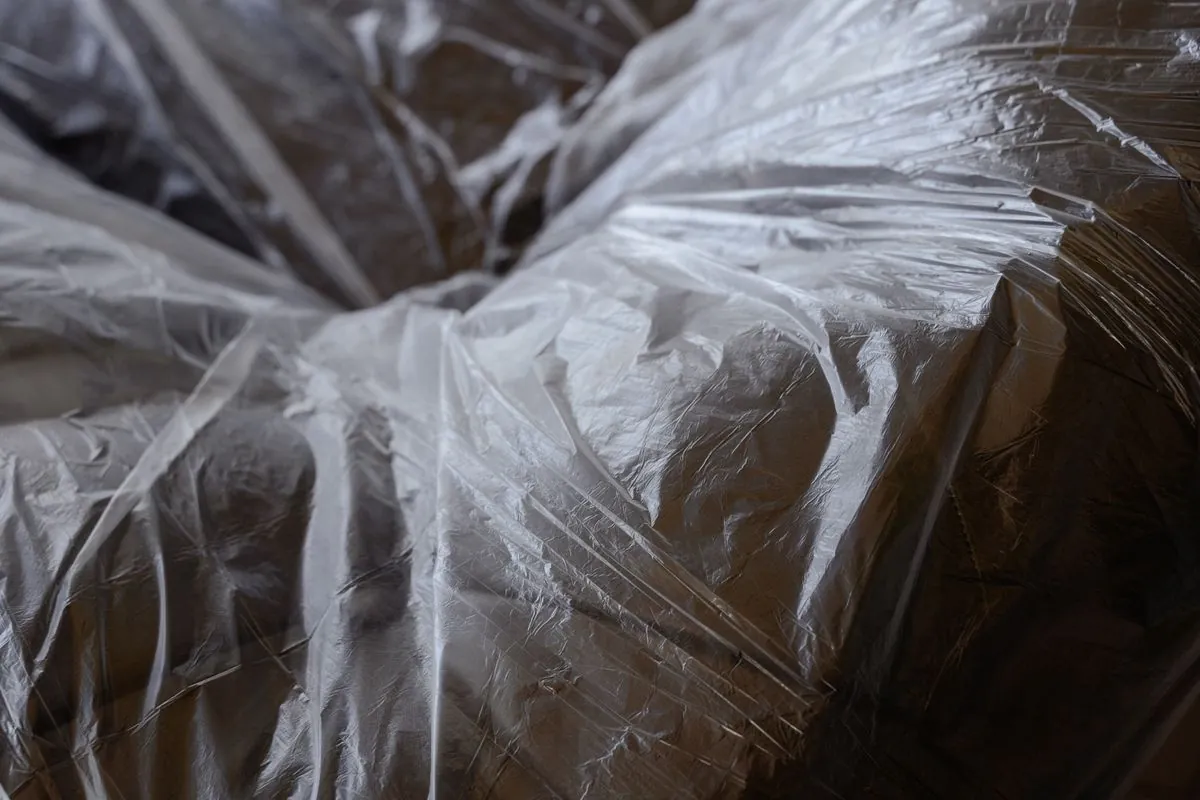
The practical method is straightforward and needs nothing specialised:
- Strip the bedding first and bag it separately, sealed, before you touch the mattress. Do not carry an armful of it through the flat to the machine.
- Use heavy-gauge plastic — a mattress bag, builder's sheeting or several layers of thick refuse sacks. Thin bin bags tear on a corner and defeat the whole exercise.
- Wrap the item where it stands, on the bed frame if that is where it is, rather than dragging it into the middle of the room first.
- Tape every seam and every open end properly, with the tape running along the join rather than in short tabs. A gap at one corner is the only gap that matters.
- Check the wrapping again after the item is stood up, because that is when a taped seam is most likely to pull open.
Keep the wrapping intact until the item is on the vehicle. There is no useful moment to open it, and unwrapping something at the loading bay so it fits better is exactly the thing the wrapping was for.
Mark it, and never pass it on
A sealed mattress leaning against a wall by a bin area looks, to almost anyone walking past, like a mattress somebody no longer wanted. In a city with as much furniture moving between households as this one, that is not a small risk — it is the most likely way an infestation travels from one building to another.
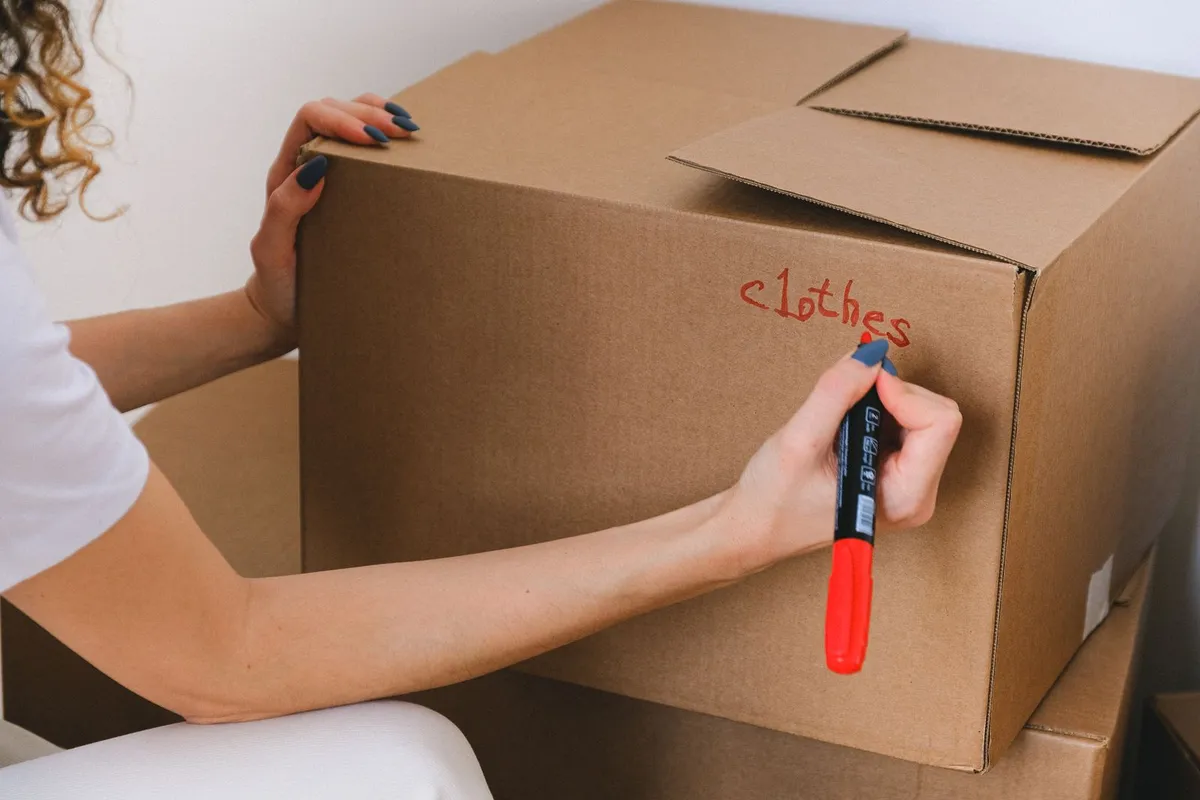
So mark the item clearly on the outside of the wrapping, in a way that survives being moved: a large written note on the plastic in permanent marker is enough, and cutting the fabric or foam on a mattress that is definitely going makes it unmistakably unusable. Then do not leave it standing unattended in a corridor, a stairwell or a bin store — keep it inside your flat until the vehicle is there for it.
The rule that follows from this has no exceptions worth discussing. An item you suspect is infested is never sold, never donated, never given to a building watchman or a passing collector, and never left out with the hope that somebody makes use of it. Whatever it is worth, it is worth less than the problem it creates for whoever takes it.
What usually goes, and what usually stays
Which items actually have to leave is a judgement for whoever is treating the room, not a decision to make from a list. What is worth knowing beforehand is that the answer is rarely the whole bedroom, and it is rarely the mattress alone.
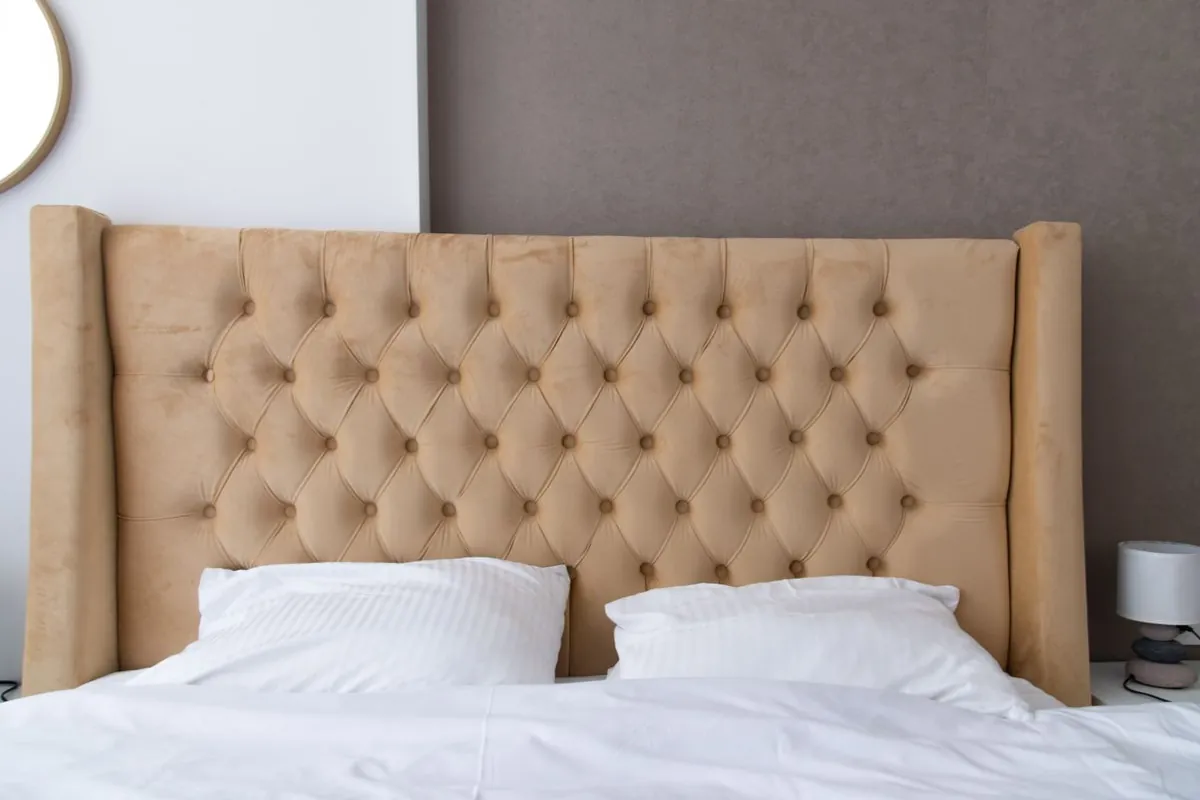
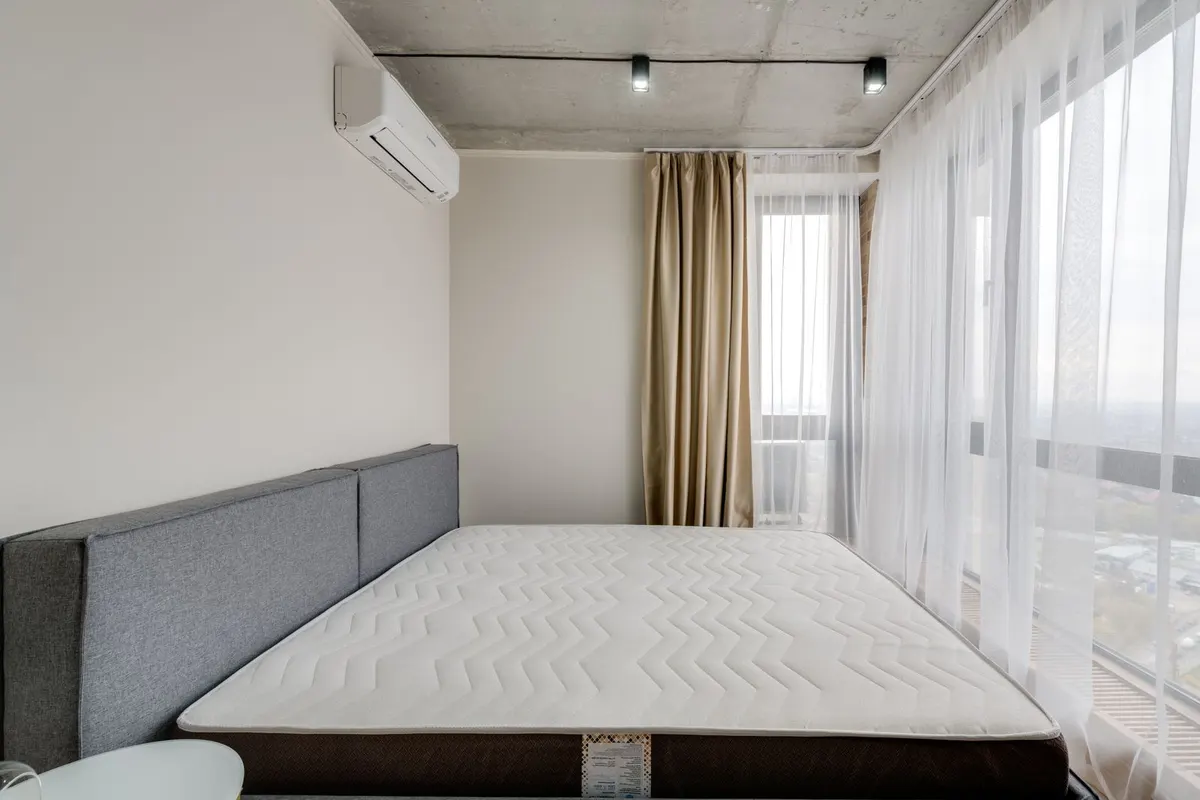
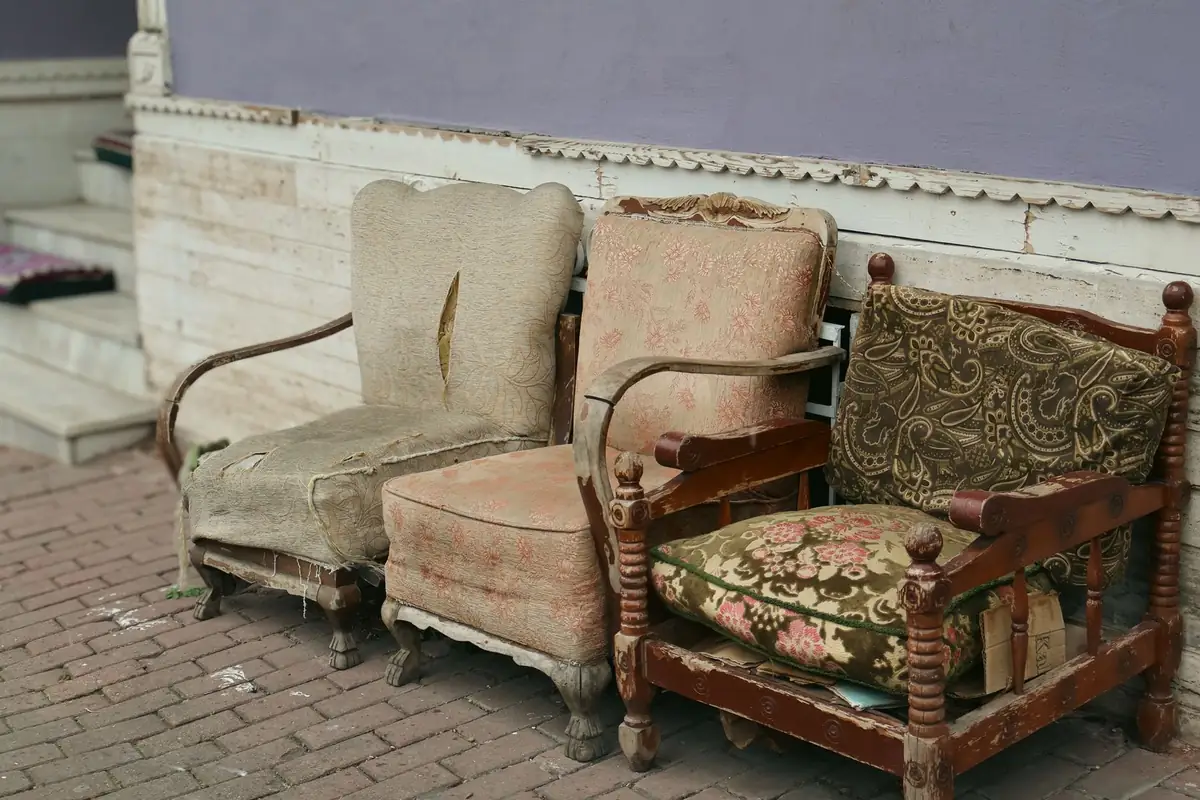
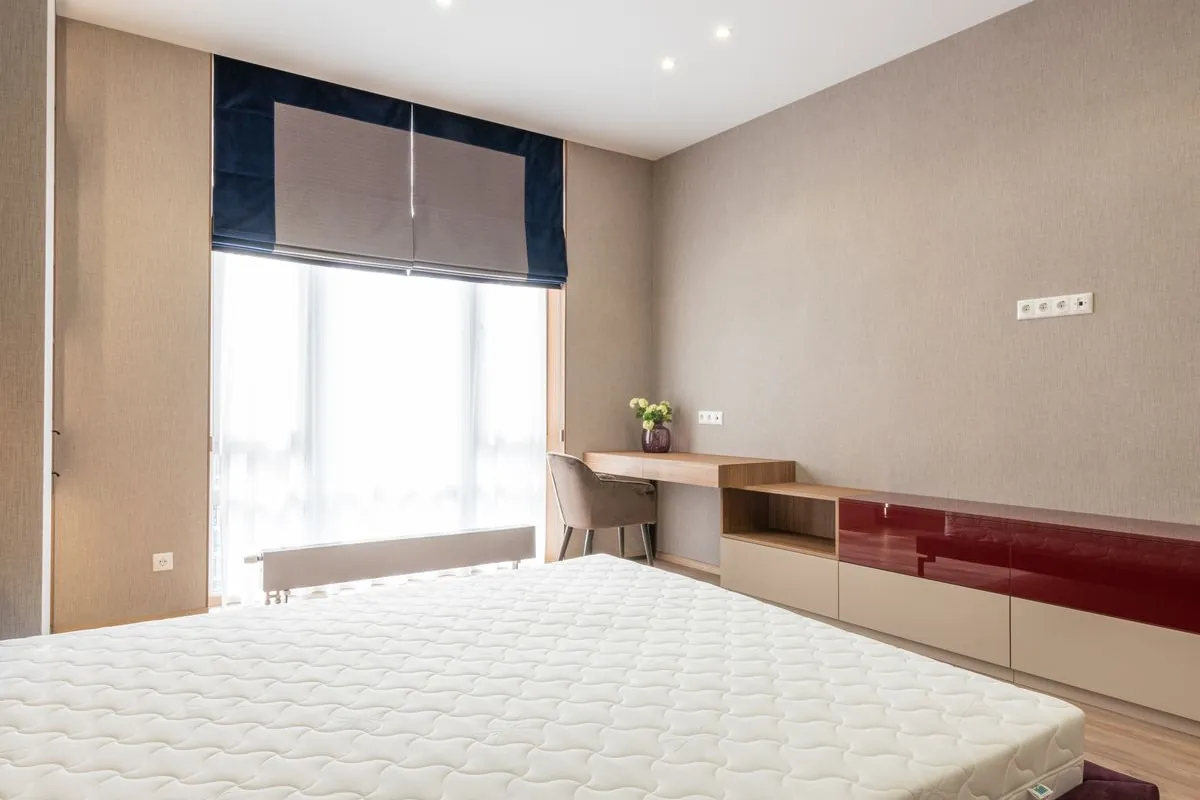
The items most often written off are the soft ones with seams and hollows: mattresses, upholstered bed bases, padded and buttoned headboards, and heavily used fabric sofas and armchairs. The reason is not that they are harder to treat in principle. It is that they have a great many places to check, and the cost and disruption of treating them repeatedly can exceed what the item is worth.
Solid furniture is usually the opposite. A timber bed frame, a chest of drawers, a bedside table or a wardrobe has flat surfaces, visible joints and edges that can be cleaned and inspected, and it is far more often kept and treated than thrown out. The same is true of most things people panic about early — clothes, curtains and bedding are generally a laundry problem, not a disposal one.
The one thing worth doing on your own initiative is naming the pieces individually when you ask for a quote. A double mattress, an upholstered base and a padded headboard are three items, not one bed, and each takes up its own space on a vehicle.
Treatment and clearance are two jobs, in that order
Removing furniture does not resolve an infestation, and this is where a lot of expense gets wasted. Getting rid of a mattress and buying a new one for an untreated room puts a new mattress into the same situation the old one was in. The sequence that works is to have the property assessed and treated first, and to let that assessment decide what leaves.
That work belongs to a licensed pest control company, and we would not pretend otherwise — this is a removal service, not a treatment service. What we can do is take the items away properly once somebody qualified has told you which ones are going, and time the collection so it does not cut across the treatment.
Sequencing is worth a little thought in a rented flat with a fixed handover date. Treatment often runs in more than one visit, and booking a clearance for the day after the first one usually means doing it again. Ask the treating company when items should leave, then book the collection around that answer rather than around the tenancy calendar.
What to tell us when you book
- That the items are or may be infested. Say it plainly at the start of the conversation rather than at the end.
- Which pieces are going, counted individually — mattress, base, headboard, sofa, armchair — rather than described as a room.
- Whether they are already wrapped, and whether you need them wrapped on arrival instead.
- The floor, the lift arrangement, and whether the building requires the service lift to be booked.
- Whether a treatment is scheduled, and when, so the collection lands on the right side of it.
Handled in the right order, this is a much smaller job than it feels like at the point you discover it. Get the room assessed, let that decide what goes, seal each item where it stands, mark it so nobody rescues it, and have it collected in one visit — and the whole thing stays inside one flat instead of becoming a building's problem.